NOAA has finalized a 113-page rule that consolidates exploration and commercial-permit reviews for deep-sea mining into a single process, citing the 1980 Deep Seabed Hard Mineral Resources Act. Supporters say streamlined permitting reflects technological advances and a need for critical minerals; critics warn it reduces environmental oversight and risks exploitation before ecological impacts are understood. The move has drawn scrutiny from scientists, environmental groups and international bodies as firms pursue exploration in the Clarion-Clipperton Zone.
US Finalizes Rule To Fast-Track Deep-Sea Mining, Sparking International Concern

Commercial deep-sea mining seeks to harvest potato-sized "polymetallic nodules" containing cobalt, nickel, copper and manganese (William WEST)(William WEST/AFP/AFP)
The U.S. National Oceanic and Atmospheric Administration (NOAA) has finalized a 113-page rule intended to accelerate deep-sea mining in international waters by combining exploration and commercial-permit reviews into a single process. NOAA says it is acting under the 1980 Deep Seabed Hard Mineral Resources Act to assert authority over harvesting minerals beyond U.S. jurisdiction, but critics warn the change reduces environmental oversight.
What the Rule Changes
The new regulation replaces the existing two-step permitting system—separate approvals for exploration and for commercial recovery—with a consolidated review. NOAA and the administration argue that advances in technology and growing exploration data justify streamlining reviews to enable responsible access to seabed minerals, including rare earth elements and metals used in clean-energy and defense technologies.
Critics and Environmental Concerns
Environmental groups and many scientists dispute NOAA's characterization of the science as comprehensive. Emily Jeffers, senior attorney at the Center for Biological Diversity, argues the seabed remains largely unexplored and that combining permits could commit regulators to exploitation before impacts are understood.
“By issuing the permit simultaneously, they're committing to exploitation without the information that you would need to evaluate its impacts,” said Jeffers.
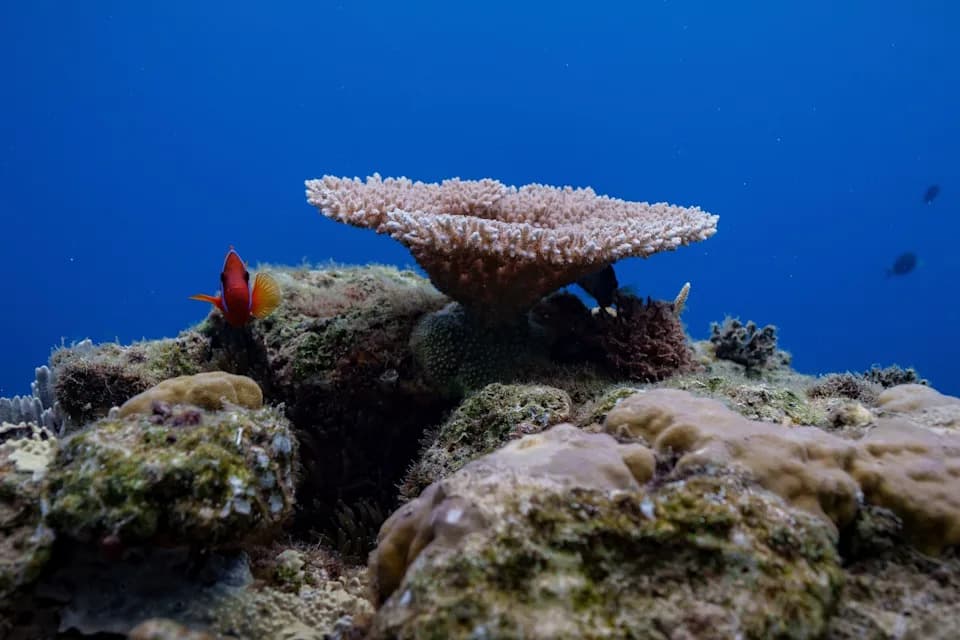
Scientists warn that mining operations could smother deep-sea life with sediment plumes and mobilize heavy metals that bioaccumulate and move up food chains. The potential release of stored carbon from disturbed seabed habitats is an additional ecological concern raised by conservationists.
Industry Activity and Global Response
Companies and some nations view the deep ocean as a source of polymetallic nodules—potato-sized rocks rich in cobalt, nickel, copper and manganese—especially across the Clarion-Clipperton Zone in the Pacific. Canadian firm The Metals Company has emerged as a prominent private actor seeking exploration rights in that area, drawing scrutiny from the United Nations' International Seabed Authority (ISA).
ISA member states are divided: several countries and many scientists call for a moratorium on commercial deep-sea mining until stronger safeguards and more scientific understanding are in place. French President Emmanuel Macron warned against "predatory economic action" that could destroy biodiversity and release irreversible carbon stores.
Legal And Diplomatic Context
Notably, the United States is not a party to the United Nations Convention on the Law of the Sea (UNCLOS) and is not a member of the ISA framework established under that convention. The new NOAA rule therefore represents a unilateral regulatory step that may complicate international governance discussions over seabed mining.
Bottom line: The rule aims to speed U.S. access to strategic seabed minerals but has intensified debate over whether current scientific knowledge and environmental safeguards are sufficient to allow commercial mining in international waters.
Help us improve.