Mexico is caught between diplomatic and economic pressures after President Donald Trump signed an executive order threatening tariffs on countries that ship oil to Cuba. Mexican President Claudia Sheinbaum warned such levies could "trigger a far-reaching humanitarian crisis," noting Mexico supplied about 44% of Cuba’s foreign oil in 2025. The US cited national security concerns related to Cuba’s foreign ties; both Cuba and Venezuela condemned the move and warned it would harm civilians.
Trump’s Tariff Threat On Oil Shipments To Cuba Places Mexico In A Diplomatic Bind
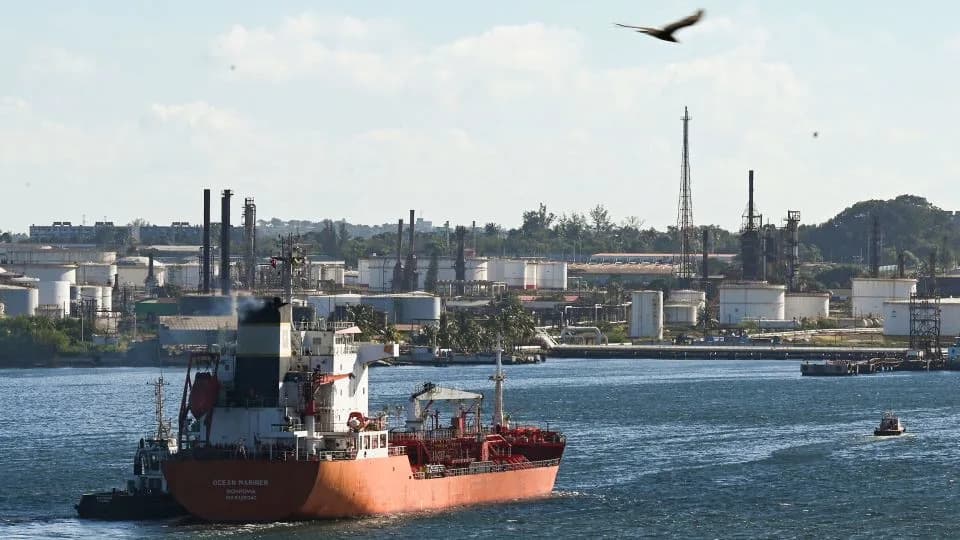
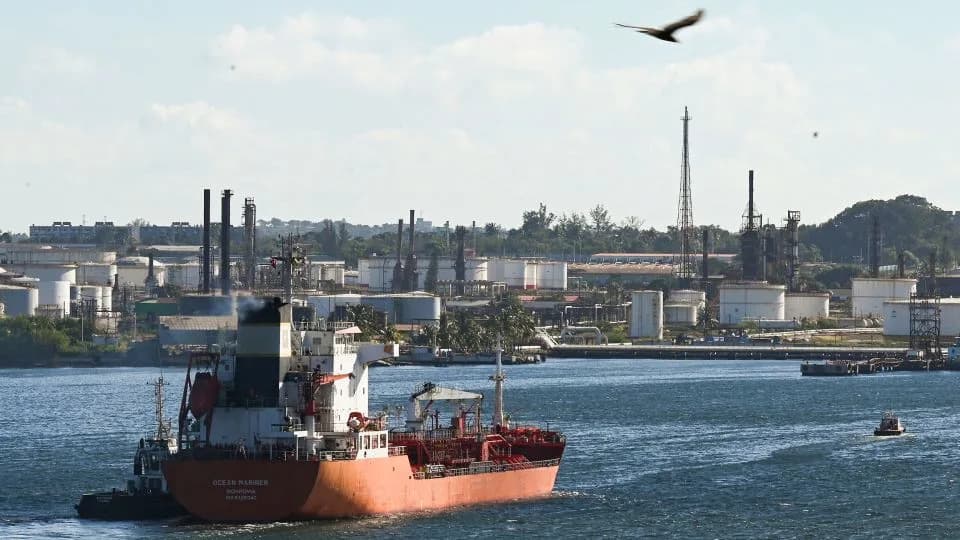
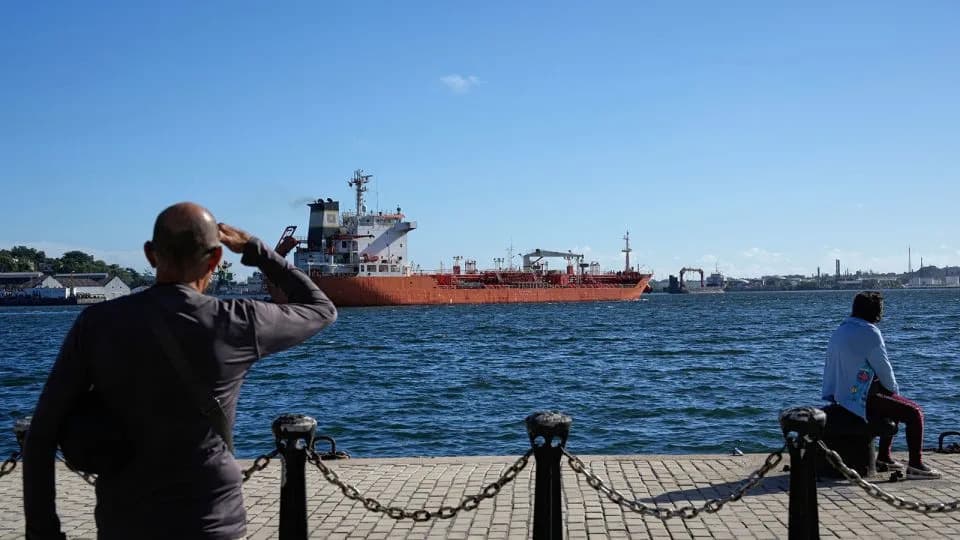
A chemical and oil products tanker arrives at the port of Havana, Cuba, on January 9, 2026. - Yamil Lage/AFP/Getty Images
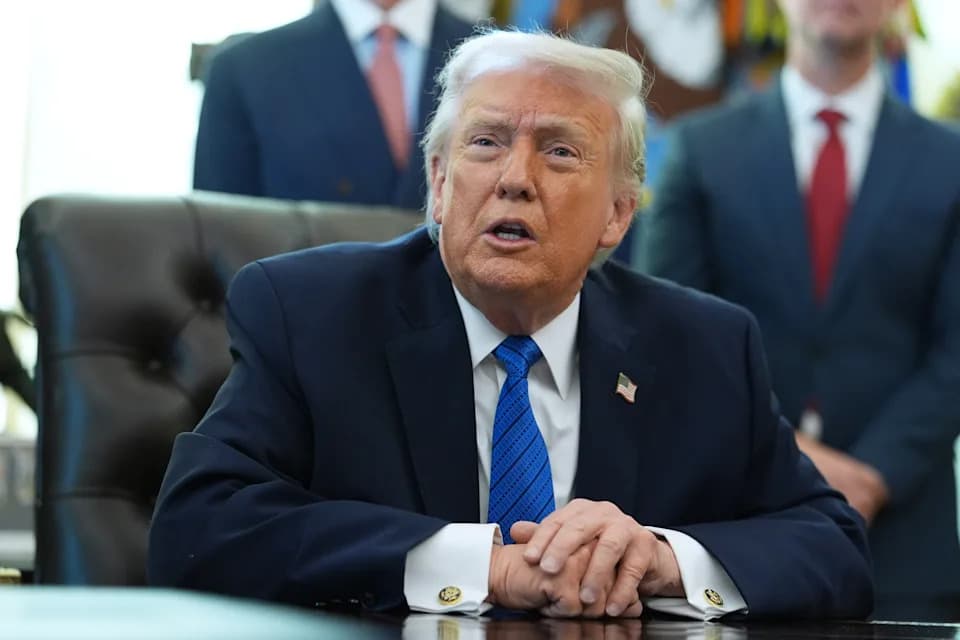
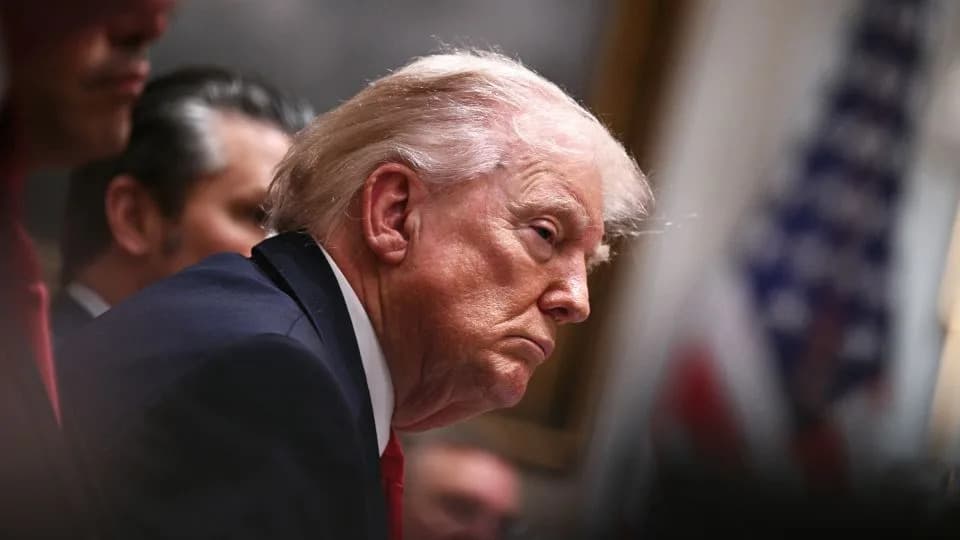
Mexico is navigating a delicate diplomatic and economic dilemma after US President Donald Trump signed an executive order threatening tariffs on countries that continue to send oil to Cuba. As both a major trading partner of the United States and a principal supplier of fuel to the island, Mexico could face significant consequences if it maintains deliveries and the proposed levies are implemented.
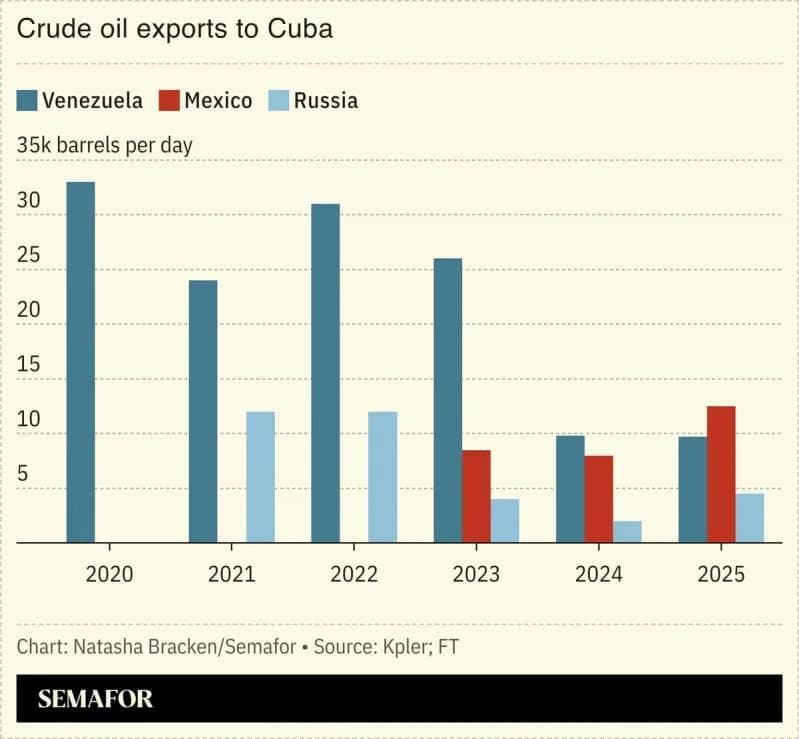
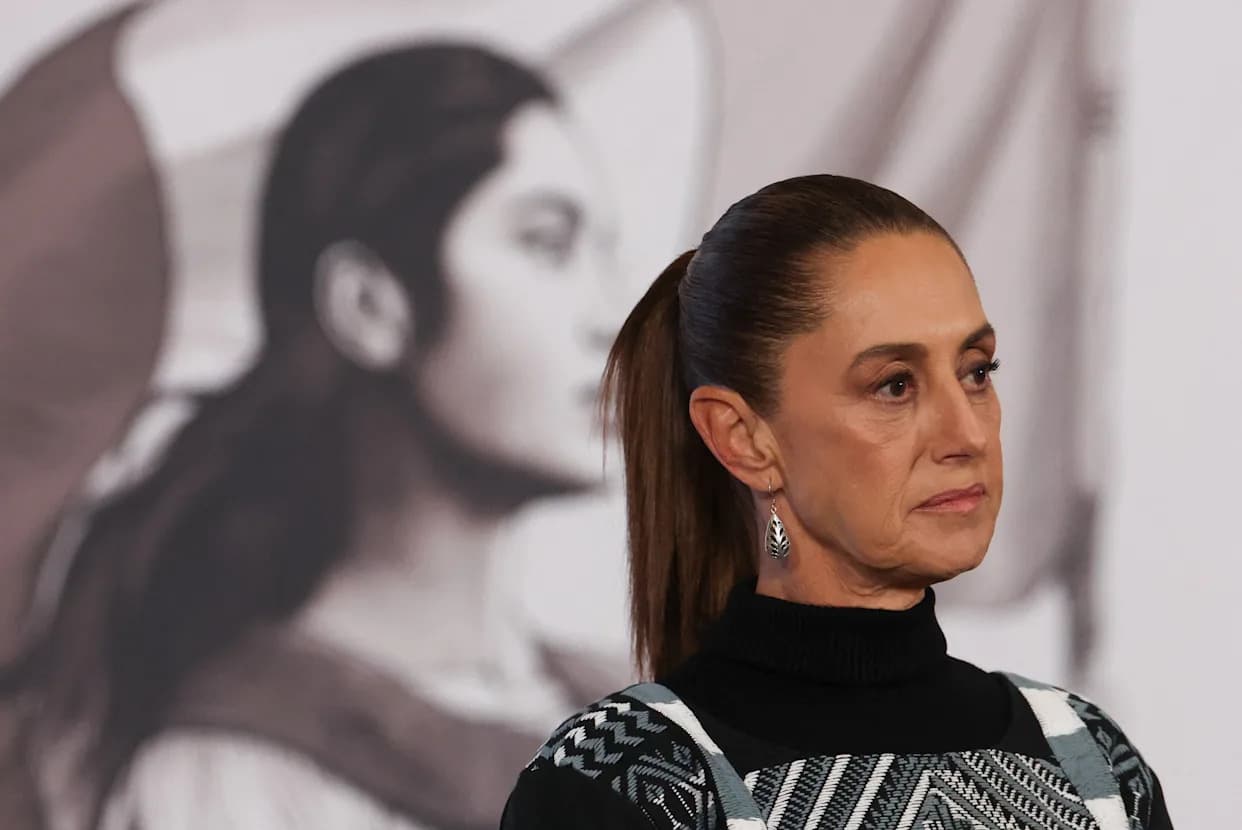
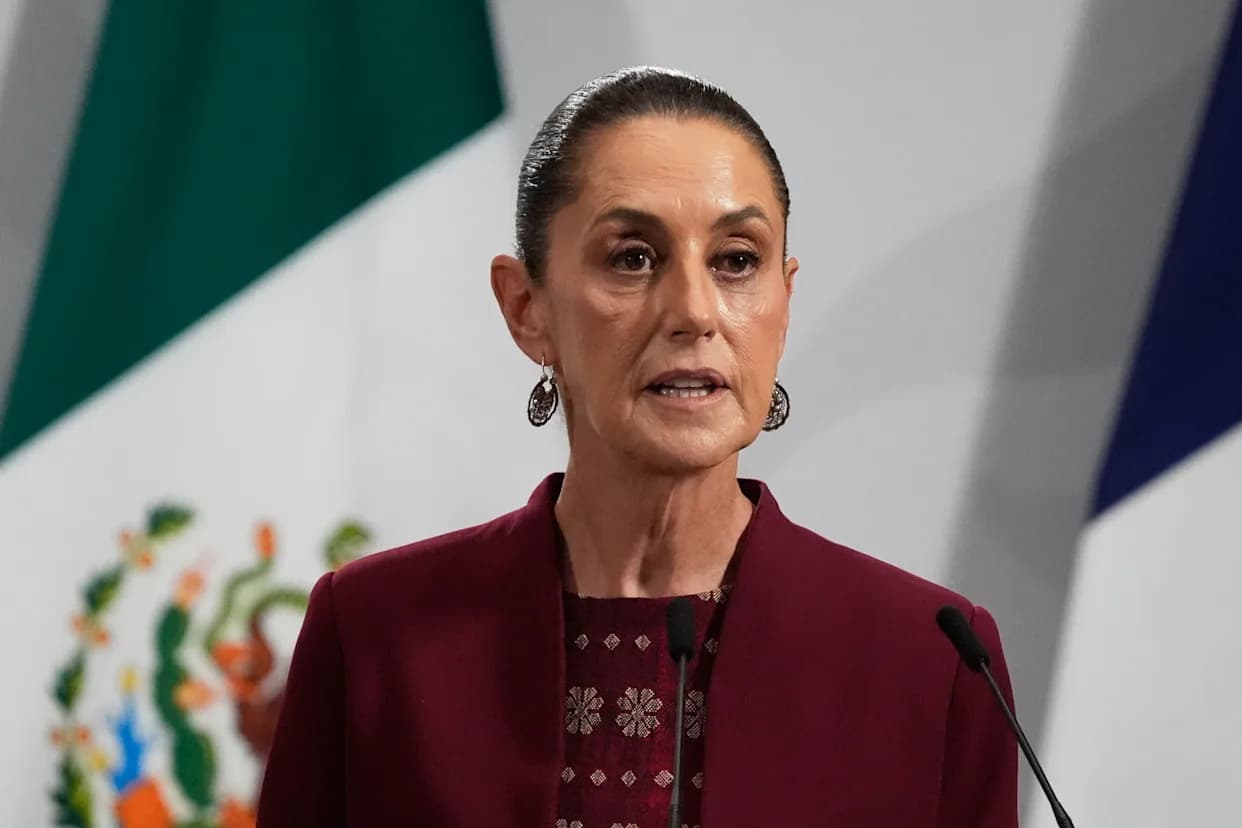
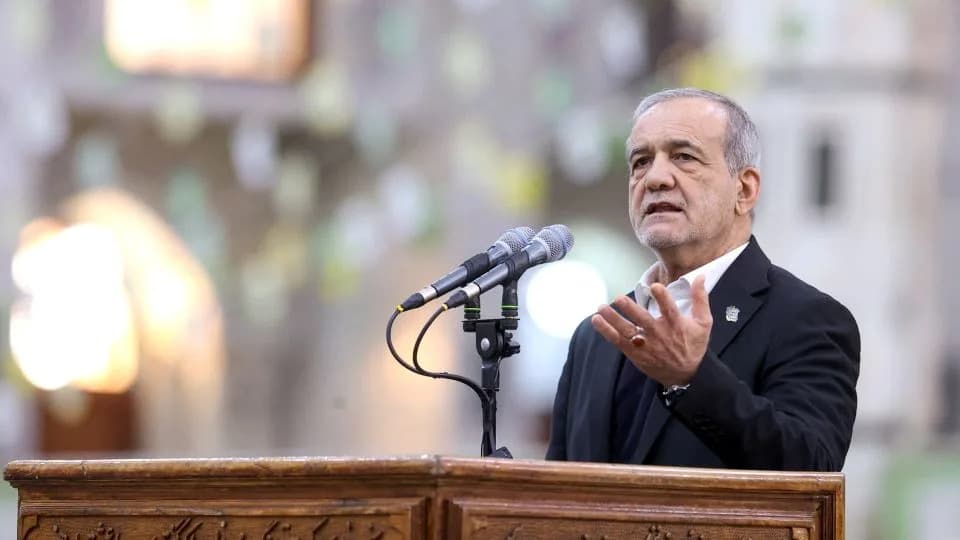
Mexican President Claudia Sheinbaum warned the tariffs could "trigger a far-reaching humanitarian crisis" in Cuba, affecting hospitals, food distribution and other essential services. In 2025, Mexican shipments accounted for roughly 44% of Cuba’s foreign oil supply.
Rather than immediately declaring whether Mexico would halt exports, Sheinbaum said her government would request clarification from Washington on the scope of the tariff threat and pursue diplomatic channels and alternative measures to reduce harm to Cuban civilians. "Of course, we don’t want to risk further tariffs on Mexico," she said, noting that oil exports are managed by state-owned Pemex.
What the US Executive Order Says
The executive order declares a "national emergency," alleging the Cuban government poses an "unusual and extraordinary threat" by cooperating with actors the US labels hostile. The statement accuses Havana of hosting foreign military or intelligence facilities and providing sanctuary to groups the US designates as terrorist organizations. President Trump also said the US was in talks with "the highest people in Cuba" to try to resolve the situation.
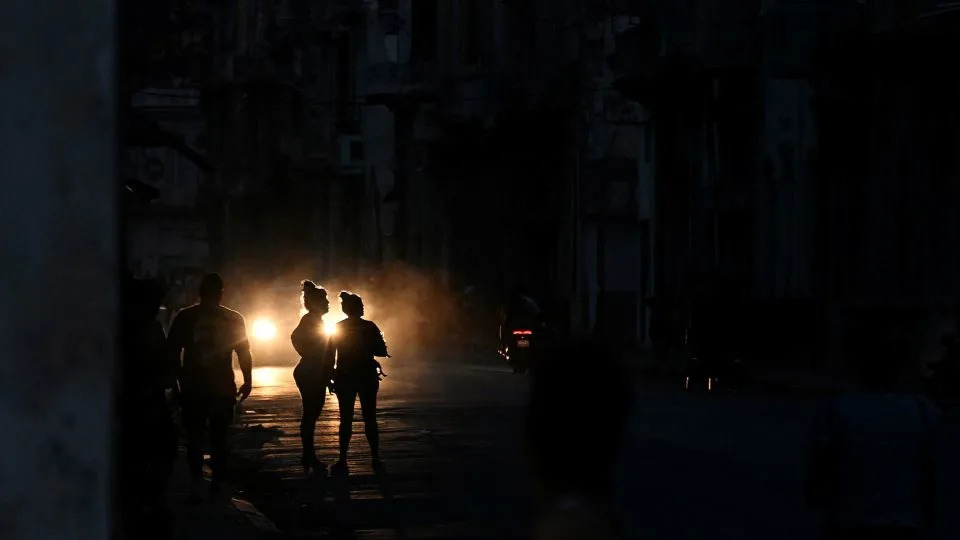
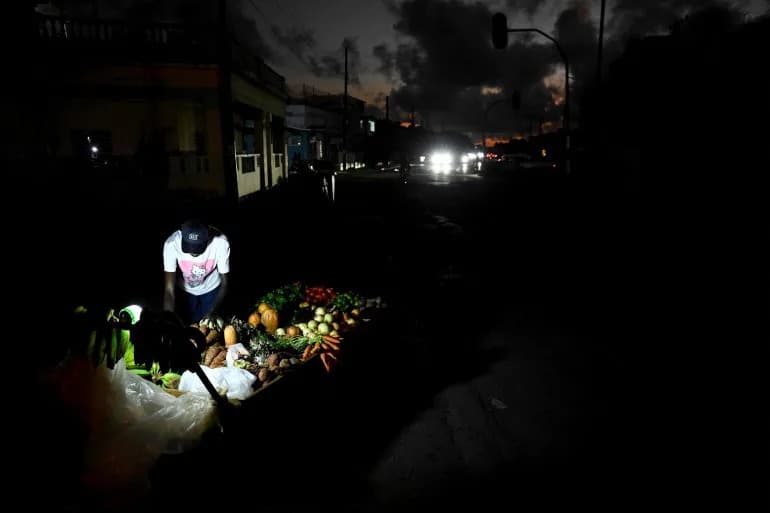
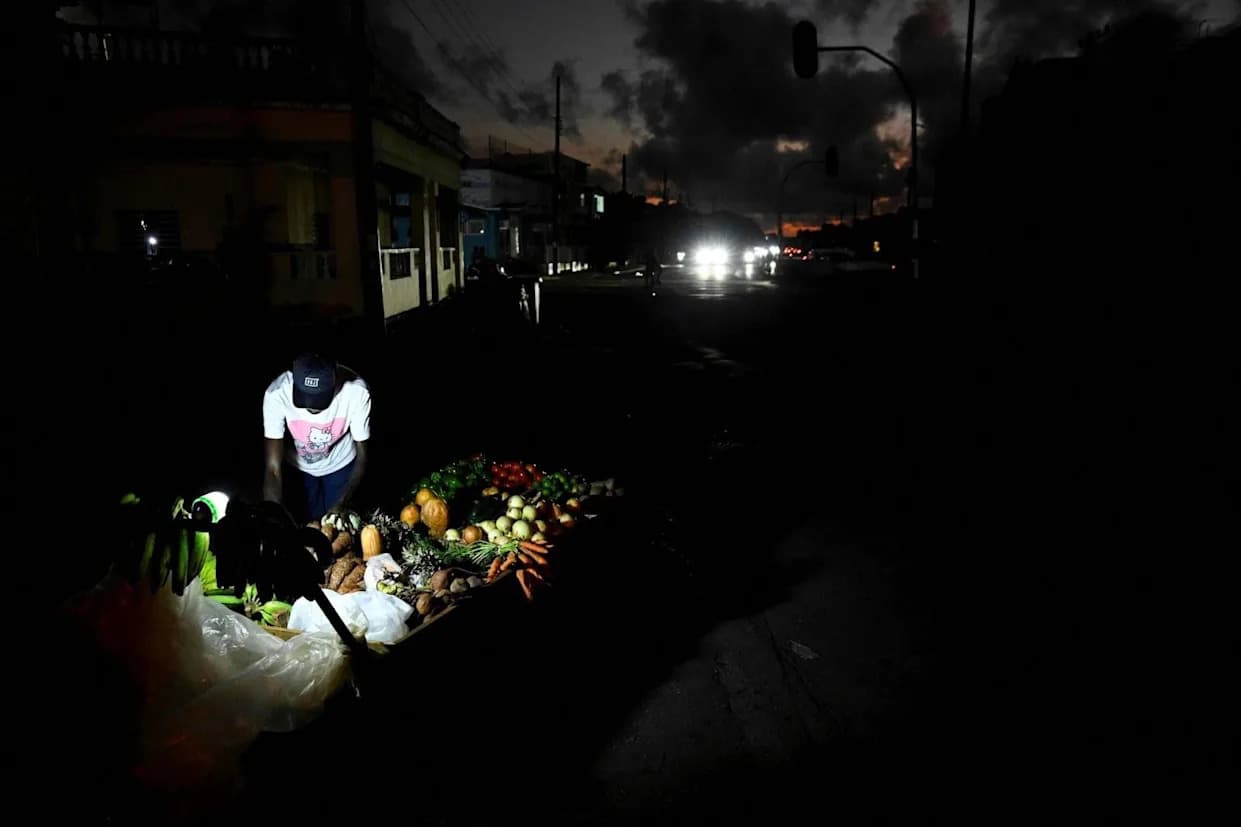
Cubans walk on a street during a blackout in Havana on September 10, 2025. - Yamil Lage/AFP/Getty Images
Humanitarian Impact In Cuba
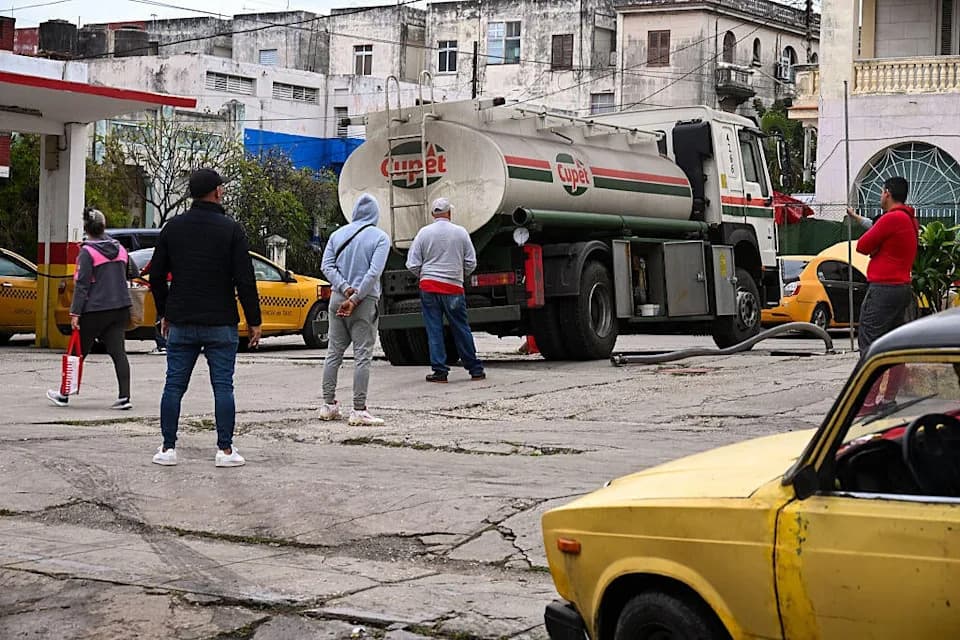
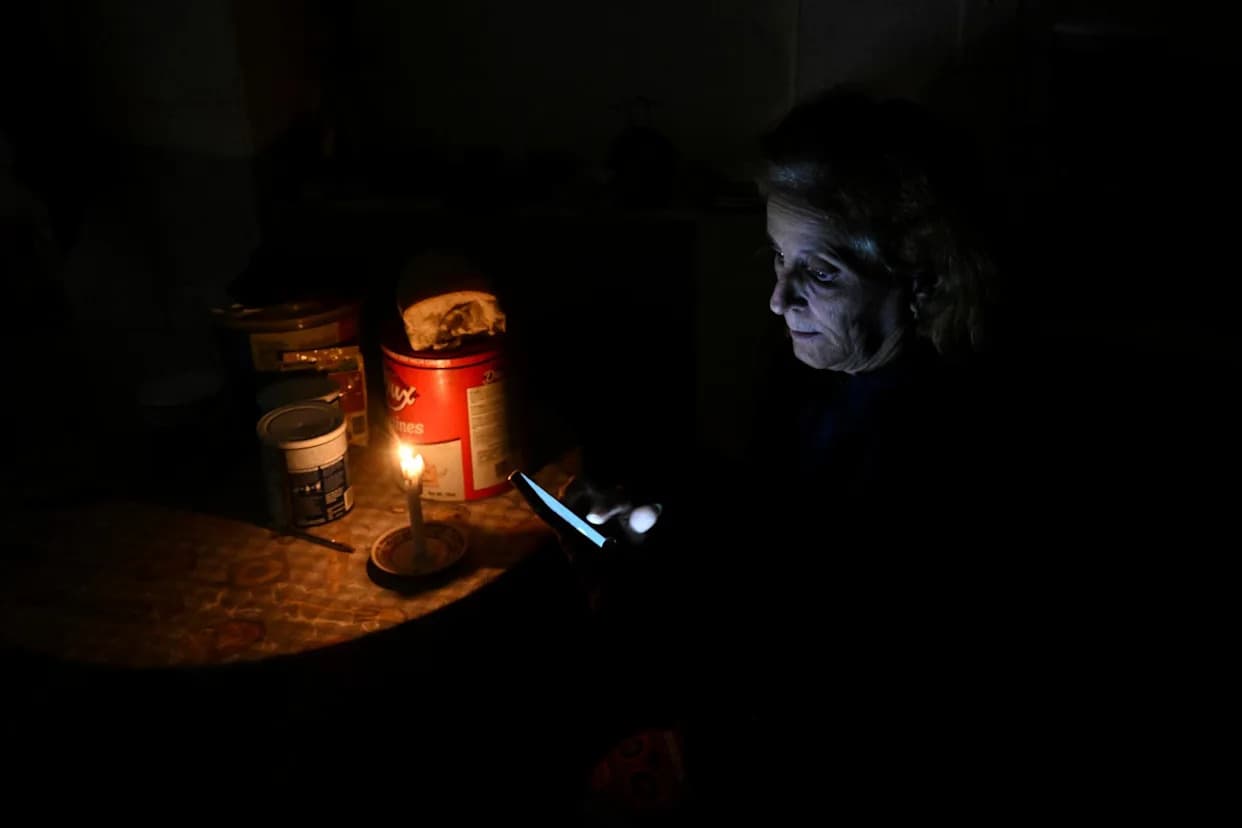
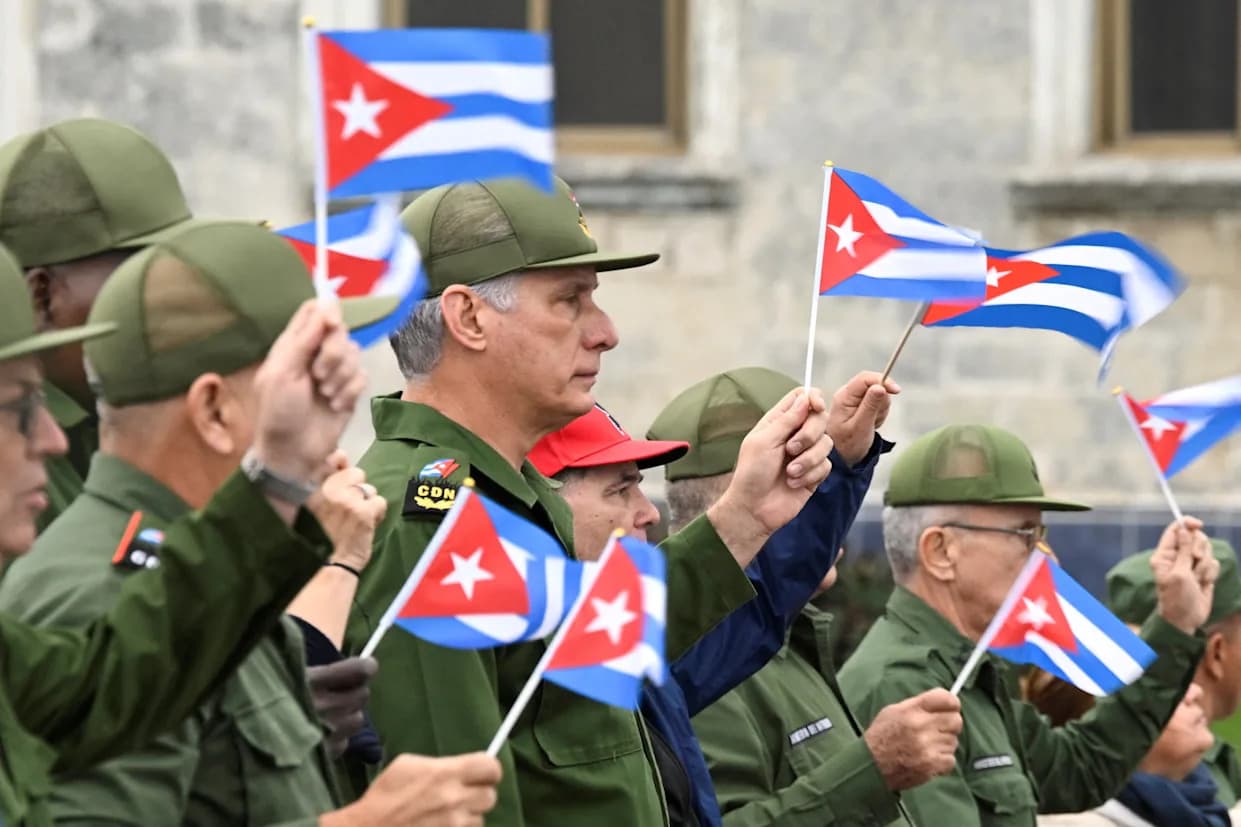
Cuba is already suffering frequent blackouts and long fuel lines amid an energy shortfall. Large parts of Havana reportedly experience nightly power outages, traffic signals have failed, and several state-run broadcasters have suspended transmissions because of lack of electricity and fuel to run generators. Cuban President Miguel Díaz-Canel condemned the tariff threat as an attempt to "suffocate" the Cuban economy, and Foreign Minister Bruno Rodríguez called it coercive blackmail that would amount to a "total blockade" if enforced.
Regional Repercussions
Venezuela, which until recently supplied more than one-third of Cuba’s oil needs, has seen its deliveries disrupted amid recent political turmoil and international pressure. The Venezuelan government has joined Cuba in condemning the US move as a violation of international law and spoke in solidarity with the Cuban people. Both Havana and Caracas warn that cutting fuel supplies would have immediate, severe effects on civilians.
Mexico’s Options And Stakes
Mexico faces a difficult choice: comply with Washington’s implied ultimatum and risk appearing to abandon a humanitarian partner, or continue shipments and risk punitive tariffs that could damage Mexican exports, complicate relations with the United States, and affect Pemex’s trade. Mexican officials say they prefer to resolve the matter through diplomacy and legal clarification rather than unilateral escalation.
Key quote: "Through diplomatic channels, we seek a dialogue and communication framework that prevents a serious situation for the Cuban people," President Sheinbaum said.
The situation remains fluid. International reactions will likely shape next steps as governments weigh humanitarian concerns, legal questions about extraterritorial pressure, and geopolitical rivalries underlying the dispute.
Help us improve.