A recent MIT study reported by Popular Mechanics found that briefly silencing a lazy eye in mice using a pufferfish-derived toxin, then reactivating it after 48 hours, led to improved vision and a surge in visual brain activity. The intervention appears to recreate developmental plasticity, allowing visual circuits to re-engage. Results are preclinical and limited to mice; human safety and efficacy remain untested. The findings suggest a potential new direction for noninvasive treatments of amblyopia, pending further research.
MIT Study: Brief 'Eye Reboot' Restores Vision in Mice Within 48 Hours
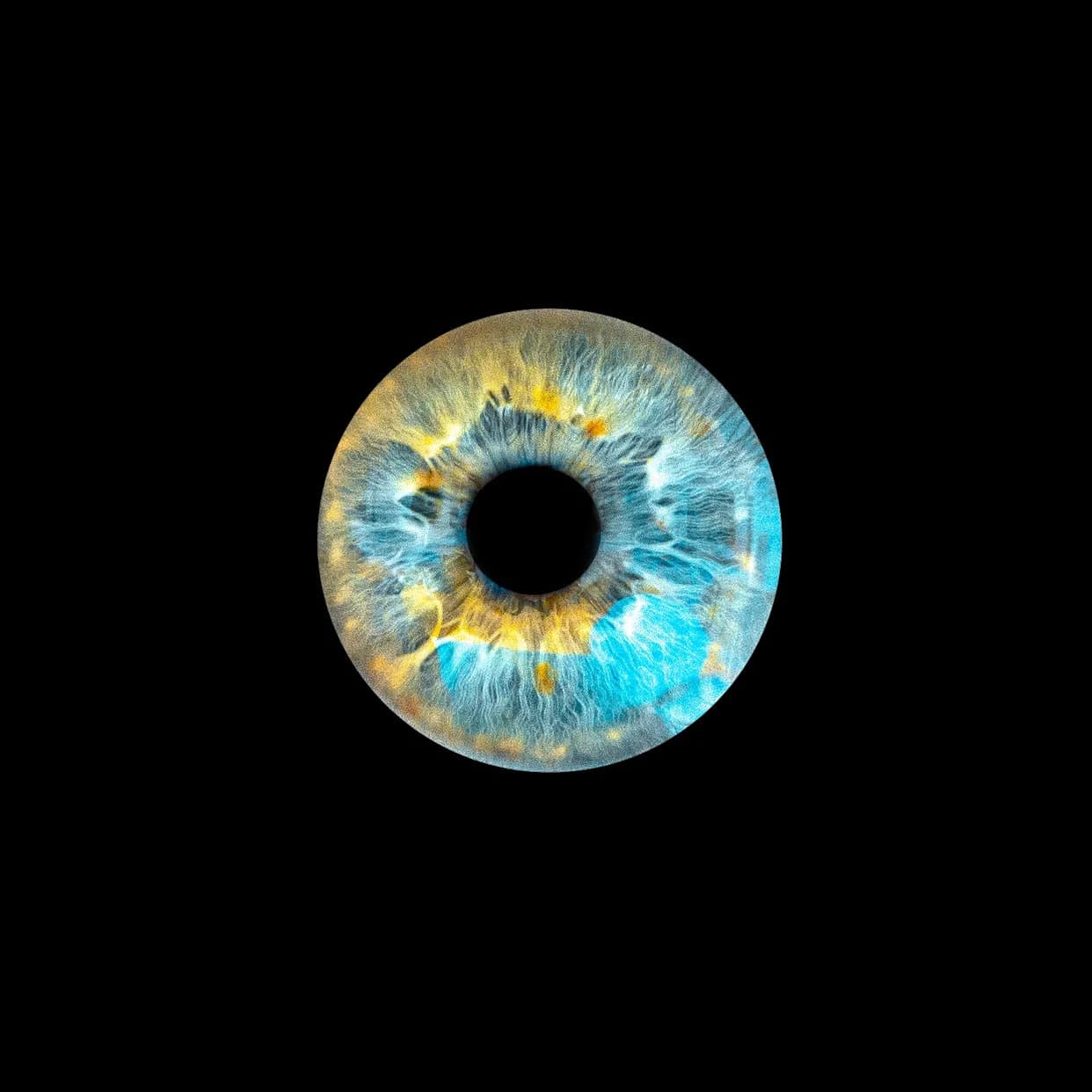
How ‘Rebooting’ Your Eye Could Cure Vision Lossmheim3011 - Getty Images
Imagine restoring sight not with surgery or daily drops but by briefly turning an eye "off" and then back "on." A new preclinical study from MIT, reported by Popular Mechanics, shows that temporarily silencing a lazy eye in mice produced measurable vision improvement within 48 hours after the eye was reactivated.
How the Experiment Worked
Researchers temporarily inactivated a weaker (amblyopic) eye in mice using a toxin derived from pufferfish. After two days of inactivity, they reactivated the eye and observed clear improvements in visual function. At the same time, neural activity in brain regions responsible for vision rose sharply, suggesting the treatment re-engaged sight-processing circuits.
Why This Matters
Developmental Plasticity Recreated: The team says the intervention appears to mimic how the developing brain wires visual connections early in life, reopening a window of plasticity that allows the brain to relearn input from the weaker eye.
Popular Mechanics editors John Gilpatrick and Andrew Daniels highlighted the experiment as a surprisingly simple approach that echoes natural developmental wiring processes.
Important Caveats
These results are preclinical and have been demonstrated only in mice. The safety, feasibility, and effectiveness of a comparable approach in humans are unknown. Translating an intervention that uses a potent toxin—even in a temporary, localized way—will require extensive additional research, safety testing, and clinical trials.
Nonetheless, the findings open a promising line of inquiry into noninvasive strategies for treating amblyopia (lazy eye) and other forms of vision impairment. Further studies will be needed to confirm the mechanism, optimize the approach, and assess risks before human testing can begin.
Help us improve.