Life Biosciences has received FDA clearance to begin a first-in-human trial of ER-100, a gene-based therapy that aims to partially "reset" cells to treat glaucoma. The trial will deliver a single dose of viral vectors carrying a subset of Yamanaka factors into one eye and uses a genetic switch and antibiotics to limit reprogramming. Preclinical mouse studies reportedly restored vision, but prior work in animals links cellular reprogramming to cancer risk. Experts emphasize this is an exploratory attempt for a specific condition, not an immediate general anti-aging cure.
FDA Clears First Human Trials Of ER-100, A Controversial Gene Therapy That Aims To 'Reset' Cells

Boston-based startup, Life Biosciences, is working on a treatment code-named ER-100 that involves reprogramming genes for rejuvenation.
At the World Economic Forum in Davos last week, Elon Musk described human aging as a problem that is "very solvable," saying he expects the underlying cause to be straightforward once discovered. The remark underscores renewed interest and investment in experimental longevity therapies that aim to reverse or slow aging.
One high-profile effort comes from Life Biosciences, a Boston-based startup associated with Harvard professor David Sinclair. According to MIT Technology Review, the company announced this week that the U.S. Food and Drug Administration has cleared its planned human study of a therapy code-named ER-100.
What The Trial Will Test
The initial clinical trial will target glaucoma, a group of eye diseases caused by elevated intraocular pressure that can permanently damage the optic nerve and lead to vision loss. Investigators plan to inject a single dose of viral vectors carrying gene-reprogramming instructions into one eye of each participant.
How The Treatment Works
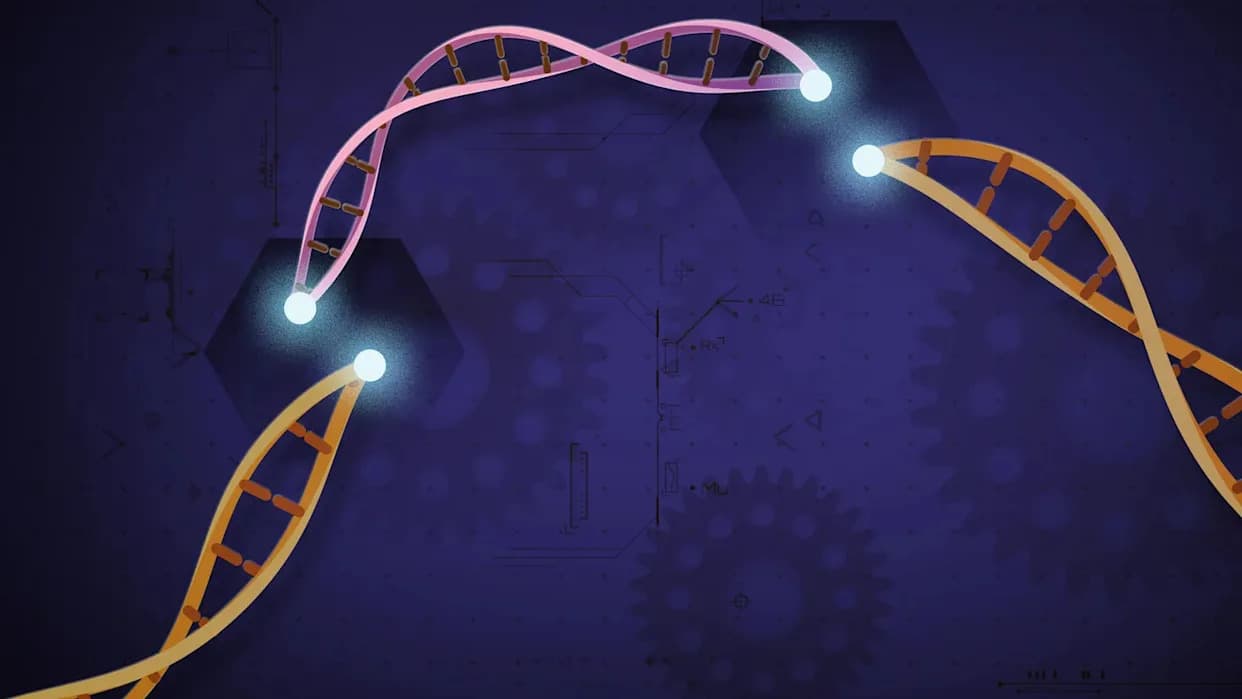
The approach builds on the Nobel Prize–winning work of Japanese stem-cell scientist Shinya Yamanaka, who discovered that a set of genes—now called Yamanaka factors—can revert mature cells to a stem-like state. ER-100 aims to use a subset of those factors to partially reprogram cells toward a healthier state rather than fully reverting them.
To control the degree of reprogramming, the therapy incorporates a built-in genetic switch and a planned regimen of specific antibiotics intended to limit activity and prevent cells from losing their identity. The company describes this strategy as partial cellular reprogramming.
Evidence And Risks
Life Biosciences cites preclinical experiments in mice in which vision was reportedly restored after optic-nerve damage. Supporters say the optimistic outcome would be sight restoration for some patients and a catalyst for research into other indications.
“The optimistic case is this solves some blindness for certain people and catalyzes work in other indications,” biotech investor Karl Pfleger told MIT Technology Review.
However, experts warn of significant safety concerns. Previous animal studies have shown that cellular reprogramming can lead to tumor formation in laboratory animals, and altering epigenetic controls in humans carries uncertain risks. The trial includes safety measures, but it remains exploratory and focused on a specific eye condition—not a general anti-aging cure.
What This Means
ER-100 represents a high-risk, high-reward attempt to translate years of cellular reprogramming research into a clinical therapy. If the trial demonstrates safety and some efficacy, it could open the door for further studies. If not, it will reinforce the many scientific and safety challenges that remain before any broad rejuvenation therapies become a reality.
Sources: MIT Technology Review coverage and public statements from Life Biosciences and industry commentators.
Help us improve.