Chinese researchers using the EAST tokamak report surpassing a long-standing plasma density ceiling by achieving a theoretically predicted "density-free regime," according to a study in Science Advances. Led by Ning Yan and Ping Zhu, the team confirmed the plasma-wall self-organization framework and used tighter early-phase control to reduce losses and impurities. If reproducible at higher performance and longer durations, the approach could speed progress toward practical fusion, though major challenges—materials, waste handling, and high capital costs—remain.
Chinese Team Breaks Tokamak Density Limit, Paving A Practical Path Toward Fusion

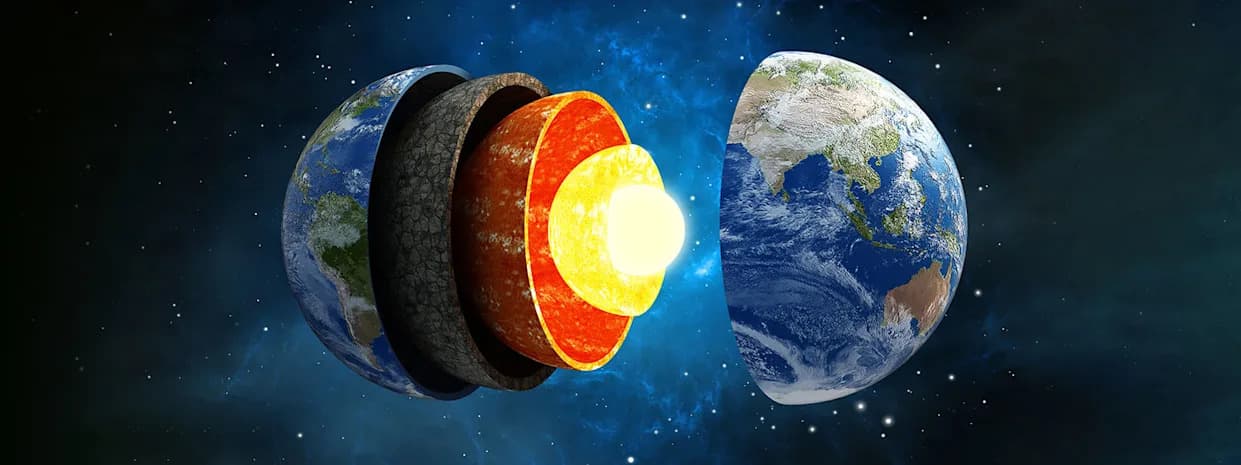
Photo Credit: iStock
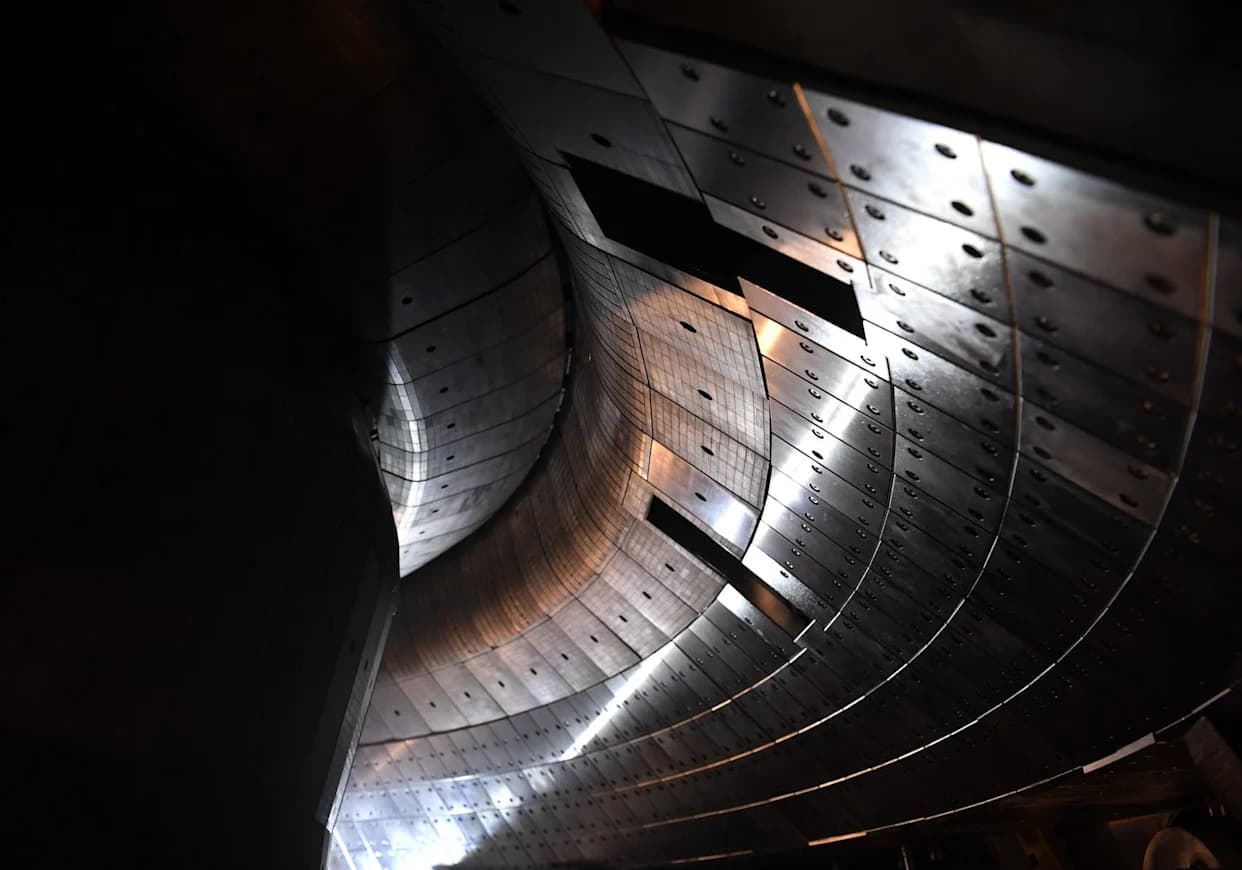
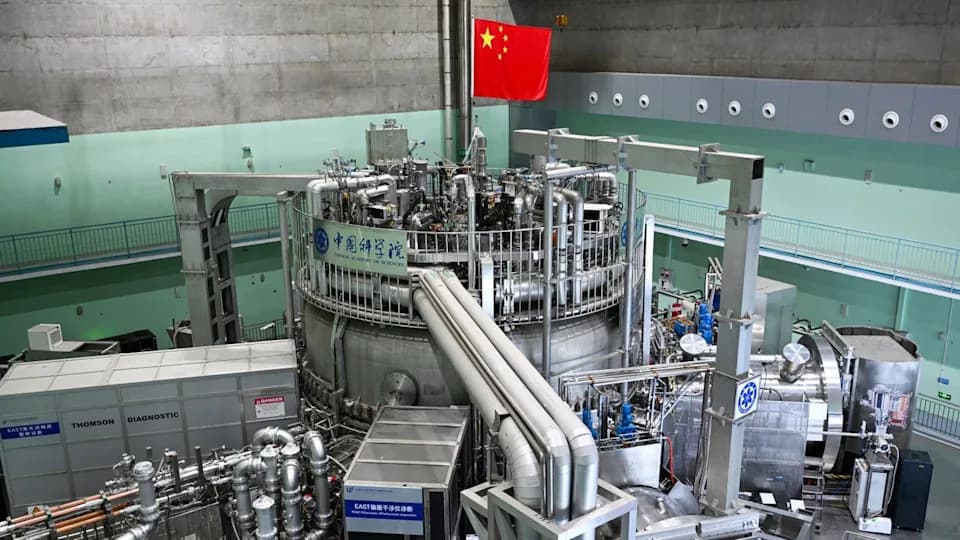
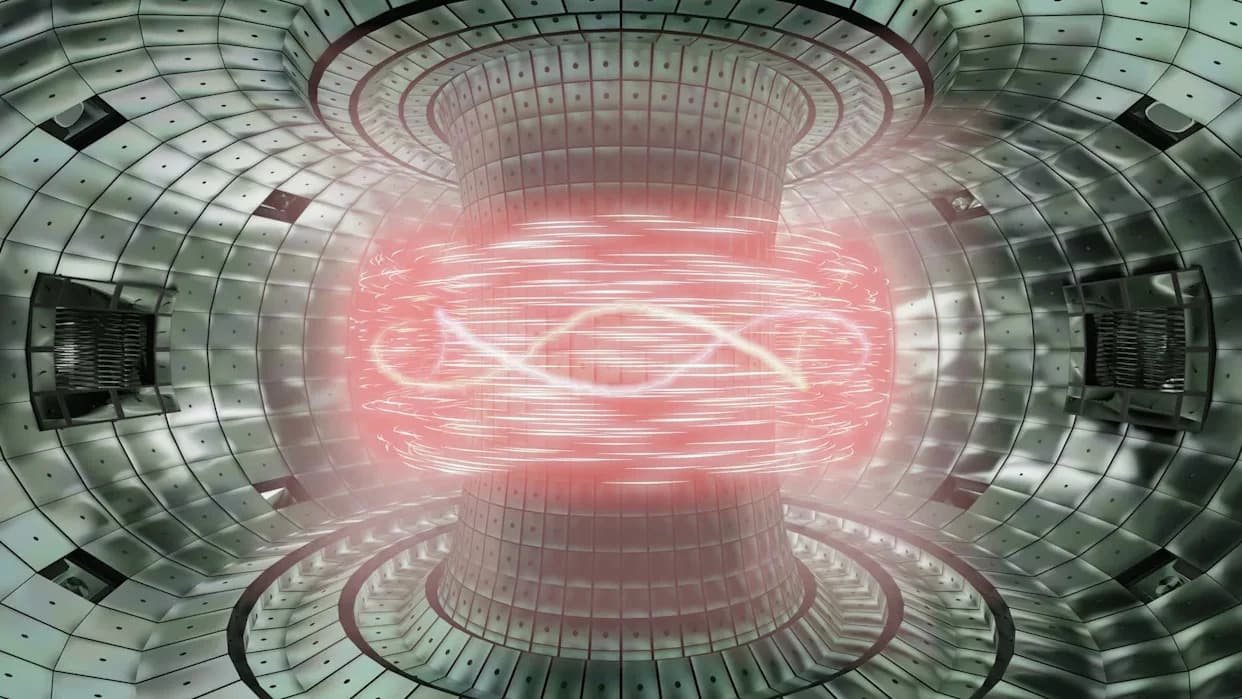
Chinese researchers report a major experimental advance toward sustained nuclear fusion after surpassing a long-standing plasma density limit in a tokamak device. The work, published in Science Advances, was carried out on China’s Experimental Advanced Superconducting Tokamak (EAST) and demonstrates a theoretically predicted state called the "density-free regime."
Background
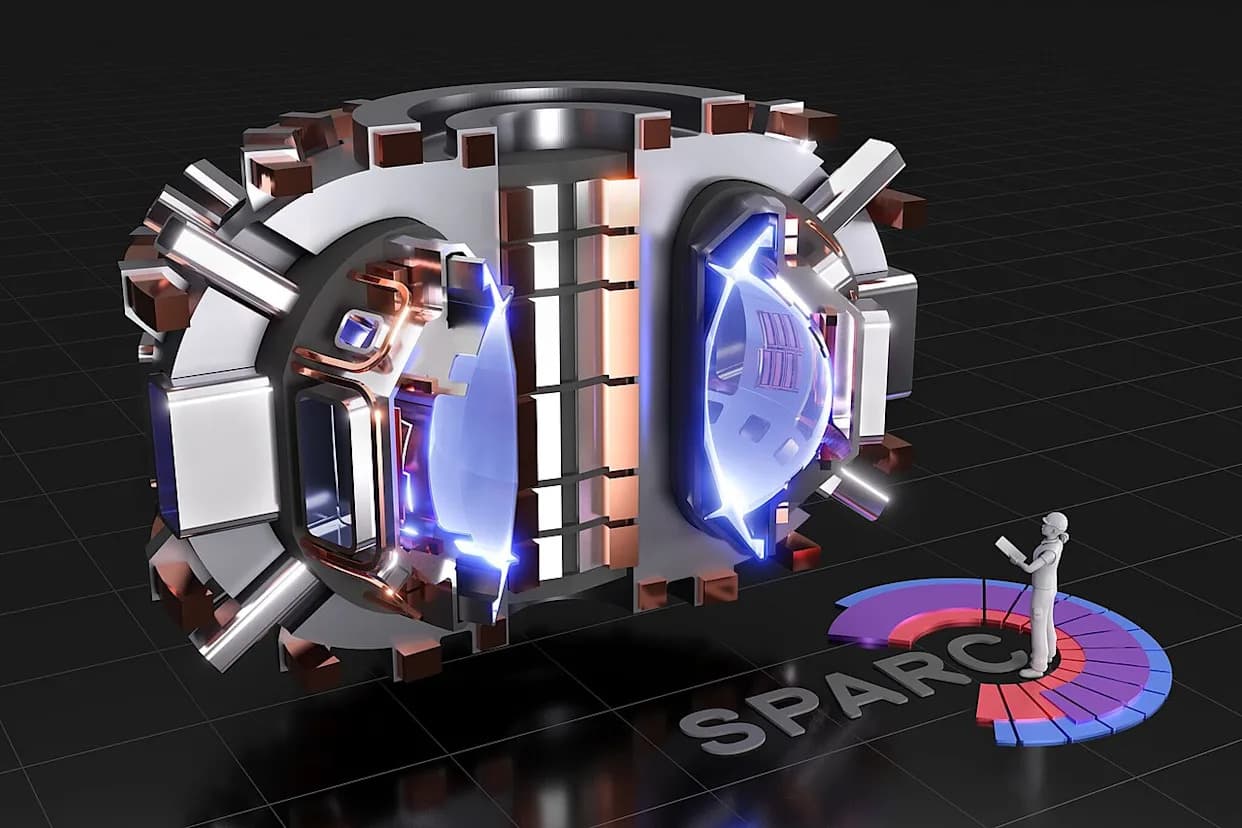
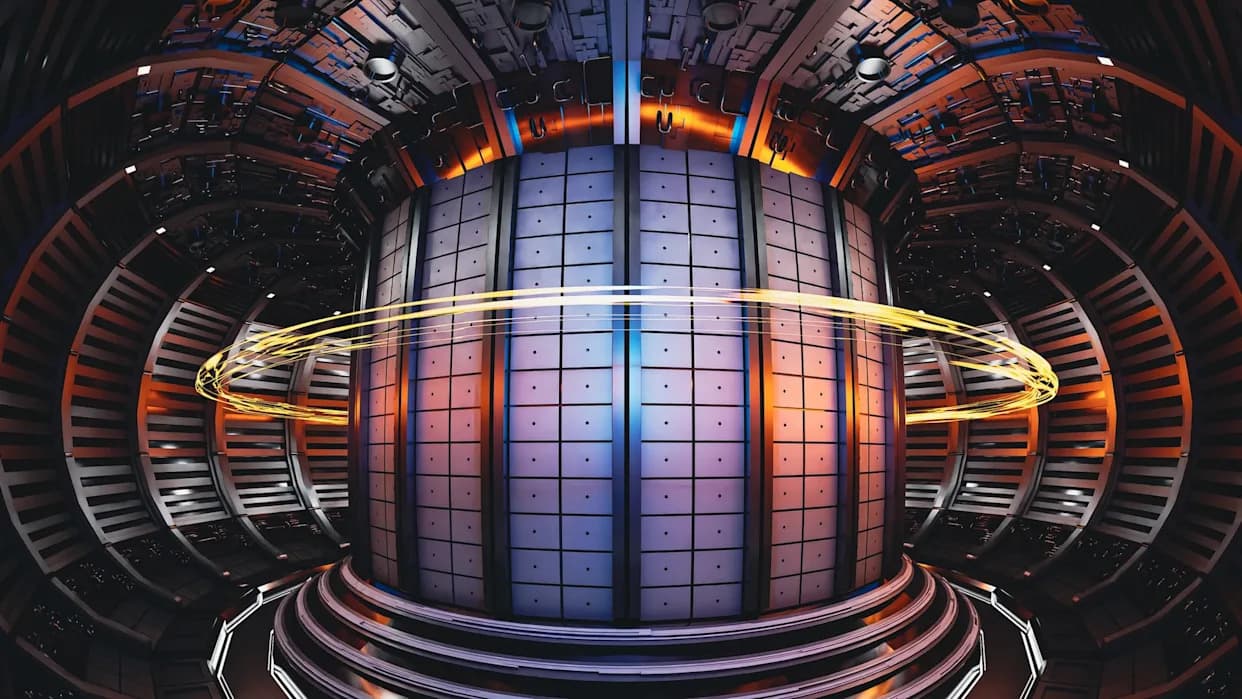
Nuclear fusion—the process in which two light atomic nuclei merge to form a heavier nucleus—promises large amounts of low-emission energy. Tokamaks, doughnut-shaped magnetic confinement devices, are a leading approach to achieving controlled fusion, but they have historically been constrained by an upper plasma density limit. Exceeding that limit tends to trigger instabilities and disruptions that degrade confinement and halt fusion progress.
The Experiment
The research team, led by Associate Professor Ning Yan (Hefei Institutes of Physical Science, Chinese Academy of Sciences) and Professor Ping Zhu (Huazhong University of Science and Technology), reported controlled experiments on EAST that exceeded the conventional density ceiling without causing disruptive instabilities. The results provide the first experimental confirmation of a theoretical framework called plasma-wall self-organization, which predicts that interactions between the plasma and reactor walls can reach a dynamic balance that relaxes density limits.
Key to the achievement was tighter control during early discharge phases: the team reduced energy loss and limited impurity buildup, which allowed plasma-wall interactions to be tuned and stabilized. That approach enabled operation in the density-free regime predicted by theory.
“The findings suggest a practical and scalable pathway for extending density limits in tokamaks and next-generation burning plasma fusion devices,” Professor Ping Zhu said in a release.
Why It Matters
If the method proves robust across longer runs and higher-performance plasmas, it could accelerate progress toward practical fusion power by enabling higher-density operation without disruptive events. Higher stable densities improve the conditions for achieving net energy gain (ignition) and could make future fusion devices more compact or efficient.
Ongoing Challenges
Despite this advance, significant obstacles remain before fusion becomes a commercial energy source. These include safe handling and potential recycling of activated materials, exceptionally high capital costs for next-generation reactors, and the need to scale experimental techniques to larger, power-producing systems. Researchers are developing software tools to streamline plant design and investigating materials and waste-management strategies, but these solutions are still maturing.
Next Steps
The Chinese team plans to repeat the experiments under higher-performance plasma conditions to determine how far beyond current limits this method can extend while preserving stability. Independent replication and integration with other approaches (heating, fueling, and wall materials) will be essential to assess the practical scalability of the technique.
Bottom line: The EAST results mark an important experimental confirmation of plasma-wall self-organization and open a promising pathway for extending tokamak density limits—but further testing and engineering work are required before this leads directly to commercial fusion power.
Help us improve.