NYU researchers publishing in Nature found that gray hair in mice may result from melanocyte stem cells (McSCs) becoming stuck in a follicle compartment, preventing them from maturing into pigment-producing cells. When McSCs can’t return to the germ compartment—where WNT signals drive pigment regeneration—the follicle lacks pigment cells and hair turns gray. The team observed up to 50% of McSCs lodged in the bulge as follicles age, and next steps will test whether restoring McSC mobility can reverse graying.
Study in Nature Finds Gray Hair May Be Reversible by Freeing Stuck Stem Cells
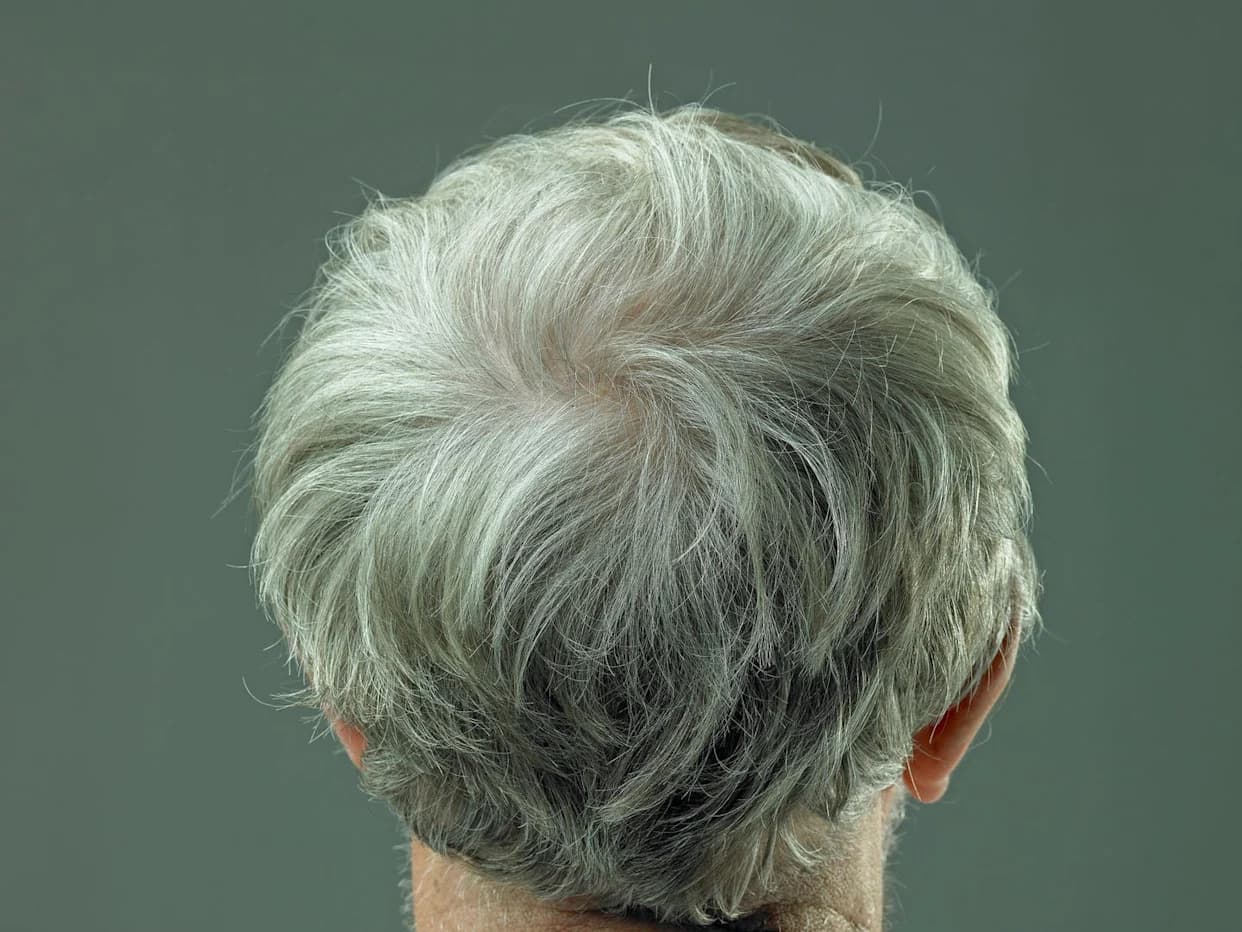
Stuck Stem Cells Culprit for Gray HairHans Neleman - Getty Images
A new study from New York University’s Grossman School of Medicine, published in Nature, suggests that gray hair may result when melanocyte stem cells (McSCs) become immobilized inside hair follicles. The research—conducted in mice—shows that restoring the cells' ability to move could allow them to regenerate pigment and potentially reverse or prevent graying.
How Melanocyte Stem Cells Normally Work
Under healthy conditions, McSCs shuttle between distinct compartments inside developing hair follicles. Those compartments expose the cells to different signals and environments that let them mature and acquire the proteins needed to produce pigment-producing melanocytes. A key feature of McSCs is their ability to oscillate between maturity states as they move back and forth between compartments.
What Goes Wrong With Graying
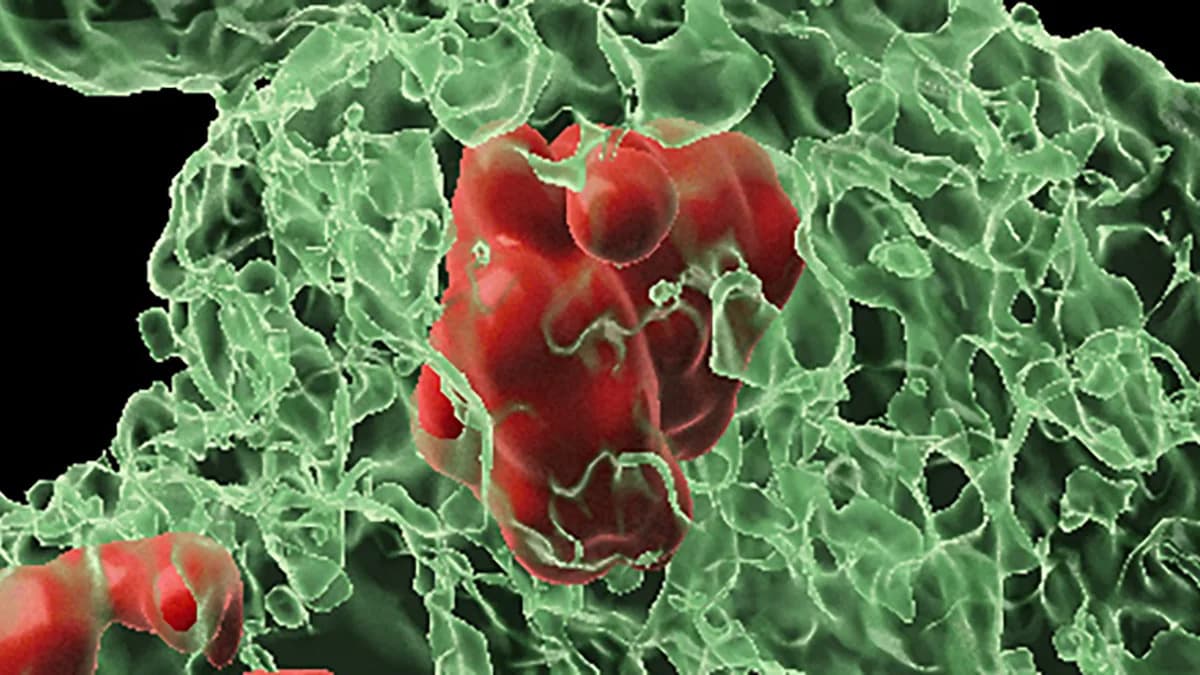
The NYU team observed that, in some follicles, McSCs become trapped in the follicle's bulge compartment and cannot return to the germ compartment where WNT proteins promote regeneration into pigment cells. When McSCs remain lodged in the bulge and cannot reposition, pigment-producing cells are not produced and the hair turns gray. The researchers documented that as the hair-regrowth cycle ages, the proportion of McSCs stuck in the bulge rises; at certain stages, the bulge can contain roughly 50 percent of all McSCs in a follicle.
Why This Matters
'It is the loss of chameleon-like function in melanocyte stem cells that may be responsible for graying and loss of hair color,' said Mayumi Ito, the study's senior investigator and professor at NYU Langone Health. The team emphasizes that McSCs are specialized for pigment production and are distinct from the stem cells that drive hair growth—explaining why hair can continue to grow even after it has lost color.
'Our study adds to our basic understanding of how melanocyte stem cells work to color hair,' said Qi Sun, a postdoctoral fellow at NYU Langone Health. 'The newfound mechanisms raise the possibility that the same fixed positioning of melanocyte stem cells may exist in humans. If so, it presents a potential pathway for reversing or preventing the graying of human hair by helping jammed cells move again between developing hair follicle compartments.'
Context and Next Steps
The experiments were performed in mice, so translation to humans remains to be tested. The researchers plan to investigate how to restore McSC mobility once cells become stuck, because regained movement is what allows the cells to produce pigment. The paper also notes that while stress has been associated with graying, separate Harvard research suggests stress may mainly speed up hair-regrowth cycles (effectively accelerating follicle aging) rather than directly causing pigment loss.
Takeaway: The study identifies loss of McSC motility as a plausible driver of gray hair in mice and points to restoring cell movement as a potential strategy for reversing or preventing graying—pending confirmation in humans.
Help us improve.