The author compares public reactions to the shooting of Renee Nicole Good to the parable of blind men and an elephant, arguing many focus on isolated video fragments rather than the full record. Newly released cellphone footage appears to show a vehicle striking an officer while commands were being given and another officer reached into the car. The piece stresses that legal standards — including the 'totality of the circumstances' and Graham v. Connor — require judging force from the on-scene officer’s perspective, and urges restraint until the investigation concludes.
The ICE Elephant: Why We Must See the Whole Story in the Renee Good Shooting
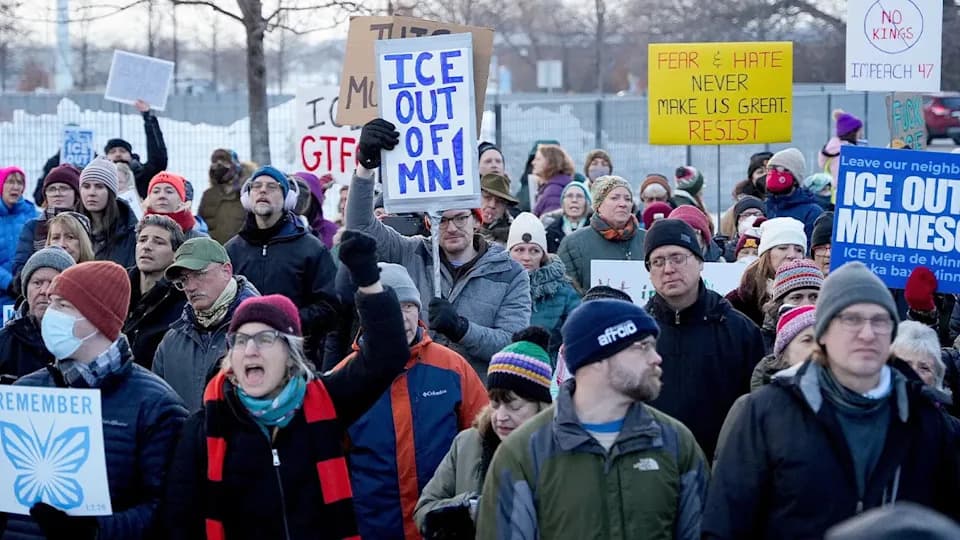
In a well-known Indian parable, five blind men touch different parts of an elephant and reach wildly different conclusions about what the animal is. The controversy over the shooting of Renee Nicole Good, 37, has taken on that parable’s logic: observers pick fragments of the incident to support preexisting beliefs rather than considering the full context.
This opinion piece examines the competing narratives that emerged after the release of cellphone video from the ICE officer involved, the statements by public officials, and the legal standards that govern use of force. It urges readers to assess evidence in its entirety rather than select sensational details.
Selective Focus and Political Rhetoric
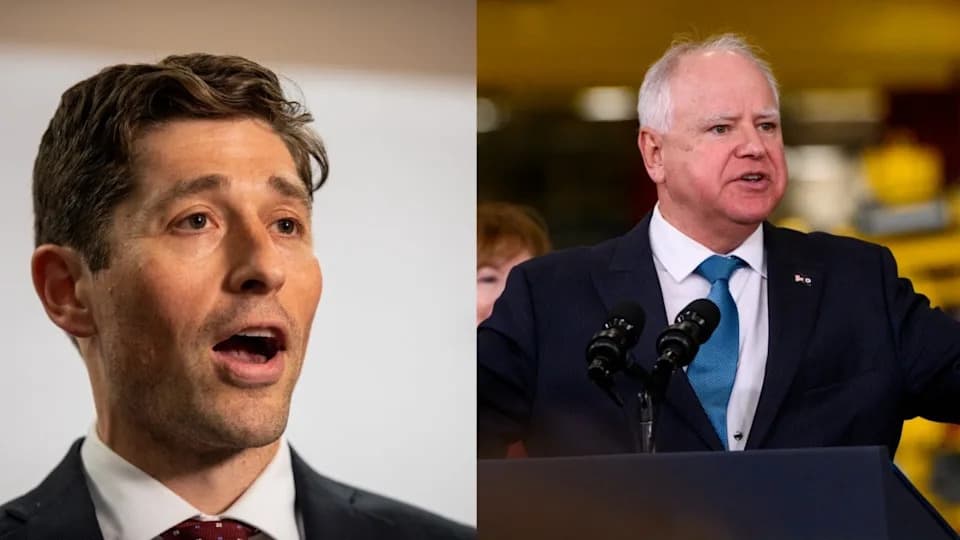
Minneapolis Mayor Jacob Frey immediately denounced the officer as a murderer and later criticized federal officials for rushing to judgment. He also made a statistical claim — that 50 percent of the city’s shootings this year were committed by ICE — which, given how early in the year the remark was made, highlighted how raw figures can mislead when taken out of context.
Across the political spectrum, commentators and activists replayed isolated seconds of video, slowed footage, and emphasized particular words or gestures. Some highlighted Renee Good’s final statement — 'That’s fine dude, I’m not mad at you, I’m not mad at any of you' — as evidence of a peaceful encounter. Others pointed to taunts and obstruction by Good and her partner, including reported provocations such as 'Do you want to come at us? ... go and get yourself some lunch, big boy.'
What the Video and Record Show
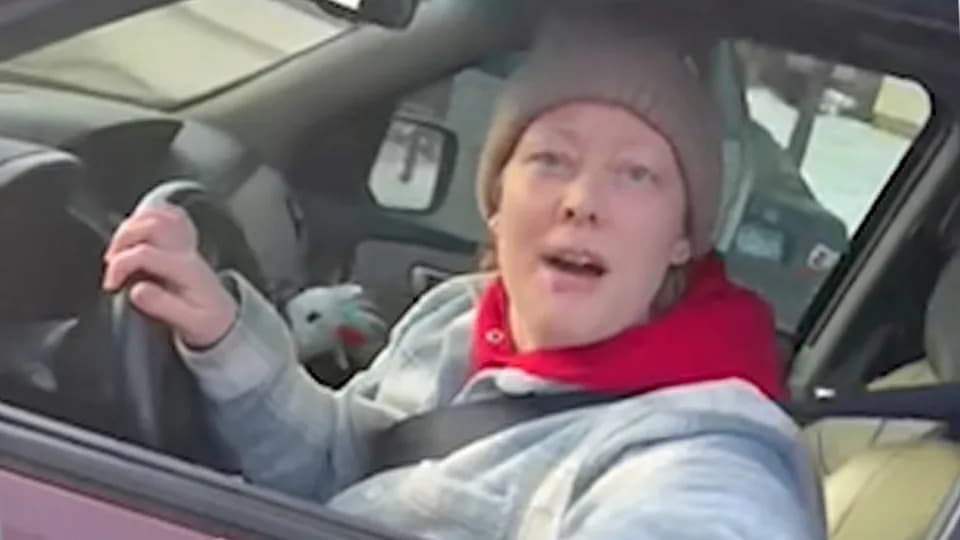
The recently released footage from the ICE officer’s cellphone appears to show an officer struck by a vehicle while giving commands and another officer reaching into the car. The driver is reported to have been urged by a passenger to 'drive, drive, drive' as the vehicle moved. Reasonable observers can disagree about whether the officer's response was justified; what matters legally is how a reasonable officer on the scene would have perceived the threat in the available split seconds.
'The reasonableness of a particular use of force must be judged from the perspective of a reasonable officer on the scene, rather than with the 20/20 vision of hindsight.'
Legal Framework and Likely Paths Forward
Legal guidance — including Justice Department memoranda and Supreme Court precedent such as Graham v. Connor (1989) — requires courts to consider the 'totality of the circumstances.' Factors include the severity of the suspected offense, whether the suspect is attempting to evade arrest, and the immediacy of any threat to officers or bystanders.
Based on the footage and account now available, the record tends to focus on Good’s conduct rather than her intent. The officer’s video suggests a fraction-of-a-second decision after contact between the vehicle and an officer. That record will shape both potential criminal and civil proceedings: state charges could be removed to federal court, and the officer may invoke qualified immunity or other defenses.
Why Full Context Matters
Debates over vehicle speed, wheel angle, or isolated phrases miss the point if they are used to draw categorical conclusions without weighing all evidence. The central legal question is whether a reasonable officer in the moment could have believed deadly force was necessary to prevent imminent harm.
As investigations continue, the public and officials should refrain from premature verdicts. The parable of the blind men and the elephant is a useful reminder: selective observation can create very different — and often misleading — narratives. In a polarized moment, careful attention to the whole record is especially important.
Jonathan Turley is a law professor and the author of the forthcoming Rage and the Republic: The Unfinished Story of the American Revolution.
Help us improve.