An ICE officer fatally shot a woman in Minnesota, and released footage shows officers approaching a stopped vehicle before the driver accelerated and struck an officer. Conflicting eyewitness accounts and ambiguous video have not prevented strong, polarized reactions from state leaders, members of Congress, and commentators. The author warns that rushed judgments and incendiary rhetoric risk escalating unrest and calls for a careful, transparent investigation.
Minnesota Shooting: Leaders’ Rush to Judgment Risks More Violence
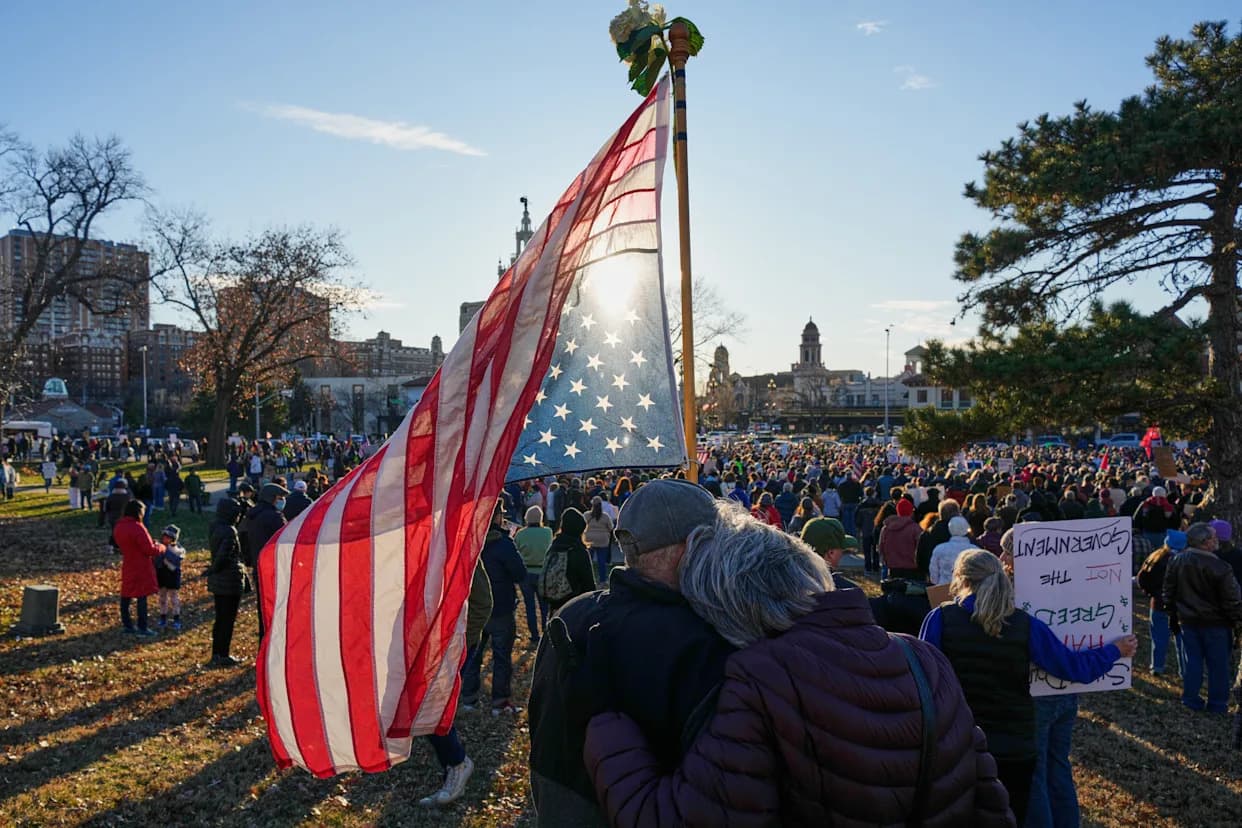
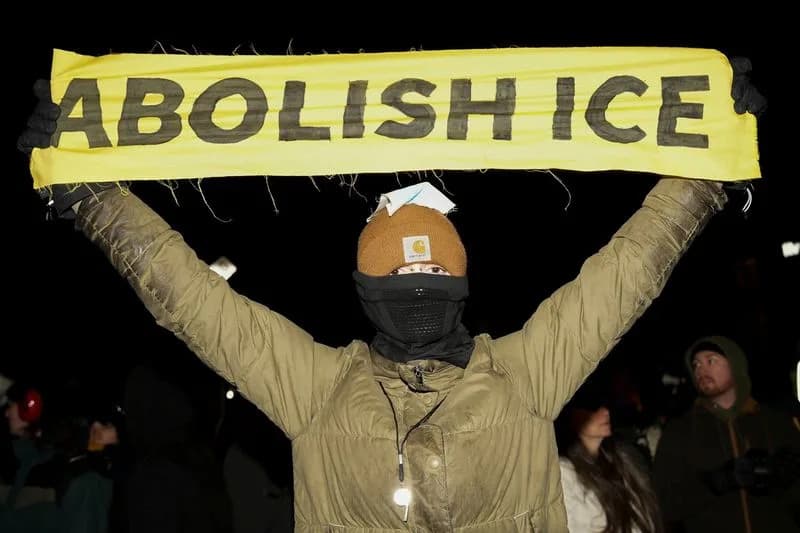
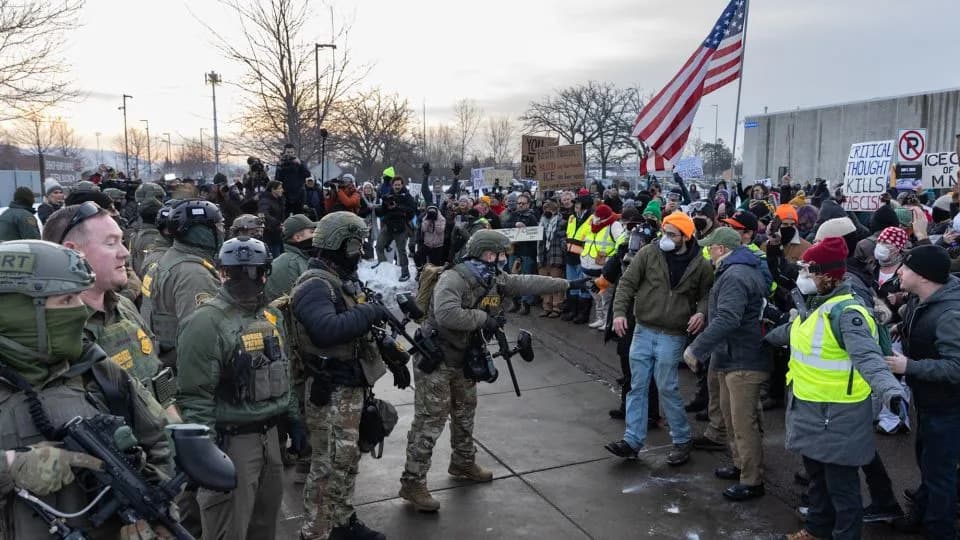
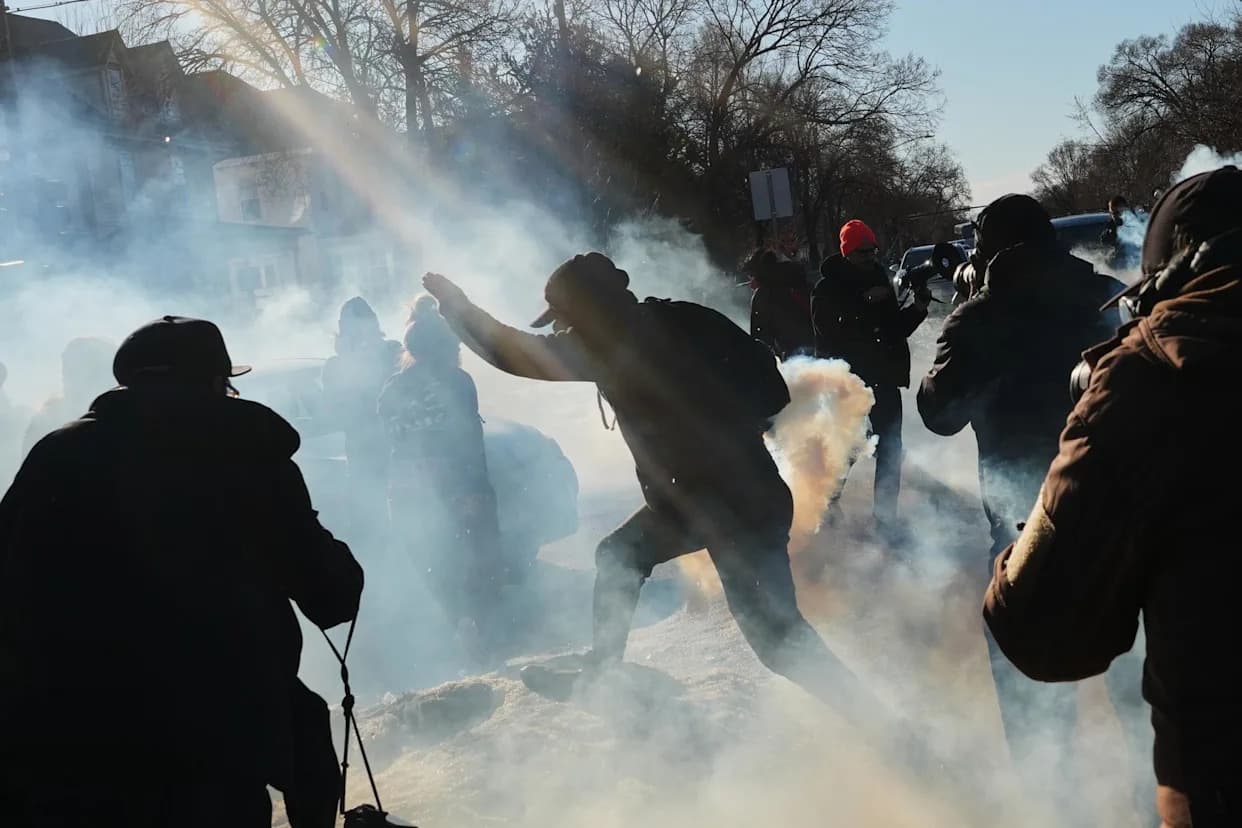
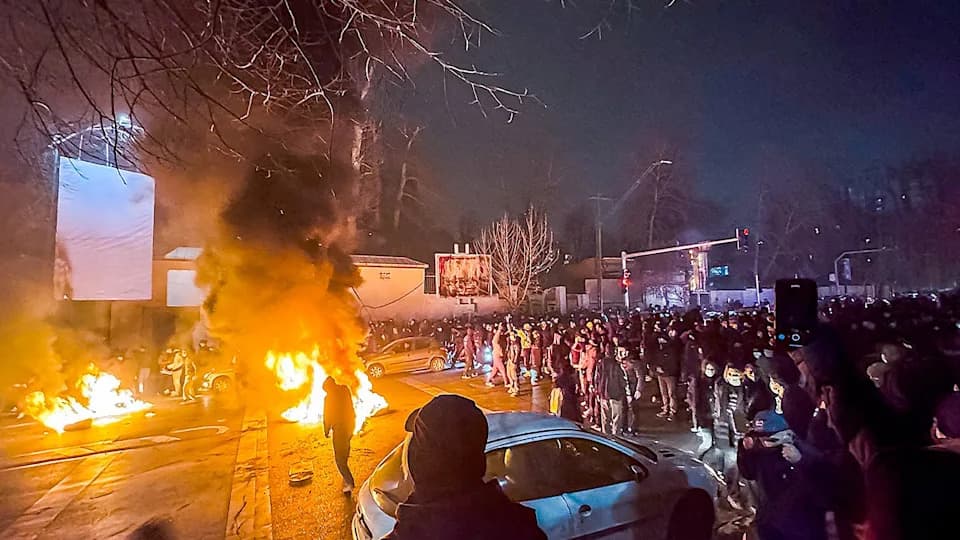
An immigration-enforcement officer shot and killed a woman in Minnesota last week, deepening unrest in a state already confronting controversy. The episode — captured in cellphone and surveillance video that various observers have interpreted differently — has prompted heated, polarized responses from political leaders and commentators.
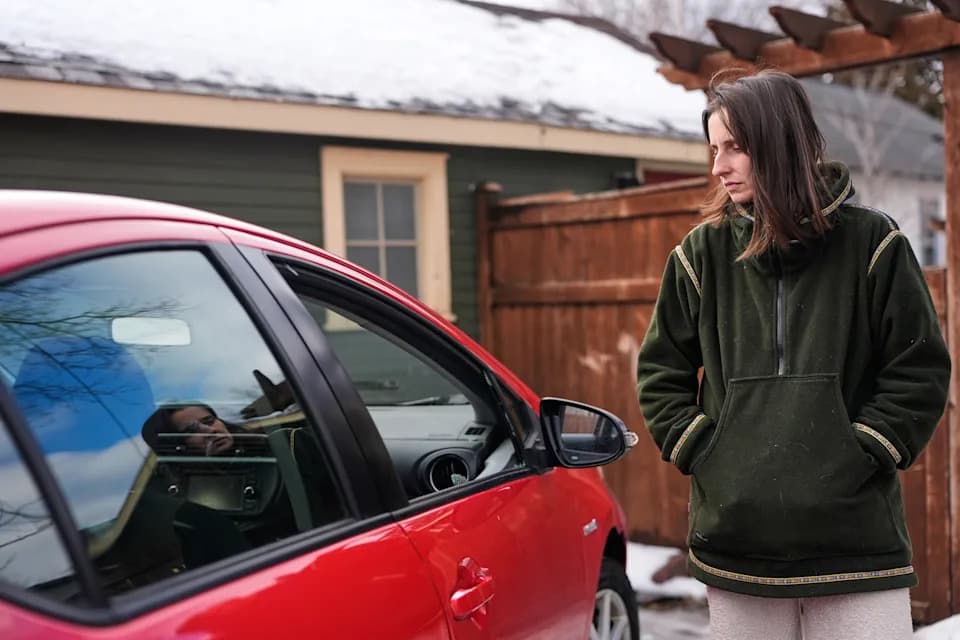
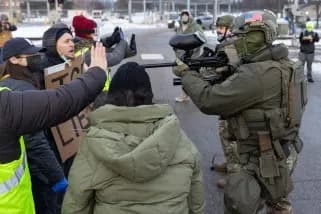
What the footage shows. Video released Friday shows at least three ICE officers approaching a vehicle that had stopped in the street and blocked law-enforcement traffic. Officers repeatedly ordered the driver to exit. According to the released footage, the driver then put the car into drive; the vehicle struck an officer standing in front of it and an agent drew his firearm and fired, killing the motorist.
Ambiguity and conflicting accounts. Before Friday’s video, available clips and eyewitness reports left critical questions unanswered. Accounts about the woman’s role that morning differed: some called her a "legal observer" monitoring ICE activity, others said she had been returning home after dropping a child at school. The footage itself remains subject to differing interpretations; the Department of Homeland Security has said the officer acted in self-defense.
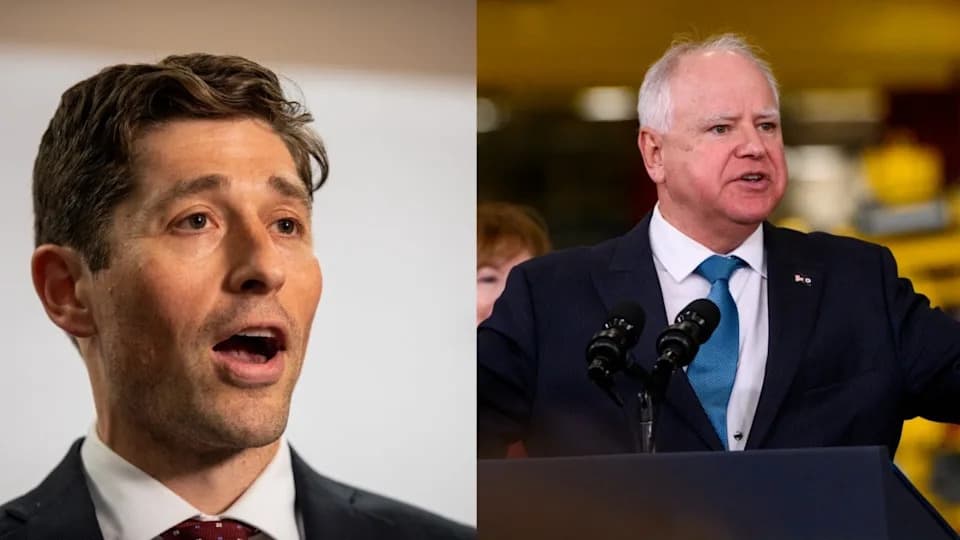
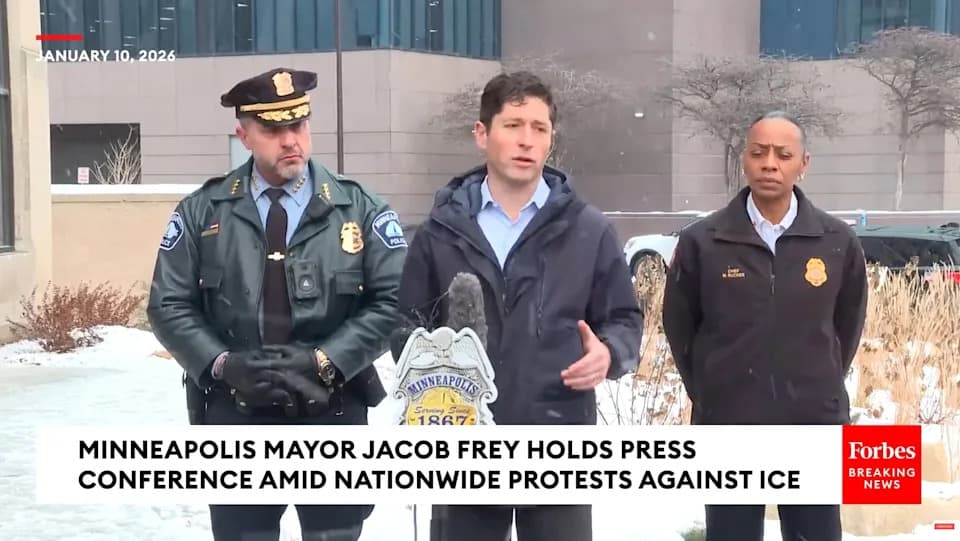
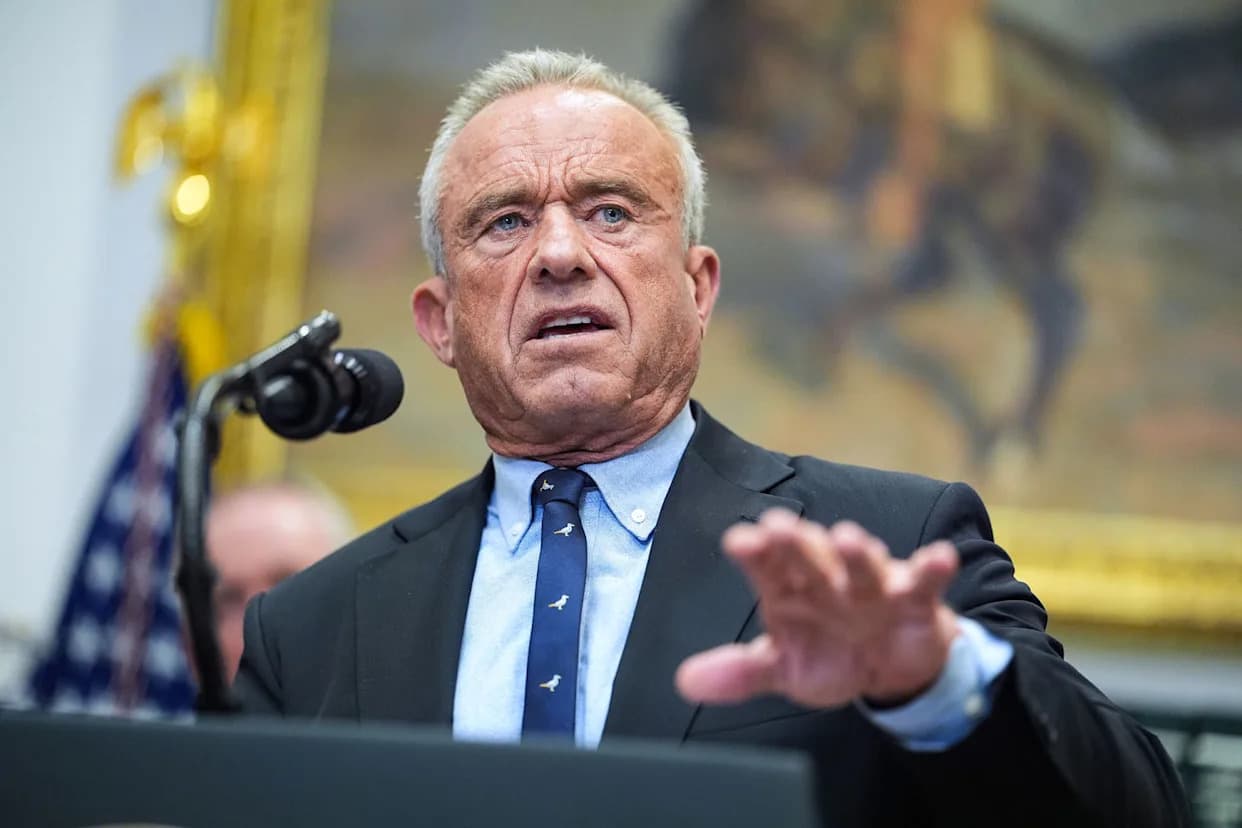
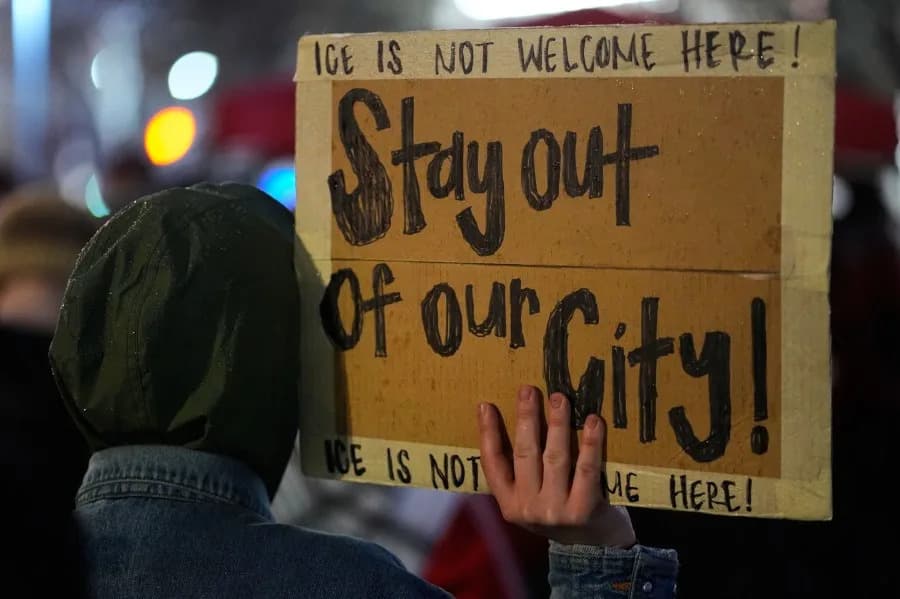
Political and public reaction. Minnesota Governor Tim Walz ordered the National Guard to support local and state police and sharply criticized federal law-enforcement activity, saying Minnesota was under pressure from federal forces. Minneapolis Mayor Jacob Frey demanded that ICE leave the city and publicly condemned the agency. Members of Congress and other national figures offered strong, partisan statements — from calling the shooting "state-sanctioned violence" to labeling the motorist a "domestic terrorist." Some pro-Trump lawmakers suggested punitive steps against state officials.
Media and commentary. Much mainstream reporting has aimed to be cautious; some headlines and opinion pieces, however, took more definitive or emotional stances before facts were fully established. As my colleague Noah Rothman observed, “This is one of those moments where we could use a minimally responsible commentary/political class.” Too often, pundits rushed to legal judgments or offered speculative analysis from shaky cellphone footage.
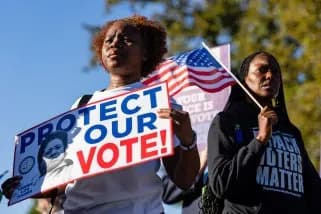
Why this matters. When elected officials and influential commentators adopt extreme positions before investigations conclude, they can inflame tensions and deepen polarization. In a charged environment, premature verdicts risk provoking further unrest and undermine public trust in the investigative process.
What’s needed. Careful, transparent investigation and clear communication from law-enforcement and political leaders are essential. The legal and factual questions in this case — including the officer’s perception of imminent danger, the woman’s intentions, and the context of the encounter — should be resolved through an independent review and due process rather than through immediate partisan spectacle.
T. Becket Adams is a journalist and media critic in Washington.
Help us improve.