After the 7 January killing of Renee Nicole Good by a federal immigration agent, viral videos drew a sustained swarm of local and international reporters to Minneapolis. A strong local media ecosystem—led by the Star Tribune and Minnesota Public Radio—combined with national teams to provide continuous coverage amid ongoing protests and further incidents. Newsrooms described rapid mobilization, difficult editorial choices (including naming the officer, Jonathan Ross) and the challenge of verifying competing accounts while protecting staff and sources.
After the Minneapolis ICE Shooting: How Local and National Newsrooms Covered the Fallout
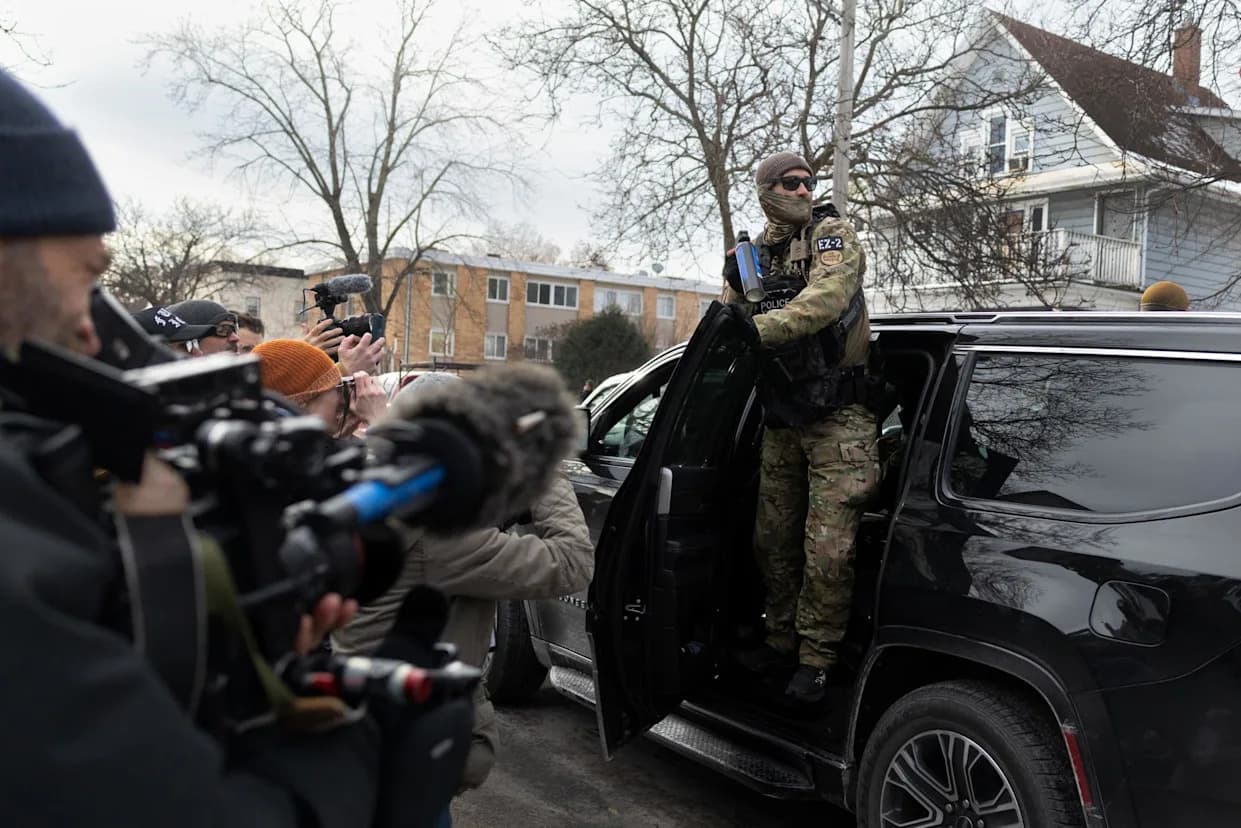
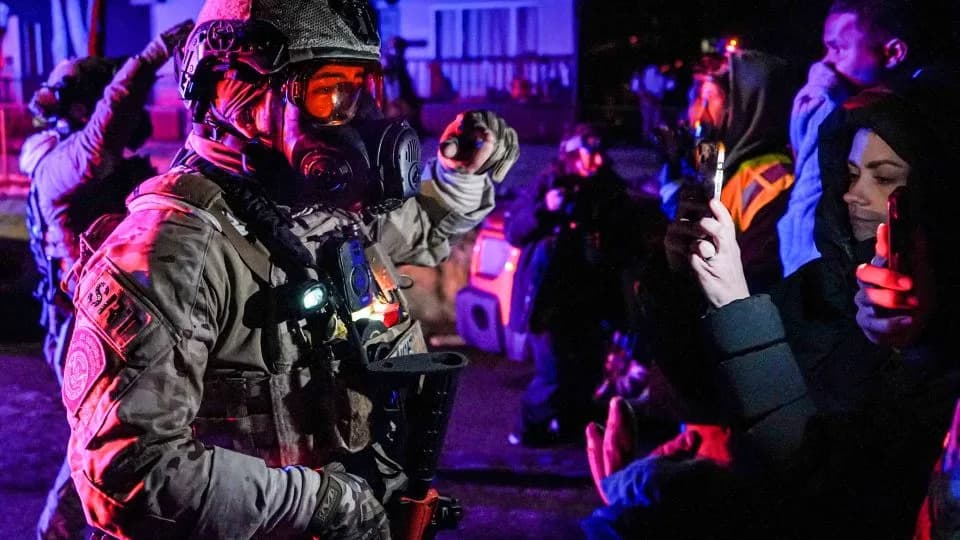
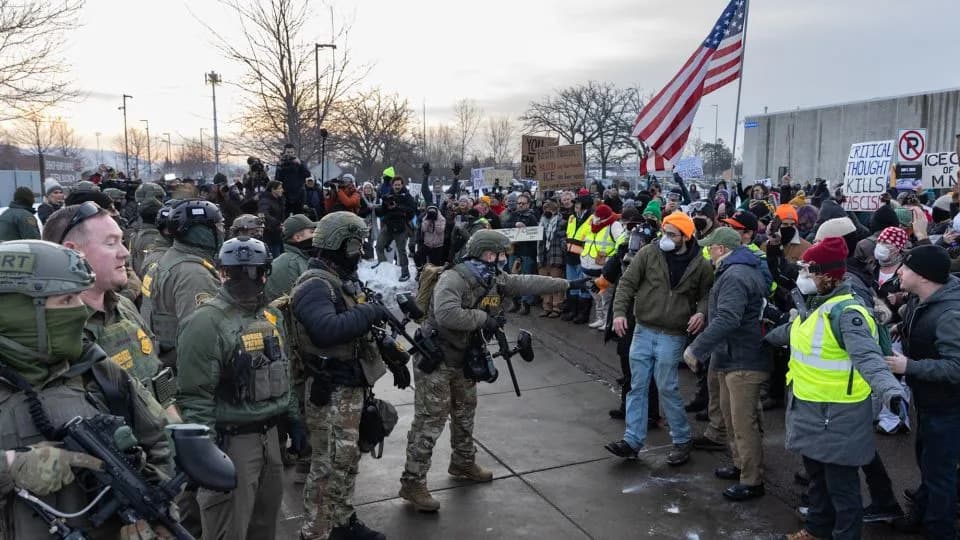
Border pattrol agents are confronted by activists and journalists on 11 January 2026 in Minneapolis, Minnesota.Photograph: Scott Olson/Getty Images(Photograph: Scott Olson/Getty Images)
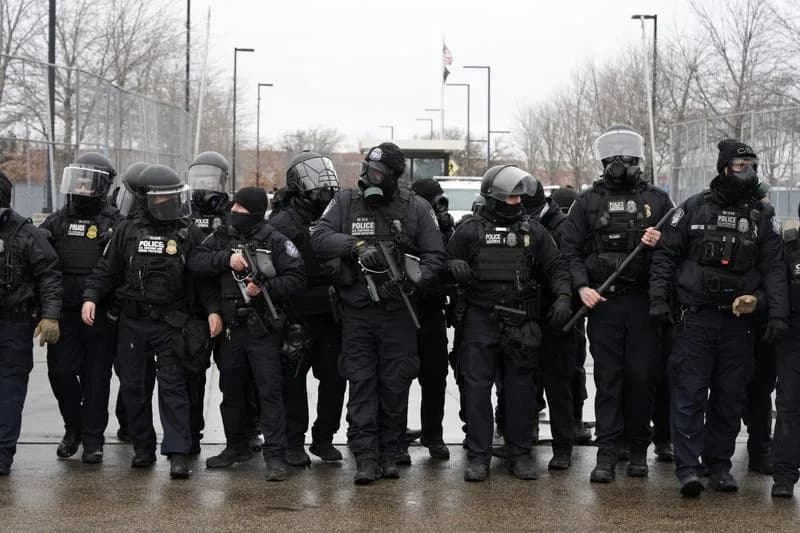
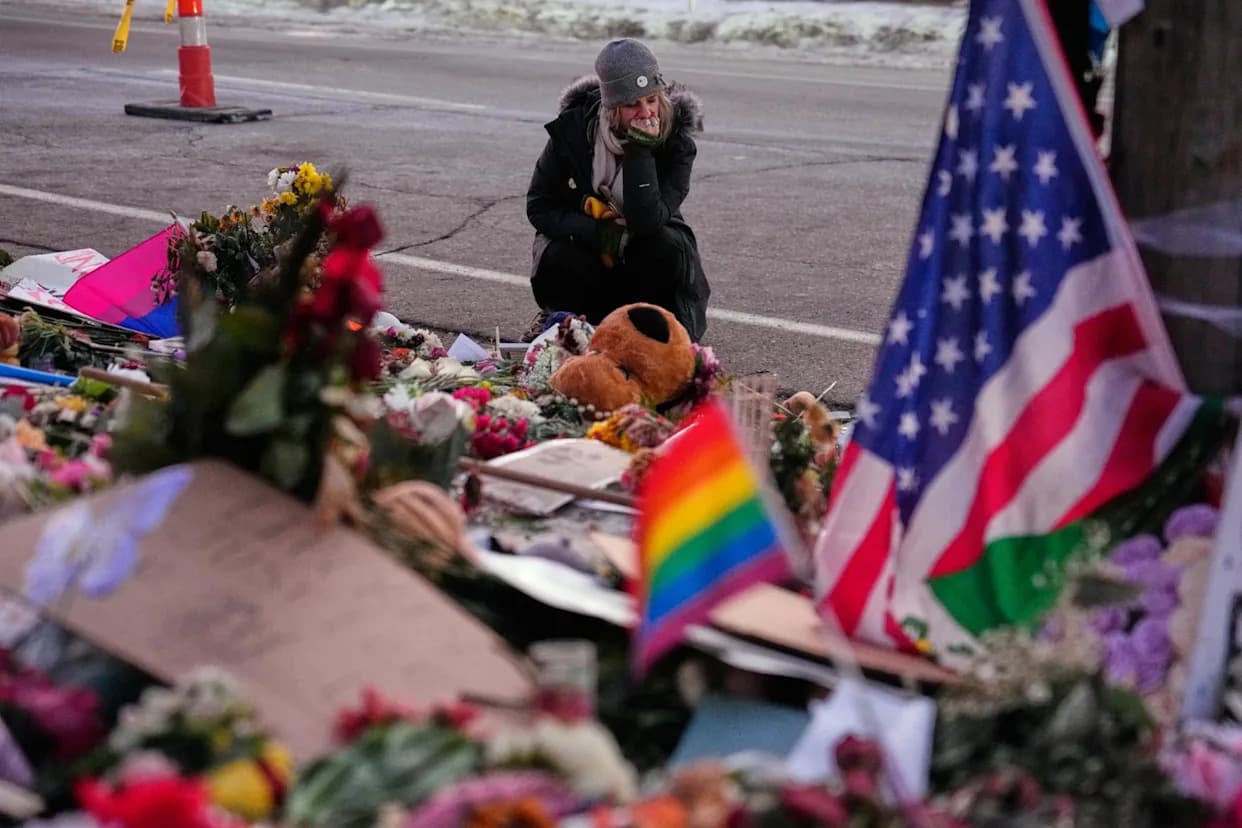
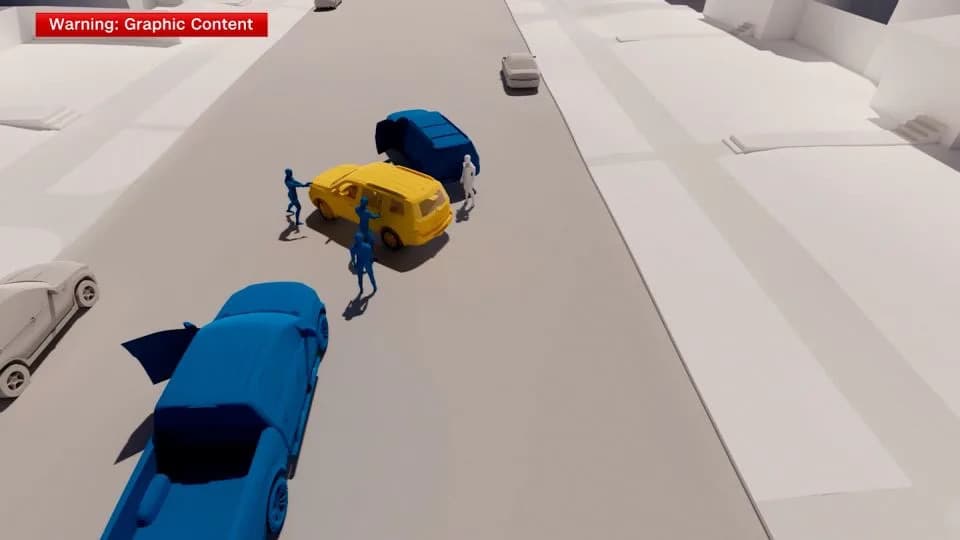
After a federal immigration agent shot and killed 37-year-old Renee Nicole Good in Minneapolis on 7 January, grisly videos circulated widely on social media and prompted intense local, national and international coverage. Reporters from legacy and digital outlets converged on the neighborhood to document protests, official responses and unfolding confrontations with law enforcement.
Robust Local Media, Sustained National Attention
Despite newsroom cutbacks in many U.S. markets, Minneapolis’s media ecosystem has remained comparatively strong. Outlets such as the Star Tribune and Minnesota Public Radio, along with community-focused organizations like the Sahan Journal, provided continual local reporting while national teams—The Guardian, major broadcast networks and cable outlets—kept a sustained presence. Conservative outlets such as Alpha News also drew attention when they published cell-phone video reportedly shot by the ICE officer involved.
Why Journalists Stayed
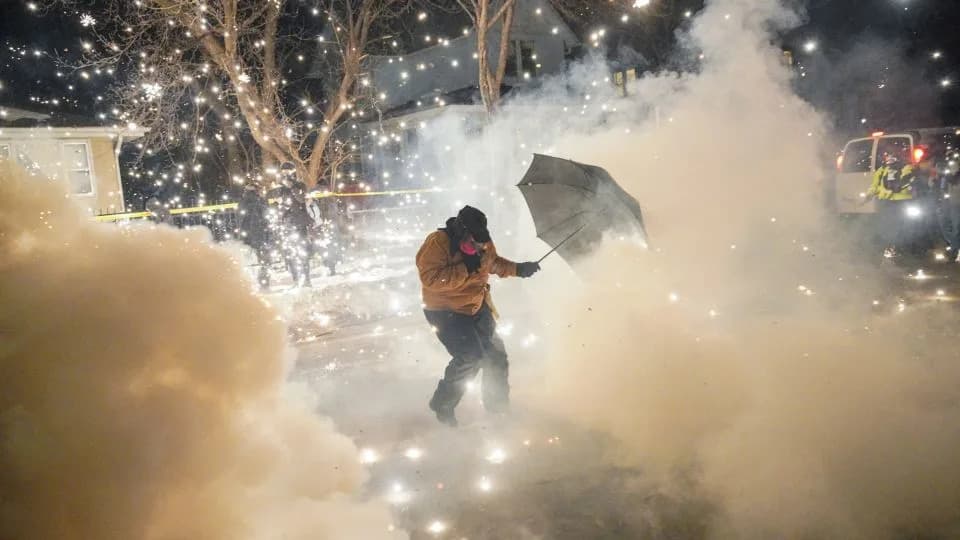
Journalists and newsroom leaders said residents often welcomed national coverage because local action alone could not resolve the broader policy and enforcement questions the incident raised. With ongoing protests, additional incidents (including another shooting authorities said involved a man allegedly trying to flee arrest) and reports of a CNN crew struck by projectiles while covering an ICE protest, the story continued to evolve.
Editorial Decisions And Challenges
Newsrooms scrambled to verify footage, vet sources and make difficult editorial calls under pressure. The Star Tribune published the name of the ICE officer, Jonathan Ross, a decision that drew public criticism from a Department of Homeland Security press official who called the reporting "reckless". Star Tribune leadership said naming the officer was deliberate and carefully considered. Reporters also described the strain of prolonged on-the-ground coverage—fast mobilization, constant vetting of user-generated videos and staff fatigue from seismic news days.
Reporters On The Ground
Jimenez
Jimenez, 32, who has reported frequently in Minneapolis, arrived within hours of the shooting. He recalled being arrested on live television while covering the 2020 George Floyd protests and said those experiences keep him attentive to city stories. "There’s a balance: you don’t want to be the story, but you want to convey an authentic sense of place," he said. Jimenez and his crew at one point retreated from law enforcement officers after tensions escalated during a protest.
Hennessey (Star Tribune)
Hennessey, an editor with experience at the Associated Press and The New York Times, has led the Star Tribune through several high-profile state stories. Her roughly 200-person newsroom moved quickly when the Good shooting broke, she said, and emphasized that local reporters are uniquely positioned to understand and explain community context. The paper defended its decision to name the officer and said it was prepared for rapid, coordinated coverage.
Tabet
Tabet arrived in Minneapolis very early on a tip about an enforcement action and said his team prioritized vetting and editorial review before publishing graphic material. After nearly a week on the story he returned to headquarters but said the network remains committed to maintaining coverage.
Burks (Minnesota Public Radio)
Burks, who coordinates daily coverage for MPR, described a newsroom continually adjusting its rhythm as the story unfolded, focusing on answering audience questions and choosing coverage areas where they could add the most value rather than trying to replicate every report from other outlets.
Sganga
Sganga arrived in Minneapolis shortly before the shooting and has conducted on-the-ground reporting, including ride-alongs and interviews with national figures. She said her reporting philosophy is simple: "Get there, bear witness, ask questions." She emphasized that in-person reporting enables journalists to press officials on conflicting accounts and verify facts independently.
Why It Matters
This coverage illustrates how local knowledge and national resources combine during a major breaking story: local outlets provide context and sustained community access, while national teams amplify developments and hold federal actors to account. As the situation continues to evolve, newsrooms say they will remain focused on verification, safety and explaining competing narratives to the public.
Help us improve.