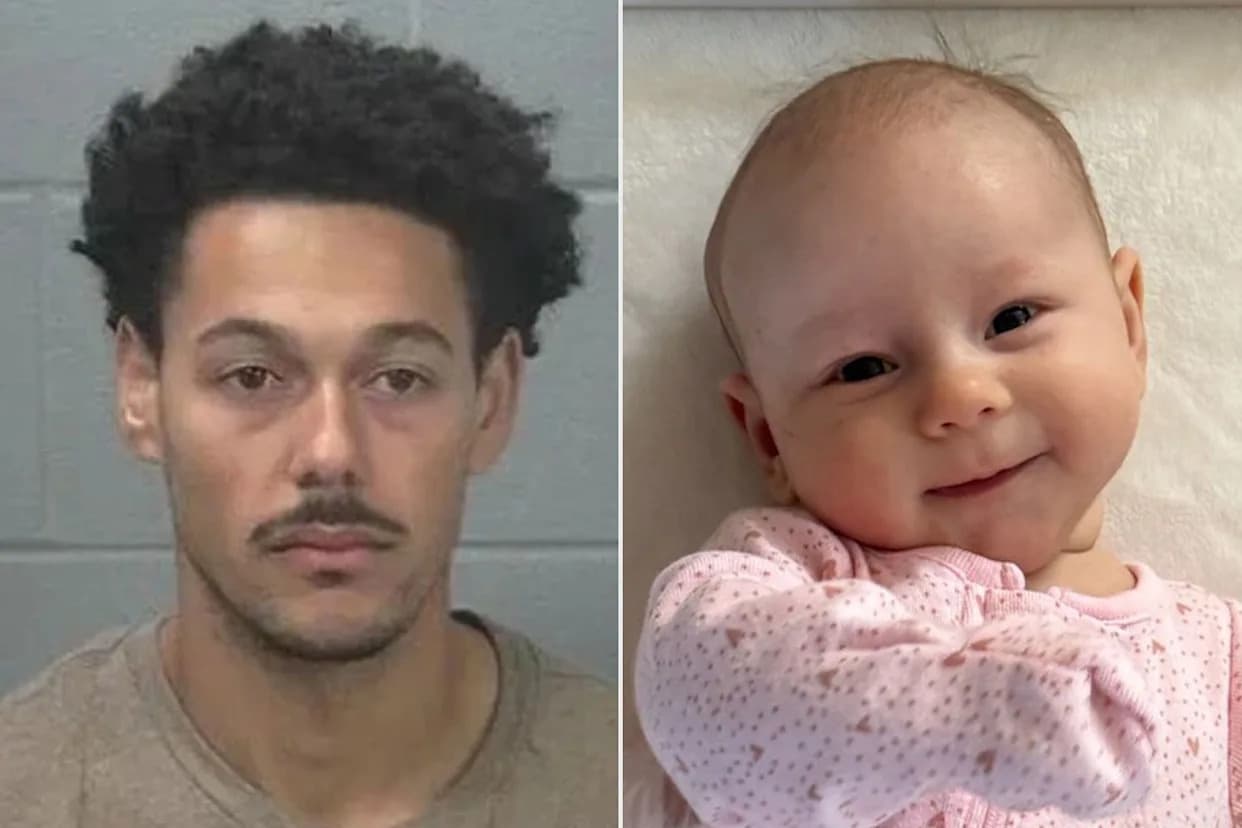
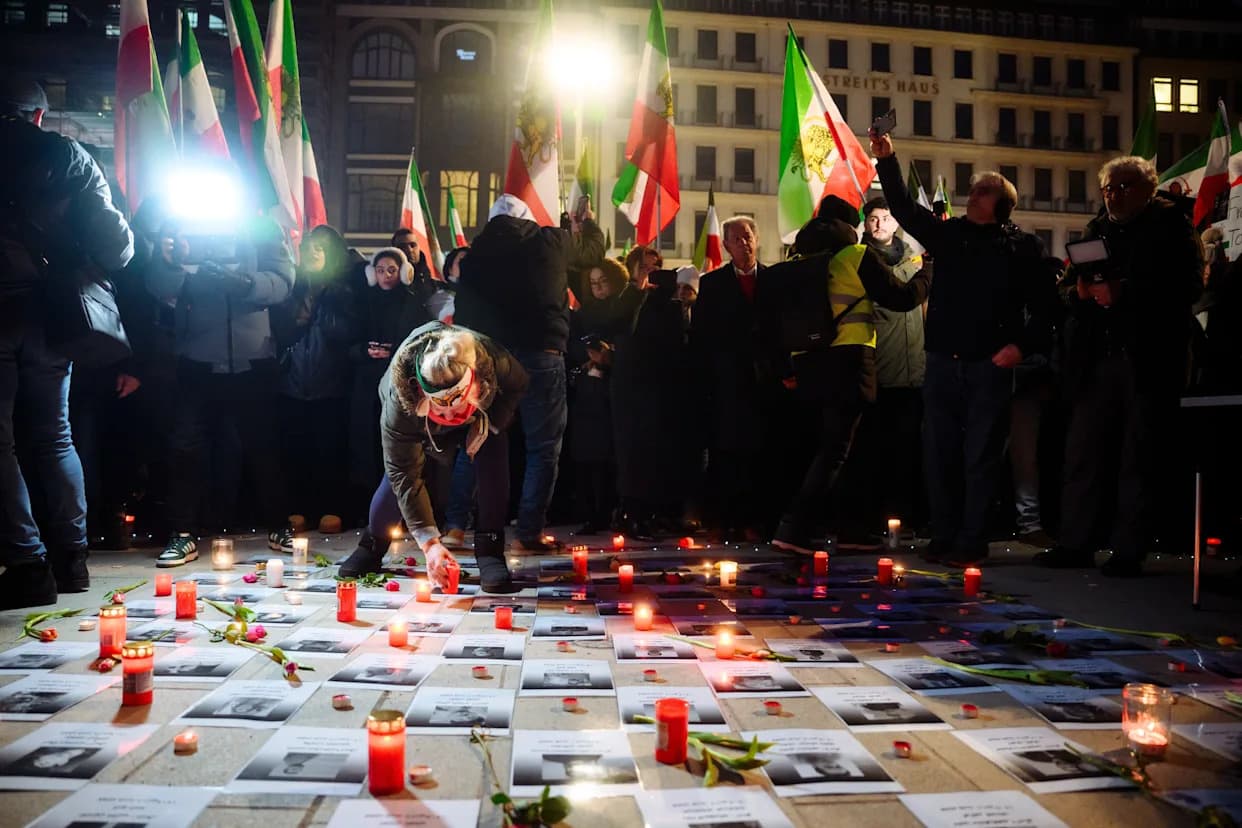
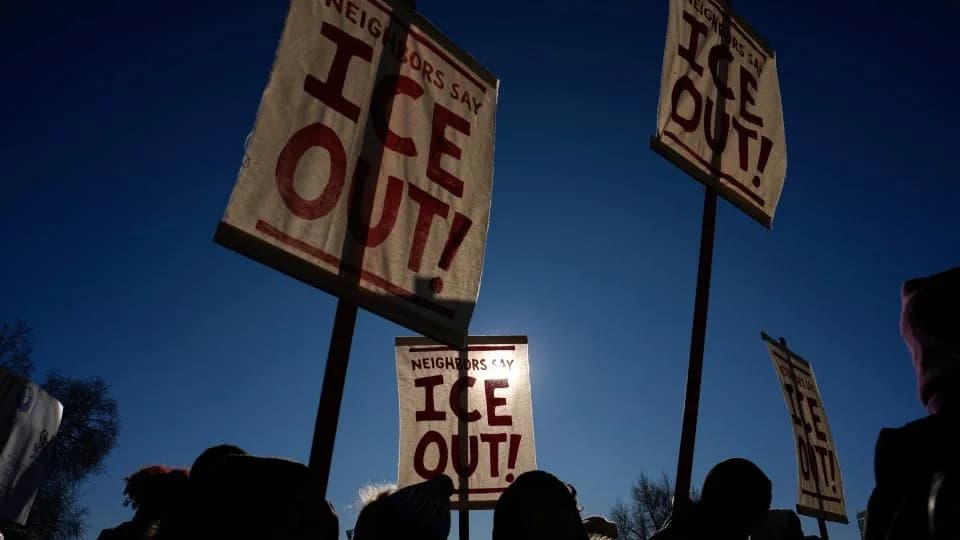
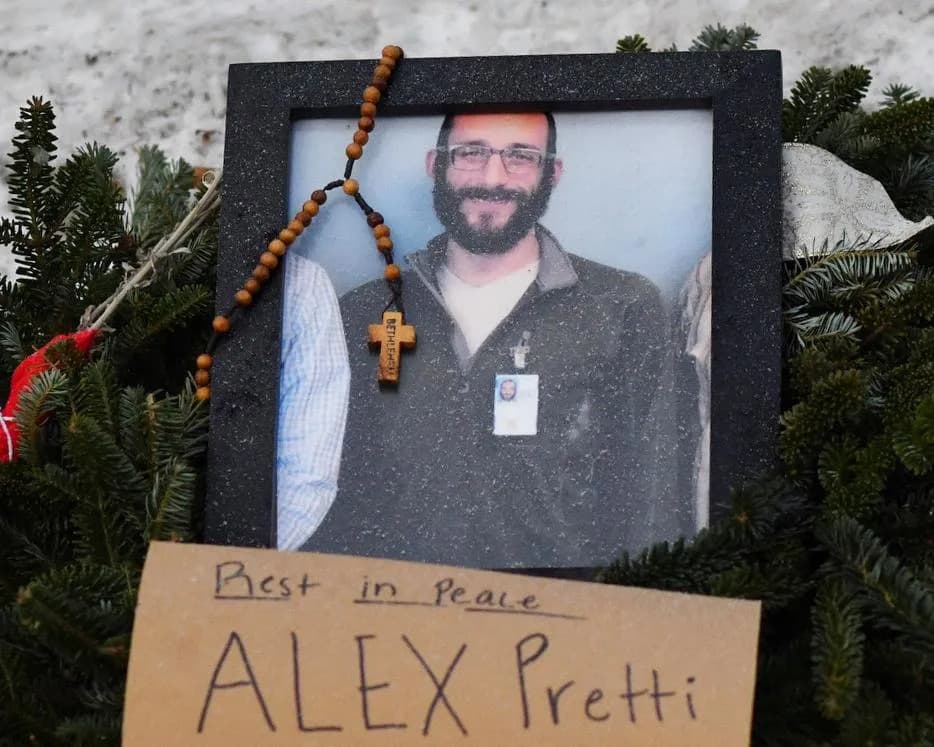
The Department of Homeland Security quickly defended two fatal shootings of Minneapolis protesters—by ICE agent Jonathan Ross and by Border Patrol agents—statements that video footage and legal actions later called into question. Footage suggests Renee Good did not deliberately try to run down an officer, and that Alex Pretti, a 37-year-old ICU nurse, did not clearly brandish a weapon before agents tackled and then shot him. Critics warn DHS prematurely exonerated its personnel and urged independent scrutiny; a federal judge ordered DHS not to destroy or alter evidence.
DHS Officials Prematurely Exonerate Agents in Two Fatal Minneapolis Protest Shootings — Video and Judge Challenge Their Account
DHS Again Promises a Thorough Investigation of a Fatal Shooting After Prejudging the Outcome
Within hours of two separate protest-related deaths in Minneapolis, Department of Homeland Security (DHS) officials publicly portrayed both incidents as clear-cut cases of justified force — claims that quickly drew scrutiny from video footage, local investigators, and a federal judge.
What Happened
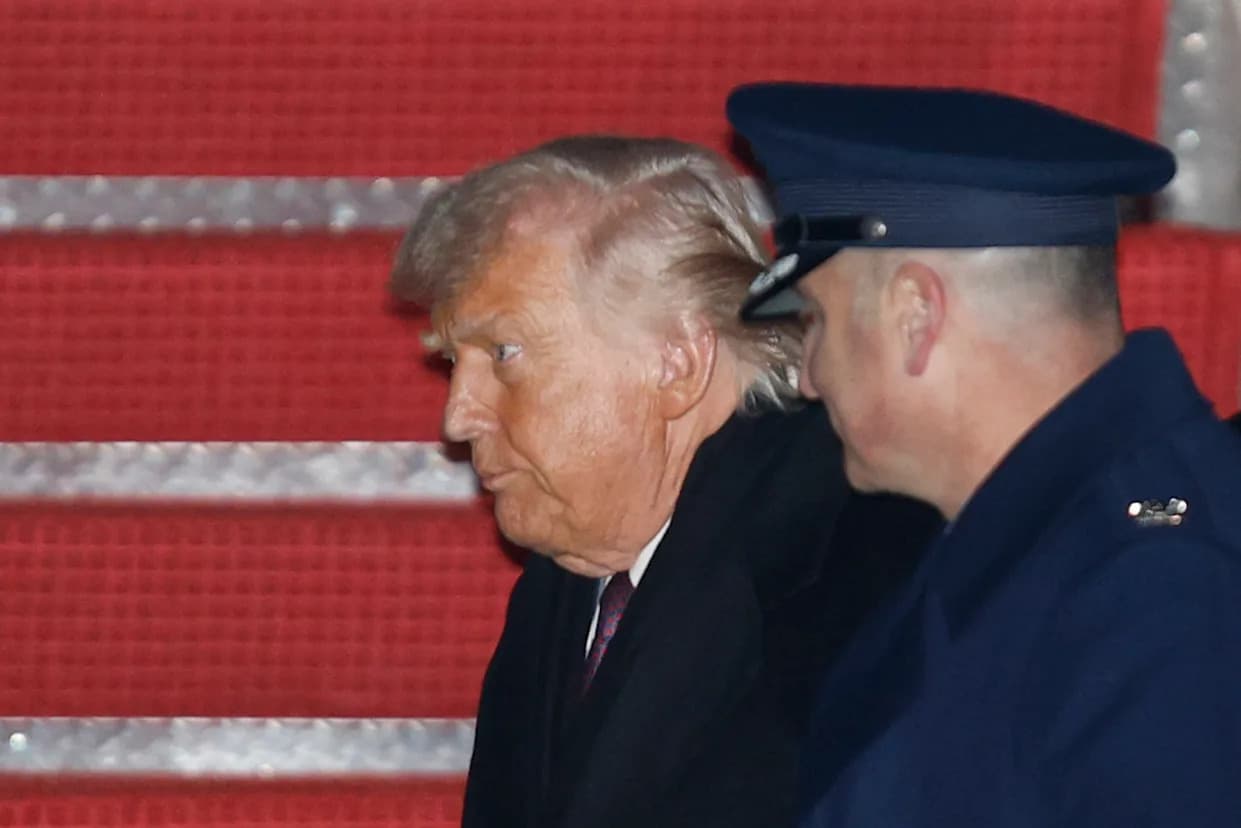
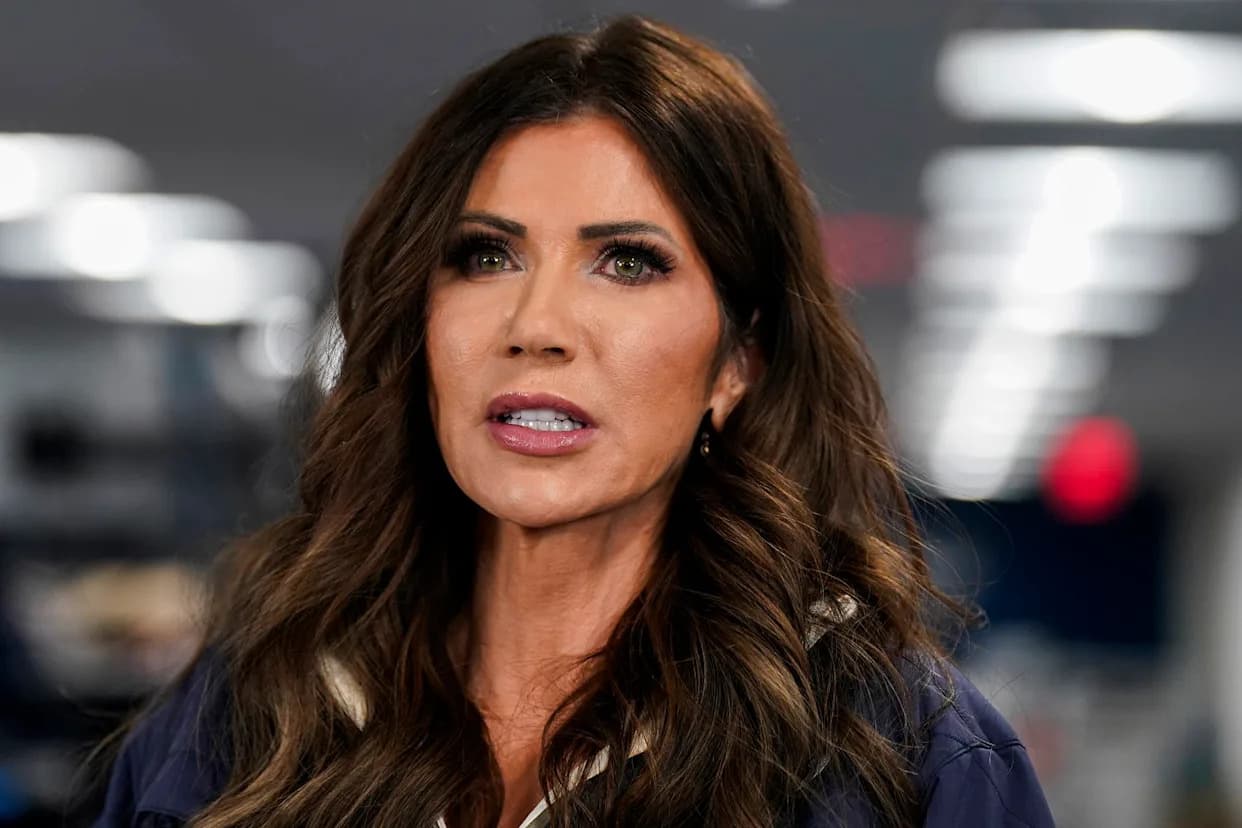
On January 7, an ICE agent, Jonathan Ross, fatally shot 37-year-old protester Renee Good. Secretary of Homeland Security Kristi Noem immediately described Good's actions as "domestic terrorism," asserting she had "weaponize[d] her vehicle" and "attempted to run a law enforcement officer over," and said Ross' "defensive shots" were justified.
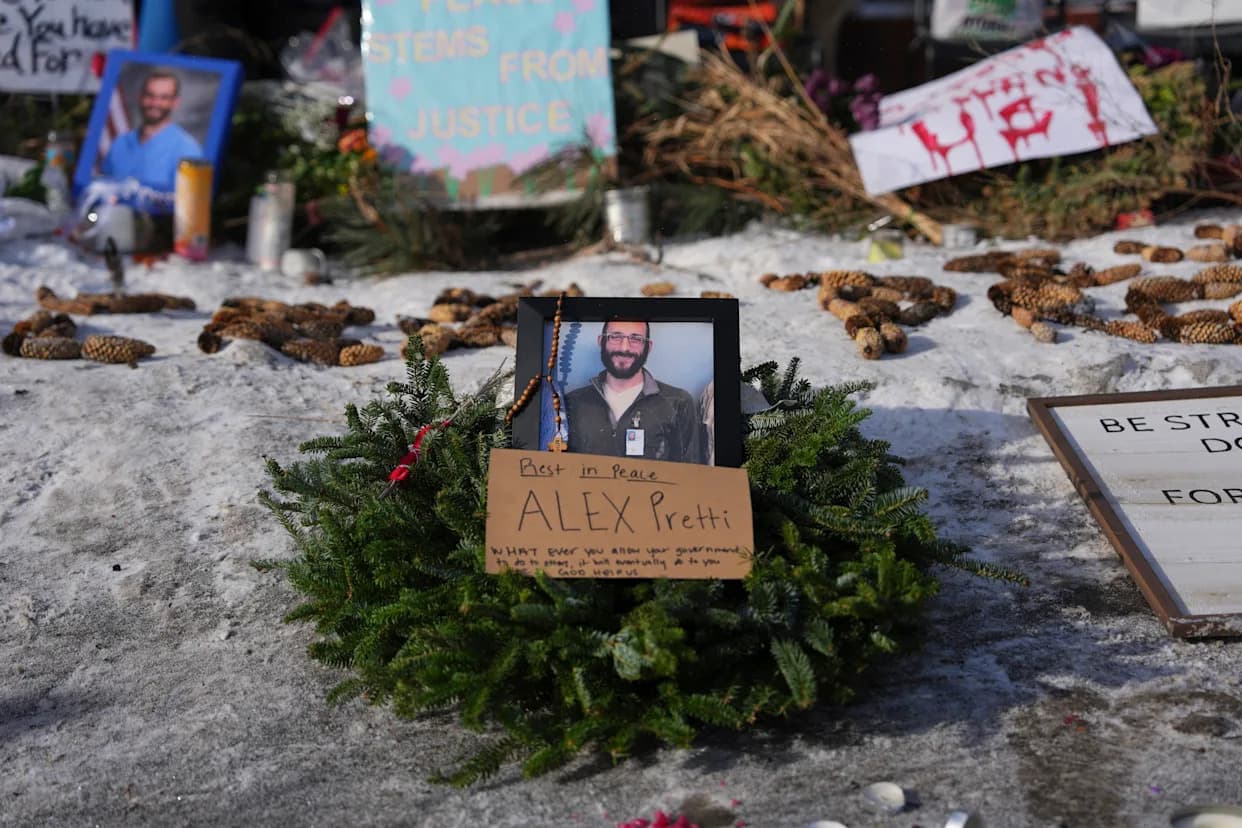
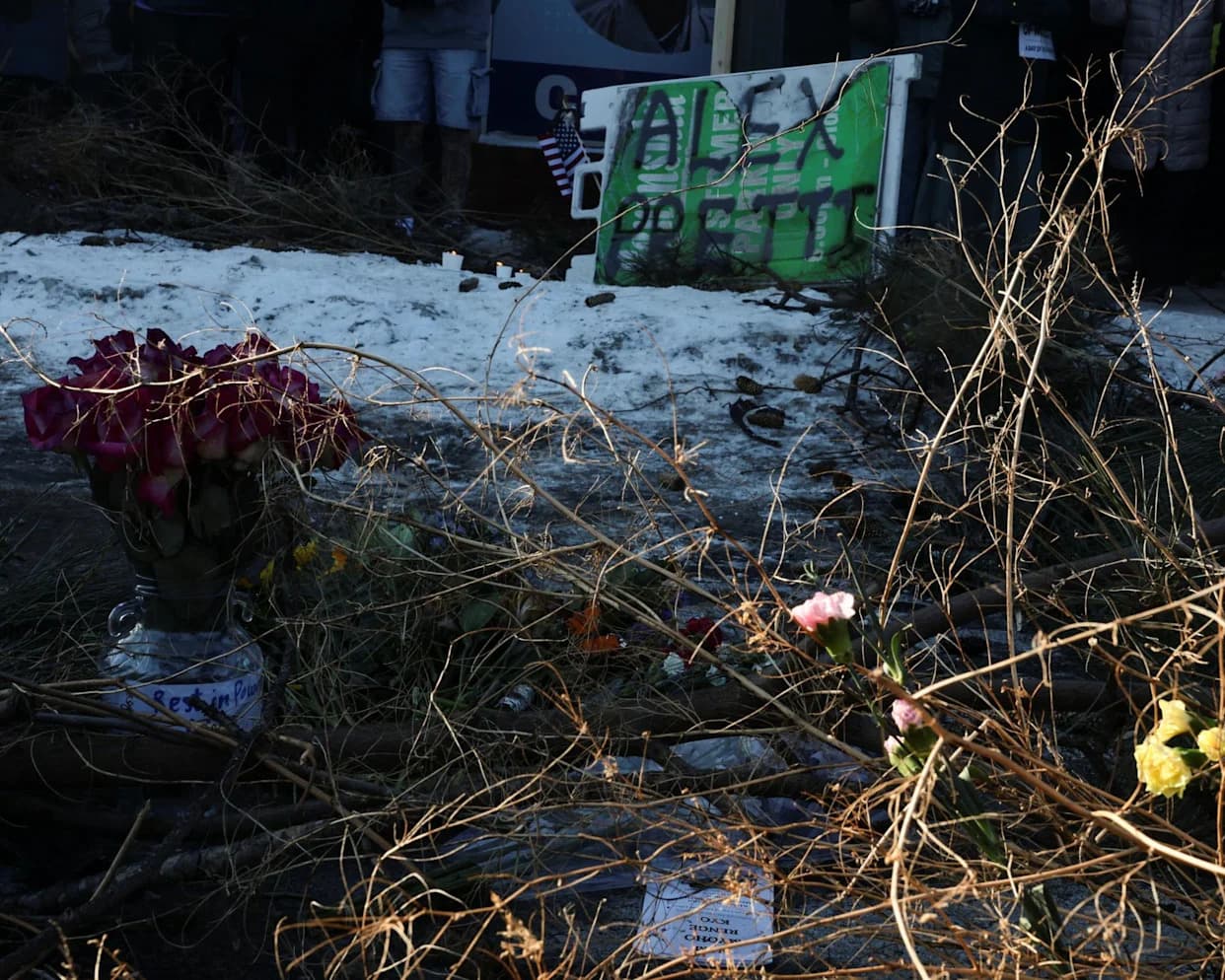
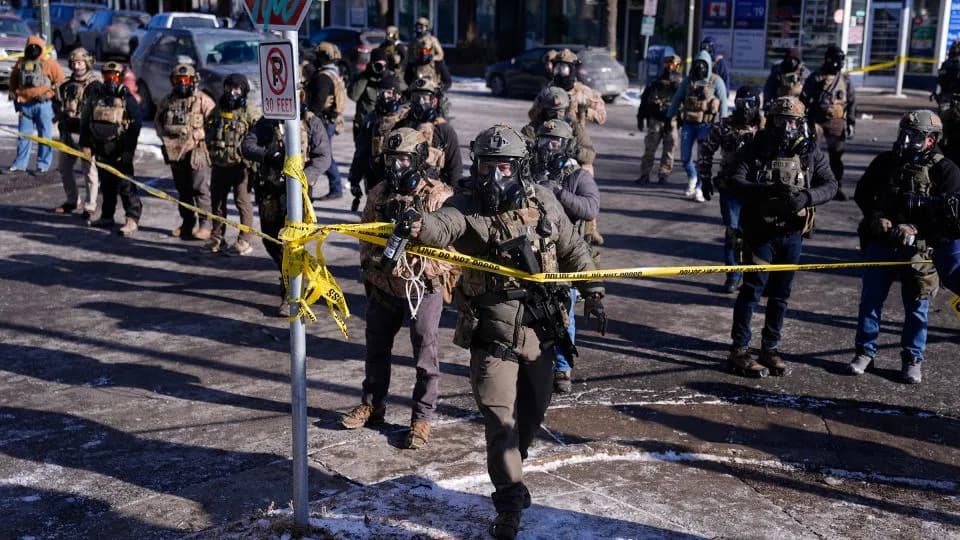
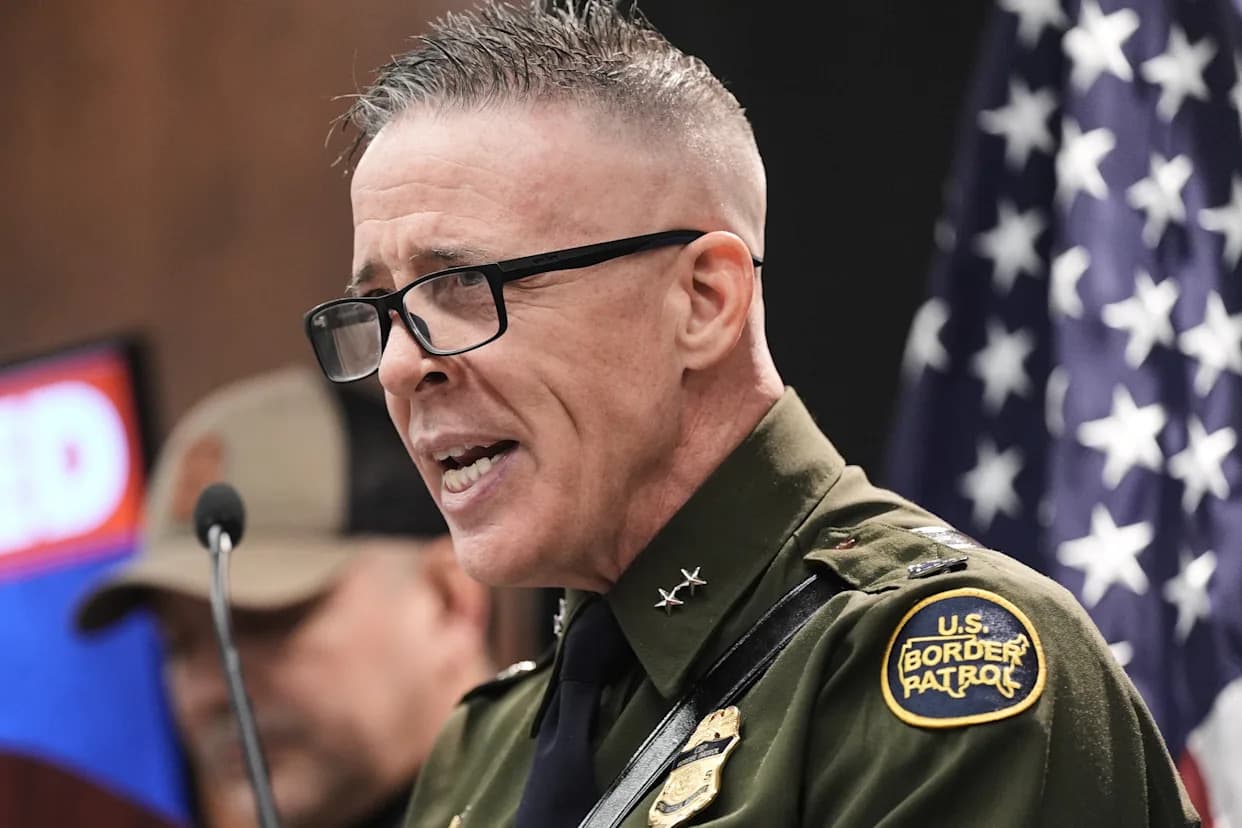
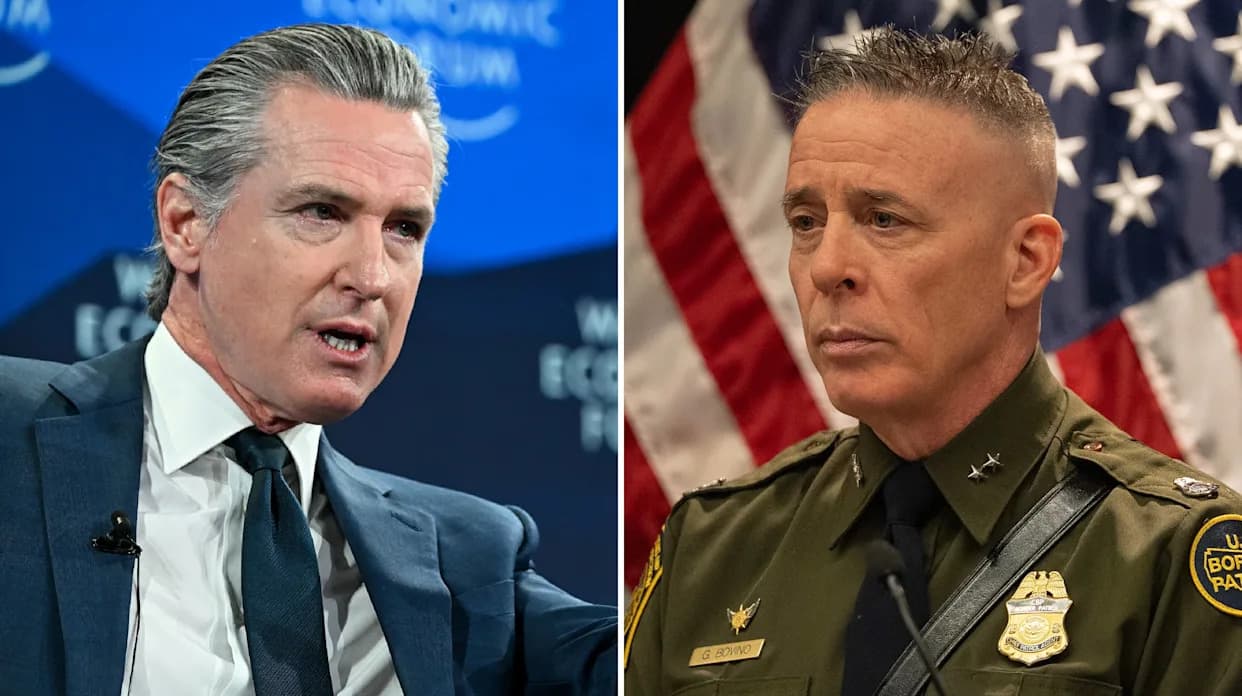
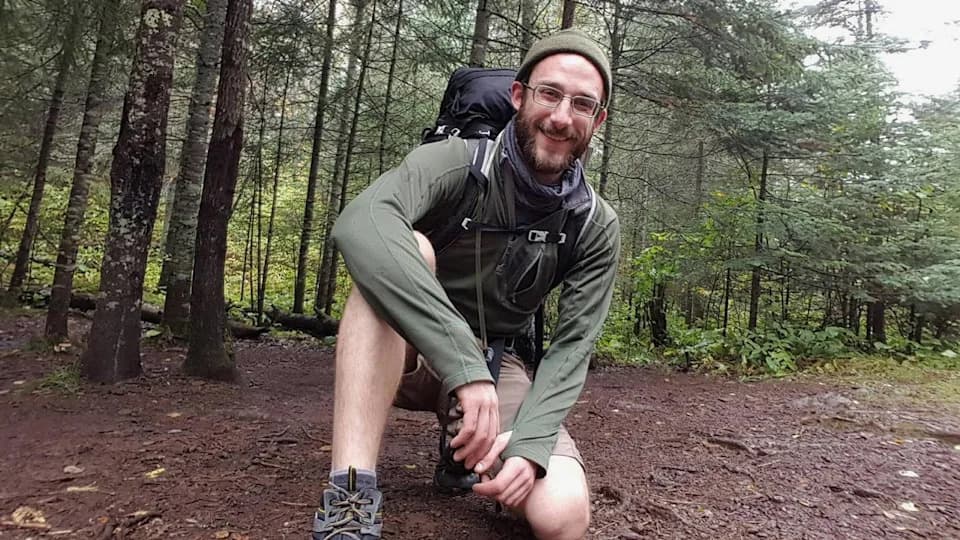
Days later, U.S. Border Patrol agents killed 37-year-old protester Alex Pretti, an ICU nurse and U.S. citizen with no known criminal record. Noem and Border Patrol Commander Gregory Bovino characterized the encounter as an attack on officers, saying Pretti was armed, had large amounts of ammunition, and was "brandishing" a gun.
What The Video Shows
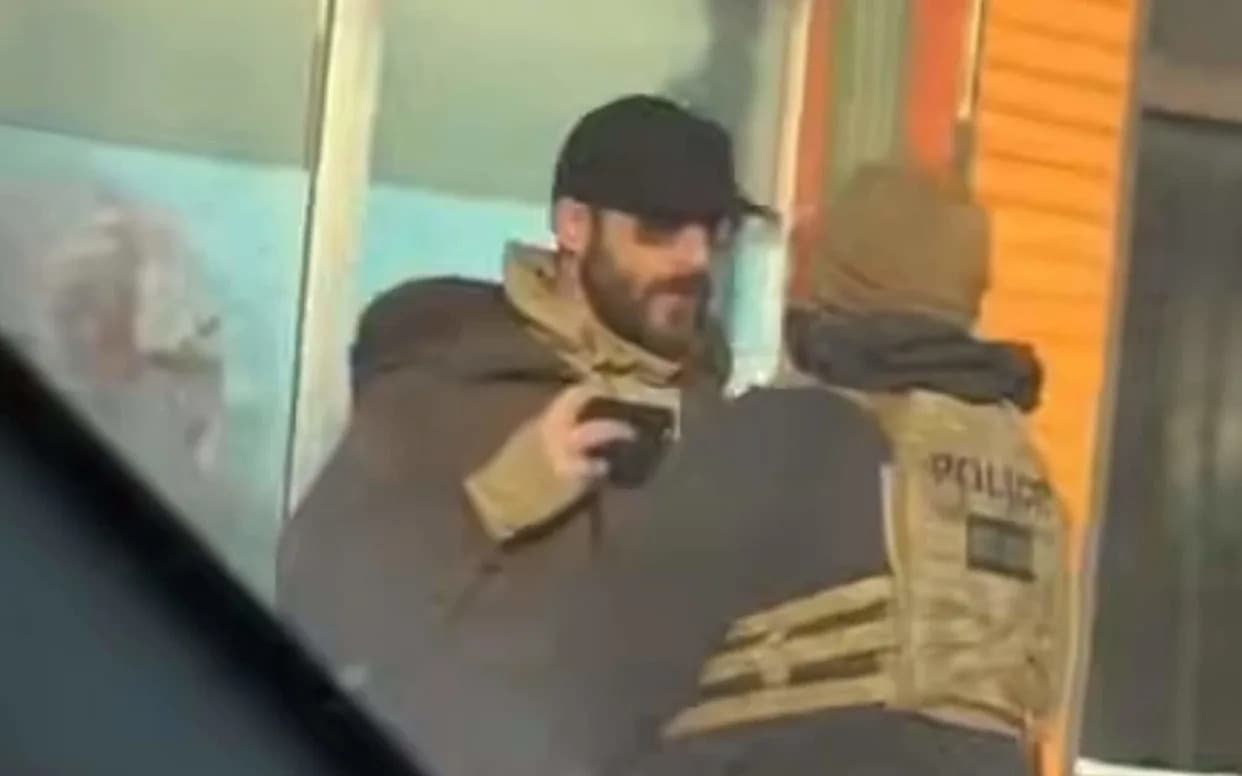
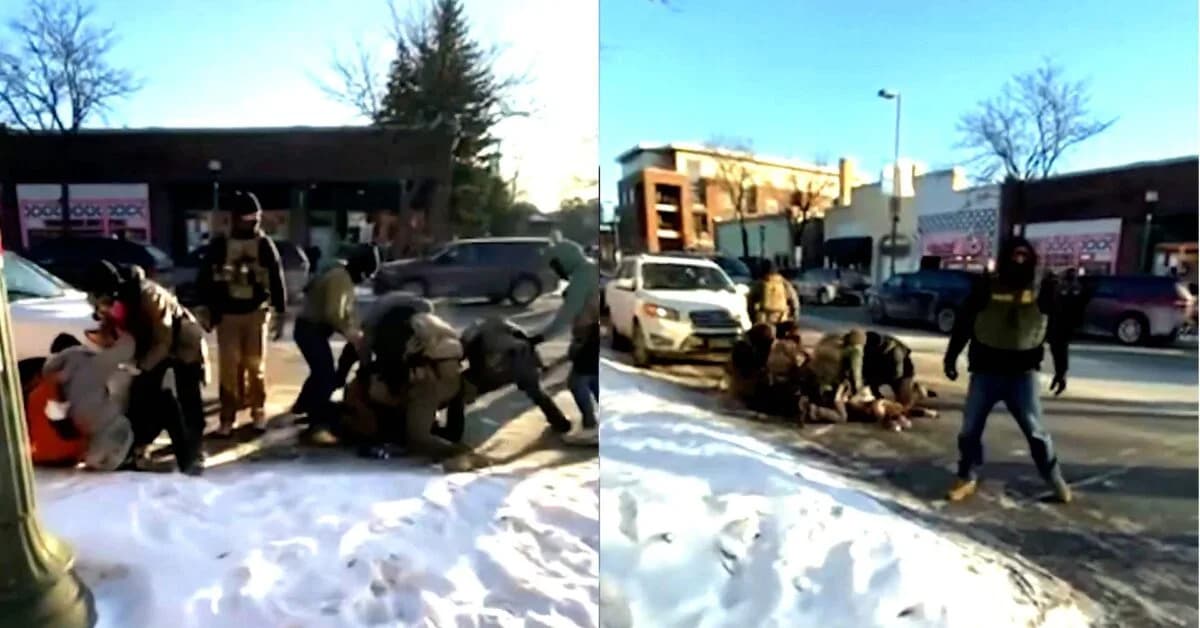
Video from multiple angles quickly complicated those official accounts. Footage suggests Good did not deliberately try to run down an officer. In Pretti's case, the clips show him holding what appears to be a cellphone and recording; agents do not appear to see a gun until after they tackle and restrain him. After agents seize the object, someone can be heard shouting "gun," and officers then open fire.
The New York Times reports that at least 10 shots appear to have been fired within five seconds. In the footage, agents shoot Pretti in the back at close range while he is kneeling and then fire additional rounds after he collapses.
Officials' Statements And Dialectics
"This looks like a situation where the individual wanted to do maximum damage and massacre law enforcement," Commander Bovino said on CNN — a characterization he later declined to substantiate with specific evidence from the available video.
Bovino repeatedly described Pretti as "the suspect," called a standard magazine "high-capacity," and labeled the gathering a "riot," while declining to clarify whether Pretti ever drew or attempted to draw a weapon before agents tackled him.
Investigations, Legal Actions, And Transparency Concerns
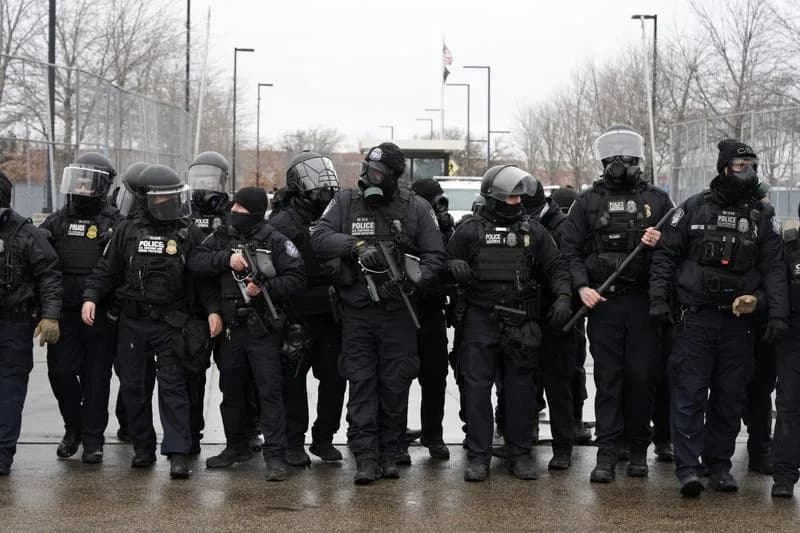
DHS has promised internal investigations in both cases, even after senior officials publicly portrayed the shootings as justified. Critics point to a pattern of premature, self-exculpatory briefings from DHS. Reason magazine has noted previous instances in which the department provided inaccurate public information, and critics argue that internal probes by an agency that has already defended its employees cannot be presumed impartial.
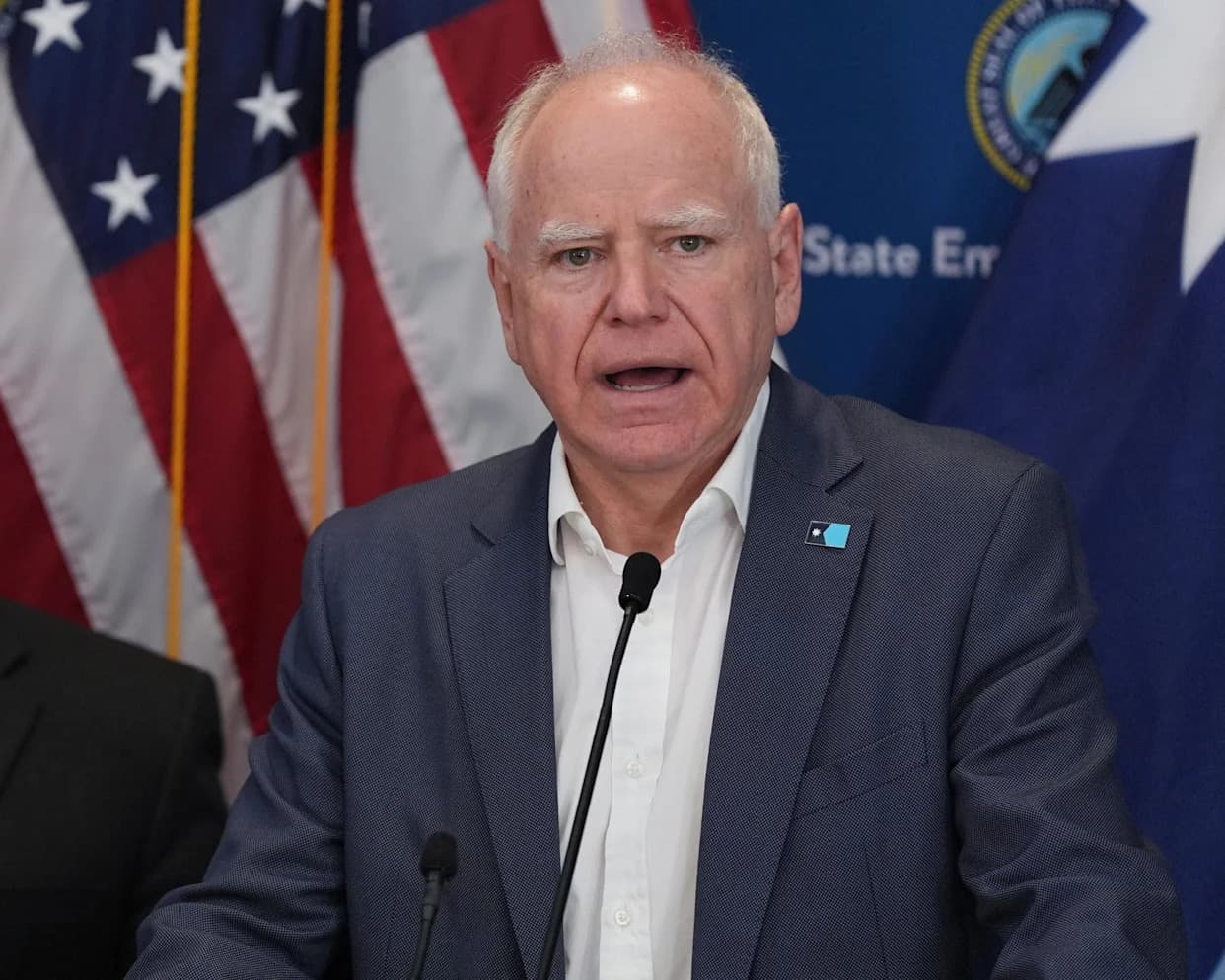
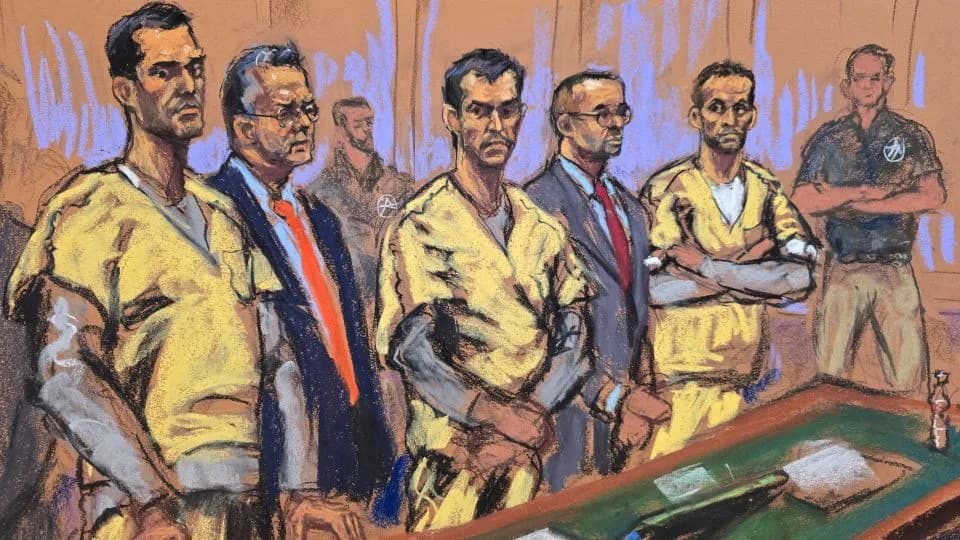
On Saturday night, U.S. District Judge Eric Tostrud issued a temporary restraining order barring DHS from "destroying or altering evidence" related to Pretti's death, including material DHS or its agents might have removed from the scene. The order followed a request from Minnesota's Bureau of Criminal Apprehension (BCA), which says it was excluded from the Good investigation and blocked from the Pretti scene. Senator Thom Tillis called for "a thorough and impartial investigation" and urged cooperation among federal, state, and local authorities.
Why This Matters
These incidents raise urgent questions about how federal agencies communicate about use-of-force incidents, preserve evidence, and ensure independent review. Video that appears to contradict immediate official narratives, combined with judicial intervention to protect evidence, has deepened public concern about transparency and accountability when federal law enforcement is involved in deadly force incidents.
What remains to be determined: who fired the shots, why lethal force was used at the moment it was, whether officers reasonably perceived an imminent threat, and whether evidence was preserved and shared with independent investigators.
Help us improve.