Douglas MacKinnon argues the Republican Party faces a real perception problem on immigration, affordability and accountability that could cost it the House. He cites polling and Michael Smerconish’s observation that Republicans are on defense, while noting many Americans also see President Trump as productive. Small vote shifts in 2016 and 2020 show how razor-thin margins decide elections. MacKinnon urges rapid factual responses and a renewed local focus to regain voter trust.
Republicans’ Perception Problem: Acknowledge It — Or Risk Losing the House

As my former boss Lee Atwater used to say, perception often becomes reality in politics.
Whether they admit it or not, many in the Trump administration and across the Republican Party face a growing public perception that the GOP is underperforming on three core fronts: immigration, affordability and accountability. The first two issues are costing support among independent and minority voters; the third is creating friction within parts of the MAGA coalition.
Polling, Productivity And Political Risk
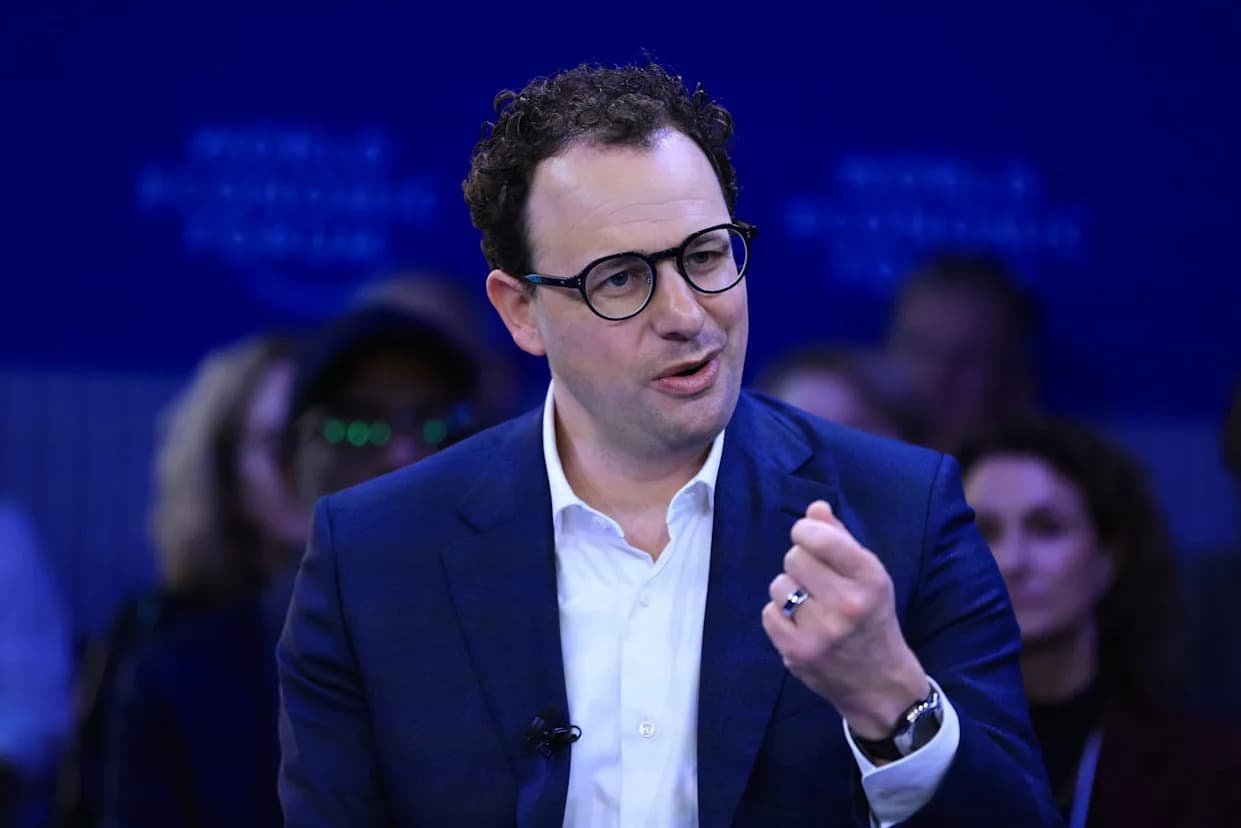
Political commentator Michael Smerconish captured the moment succinctly:
"Republicans, based on all the polling data, are on defense in a major way."He also acknowledged a competing view held by tens of millions of Americans — that President Trump has been highly productive. "He’s gotten a hell of a lot done," Smerconish said. "You may not agree with how he’s gotten it done or what he’s gotten done, but on a productivity level, you would have to say that he’s been a very consequential president already in this one year."
Still, even with tangible accomplishments, a persistent perception problem could be decisive in November. Targeted elections are often decided by razor-thin margins: in 2016 about 135,000,000 votes were cast and shifting roughly 80,000 votes across three states would have changed the outcome; in 2020 about 157,000,000 votes were cast and changing roughly 50,000 votes in key states would have altered the result. Small swings in voter sentiment matter.
Why Acknowledging Perception Matters
Some Republicans treat admission of a perception problem as disloyalty or weakness. That’s a risky posture. Ignoring, dismissing, or denouncing voter concerns risks alienating the very people whose votes are contestable. Even a modest share of voters who feel overlooked can cost close races.
A more effective approach is to confront the perception issue directly: acknowledge concerns, fix real problems where possible, and factually rebut misinformation before it calcifies. Done right, this strategy can limit damage and even allow Republicans to cast Democrats as responsible for issues voters care about—but it requires clear, consistent messaging and rapid responses.
J.D. Vance’s Example And The Role Of Local Politics
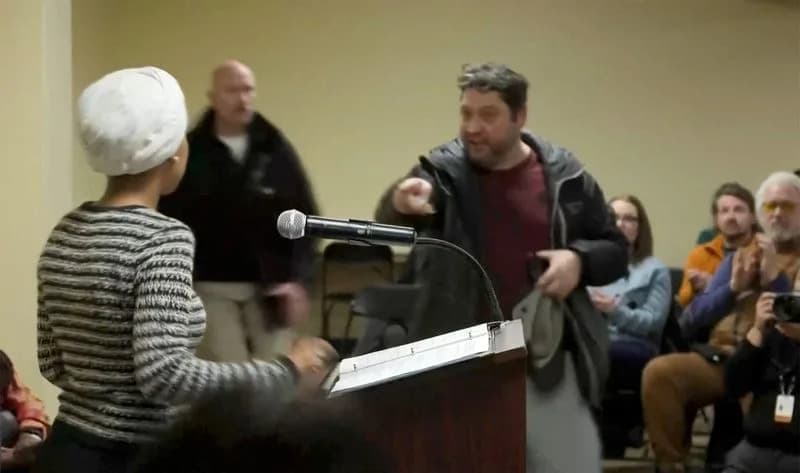
Vice President J.D. Vance offered a model for rapid, factual response during a Minneapolis appearance. Responding to a viral claim that a "five-year-old student" had been arrested by ICE, Vance recounted how a quick follow-up revealed the child was not arrested and that authorities had detained the father after he fled. Vance’s point: follow basic facts before amplifying a charged narrative.
Media bias and sensational reporting do contribute to the perception problem, but Republicans can blunt that effect by emphasizing local, tangible results. As former House Speaker Tip O’Neill put it, "All politics is local." Former Senator Alfonse D’Amato’s nickname "Senator Pothole" illustrated the payoff of prioritizing constituent services—fixing roads, supporting schools and hospitals, and addressing everyday quality-of-life concerns won votes.
Practical Recommendations
- Acknowledge voter concerns openly; don’t dismiss them as disloyalty.
- Respond quickly with facts to viral or misleading stories to prevent narrative drift.
- Prioritize local constituent services and clear communication about how policy helps everyday people.
- Use persuasive messaging to shift responsibility for systemic problems where appropriate, but avoid blaming voters.
Republicans should neither deny nor overcomplicate the perception challenge threatening their congressional majority. Thoughtful, local-focused action and rapid, factual communication can help change how voters see the party—and may be decisive in close races.
Douglas MacKinnon is a former White House and Pentagon official.
Copyright 2026 Nexstar Media, Inc. All rights reserved. This material may not be published, broadcast, rewritten, or redistributed.
Help us improve.