The Republican House majority is precariously narrow, and GOP leaders are demanding that members be present in Washington except for true life-or-death reasons. Campaign-related absences are being treated as inexcusable, and missed votes have already contributed to failed or delayed measures. With a Jan. 31 Texas special election and a history of how small margins can shift control, leadership has urged members to avoid risky activities to preserve their working majority.
House GOP’s Slim Majority Forces Leaders to Demand: Only Miss Votes for ‘Life or Death’

House Speaker Mike Johnson, R-La., in Washington on Thursday. (Saul Loeb / AFP via Getty Images)
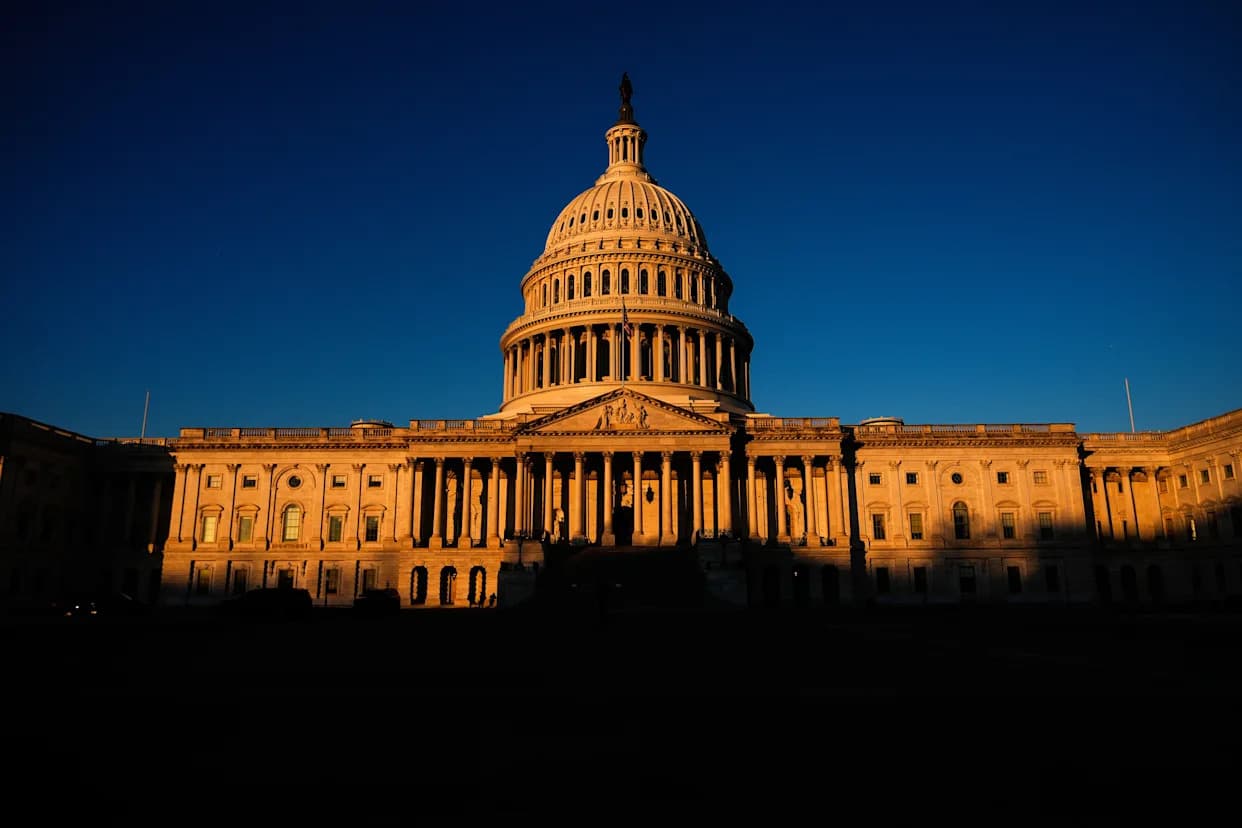
WASHINGTON — With the Republican House majority hanging by a razor-thin margin, GOP leaders have issued a blunt directive to rank-and-file members: do not miss votes except for genuine life-or-death reasons.
That message has been delivered at recent party meetings and in private conversations, lawmakers told reporters, and it has taken on fresh urgency after the unexpected death of Rep. Doug LaMalfa, R-Calif., and the midsession retirement of Rep. Marjorie Taylor Greene, R-Ga., which further tightened the GOP edge.
Attendance: A Party Priority
House Majority Whip Tom Emmer’s office confirmed to NBC News that members have been told the whip’s office expects lawmakers to be in Washington — “outside of life-and-death circumstances.” Emmer’s team has emphasized that physical presence in the Capitol is essential to advance priorities such as lowering costs, securing the border, and supporting the president’s agenda.
Leadership has drawn a clear line between excusable and inexcusable absences: medical emergencies and family crises are acceptable; campaign events are not. That distinction matters because 17 House Republicans are reportedly running for higher office this cycle.
Notable Absences and Reactions
Rep. Wesley Hunt, a Texas Republican campaigning for the Senate, missed several votes while campaigning back home this month, including a critical series of votes when a GOP labor bill failed and other measures were pulled amid defections and absences. Hunt later flew back when leadership requested his presence for a key procedural vote and said he would return when needed.
Leadership has pressed hard on attendance. Speaker Mike Johnson and other senior Republicans are said to have spoken directly with members who missed votes. House Majority Leader Steve Scalise highlighted Rep. Jim Baird of Indiana as an example, noting that Baird showed up to vote while recovering in a neck brace after a car accident.
“We got to work with our members, especially on life and death. Everything else, I tell them: 'No, you need to be here,'” Emmer told reporters when asked about attendance policy.
Practical Consequences
The internal strain comes as the GOP’s majority stands at 218 seats to Democrats’ 213. A Jan. 31 special election in Texas is expected to fill a safely Democratic seat and could widen the Democratic advantage further. Small margins have already translated into floor setbacks: Republicans recently cleared only a rollback of showerhead efficiency standards, while a labor bill failed and other measures were pulled amid uncertainty over votes.
Democrats have increasingly used tools such as discharge petitions to force floor action, and the minority has, at times, outvoted Republicans during roll calls. Minority Leader Hakeem Jeffries (D-N.Y.) has publicly criticized Republican organization and suggested Democrats could expand their advantage in the months ahead.
Why This Matters
Leadership has even adopted a near-clinical tone in advising members on personal conduct: “No adventure sports, no risk taking, take your vitamins, and stay healthy and be here,” Speaker Johnson said, urging members to avoid activities that could cost the party its working majority.
Historical precedents underscore the vulnerability of narrow margins. After the 1930 midterms, a wave of deaths among members-elect contributed to a shift in control by the time the next Congress convened. While a midsession flip of House control would be highly unusual in modern times, party leaders on both sides recognize the tangible risk small margins create for governance and strategy going into the midterms.
The GOP’s current predicament highlights how individual decisions about travel, campaigning, and personal risk can have outsized consequences for the party’s ability to pass legislation and set the political agenda.
Note on Source Details: The original reporting included the name of a local official associated with a Texas seat; that reference appeared inconsistent with other public records and has been redacted here pending further verification.
Help us improve.