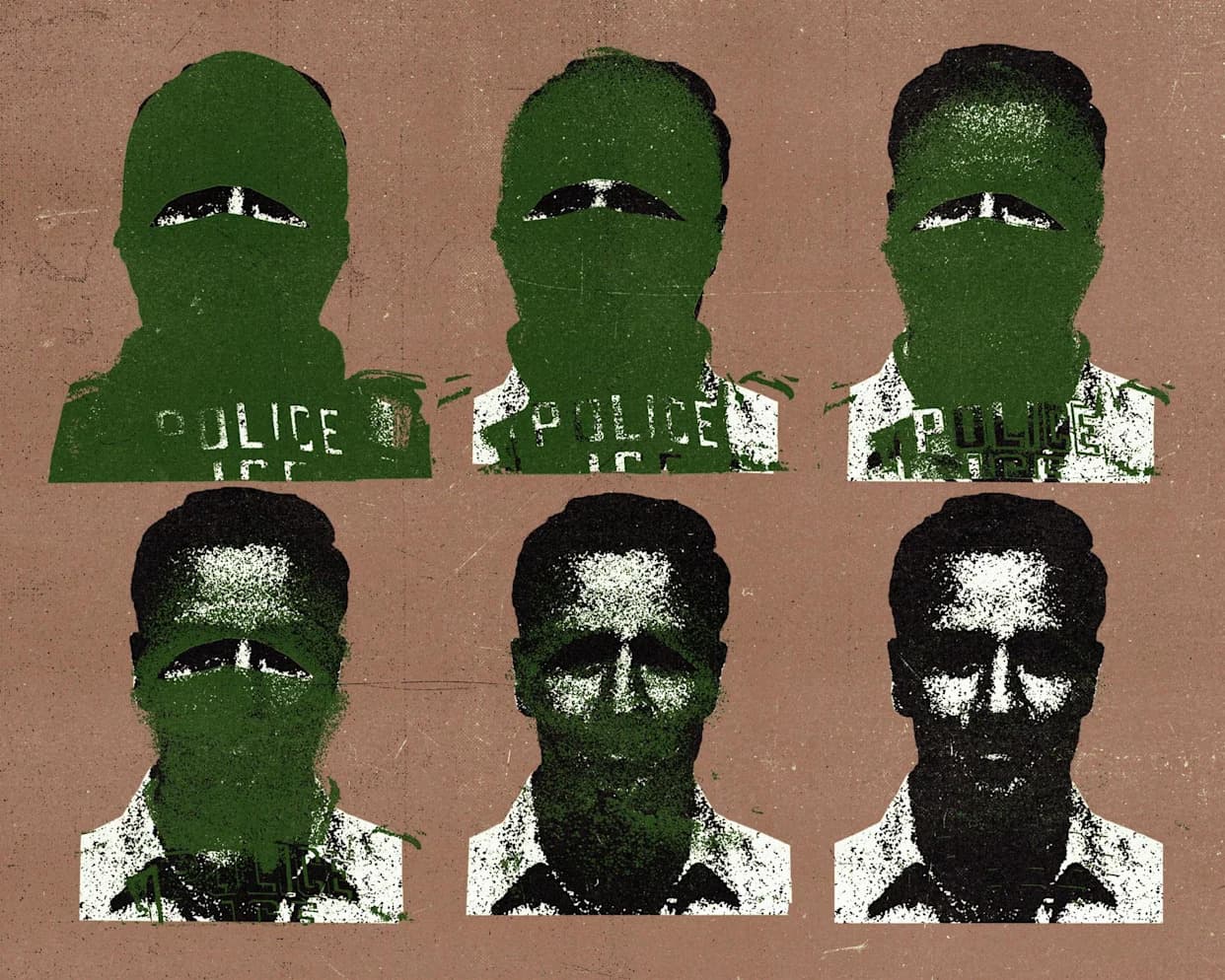
Community volunteers across Minneapolis have organized a decentralized rapid-response network to monitor and respond to ICE operations after a January surge in arrests. Using encrypted apps, volunteers track convoys, record plates, warn neighbors with whistles and horns, and document encounters. Confrontations—sometimes met with tear gas and arrests—have sparked debate among activists about tactics and safety. Organizers say the networks will endure despite recent federal personnel changes.
Minneapolis Shadow Network Tracks ICE Convoys, Mobilizes to Protect Immigrants
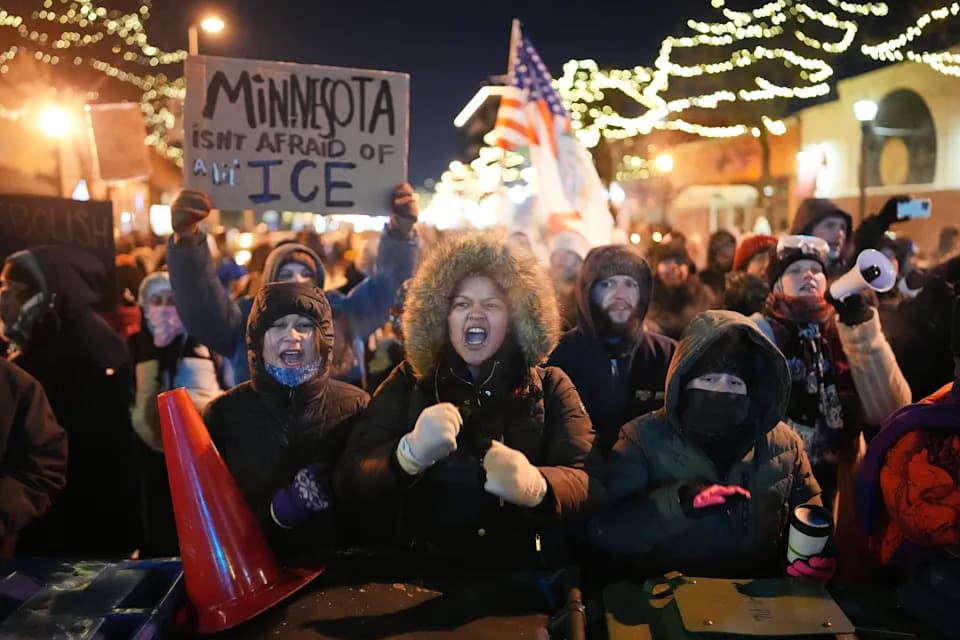
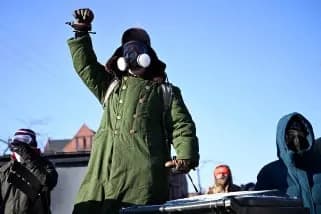
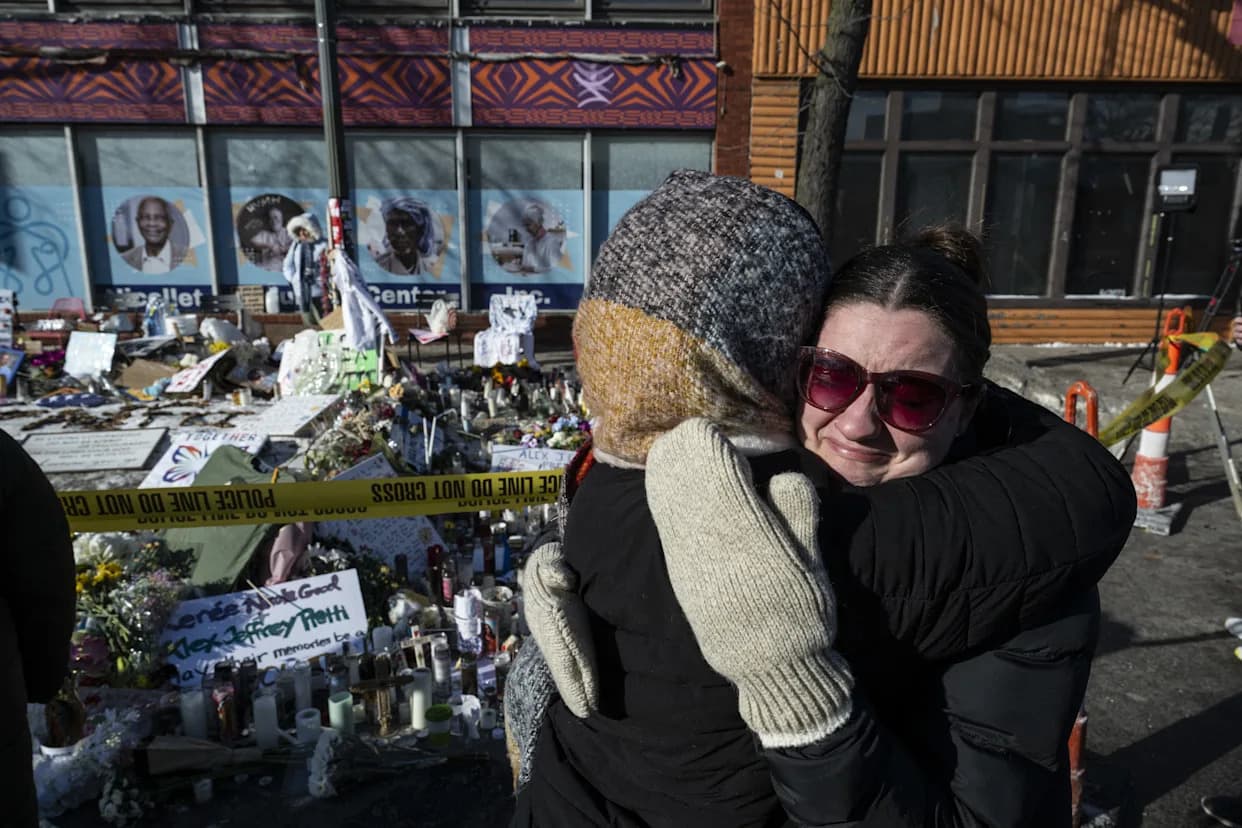
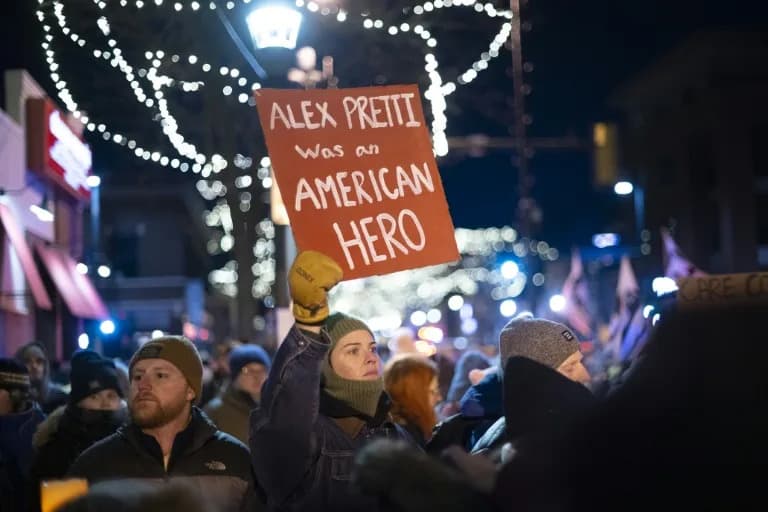
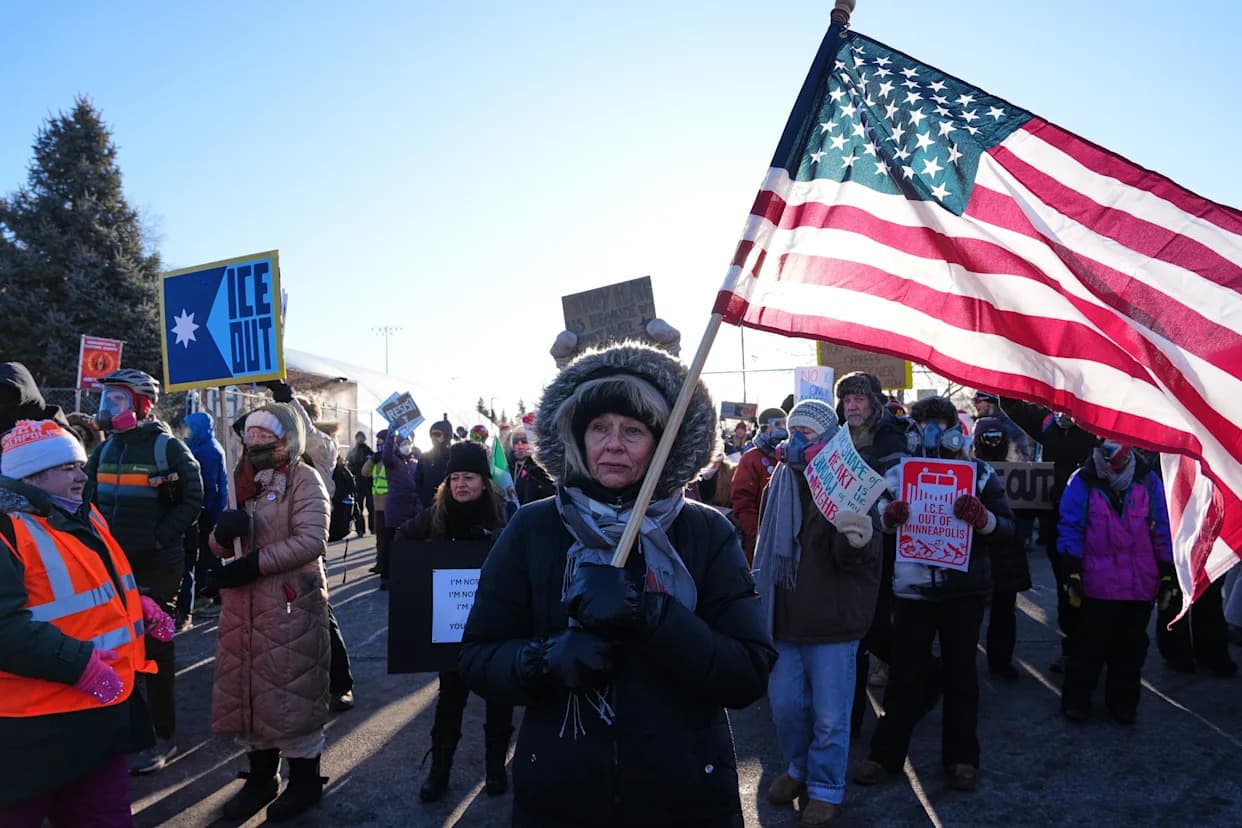
Protesters chant and bang on trash cans as they stand behind a makeshift barricade during a protest in response to the death of 37-year-old Alex Pretti, who was fatally shot by a U.S. Border Patrol officer earlier in the day, Saturday, Jan. 24, 2026, in Minneapolis. (AP Photo/Adam Gray)(ASSOCIATED PRESS)
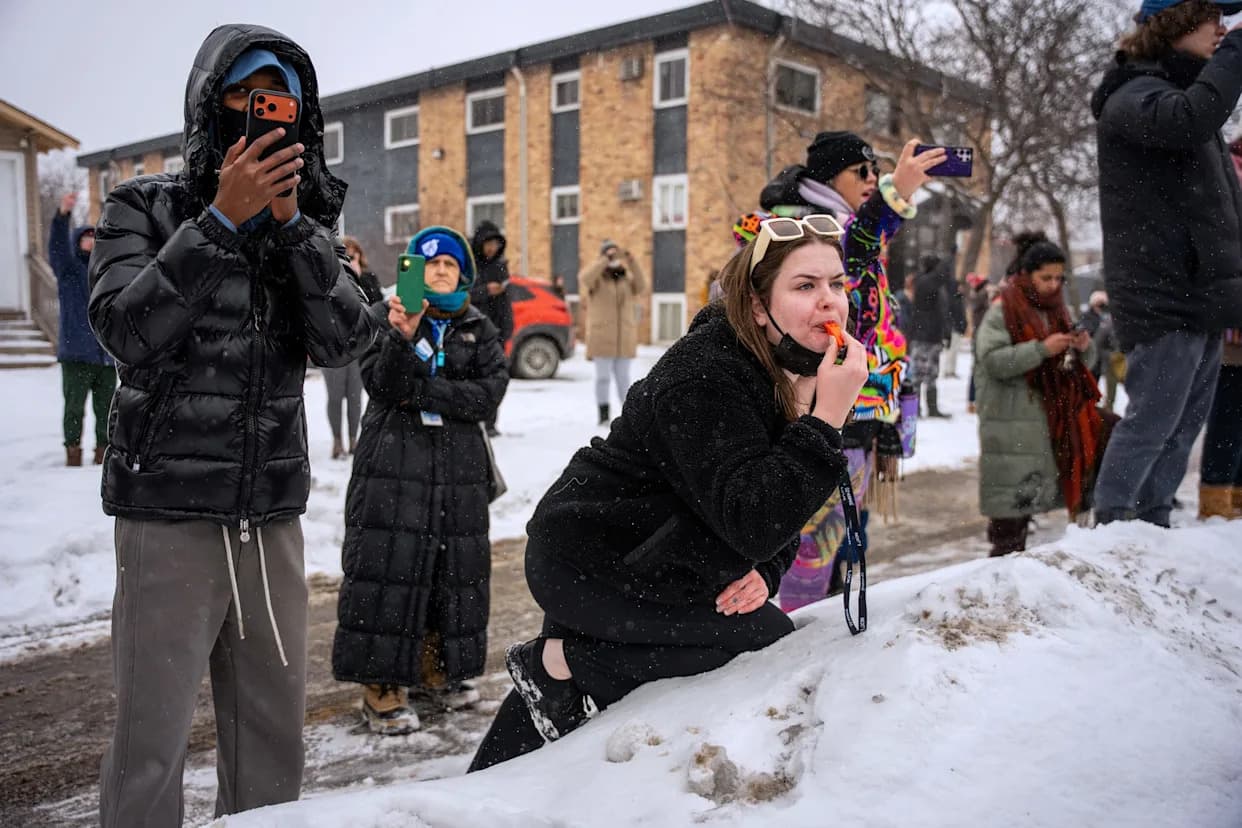
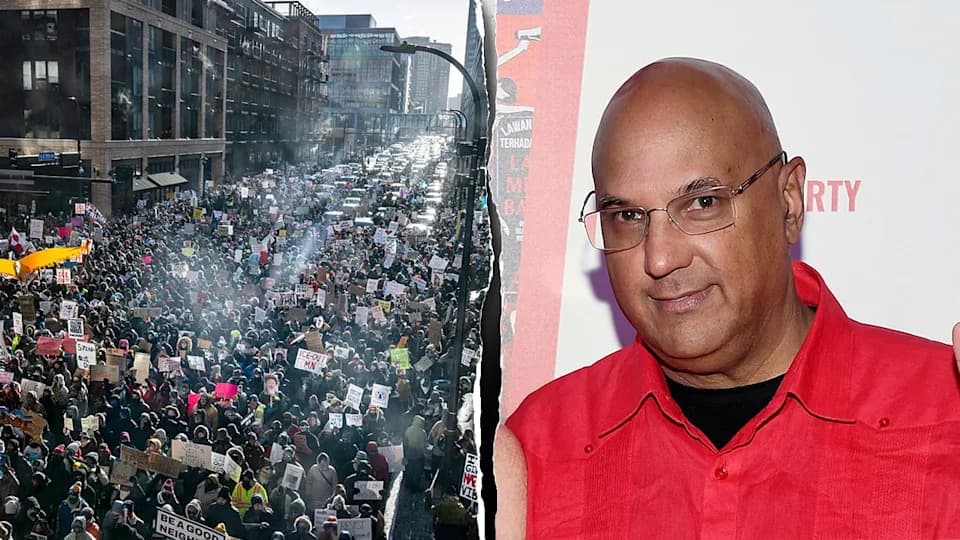
In recent weeks, the streets of Minneapolis have often echoed with shrill whistles and blaring car horns as thousands of volunteers follow immigration agents through neighborhoods to warn residents, document encounters and offer support.
These volunteers—teachers, scientists, parents, small-business owners and service workers—have formed a sprawling, largely anonymous rapid-response network in reaction to the Trump administration's Operation Metro Surge. Their actions are decentralized and pragmatic: spotting convoys, recording license plates, alerting neighbors via encrypted apps, filming interactions and providing legal or logistical assistance to people targeted by enforcement.
Organizers say the network will remain active even after recent shifts at the federal level, including White House efforts to soften its public tone and the reassignment of Gregory Bovino, the senior Border Patrol official who had been a visible figure in the crackdown.
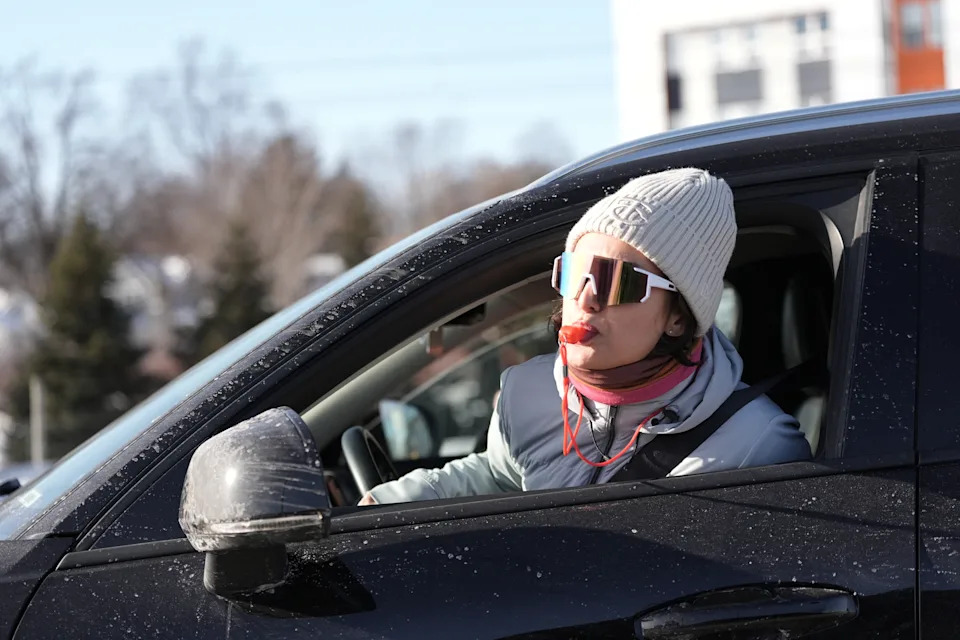
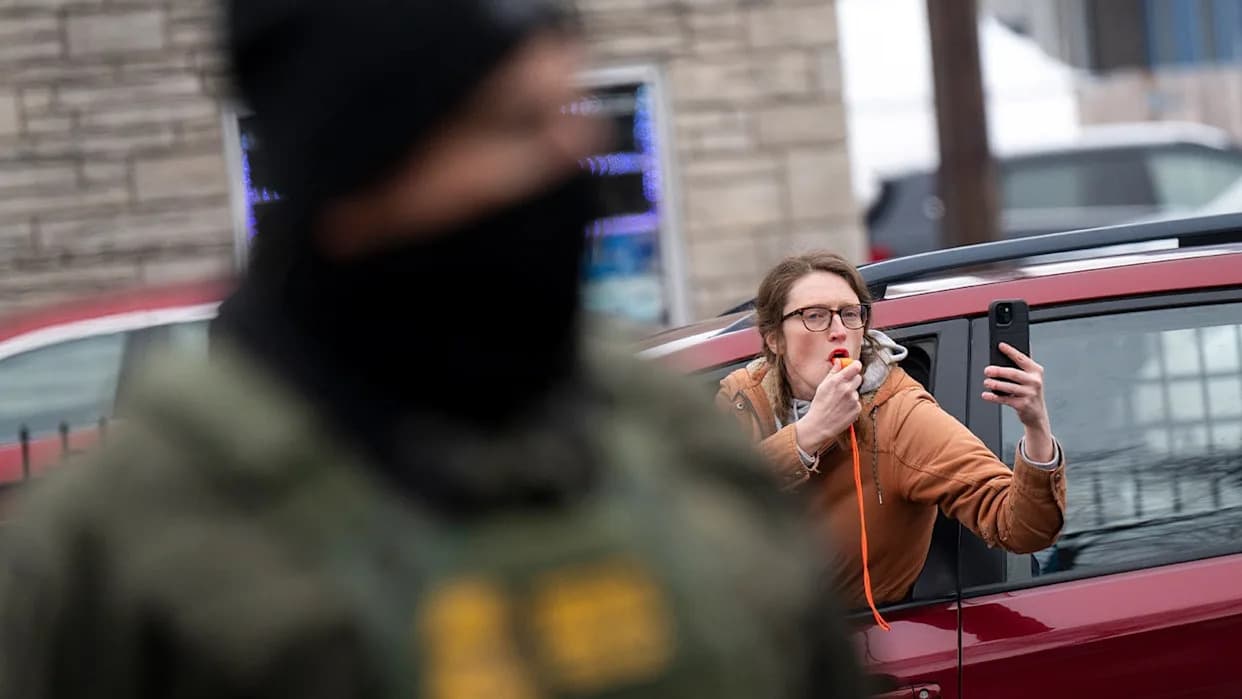
A woman uses a whistle as a convoy of Federal agents drive by on Friday, Jan. 23, 2026, in Minneapolis. (AP Photo/Angelina Katsanis)(ASSOCIATED PRESS)
"I think that everyone slept a little better knowing that Bovino had been kicked out of Minneapolis," said Andrew Fahlstrom of Defend the 612. "But I don’t think the threat we face will change just because they change out the local puppets."
The Surge And Its Impact
The operation began with scattered arrests in December and escalated sharply in early January after a senior ICE official described it as the "largest immigration operation ever." Masked, armed agents moving in convoys of unmarked SUVs became common in some neighborhoods. ICE reported more than 3,400 arrests and officials said roughly 2,000 ICE officers and 1,000 Border Patrol personnel were deployed.
Administration officials say the focus is on people who have committed crimes while in the U.S. illegally, but local residents and leaders describe more aggressive tactics. According to area officials and residents, agents have stopped people and demanded immigration papers in what appeared to be random encounters, and they have targeted off-duty Latino and Black police officers and city workers.
There are reports of agents forcing entry into a home to detain a Liberian man who had been complying with check-ins, children detained along with their parents, and the use of tear gas outside a high school during a clash with protesters.
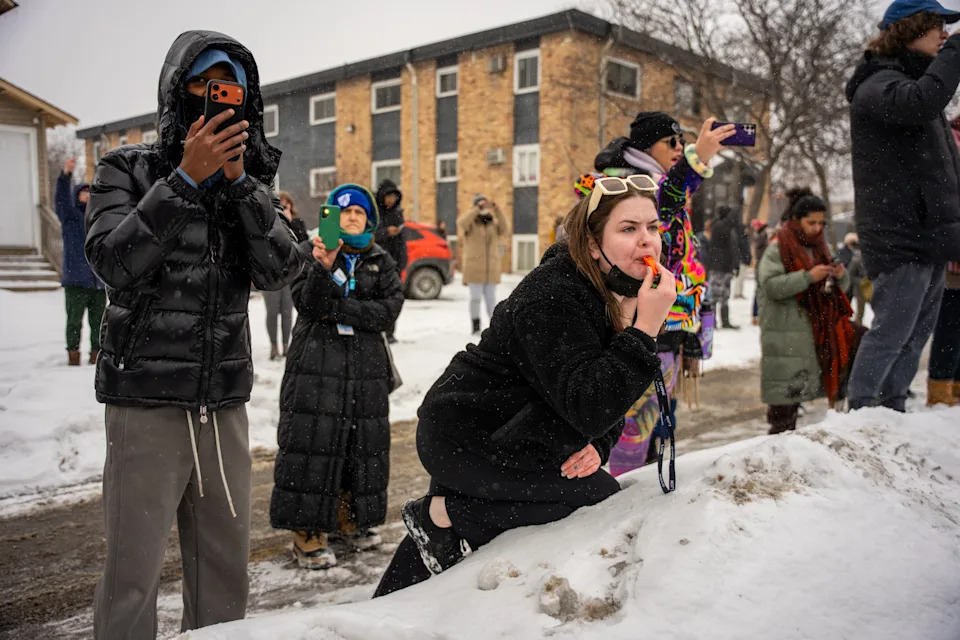
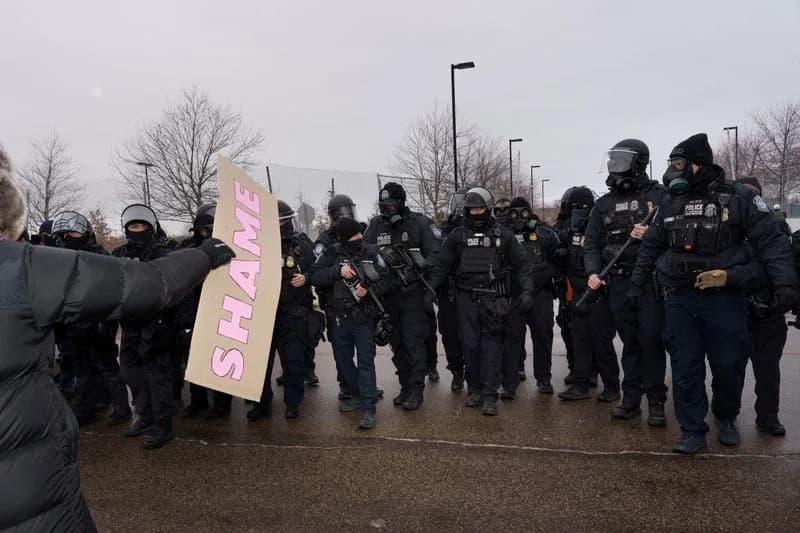
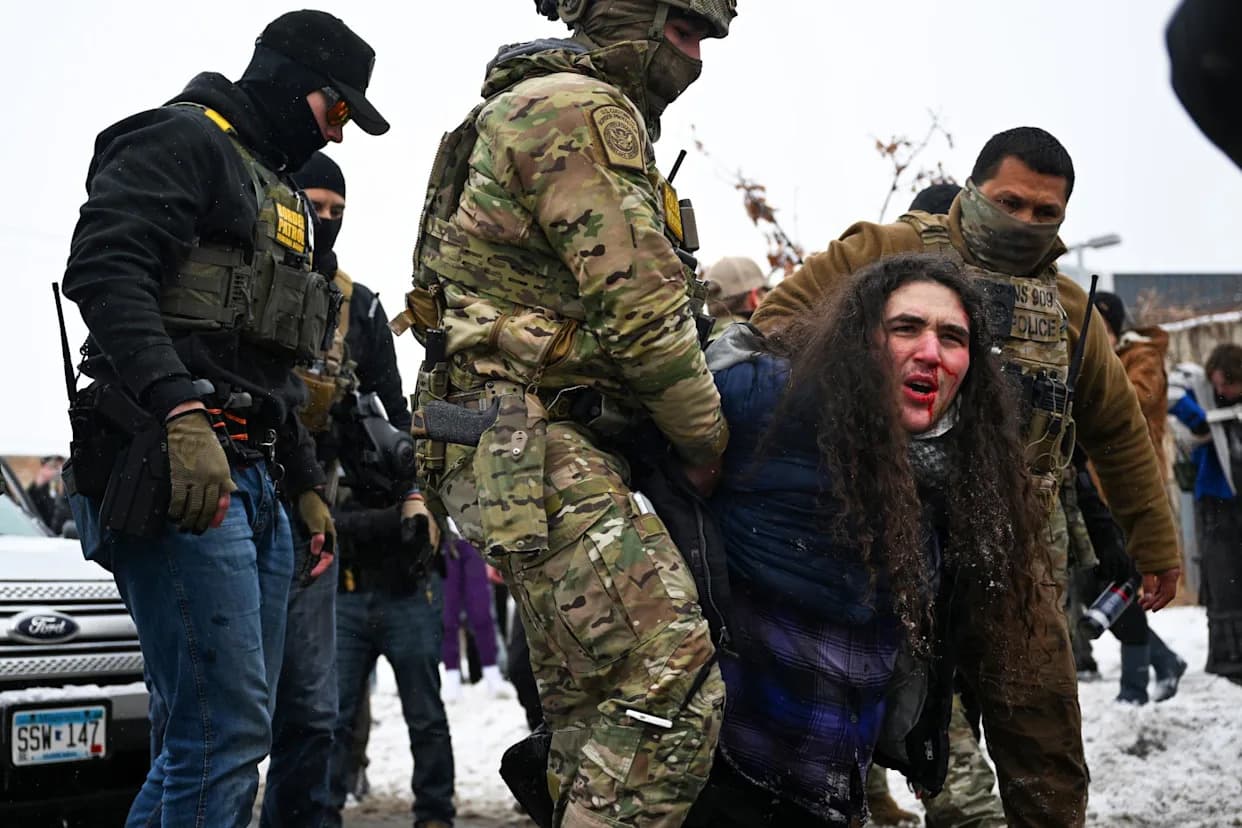
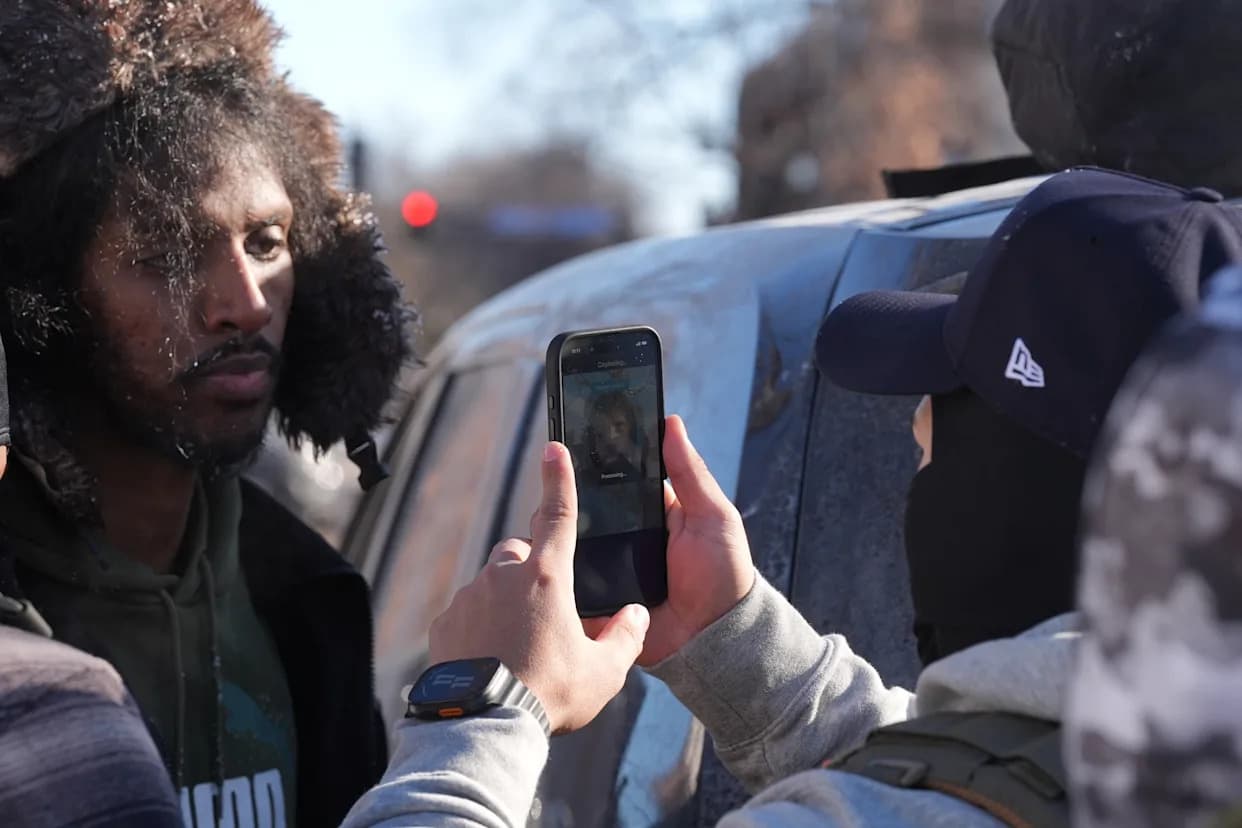
People record and react to federal agents arresting people, Wednesday, Jan. 21, 2026, in Minneapolis. (AP Photo/Angelina Katsanis)(ASSOCIATED PRESS)
Volunteer Networks And Tactics
Across liberal Minneapolis-St. Paul and some suburbs, activist groups quickly organized. Volunteers deliver food to people afraid to leave their homes, drive workers to jobs, stand watch outside schools and coordinate through dozens of interlocking rapid-response teams. Many use encrypted messaging apps such as Signal to report convoy movements and coordinate responses.
Tracking generally means quietly reporting observations—vehicle locations, suspicious plates or patterns of movement—to dispatchers who then alert nearby volunteers. In other instances, protesters form mobile caravans behind convoys to warn residents and to document enforcement actions.
When agents stop to detain or question someone, dispatchers can summon volunteers who sound whistles and honk horns, film the encounter, and offer legal assistance. These tactics are intended to increase transparency, provide immediate help and deter unlawful behavior.
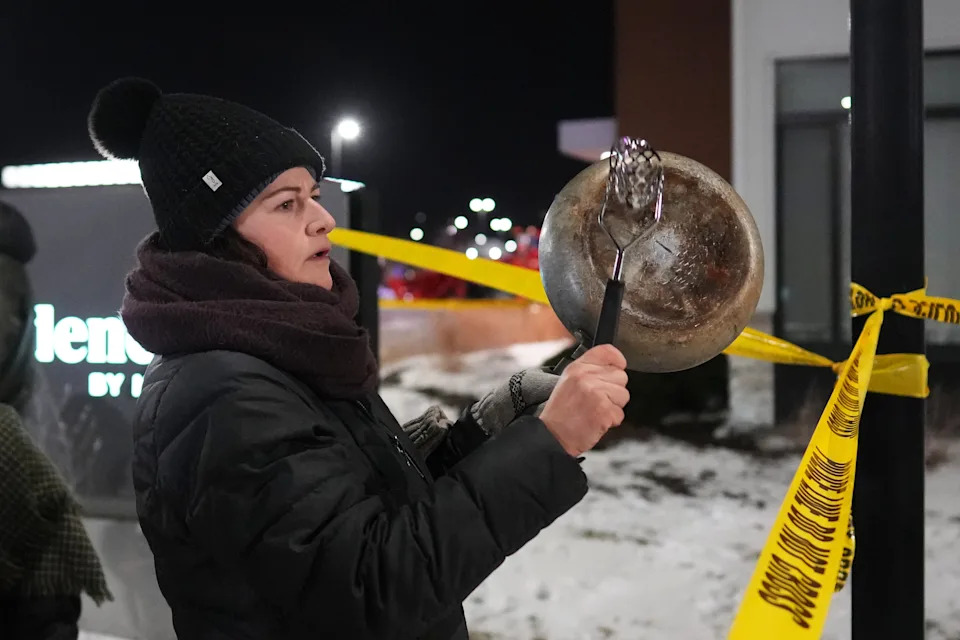
A demonstrator makes noise during a protest outside a SpringHill Suites and Residence Inn by Marriott hotels on Monday, Jan. 26, 2026, in Maple Grove, Minn. (AP Photo/Adam Gray)(ASSOCIATED PRESS)
Confrontations And Concerns
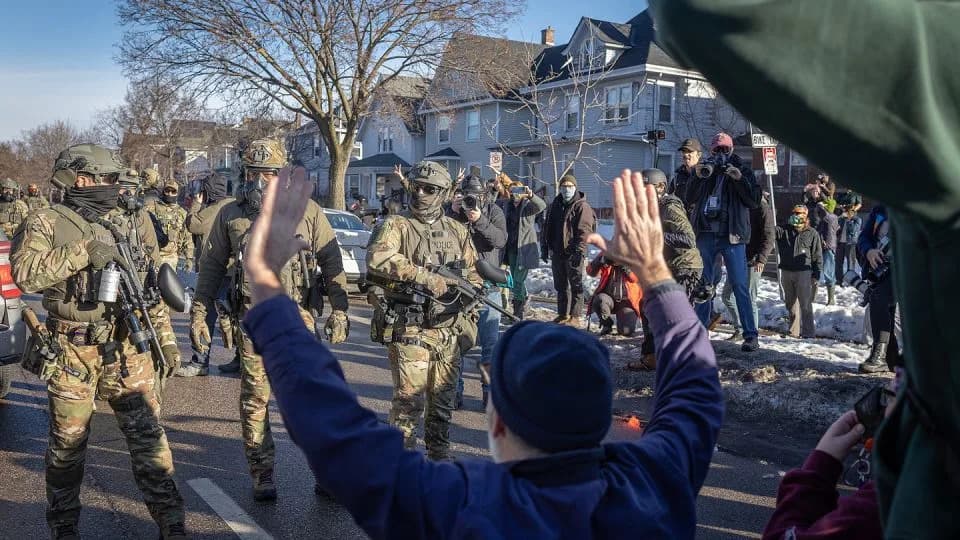
While many actions are peaceful, public confrontations have occurred. Protesters sometimes scream at agents, throw snowballs or attempt to block vehicles; agents have at times responded with force—shoving, pepper spray, pepper balls, tear gas and arrests. One south Minneapolis incident saw tear gas used and volunteers distributing water to help people flush their eyes.
These escalations have prompted debate inside the activist community about tactics and risks. Some groups urge quieter, less provocative approaches—arguing that whistles and loud demonstrations can escalate tensions and endanger bystanders or the detained person.
Organizers point to volunteers like a healthcare worker known only as "Sunshine," who spends hours patrolling an immigrant neighborhood and weighing each decision carefully: whether to report a vehicle, sound a warning, or avoid confrontation. Volunteers vary in their risk tolerance and approach, but many are motivated by a desire to protect families living in fear.
What Comes Next
Local officials and activists say rapid-response networks are likely to persist regardless of personnel changes at the federal level. The networks have already affected daily life in immigrant neighborhoods—schools and clinics reporting lower attendance, businesses reducing hours, and widespread anxiety among residents.
As debate continues over the most effective and safest tactics, volunteers and community leaders are balancing visibility and protection with the need to avoid actions that could provoke dangerous escalation.
Help us improve.