Minneapolis residents mobilized quickly to confront a large, militarized federal immigration operation, exposing alleged abuses and forcing a political retreat. Activists — many organized through networks born from the George Floyd protests — monitored ICE, trained tens of thousands to legally observe enforcement, and used whistles, Signal chats, strikes and demonstrations. The fatal shooting of Alex Pretti and subsequent misleading official statements intensified bipartisan backlash and contributed to the operation’s de-escalation.
Minneapolis Resistance Forced Trump To Scale Back Militarized ICE Operation
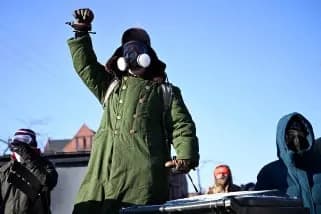
Trump didn’t de-escalate in Minneapolis on his own. He was forced to retreat.
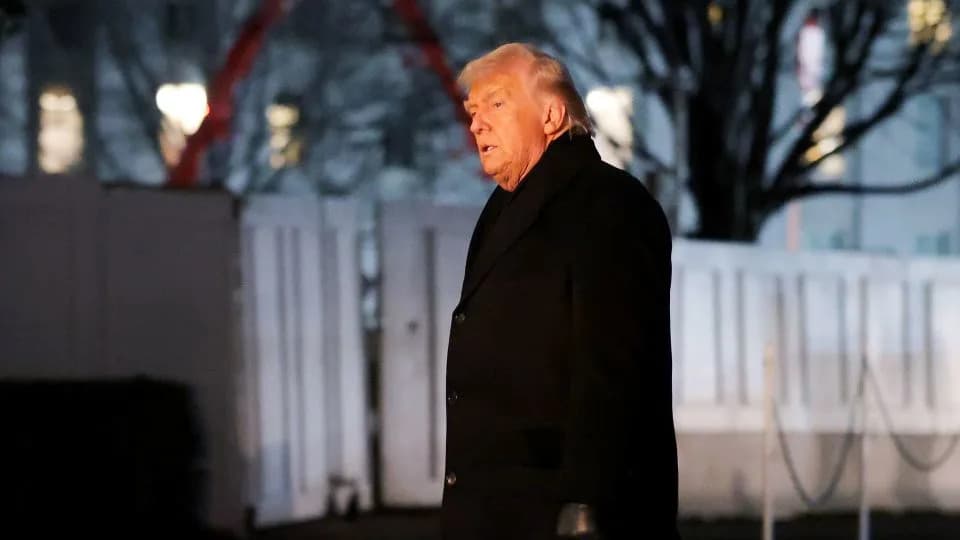
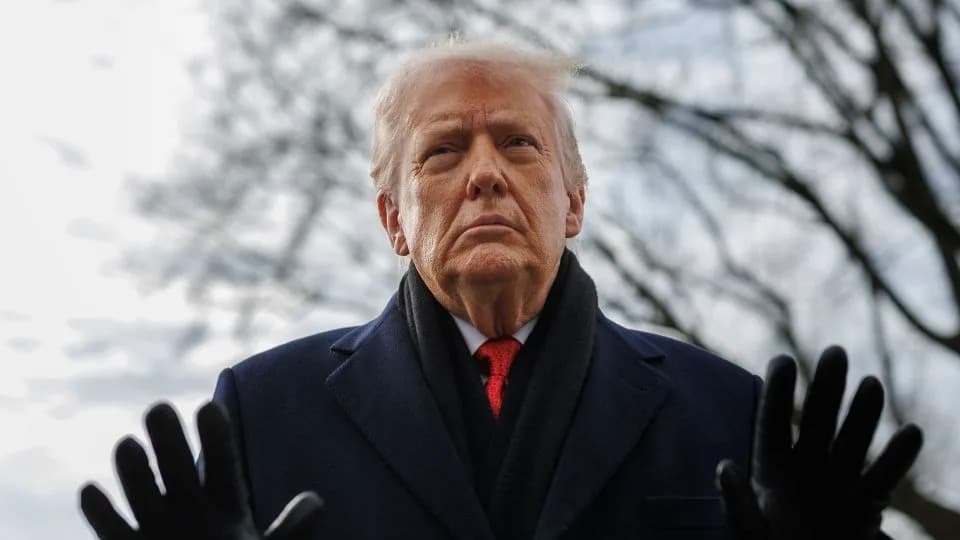
President Donald Trump’s apparent decision to de-escalate federal enforcement operations in Minneapolis was not voluntary. Local residents’ sustained, organized confrontations with what critics called the administration’s de facto secret police exposed abuses, embarrassed some Republicans, and made the operation politically untenable.
How The Operation Was Framed
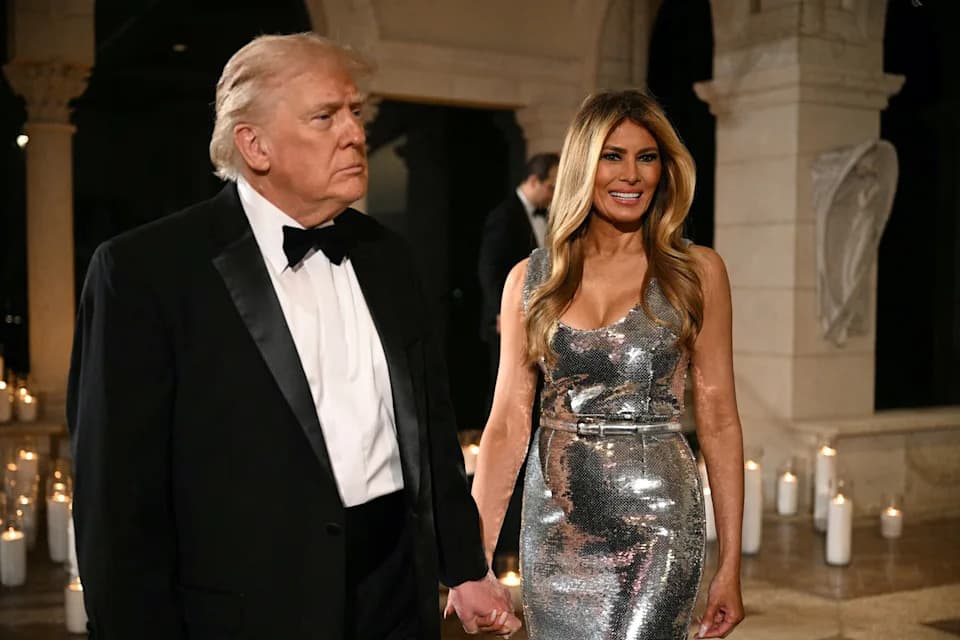
The administration justified the intervention with claims about fraud and crime in Minnesota, citing what officials billed as "the largest DHS operation ever." Many of those claims were based on right-wing narratives that had already been investigated by the criminal-justice system, and critics say the campaign targeted Somali immigrants in particular. Trump’s public comments disparaging Somali community members amplified concerns that the enforcement campaign was racially charged.
Militarized Tactics And Allegations Of Abuse
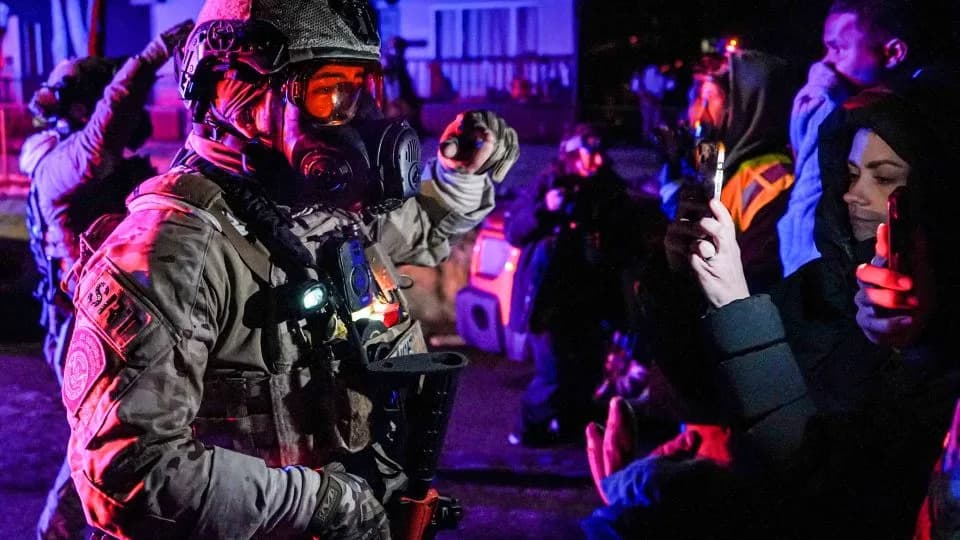
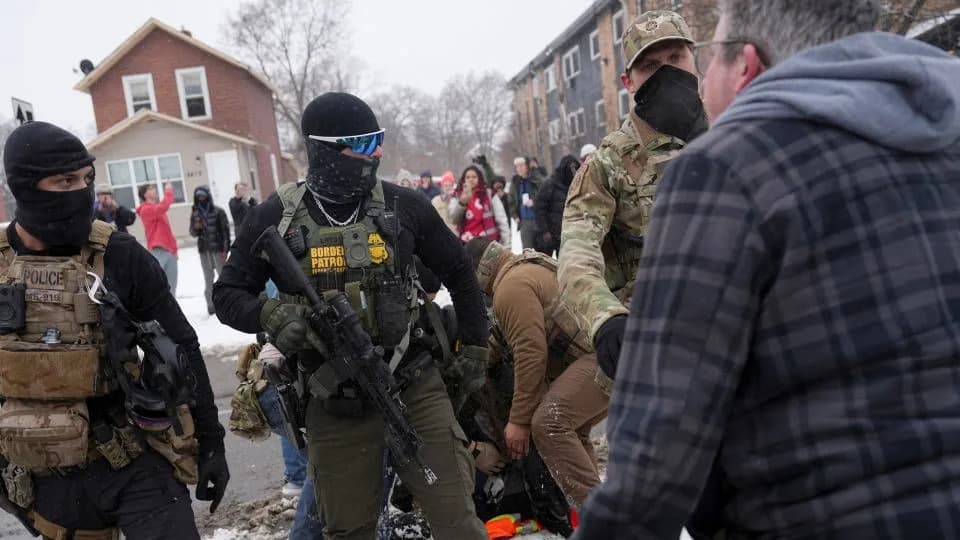
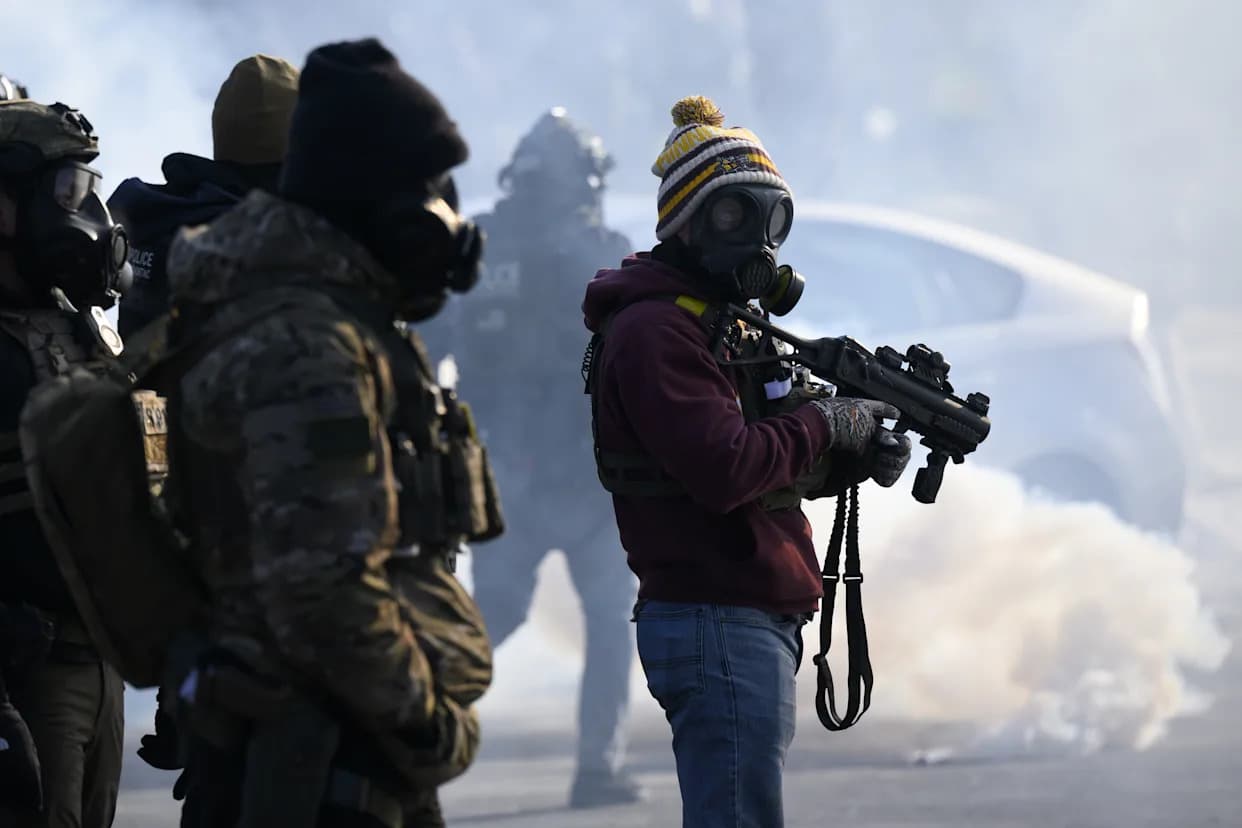
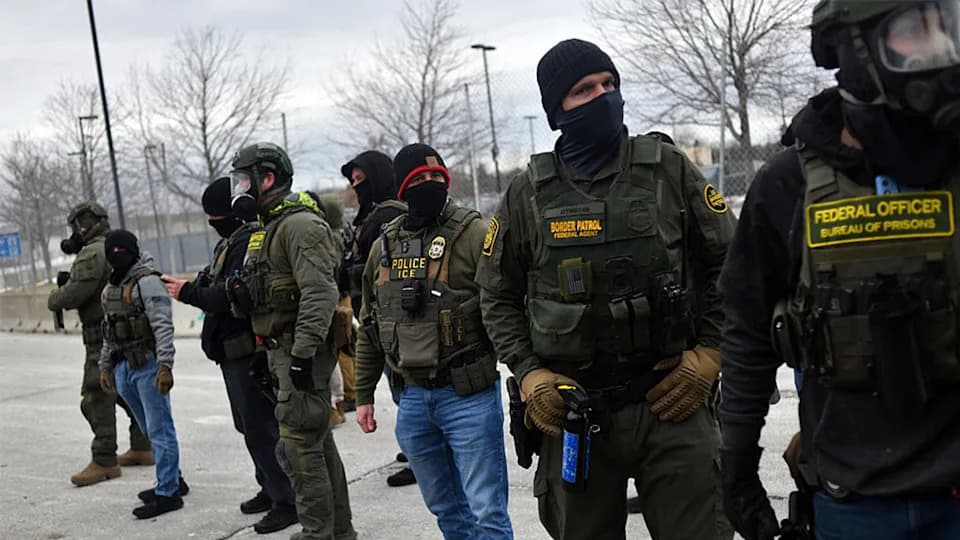
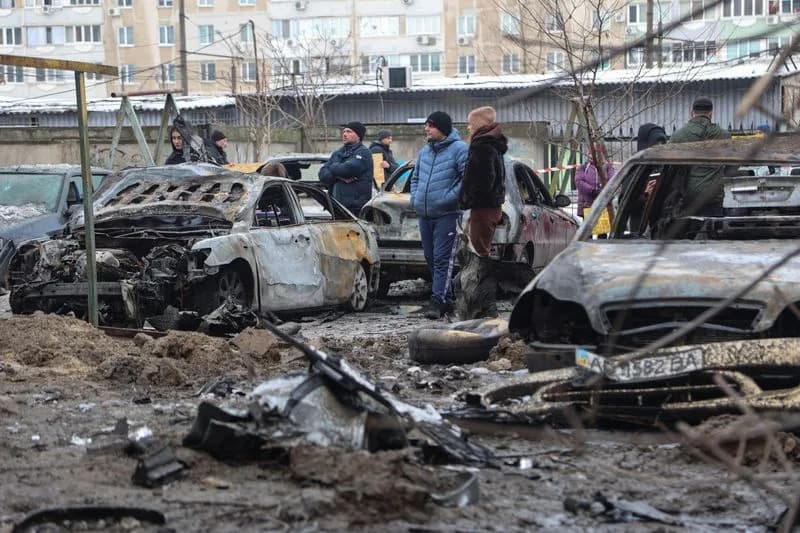
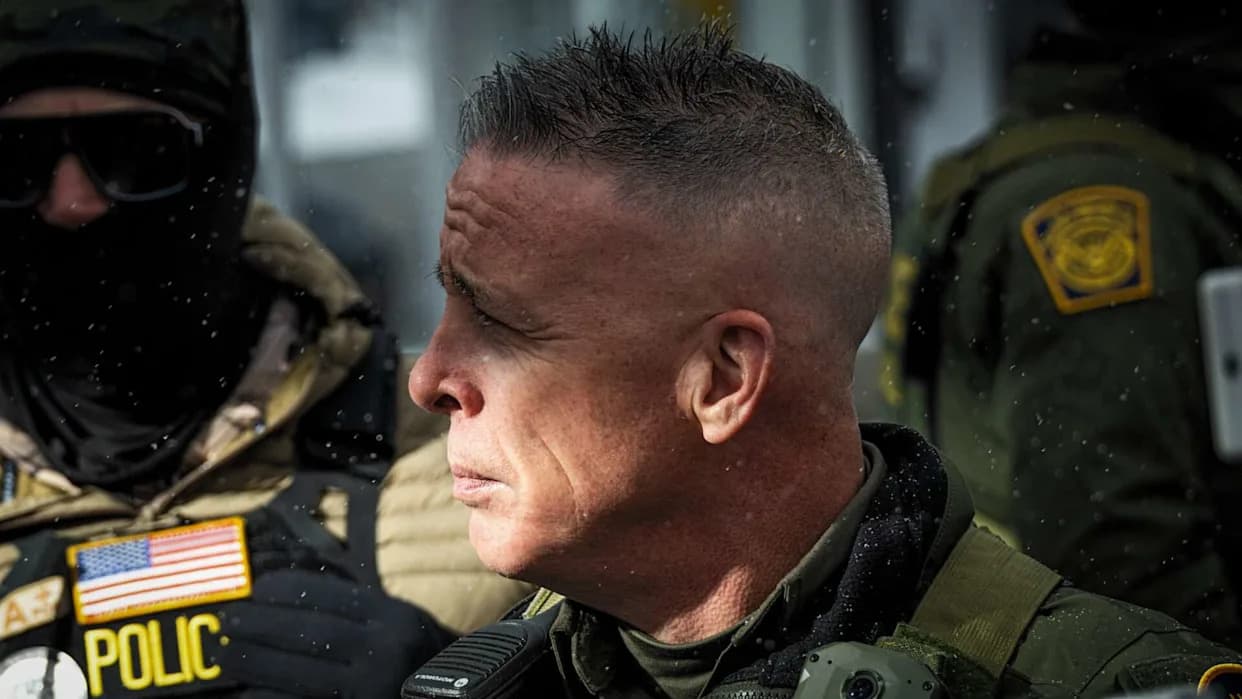
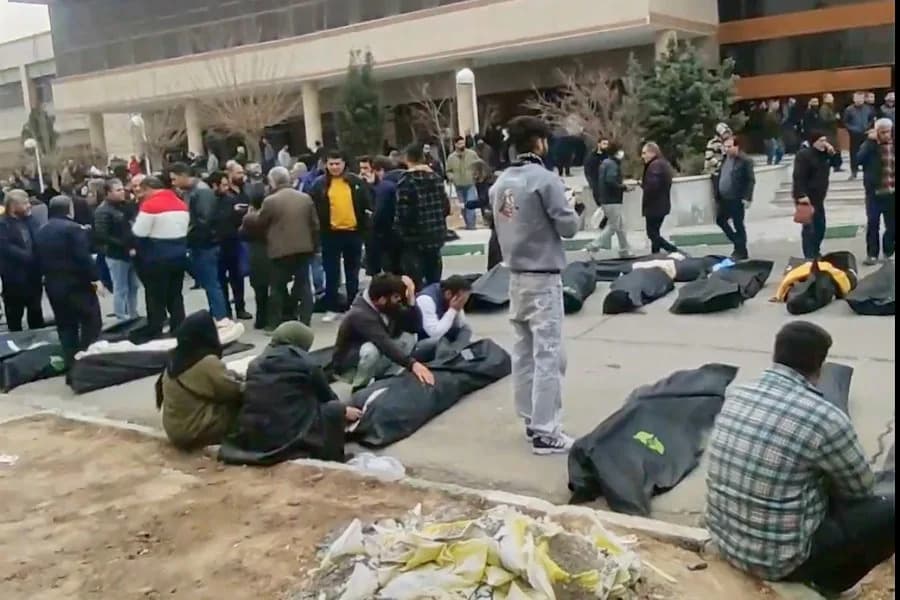
Witnesses and local officials reported ICE and CBP officers patrolling with rifles, wearing masks, detaining residents forcibly, and directing officers to enter homes without judicial warrants. Activists and lawyers also allege racial profiling, the detention of lawful immigrants, and repeated disregard for court orders. Elliott Payne, president of the Minneapolis City Council, described the presence as a "military occupation."
"There is no serious case that this is about the number of immigrants, or some level of violent crime not seen elsewhere," wrote University of Michigan public policy professor Don Moynihan. "It is about the Department of Homeland Security... developing their skills as the President’s stormtroopers. It is about making an example of a community."
Community Response: Organized, Sustained, and Highly Visible
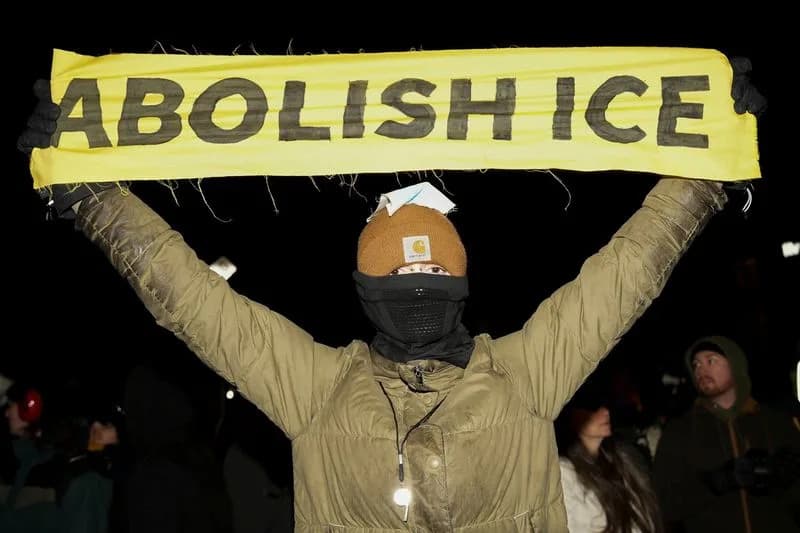
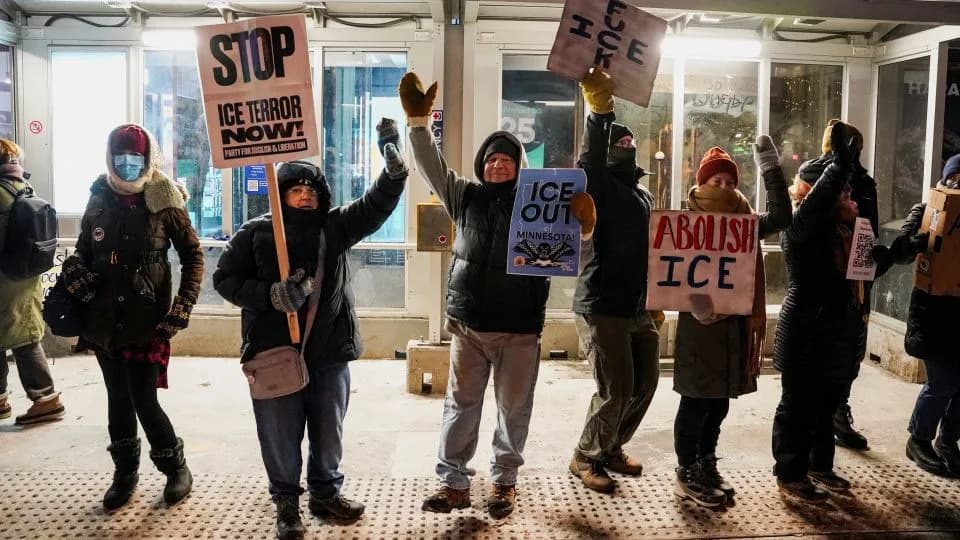
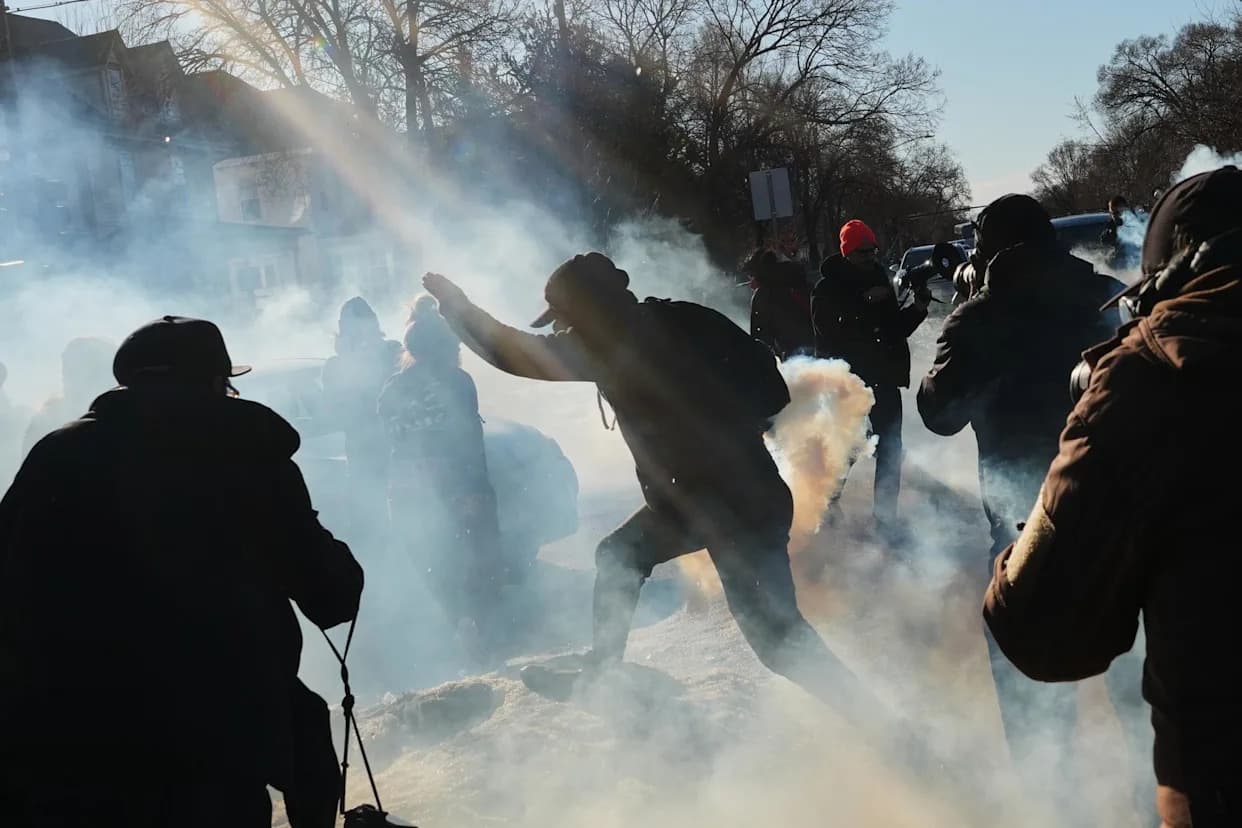
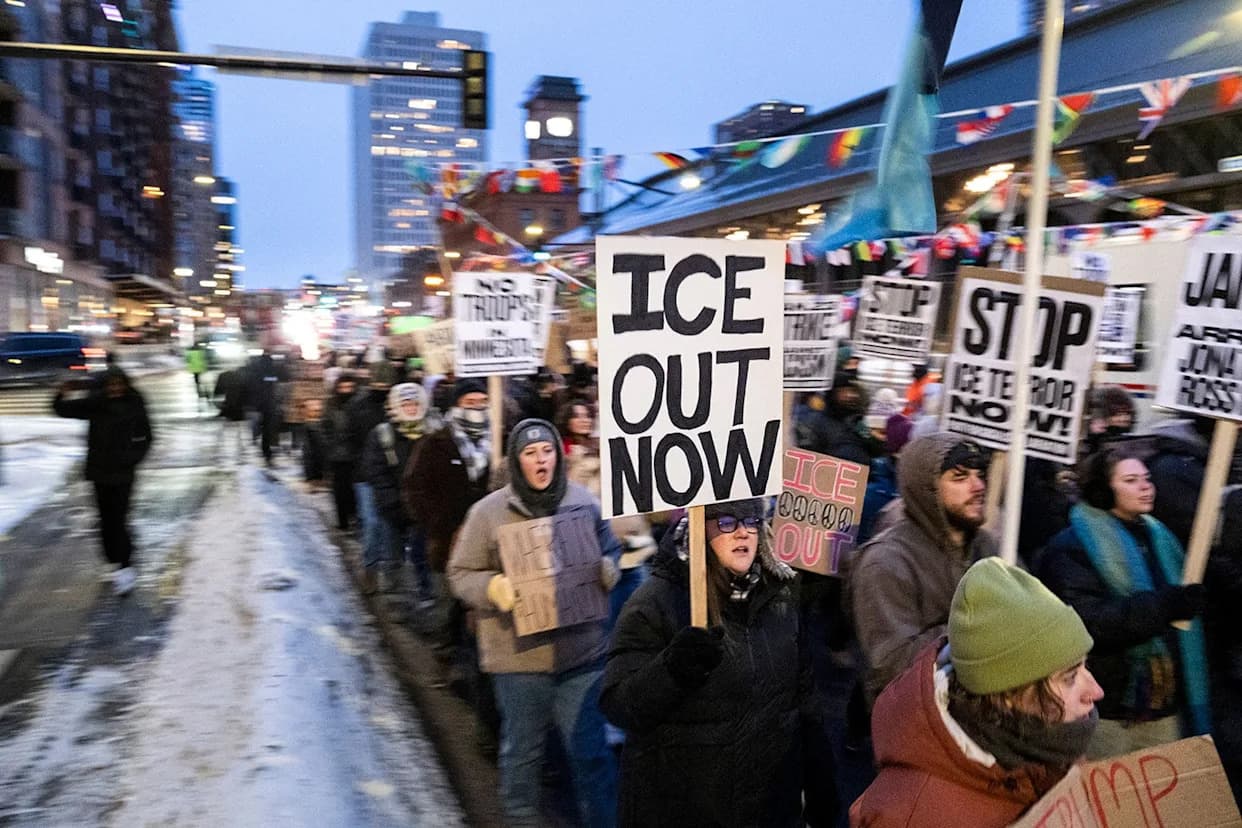
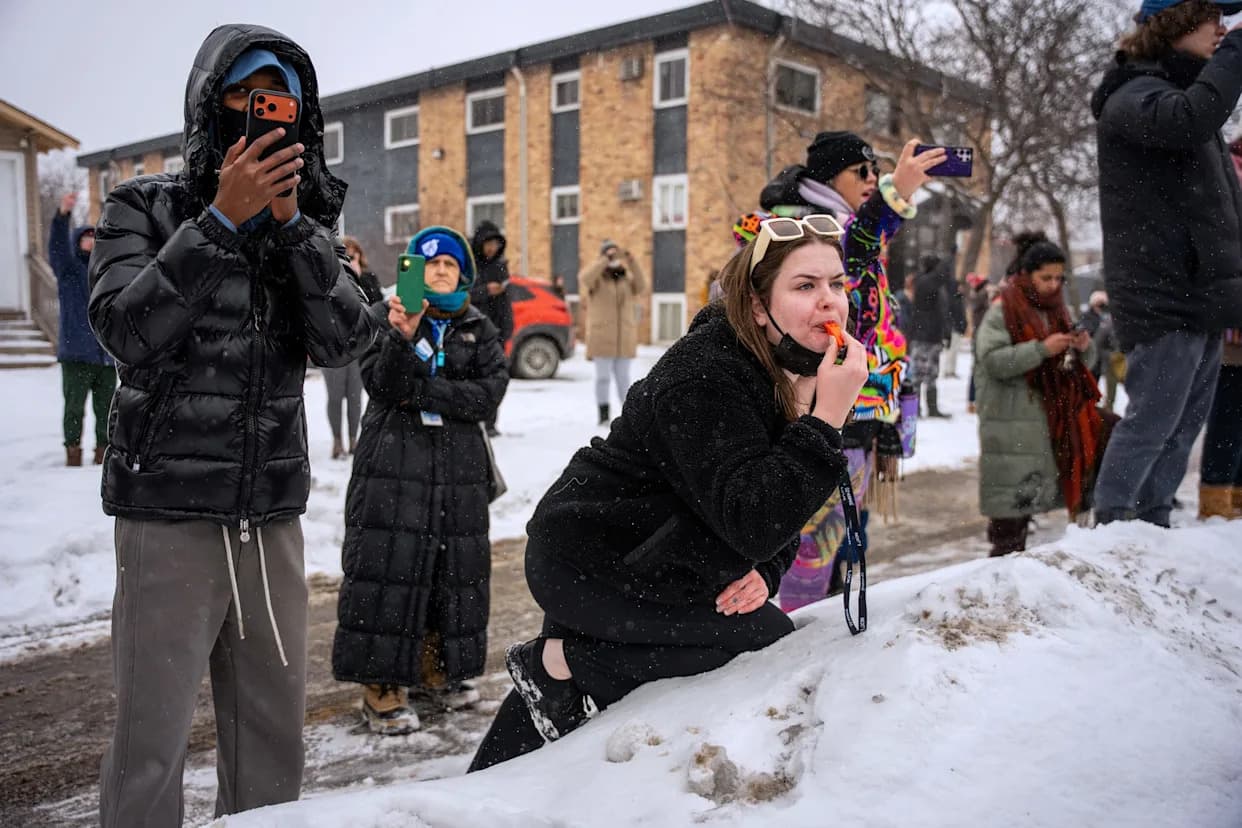
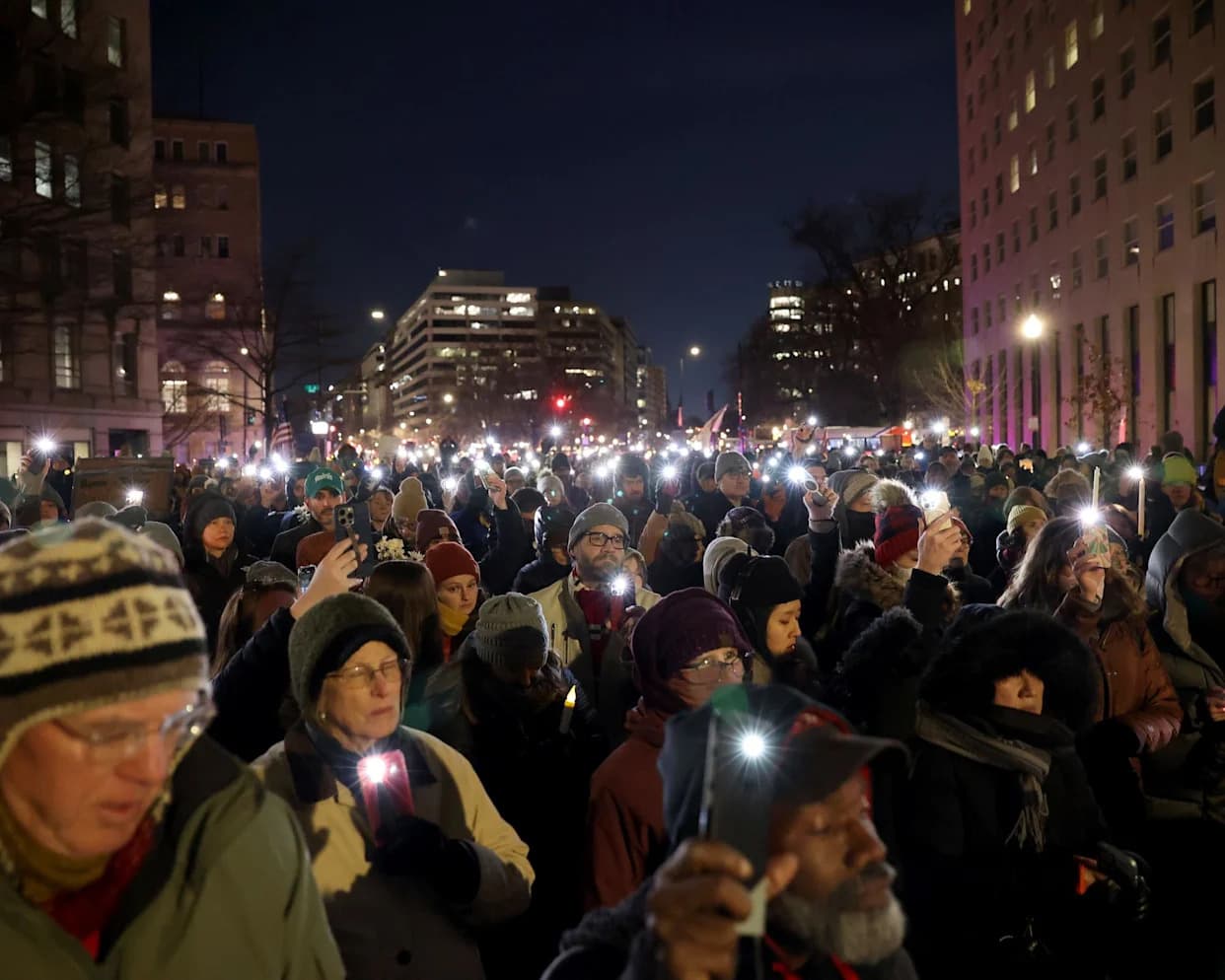
Building on networks formed during the protests after George Floyd’s murder, Minneapolis residents organized rapidly and precisely. Volunteers stood watch in immigrant neighborhoods, monitored ICE activity, trained more than 65,000 people in how to legally observe enforcement, and used coordinated tactics — whistles, car horns, Signal chats, mass demonstrations, strikes, and civil disobedience — to protect residents and reduce the risk of violence.
Turning Point And Political Fallout
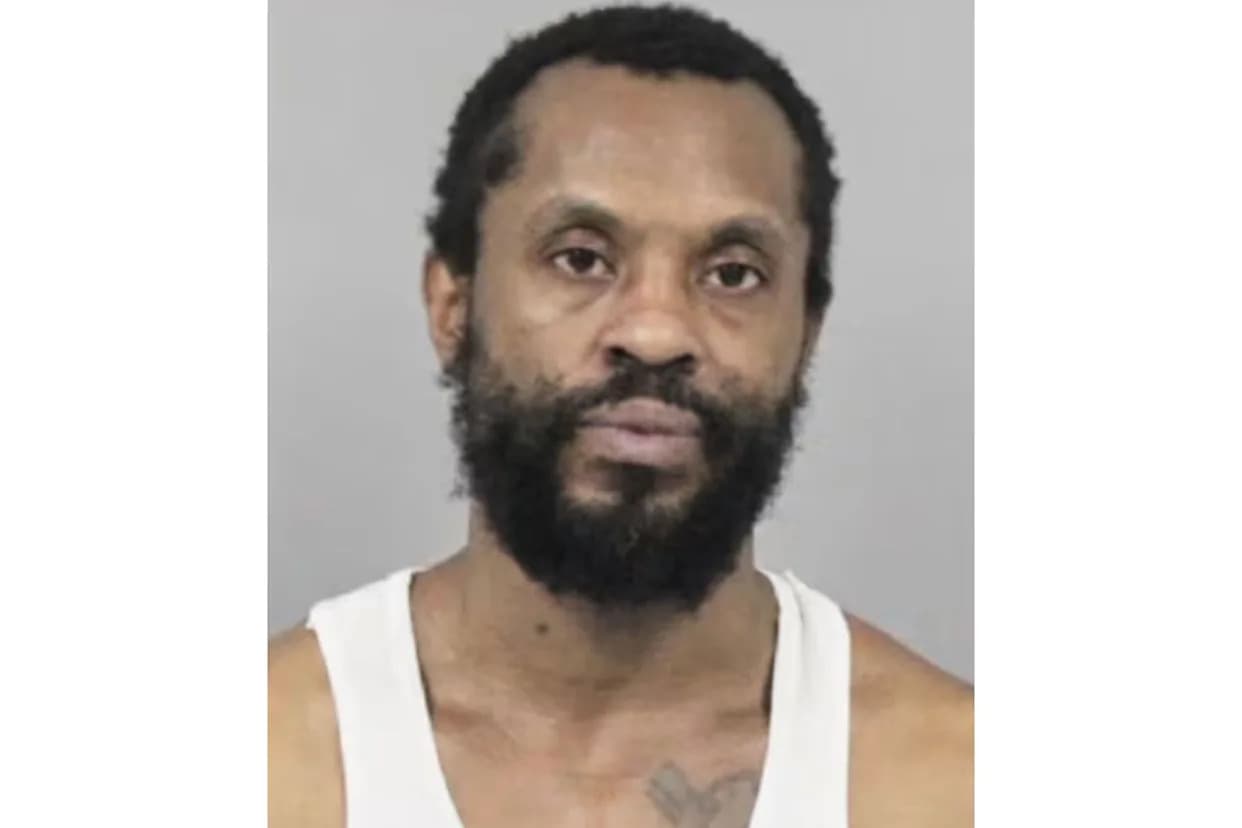
The killing of Alex Pretti by immigration agents was a watershed moment. Video and eyewitness accounts contradicted initial official claims that characterized Pretti as an armed "terrorist," and the administration’s misleading statements and push for immunity for agents intensified bipartisan alarm. Only after these revelations did some Republican lawmakers openly question the operation, and the mounting political cost appears to have prompted a pullback.
Why It Matters
Minneapolis’s response illustrates how organized civic resistance can check federal overreach and protect civil liberties. The episode also highlights the stakes of allowing militarized federal interventions to proceed unchecked: when communities refuse to comply, they can expose abuses, change the political calculus, and force accountability.
Help us improve.