An Amnesty International report, based on interviews with 25 North Korean escapees, documents a pattern of arbitrary and severe punishments for viewing South Korean TV and other foreign media. Penalties range from public humiliation and long forced-labour sentences to execution, and outcomes often depend on wealth or connections. The report highlights public executions and forced attendance as instruments of terror and urges Pyongyang to repeal restrictive information laws and abolish related death penalties.
Amnesty: North Korea Uses Executions and Harsh Penalties for Watching South Korean TV
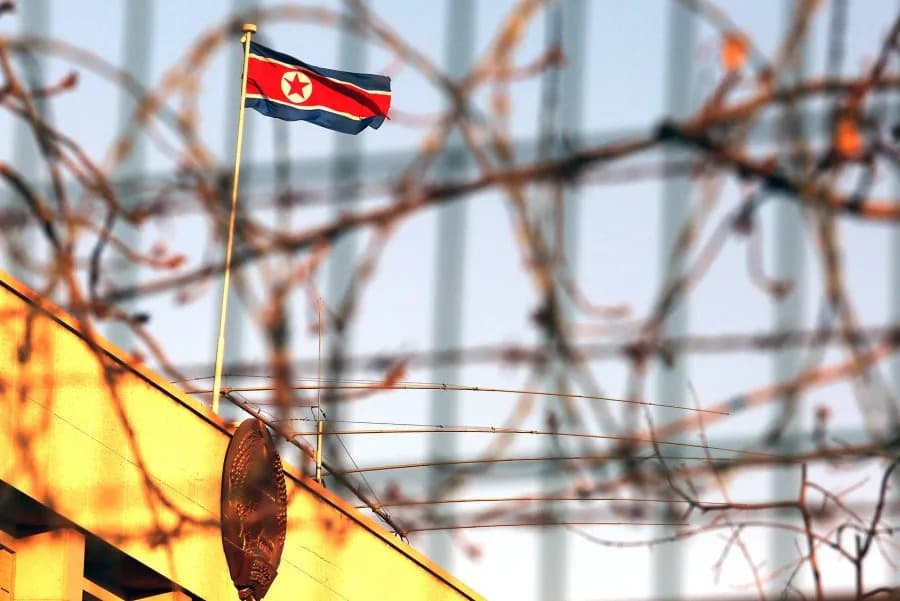
North Korea is punishing citizens caught watching South Korean television with forced labor and even death, according to an Amnesty International report released Wednesday. File Photo by Stephen Shaver/UPI
An Amnesty International report released Wednesday says North Korea enforces arbitrary and disproportionately severe punishments — including executions — against people caught viewing South Korean television or other foreign media.
The report draws on interviews with 25 North Korean escapees who fled between 2012 and 2020. It describes a pervasive underground market for smuggled dramas, films and music, while showing how outcomes for those caught vary sharply depending on wealth, social connections and chance.
How Punishments Vary
Interviewees recounted a spectrum of penalties: public shaming, multi-year sentences in forced-labour camps, and in some cases executions. Several witnesses said officials routinely accept bribes to reduce or avoid punishment — sometimes sums as large as $10,000 — meaning that "punishment depends entirely on money," as one escapee told Amnesty.
"These testimonies show how North Korea is enforcing dystopian laws that mean watching a South Korean TV show can cost you your life — unless you can afford to pay," said Sarah Brooks, Deputy Regional Director of Amnesty International. "The authorities criminalize access to information in violation of international law, then allow officials to profit off those fearing punishment."
Tools of Intimidation
The report documents the deliberate use of public executions and forced attendance at executions to intimidate communities. One interviewee recalled being taken as a middle-school student to witness an execution for watching or distributing South Korean media and described the event as "ideological education."
Legal Changes and the Pandemic
Authorities tightened controls on foreign information after sealing borders and increasing internal restrictions during the COVID-19 pandemic. A 2020 law banning so-called "anti-reactionary thought" prescribes up to 15 years of forced labour for possessing foreign media and allows the death penalty for large-scale distribution of South Korean dramas, films or music.
Despite these risks, many North Koreans continue to access smuggled content via USB drives and other covert devices, according to interviewees.
Context and International Findings
Amnesty's findings echo longstanding conclusions from the U.N. Commission of Inquiry and other rights monitors. A landmark 2014 U.N. report catalogued crimes against humanity — including torture, rape, executions, deliberate starvation and forced labour — and a follow-up U.N. assessment released in 2025 found that North Korea’s human rights situation "has not improved over the past decade and, in many instances, has degraded." The U.S. State Department’s 2024 Country Report on Human Rights Practices similarly documented executions, physical abuse and arbitrary detention as central tools of state control.
Amnesty's Recommendations
Amnesty calls on Pyongyang to repeal laws that criminalize access to information, abolish the death penalty for media-related offences and take concrete steps to protect freedom of expression, movement and access to information.
"This government's fear of information has effectively placed the entire population in an ideological cage, suffocating their access to the views and thoughts of other human beings," Brooks said. "People who strive to learn more about the world outside North Korea, or seek simple entertainment from overseas, face the harshest of punishments."
Help us improve.