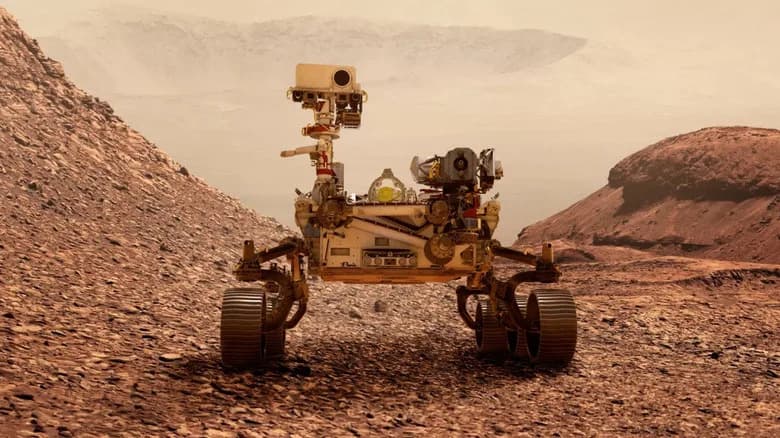
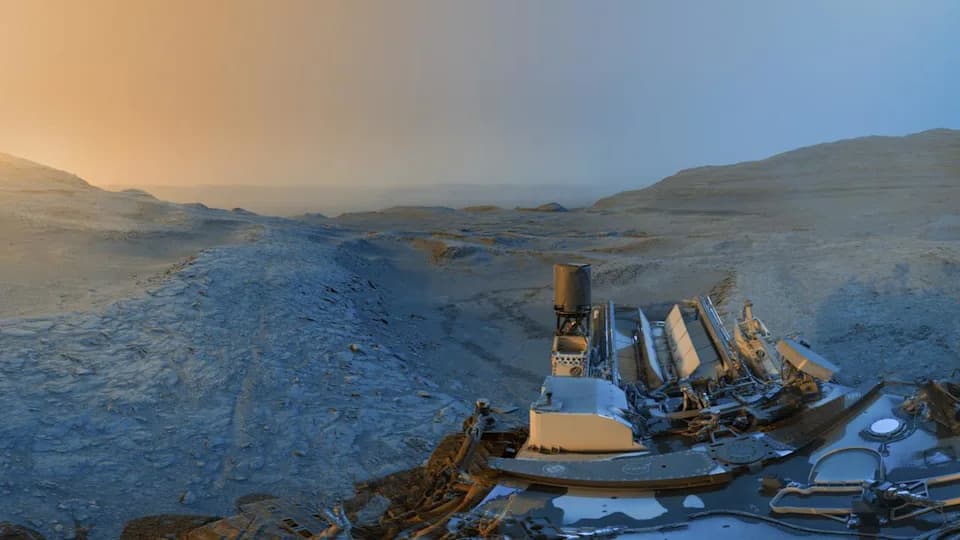
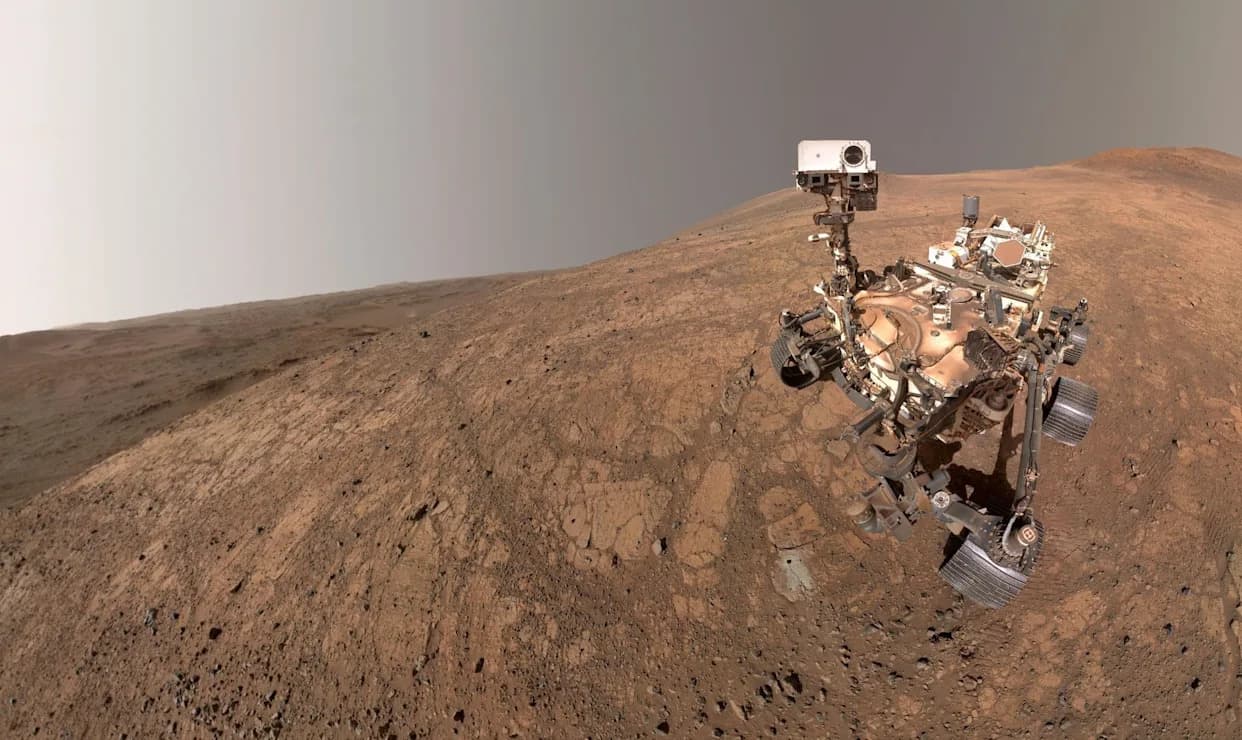
NASA's Perseverance rover completed its first drives planned entirely by generative AI on Dec. 8 and Dec. 10, 2025. Using imagery from the Mars Reconnaissance Orbiter and terrain-slope models, the AI identified hazards and plotted navigation waypoints. After validation with a detailed digital twin, Perseverance drove nearly 1,500 feet (456 meters). NASA and partners say the capability could cut operator workload and boost science as missions travel farther from Earth.
Perseverance Completes First Mars Drives Planned Entirely By Generative AI
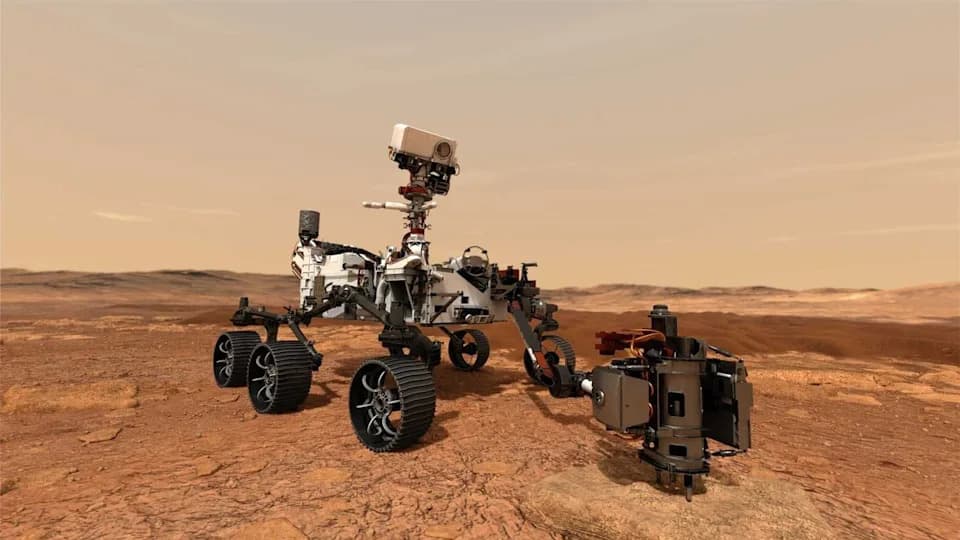
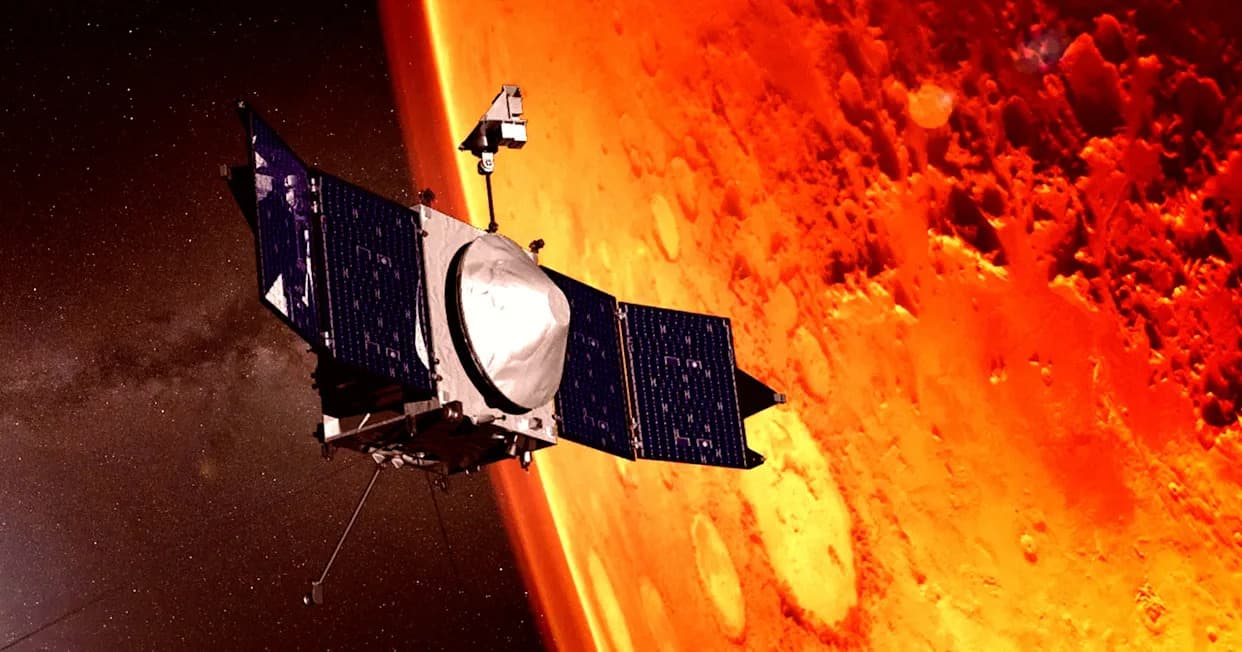
Credit: NASA/JPL-Caltech
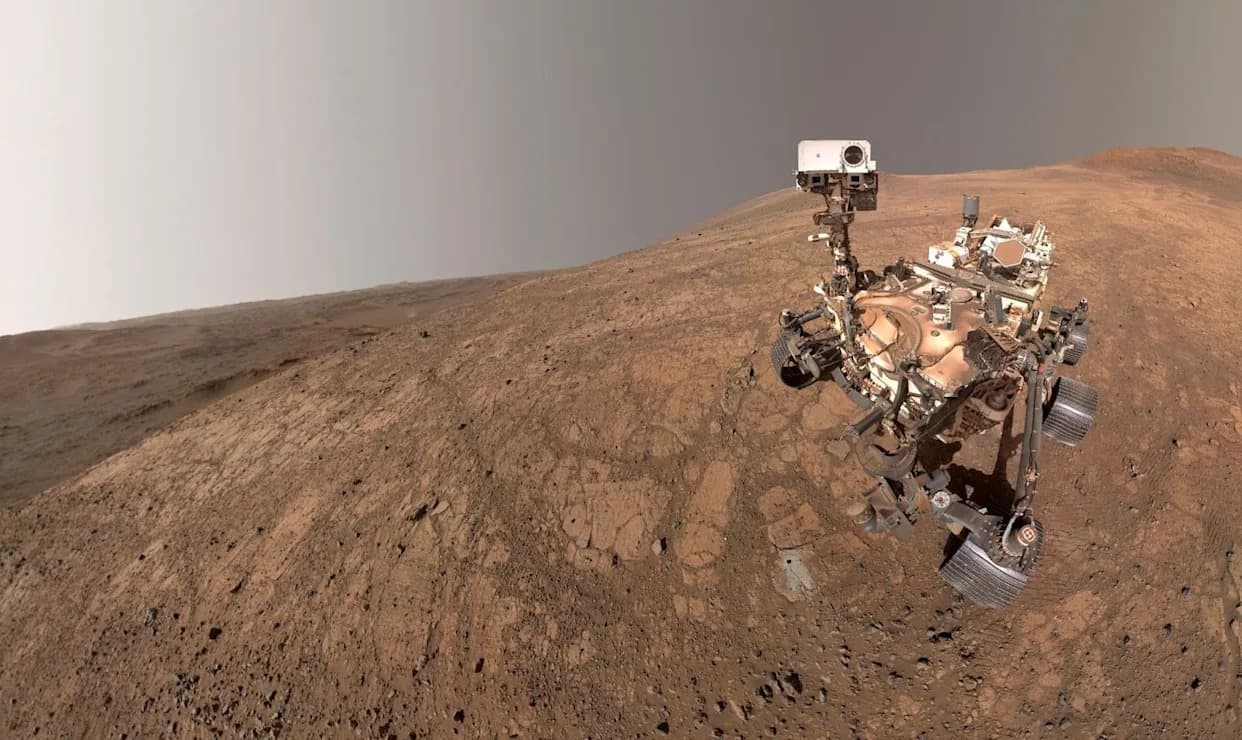
NASA's Perseverance rover completed its first drives on Mars planned entirely by generative artificial intelligence, the agency announced. The demonstration, carried out on Dec. 8 and Dec. 10, 2025, tested whether AI can safely and reliably plan routes across Mars' rugged surface without step-by-step human direction.
What The Test Entailed
Engineers at NASA's Jet Propulsion Laboratory (JPL), which built and operates the car-sized rover, worked with Anthropic and its Claude models to produce the AI-generated routes. The system analyzed the same imagery and datasets human planners use — including photos from the Mars Reconnaissance Orbiter (MRO) and terrain-slope models — to identify hazards such as rocks, steep slopes and boulder fields, then plotted navigation waypoints the rover should reach in sequence.
Execution And Safety Measures
Before any commands were uplinked, the mission team validated the AI plans using a detailed "digital twin" of Perseverance to confirm the rover could safely carry out the routes. The rover ultimately drove nearly 1,500 feet (about 456 meters) across both tests. During drives, waypoints appear as fixed surface coordinates (visually shown in mission video as blue circles) and the rover evaluates alternate local paths autonomously as it moves.
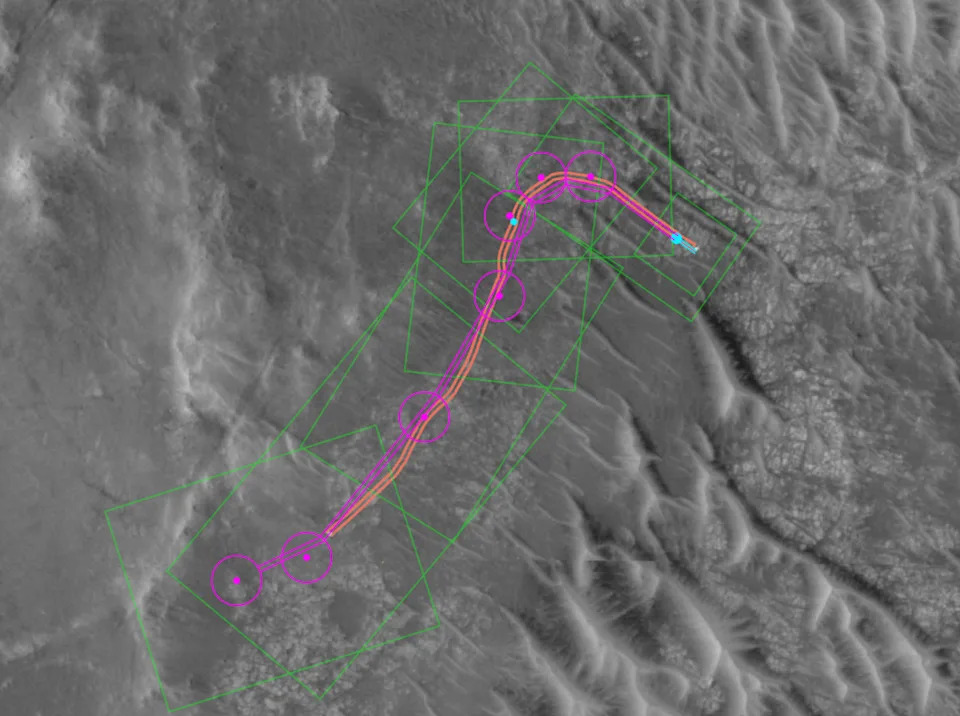
This annotated orbital image depicts the AI-planned (depicted in magenta) and actual (orange) routes the Perseverance Mars rover took during its Dec. 10, 2025, drive at Jezero Crater. The drive was the second of two demonstrations showing that generative AI could be incorporated into rover route planning. | Credit: NASA/JPL-Caltech/UofA
“This demonstration shows how far our capabilities have advanced and broadens how we will explore other worlds,” NASA said in a statement, noting that autonomous technologies can help future missions operate more efficiently and increase science return.
Because Mars averages roughly 140 million miles (225 million kilometers) from Earth, communication delays make real-time control impossible. For decades, human planners have hand-crafted daily routes and typically set waypoints spaced roughly 330 feet (100 meters) apart to minimize risk. The AI approach aims to automate that labor-intensive process and reduce operator workload.
Implications For Future Exploration
JPL roboticist Vandi Verma, a member of the Perseverance engineering team, said the tests show generative AI can streamline core elements of autonomous navigation and help rovers handle kilometer-scale drives while flagging scientifically interesting targets from large image sets. The demonstration points toward missions that can travel farther, respond to hazards more rapidly, and return more science as spacecraft operate at greater distances from Earth.
Partners: NASA/JPL led the test in collaboration with Anthropic, using the company's Claude AI models. Communications: Commands were sent via NASA's Deep Space Network after ground validation.
Help us improve.