The Interior Department, led by Secretary Doug Burgum, brought seven Colorado River basin governors to Washington to try to resolve a bitter standoff over shrinking river flows; no agreement was reached. The dispute centers on whether lower-basin states (Arizona, California, Nevada) must accept cuts so upper-basin states can develop into century-old allotments. Federal officials now favor a short-term five-year deal as a pragmatic compromise while plunging snowpack and reservoir projections raise the risk of federal intervention or a legal fight that could reach the Supreme Court.
Washington Steps In As Colorado River Crisis Deepens — Burgum Convenes Seven-State Summit
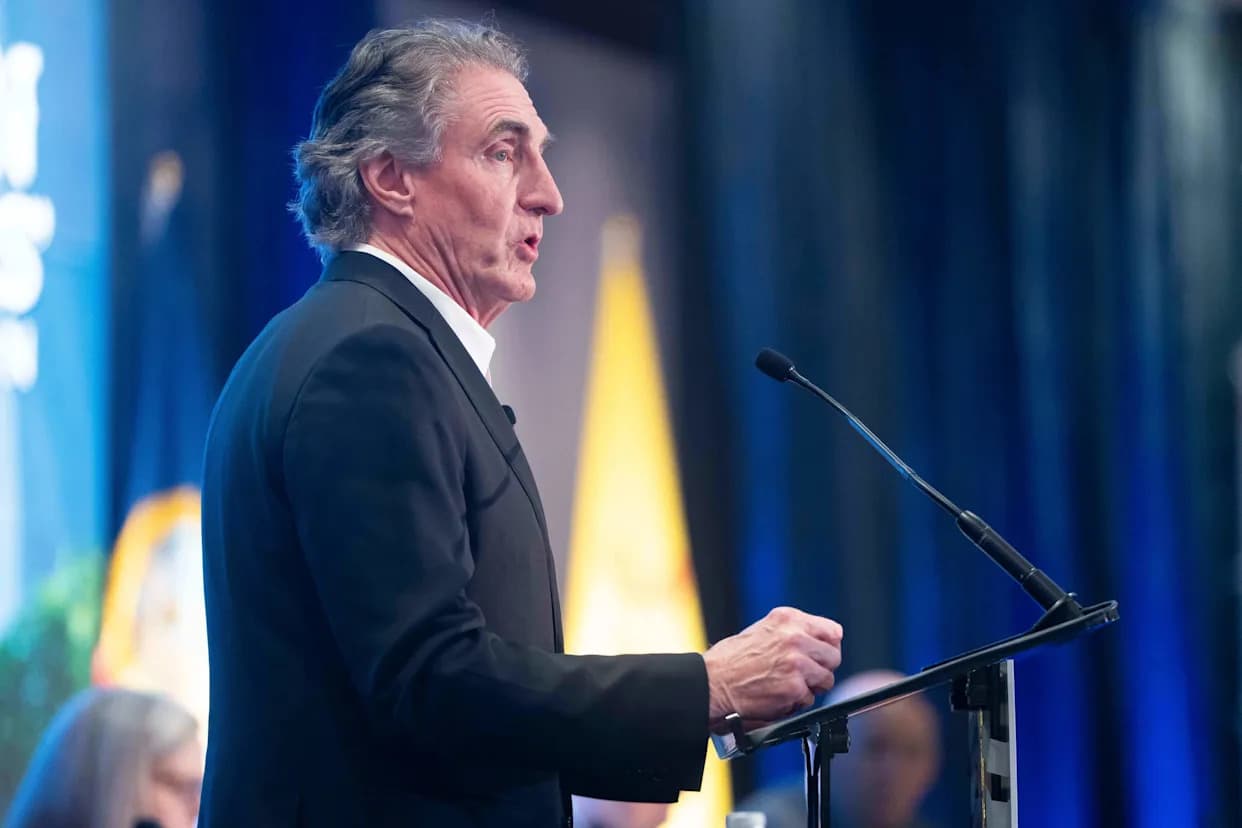
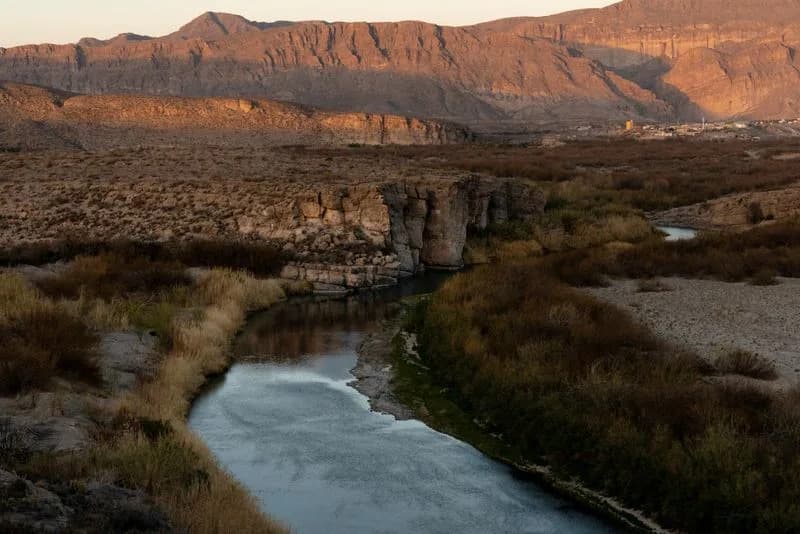
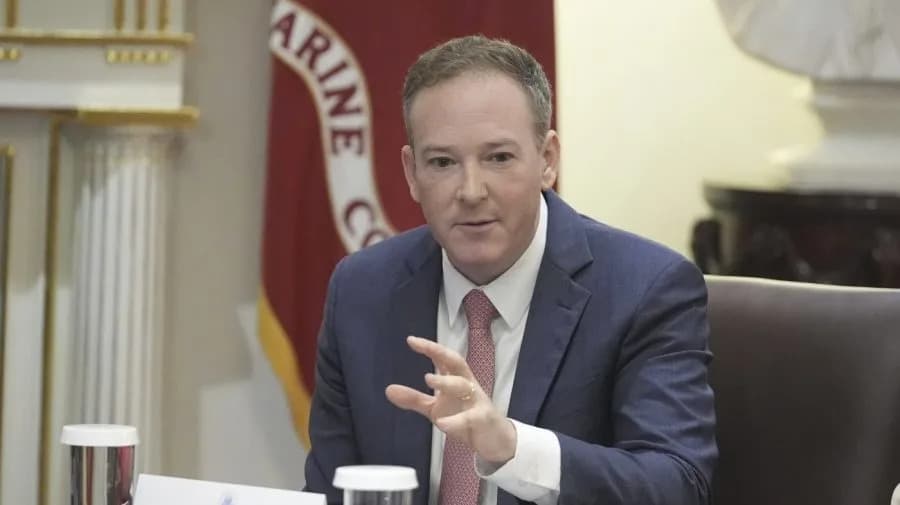
Interior Secretary Doug Burgum convened governors and senior water negotiators from the seven Colorado River basin states on Friday as the federal government moved into a high-stakes effort to address rapidly shrinking flows. The meeting — more than two hours in Burgum’s office — produced no breakthrough, underscoring how deeply divided states remain over how to share a river that supports roughly 40 million people and 5.5 million acres of farmland.
What Happened
Burgum’s session brought most basin governors and their lead negotiators together in an attempt to forge a new agreement allocating Colorado River water after years of drought and declining snowpack. The Trump administration had sought a longer-term, two-decade framework but, amid persistent impasse, federal officials are now promoting a shorter, five-year deal as a pragmatic step toward compromise.
Central Tension
The core dispute pits lower-basin states — Arizona, California and Nevada — against upper-basin states — Colorado, Utah, New Mexico and Wyoming. Lower-basin leaders say they may face steep, immediate cuts because many of their water deliveries have lower-priority legal rights under the region’s century-old allocation system. Upstream states insist any contributions to conservation must be voluntary, while lower-basin officials, including Arizona Gov. Katie Hobbs, say they need firm, measurable sacrifices from upstream states to sign on to a deal.
“This is one of the toughest challenges facing the West, but the Department remains hopeful that, by working together, the seven basin governors can help deliver a durable path forward,” Burgum said in a Department of the Interior statement.
Politics and Process
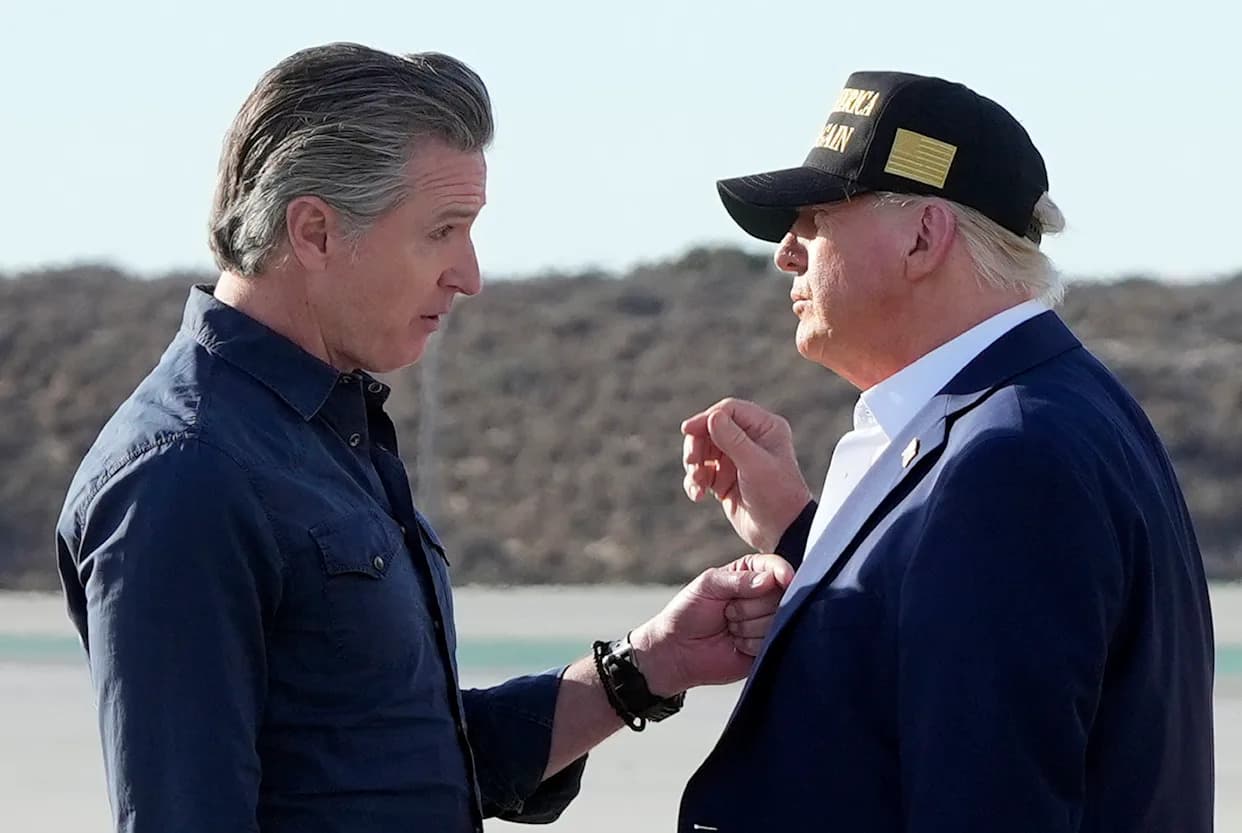
Observers warned Burgum’s direct involvement risks injecting partisan tensions into what has historically been treated as a regional, largely nonpartisan water-management issue. Political frictions were already visible: President Trump recently vetoed a unanimously approved bill to complete a small water project in southeast Colorado and has publicly clashed with some governors over water policy.
California Gov. Gavin Newsom did not attend the meeting in person, citing a long-planned family trip; he was represented by California Natural Resources Secretary Wade Crowfoot. Attending governors emphasized a preference for negotiation rather than litigation, but several said they do not expect a deal by the administration’s Feb. 14 target.
Federal Role And Staffing Concerns
Sources identified Associate Deputy Administrator Karen Budd-Falen as Interior’s top political official on the Colorado River talks. Budd-Falen, a Wyoming attorney who attended the meeting, has advocated a limited federal role and states’ rights. She has also faced scrutiny over her husband’s water-rights contract with a lithium mine approved during her prior service at Interior.
Deadlines, Risks And Possible Federal Actions
The immediate calendar adds urgency. The current rules expire at the end of the year; Interior must set 2027 delivery schedules by Oct. 1. If the states fail to reach an agreement, the department would have to decide allocations unilaterally. Earlier this month, Interior released a draft environmental impact statement outlining how it could act.
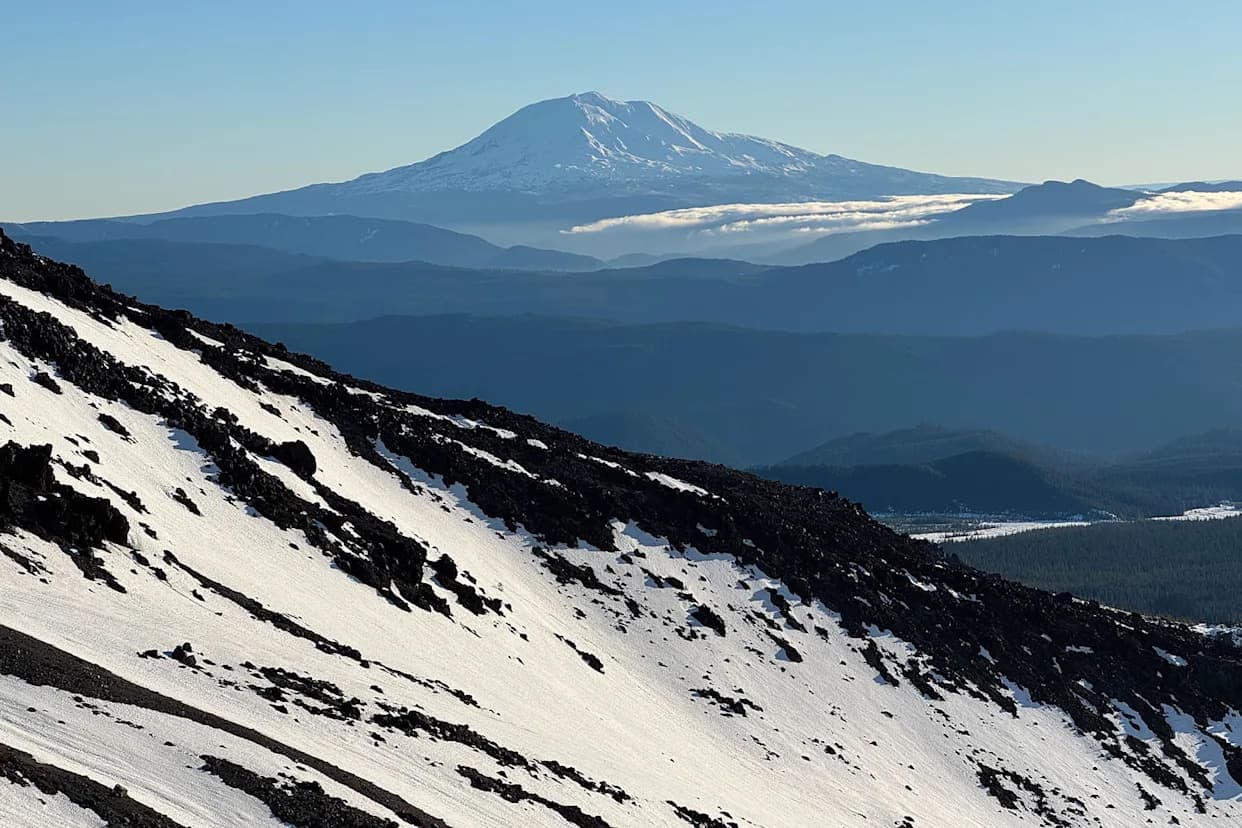
Natural conditions could force decisions even sooner. Snowpack in the river’s headwaters is off to a poor start — roughly 65 percent of median in parts of the upper basin — which experts say could translate into about 50 percent of typical spring and summer runoff. Interior projections show the water level behind Glen Canyon Dam at Lake Powell could fall low enough to threaten hydropower generation and downstream deliveries as soon as September.
To avert that outcome, the Bureau of Reclamation could either release water from upstream reservoirs to bolster Lake Powell — a contentious option with upstream states — or reduce releases from Lake Powell to Lake Mead downstream, which would directly affect Arizona, Nevada and California and touch the core negotiation dispute.
Failing to maintain the 10-year rolling average of deliveries from Lake Powell to Lake Mead could trigger a legal “tripwire” and potentially a Supreme Court case — a worrying prospect for managers because such a dispute would be decided by justices, most of whom are not from the West, with major economic consequences for the region.
Outlook
With deep disagreements over mandatory versus voluntary cuts, looming deadlines, and worsening hydrology, officials say a short-term, five-year agreement may be the best immediate outcome. But if winter conditions remain poor and negotiations stall, the federal government may be forced to make unilateral decisions that could reshape water allocations across the Southwest.
Camille von Kaenel contributed to this report.
Help us improve.