The U.S. has told Gavi it must phase out thimerosal-containing vaccines as a condition for receiving U.S. funds, an HHS official and Gavi confirmed to Reuters. Thimerosal is used to preserve multi-dose vials that are cheaper and easier to distribute in low- and middle-income countries. The WHO says decades of research show no convincing evidence that thimerosal poses a health risk, and Gavi says any portfolio change would require board approval and follow scientific consensus. The U.S. demand affects a remaining $300 million pledged and any future funding.
U.S. Conditions Gavi Funding on Phasing Out Mercury-Based Preservative in Vaccines
FILE PHOTO: The Vaccine Alliance (GAVI) logo and U.S. flag are seen in this illustration taken April 23, 2025. REUTERS/Dado Ruvic/Illustration/File Photo
London, Jan 28 – The U.S. government has told the global vaccine alliance Gavi that it must phase out vaccines containing the preservative thimerosal as a condition for receiving U.S. funding, a U.S. Department of Health and Human Services official and a Gavi spokesperson told Reuters.
This demand, first reported by Reuters, is the latest example of U.S. efforts to influence international health policy and has raised concern among public health experts about potential impacts on vaccine access in low- and middle-income countries.
Background and Funding Implications
An HHS official told Reuters:
"Until a plan for removal of thimerosal-containing vaccines is developed and the plan initiated, the United States will withhold future new funding."The request, the official said, applies both to a remaining $300 million that the U.S. had pledged to Gavi with Congressional approval and to any future U.S. contributions. The United States previously accounted for roughly 13% of Gavi's funding.
Why Thimerosal Is Used
Thimerosal is a mercury-containing preservative used to keep vaccines stable in multi-dose vials. Gavi and the World Health Organization (WHO) say multi-dose vials make vaccination campaigns cheaper and easier to deliver in low- and middle-income countries, where cold-chain logistics and cost constraints make single-dose vials less practical.
Safety and Scientific Context
Concerns about thimerosal arose in the 1990s because it contains ethylmercury, but decades of research and multiple reviews by public health agencies and the WHO have found no convincing evidence that thimerosal in vaccines causes neurodevelopmental disorders such as autism. The WHO emphasizes that the known benefits of vaccination far outweigh hypothetical risks associated with thimerosal.
Political and Advocacy Context
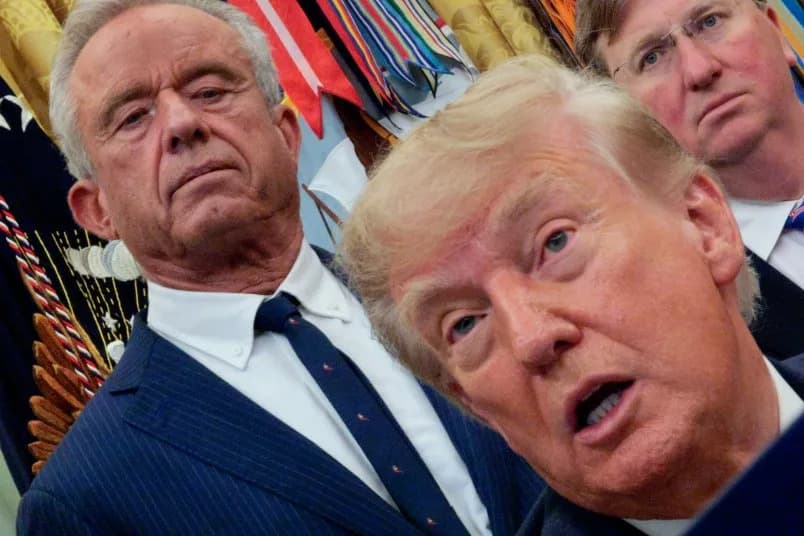
The reporting links the funding demand to a broader U.S. policy stance. The article notes that Robert F. Kennedy Jr., founder of the advocacy group Children’s Health Defense and a prominent vaccine critic, has long campaigned against thimerosal and other vaccine components. Kennedy is not a government Health Secretary; he is an activist and political figure whose views are at odds with mainstream scientific consensus.
Gavi Response and Next Steps
Gavi confirmed that the U.S. requested removal of thimerosal-containing products from its portfolio and said discussions are ongoing. The alliance stressed that any change to its vaccine portfolio would require a formal decision by Gavi's board and input from governance committees and would be guided by scientific consensus.
Public health experts warn that removing thimerosal without feasible alternatives could increase costs and complicate vaccine delivery in settings that rely on multi-dose vials, potentially slowing immunization campaigns and leaving more children unprotected from preventable diseases.
(Reporting by Jennifer Rigby; Editing by Michele Gershberg and Bill Berkrot)
Help us improve.