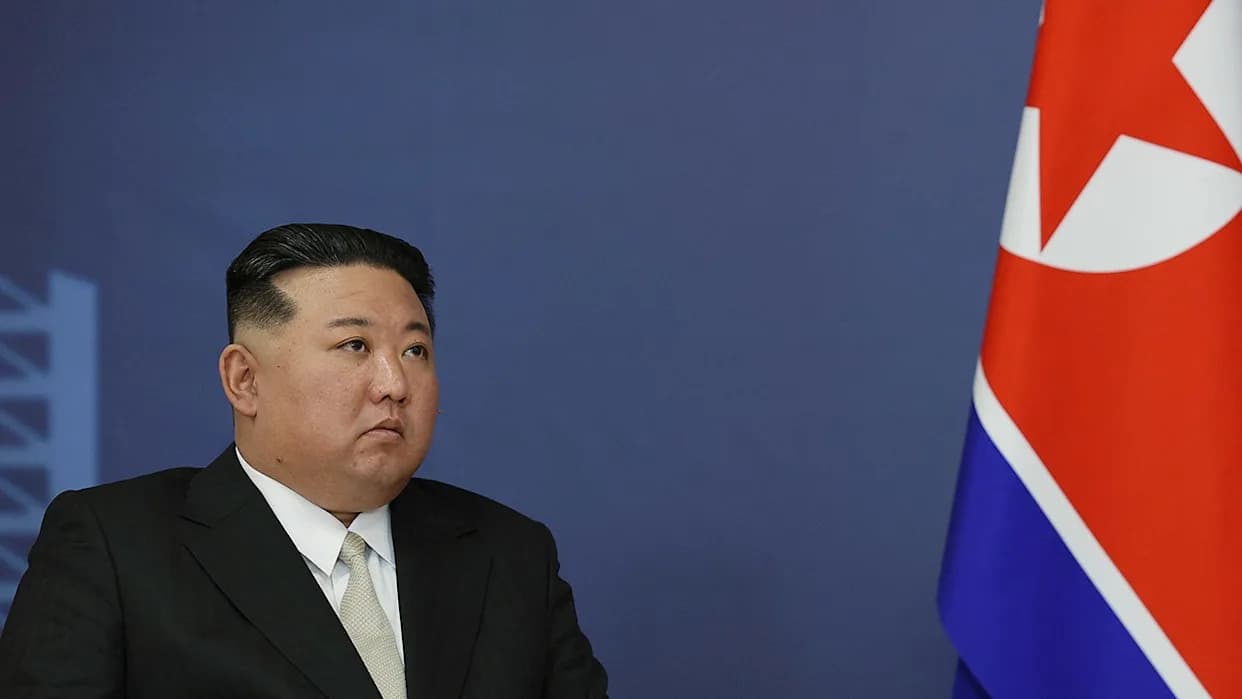
The Trump administration's HHS has come under fire for supporting a Guinea-Bissau study that would withhold the hepatitis B vaccine from some infants to examine broader health effects. Critics, including prominent medical experts, say the design evokes the abuses of the Tuskegee experiment and raises serious ethical and racial concerns. Africa CDC said the trial was canceled pending ethical review, while HHS insists the research could fill knowledge gaps about hepatitis B vaccine effects.
HHS Backs Controversial Guinea-Bissau Vaccine Trial — Critics Warn of Tuskegee Echoes

The Department of Health and Human Services (HHS) under the Trump administration has drawn sharp criticism for supporting a vaccine study in Guinea-Bissau that critics say echoes the racial abuses of the Tuskegee experiment.
Background
Public concern intensified after anti-vaccine activist Robert F. Kennedy Jr. became a prominent figure associated with HHS policy debates. Lawmakers and public-health advocates, including Sen. Angela Alsobrooks (D-Md.), warned that Kennedy's public statements and positions on vaccines raised serious questions about the agency's direction and the potential impact on communities of color.
The Guinea-Bissau Study
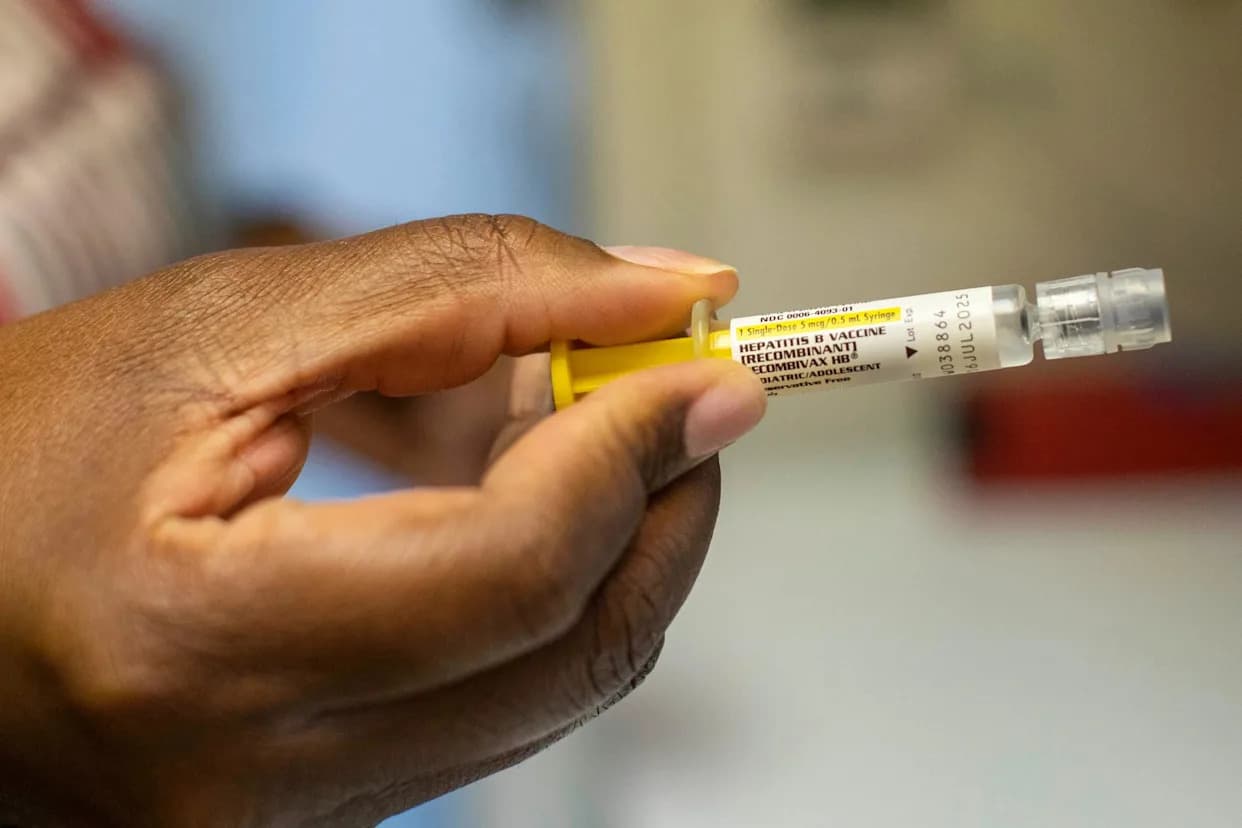
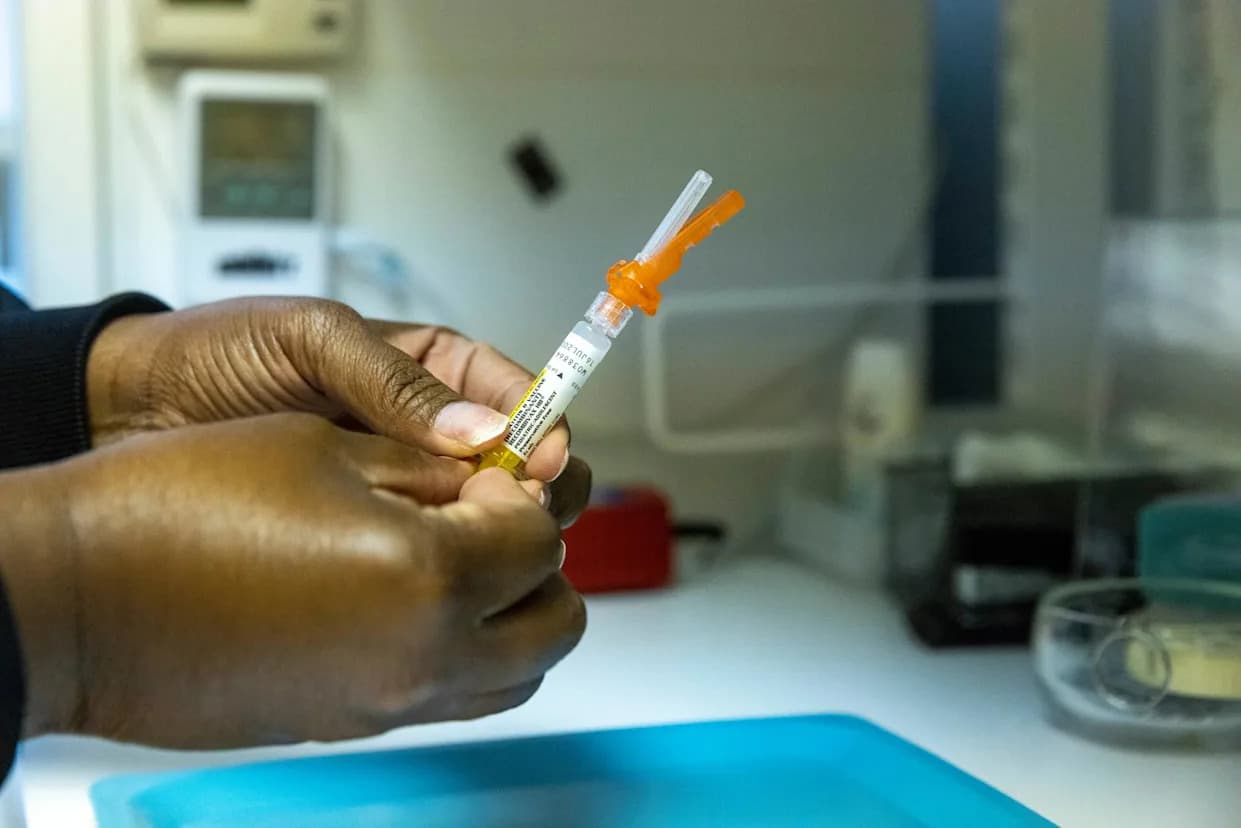
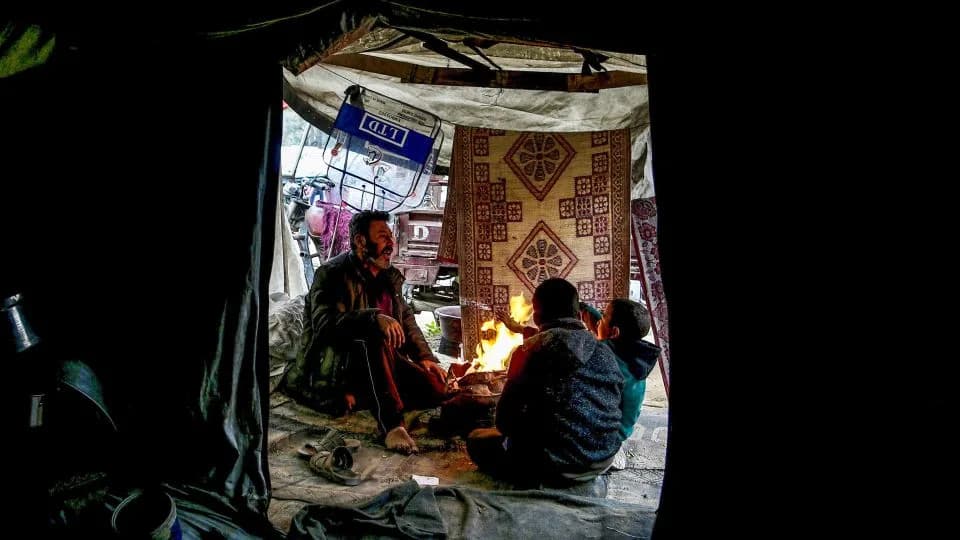
The contested trial in Guinea-Bissau proposed withholding the hepatitis B vaccine from some infants in order to study the vaccine's broader health effects. Although the hepatitis B vaccine has a long-established record of safety and effectiveness when given to infants, the study's design alarmed many health professionals because it would deliberately delay or omit a proven preventive measure for a subset of newborns.
Responses From Experts
Medical experts responded forcefully. Dr. Jeremy Faust raised ethical concerns in a series of public posts, and Dr. Paul Offit, a former FDA adviser, likened the study to a modern-day Tuskegee experiment — a reference to the historical abuse in which Black men with syphilis were denied treatment for decades. Critics argue the proposed trial repeats patterns of medical racism by testing controversial protocols on vulnerable populations in low-income countries.
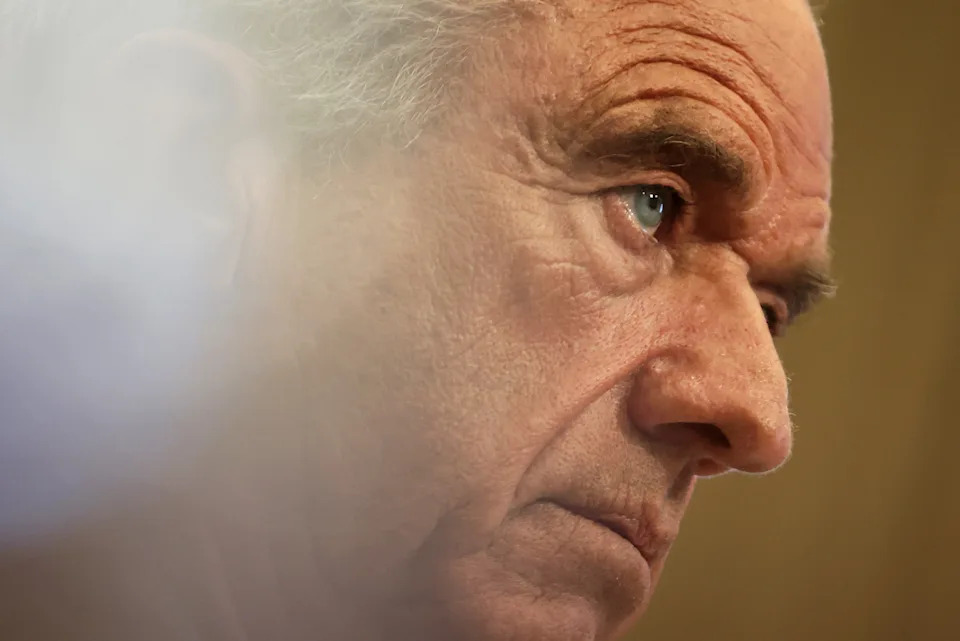
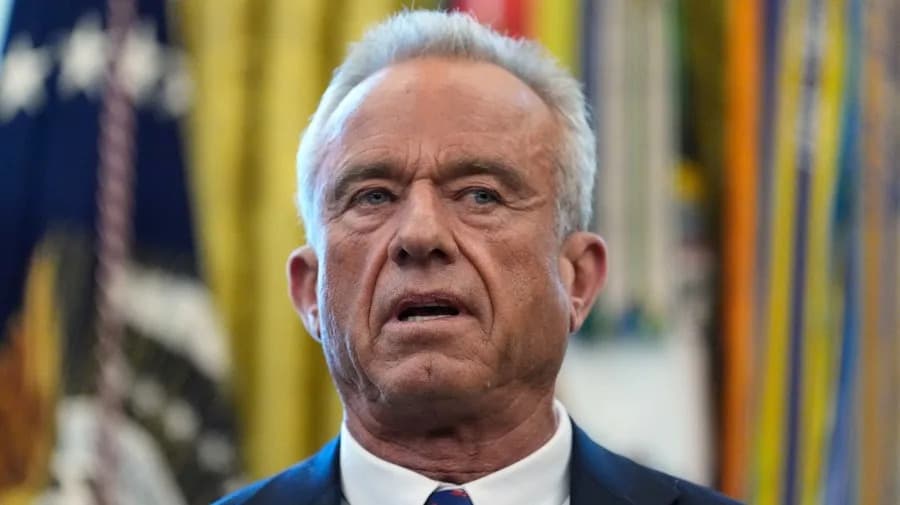
WASHINGTON, DC - MAY 14: U.S. Secretary of Health and Human Services Robert F. Kennedy Jr. testifies before the House Appropriations Committee in the Rayburn House Office Building on May 14, 2025 in Washington, DC. Kennedy is testifying before the Subcommittee on Labor, Health and Human Services, Education, and Related Agencies on the Department of Health and Human Services' proposed 2026 fiscal year budget. (Photo by Samuel Corum/Getty Images)(Samuel Corum / Getty Images)
Africa CDC, HHS, And The Controversy
The Africa Centres for Disease Control and Prevention (Africa CDC) announced that the trial had been "canceled" and said it would only proceed if ethical concerns were fully addressed. HHS disputed that characterization. An HHS spokesperson told Futurism that the trial would continue and described the research as an opportunity to evaluate overall health effects of hepatitis B vaccination.
The department maintained the study was intended to "fill existing evidence gaps to help inform global hepatitis B vaccine policy."
Critics noted the irony of HHS dismissing Africa CDC as lacking credibility while the administration itself has been accused of spreading misinformation. When asked specifically about comparisons to the Tuskegee experiment and steps to prevent avoidable harm, HHS reiterated that the project aims to answer outstanding scientific questions — a position many scientists dispute given the established safety and efficacy of infant hepatitis B vaccination.
Wider Concerns
Beyond the immediate ethical questions, commentators argue the episode reflects a troubling pattern in which powerful institutions approach health research in low-income countries with priorities that may not center participant safety and informed consent. Some critics described the administration's stance as reflecting colonial attitudes toward Africa — treating the continent as a testing ground rather than an equal partner in public health.
What Happens Next
The Africa CDC's statement made continued research contingent on resolving ethical issues. Whether the trial proceeds will depend on further review by African health authorities, the study's sponsors, and independent ethics oversight bodies. The dispute has already underscored the importance of clear ethical standards, local leadership, and transparent communication in international health research.
Note: This report summarizes public statements and expert reactions surrounding the proposed Guinea-Bissau study and HHS's response. The hepatitis B vaccine is widely regarded by public-health authorities as safe and effective for infants.
Help us improve.