Guinea-Bissau’s health minister has suspended a US-funded hepatitis B vaccine trial pending review, saying the science and approvals were insufficient. The disputed study would have given a birth dose to 7,000 infants while delaying it until six weeks for another 7,000, raising ethics concerns because WHO recommends a birth dose within 24 hours. Africa CDC will assist the national review while US officials initially insisted the trial should continue, prompting a larger debate about sovereignty, ethics and research oversight.
Guinea-Bissau Suspends US-Funded Hepatitis B Trial Citing Ethical Concerns and Sovereignty
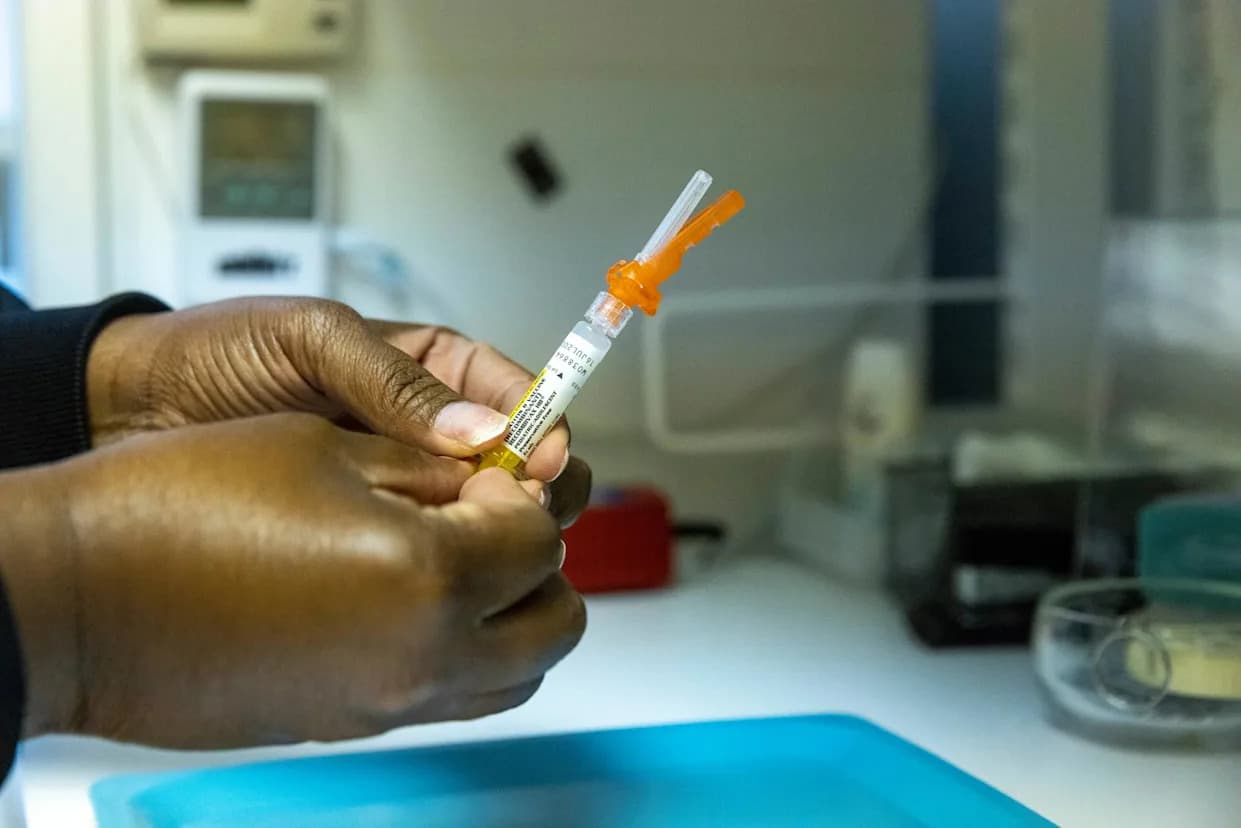
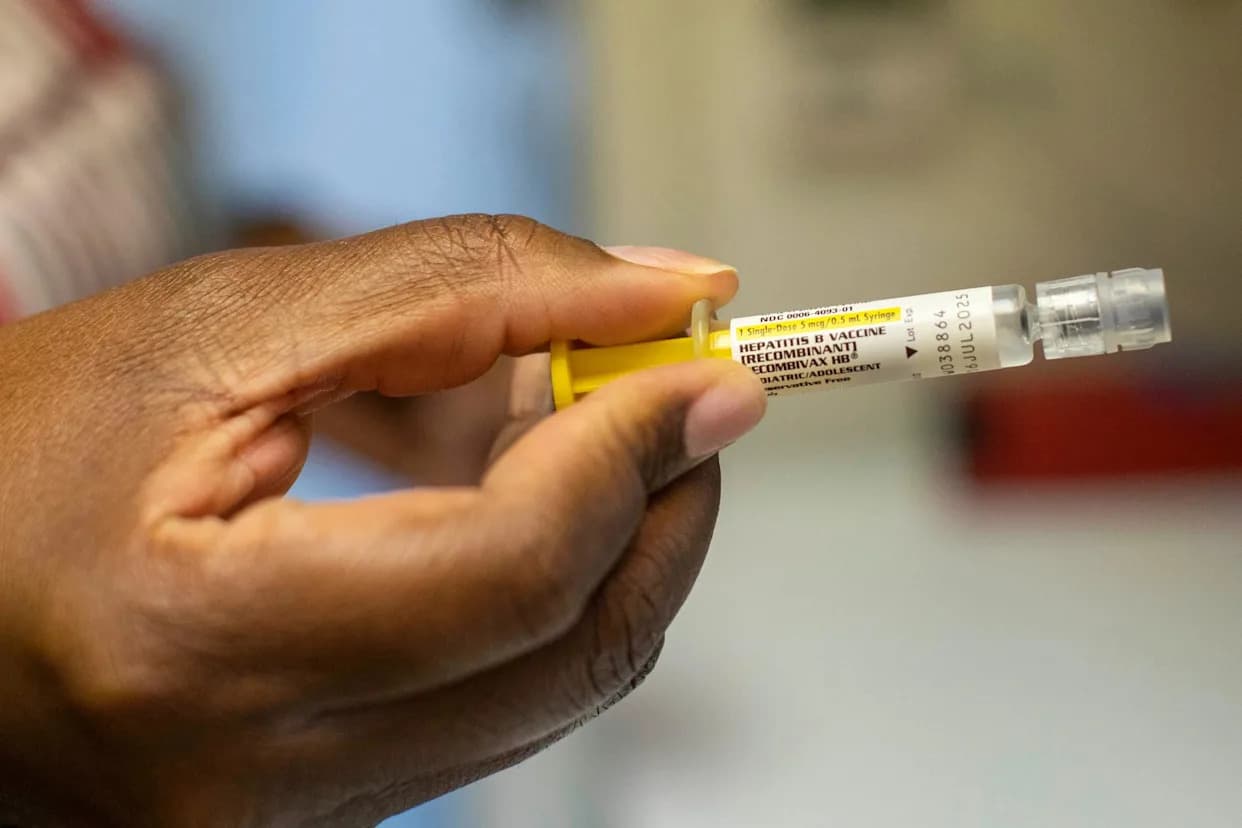
A medical professional prepares the hepatitis B vaccine.Photograph: The Washington Post/Getty Images(Photograph: The Washington Post/Getty Images)
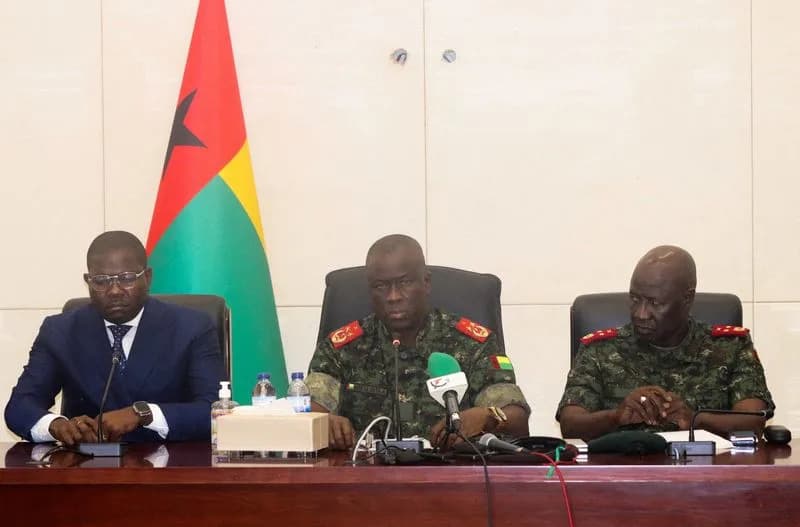
Guinea-Bissau’s newly appointed health minister announced that a US-funded hepatitis B vaccine trial has been "cancelled or suspended" pending a national review, saying the study’s design had not been adequately vetted. The announcement follows a November coup that replaced senior officials and has raised questions about who has authority to approve international research in low-income countries.
Who Is Involved
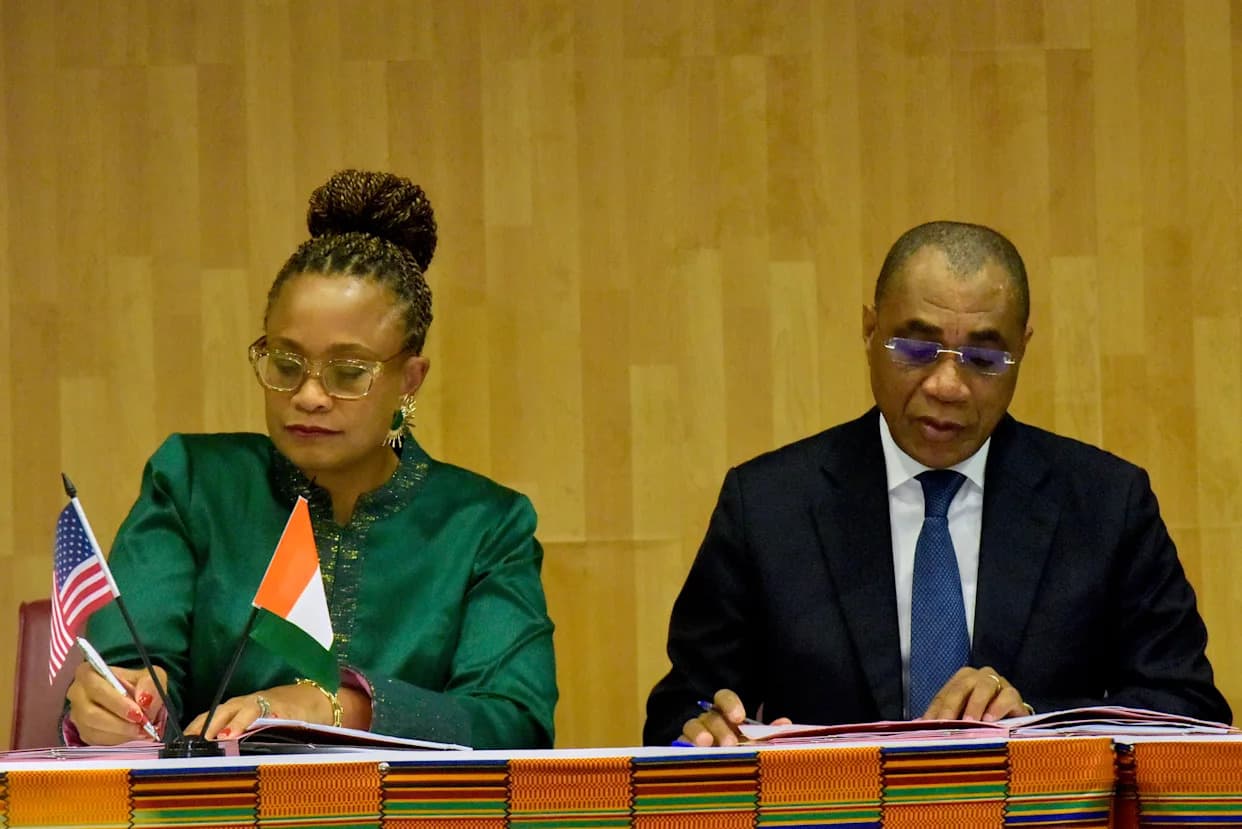
The proposed study, led by Danish researchers and funded with US support, would have given a birth dose of hepatitis B vaccine to 7,000 infants and delayed that birth dose until six weeks for another 7,000. The Africa Centres for Disease Control and Prevention (Africa CDC) has been invited to assist Guinea-Bissau’s ministry of health in reviewing the protocol, and Danish and US representatives were also asked to join the review, Africa CDC director-general Jean Kaseya said.
Ethical Dispute and Official Reactions
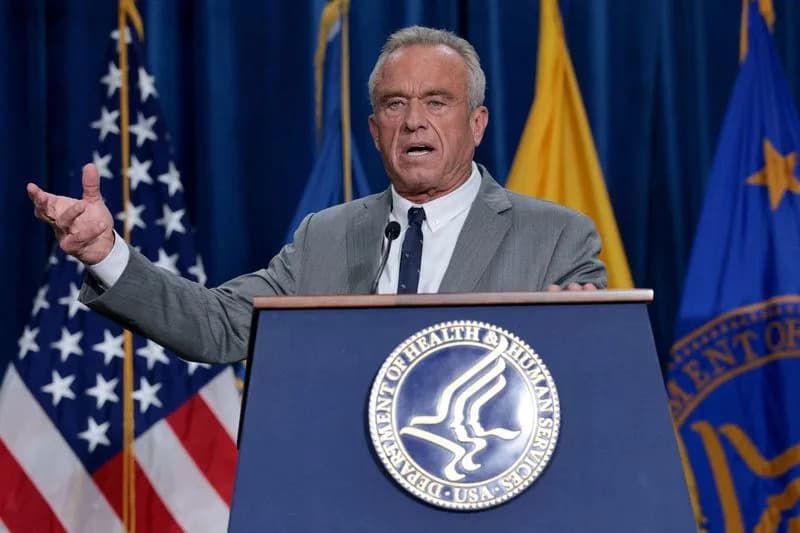
Officials differ sharply on the trial's status. Quinhin Nantote, a military doctor serving as Guinea-Bissau’s health minister, told reporters the trial had been stopped because the science had not been properly reviewed. The US Department of Health and Human Services (HHS) initially said the trial would proceed and criticized Africa CDC’s public comments; an HHS spokesperson called the organization“not a reliable source” in a disputed statement. Africa CDC and Guinea-Bissau officials dispute HHS’s characterization and emphasize the country’s sovereign right to decide.
"It’s the sovereignty of the country," Jean Kaseya said, adding that he would support whatever decision the minister of health makes.
Core Ethical Concerns
Critics say the trial risks withholding a widely recommended standard of care. The World Health Organization recommends a hepatitis B vaccine dose for all newborns within 24 hours of birth; the proposed trial would withhold that birth dose from the control group until six weeks. In Guinea-Bissau, the vaccine is currently administered at six weeks, with a nationwide newborn rollout planned for 2028. Opponents argue the protocol could deny timely protection to infants in a country where hepatitis B prevalence is high—nearly one in five adults and about 11% of young children carry the virus.
"The control group has to get the standard of care," said Abdulhammad Babatunde, a Nigerian clinician and global health researcher. "Funding should strengthen vaccine access, not use children as lab subjects."
Regulatory Gaps
An early version of the protocol was approved on Nov. 5 by Guinea-Bissau’s six-member ethics committee, the Comité Nacional de Ética em Pesquisa em Saúde (CNEPS), according to the Danish team. However, Guinea-Bissau officials say subsequent changes to the study were not reviewed by CNEPS. It is unclear whether ethics committees in Denmark or the United States reviewed the updated protocol; the Helsinki Declaration recommends review in both sponsor and host countries.
Context And Next Steps
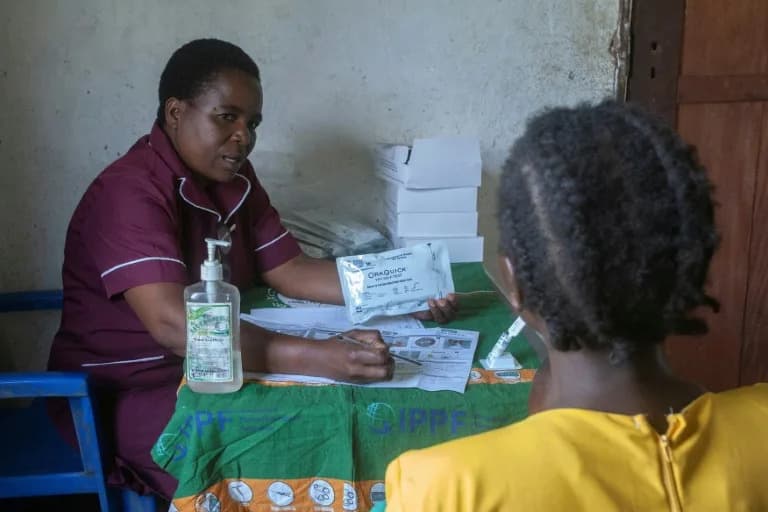
Guinea-Bissau faces significant health-system challenges: less than a quarter of the population has reliable access to safe water and sanitation, maternal mortality is high, malaria remains a leading cause of death, and food insecurity and poverty are widespread. Kaseya and Nantote said Africa CDC and national authorities will review the trial and determine whether a revised protocol can address the ethical concerns.
The situation underscores broader debates about research priorities, power imbalances between funders and host countries, and the need for transparent, locally led ethical oversight in global health research.
Help us improve.