Shanita Terrell alleges she was drugged at a Houston bar in 2020 and was escorted by two uniformed deputies; hours later she woke in pain. A rape kit linked Deputy Michael Hines to the assault; he later pleaded guilty to attempted sexual assault and received six years' probation. Terrell settled with the bar, but her civil suit against Deputy Mark Cannon was dismissed after courts allowed him to claim qualified immunity while off‑duty. A joint Howard Center and CBS News investigation found courts remain divided on applying qualified immunity to officers who moonlight, often limiting civil remedies for victims.
How Qualified Immunity Shielded an Off‑Duty Deputy After an Alleged Bar Assault
HOUSTON — Shanita Terrell says her drink was spiked at a Houston bar in 2020. Intoxicated and confused, she remembers little of the hours that followed. According to court filings and internal affairs records, two uniformed Harris County deputies encountered her that night while one was working off‑duty as security.
Deputy Mark Cannon, who was on private duty at the bar, handed Terrell a bottle of water and escorted her outside. Records and cellphone video show Cannon did not call for a rideshare or medical help, failed to activate his department body camera as required, and used his personal phone to record while guiding Terrell into the front seat of another off‑duty deputy's patrol vehicle.
The other deputy, Michael Hines, later became the focus of a criminal investigation. Terrell woke the next morning with pain in her vaginal area and underwent a hospital exam and rape kit. Laboratory testing detected Hines' DNA on her underwear. Hines was charged, ultimately pleaded guilty to attempted sexual assault, and was sentenced to six years of probation.
Legal Aftermath And Qualified Immunity
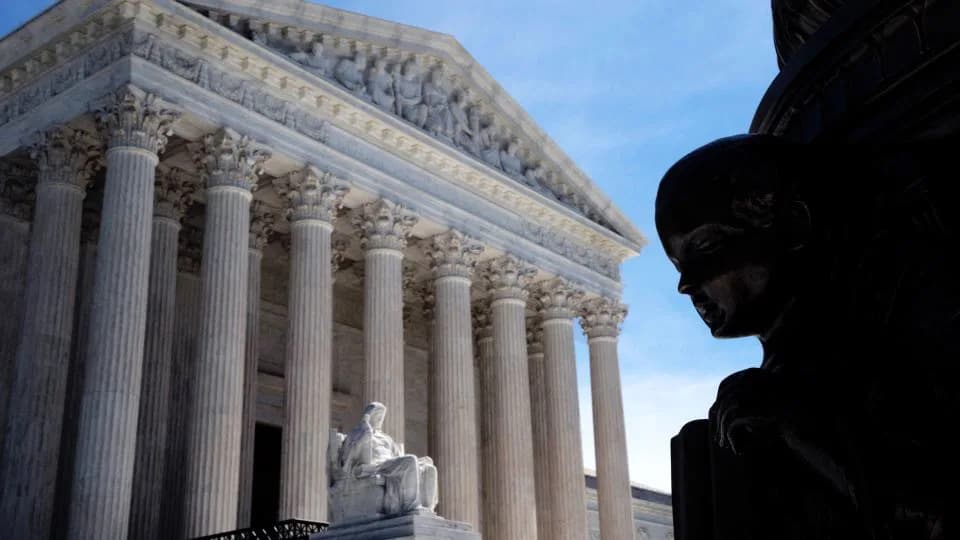
Terrell sued the bar and Cannon. Her lawsuit against The Address resulted in a confidential settlement, according to her attorney. But her civil case against Deputy Cannon was dismissed after courts allowed him to assert qualified immunity — a legal doctrine that can protect government officials, including police officers, from civil suits under certain circumstances. In Texas, courts in many instances have permitted officers to claim that protection even when they are performing off‑duty, private work.
“You’re getting a free ride,” Cannon tells Terrell on the cellphone recording. Terrell replies, “No, I’m not.” Internal affairs investigators later noted Cannon laughed and said, “See you in the morning.”
A joint investigation by the Howard Center for Investigative Journalism at Arizona State University and CBS News found that courts across the country are divided over how to treat officers who take private security or other off‑duty jobs. While some state legislatures have moved to restrict or eliminate qualified immunity for on‑duty actions, many jurisdictions remain split on whether the doctrine applies when officers are moonlighting for private employers — a split that can make it harder for victims to obtain civil remedies.
Questions Raised
The case raises broader concerns about oversight of officers working private details, the enforcement of body‑camera and supervision policies while off‑duty, and the legal protections that can shield officers and sometimes the businesses that hire them from civil liability. Terrell’s experience has prompted renewed scrutiny of how departments and courts handle off‑duty misconduct and who can be held accountable.
Sources: Court filings, internal affairs records, attorney statements, and reporting by the Howard Center and CBS News.
Help us improve.