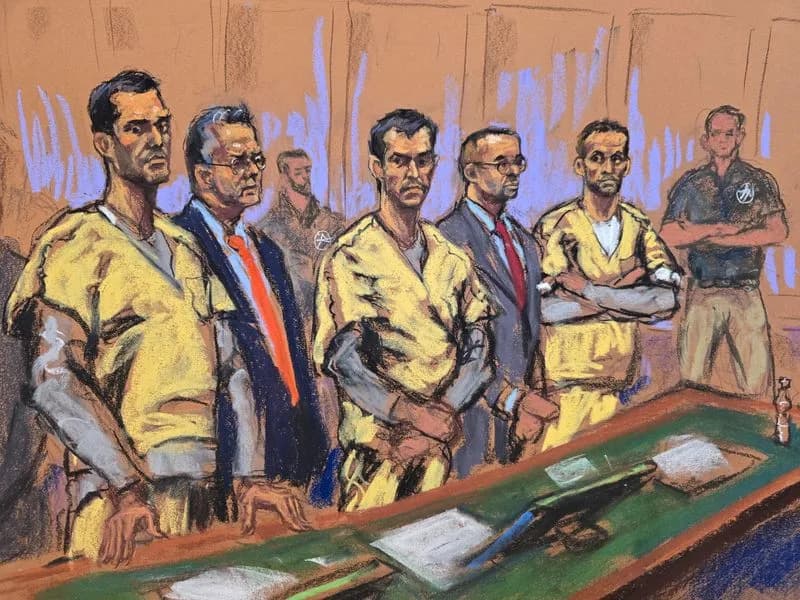
In March 2016 Dr. Henry Han, his wife Jennie and their daughter Emily were found murdered in their Santa Barbara home. Investigators tied the crime to associate Pierre Haobsh through a contract found at the scene, Home Depot footage, keylogger records, ballistic matches and a witness who says Haobsh confessed. Haobsh was arrested within 48 hours, convicted in 2021, and sentenced to three life terms without parole in 2022; appeals and a Supreme Court petition failed.
Suspect Arrested in Santa Barbara Triple Murder After Home Depot Footage, Keylogger Evidence and Witness Confession
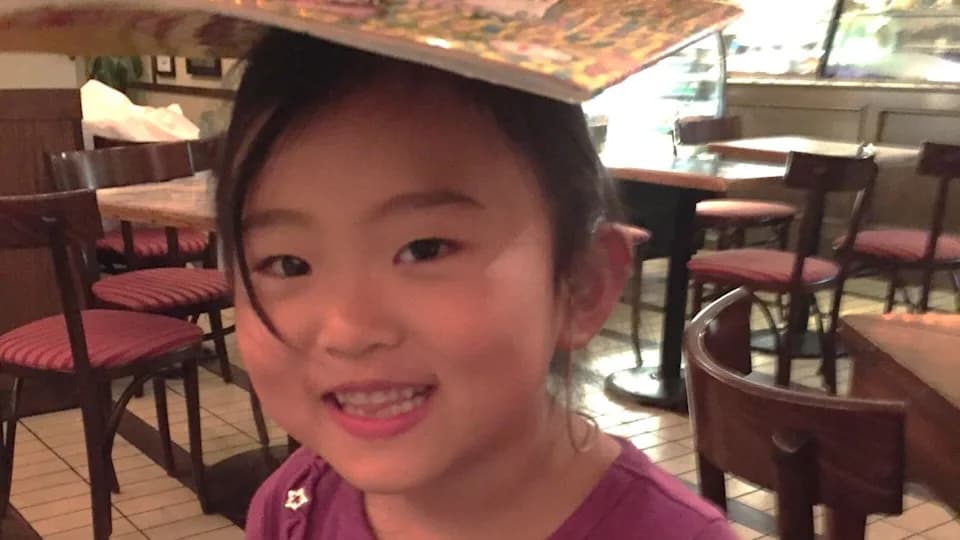
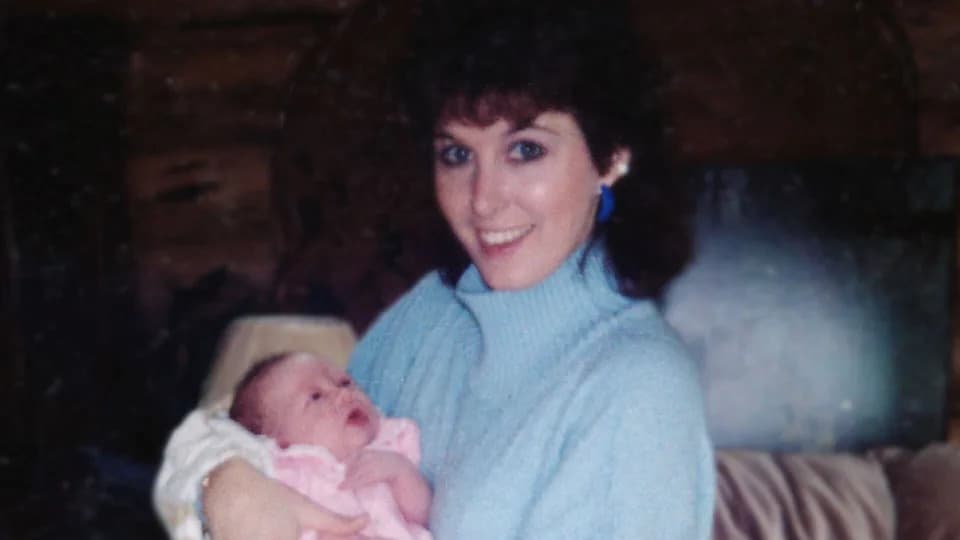
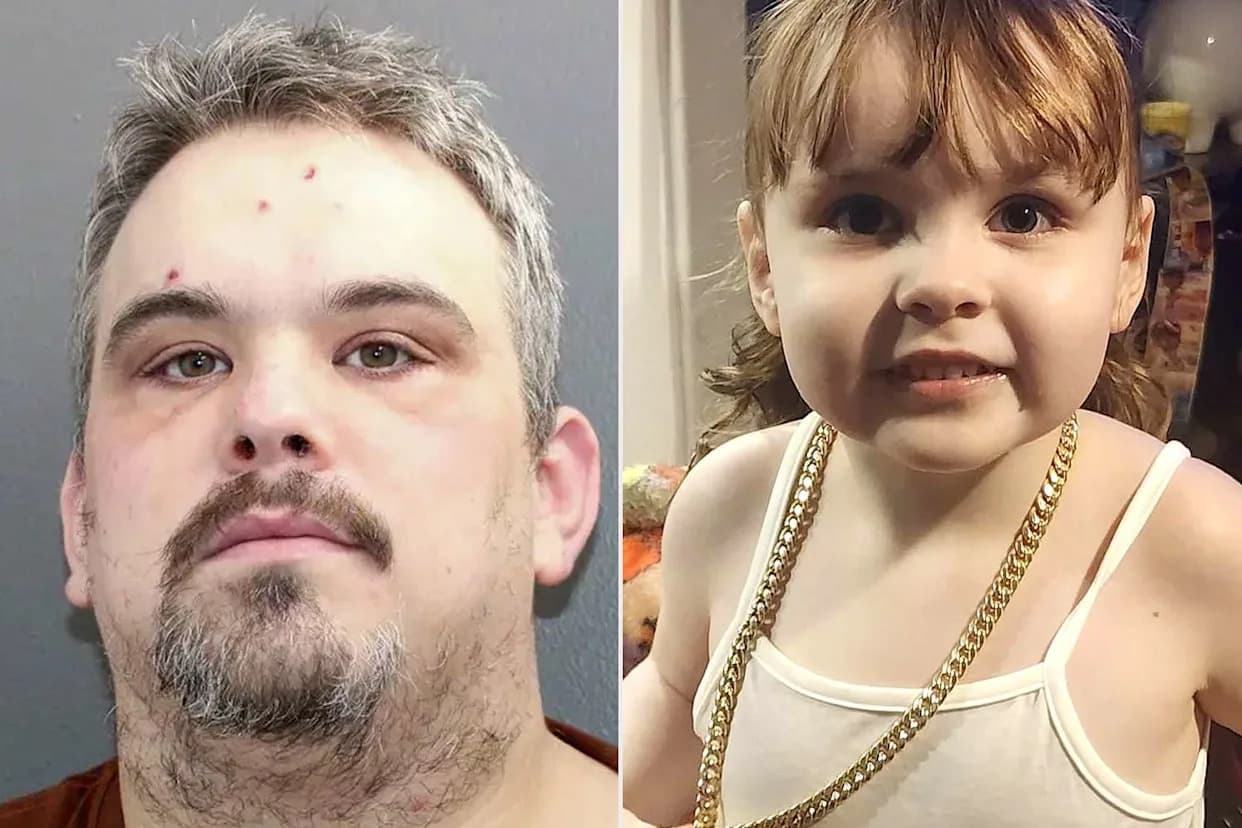
Emily Han was just three days shy of her 6th birthday. / Credit: Mark and Maria Palumbo
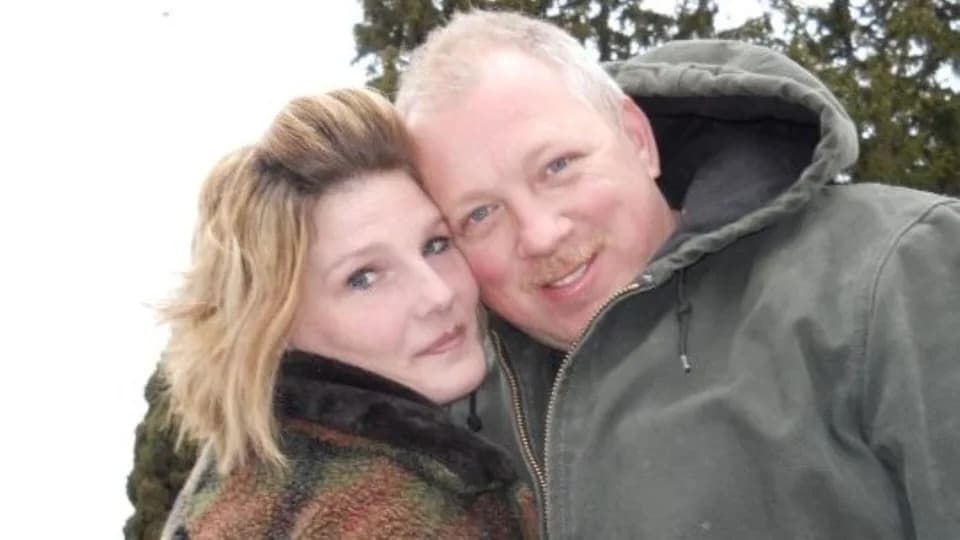
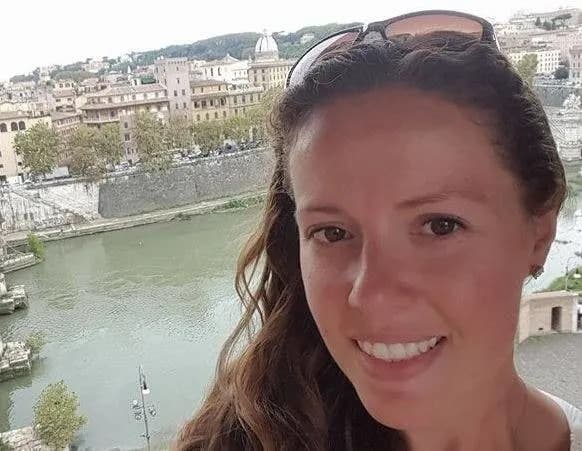
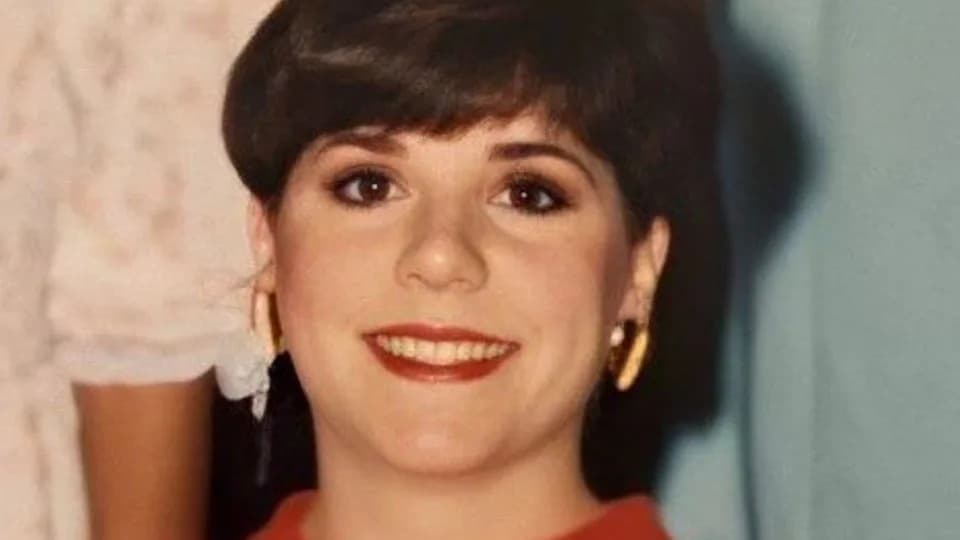
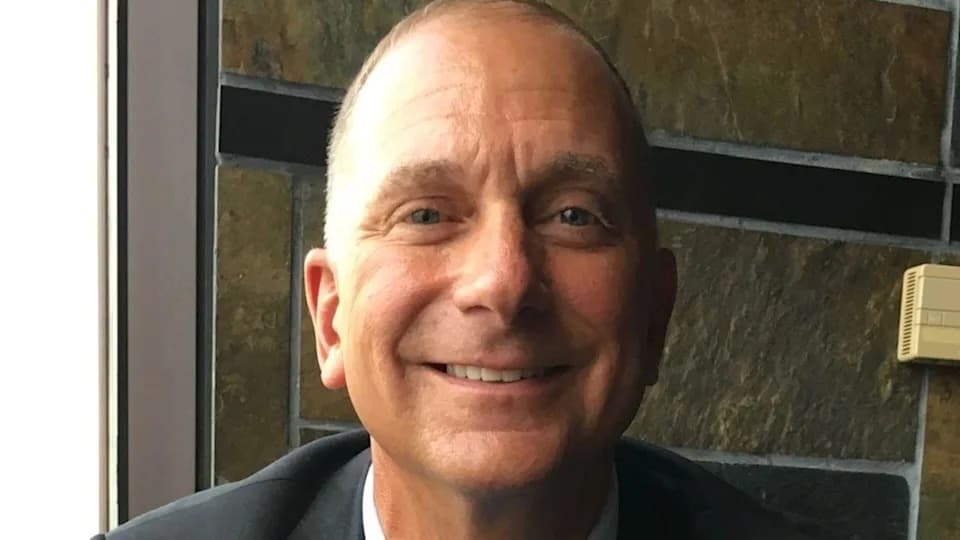
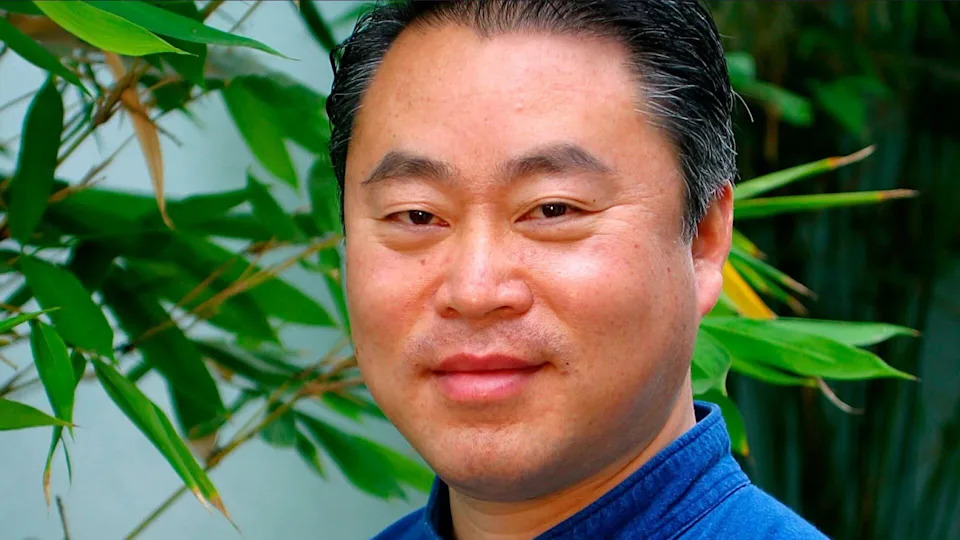
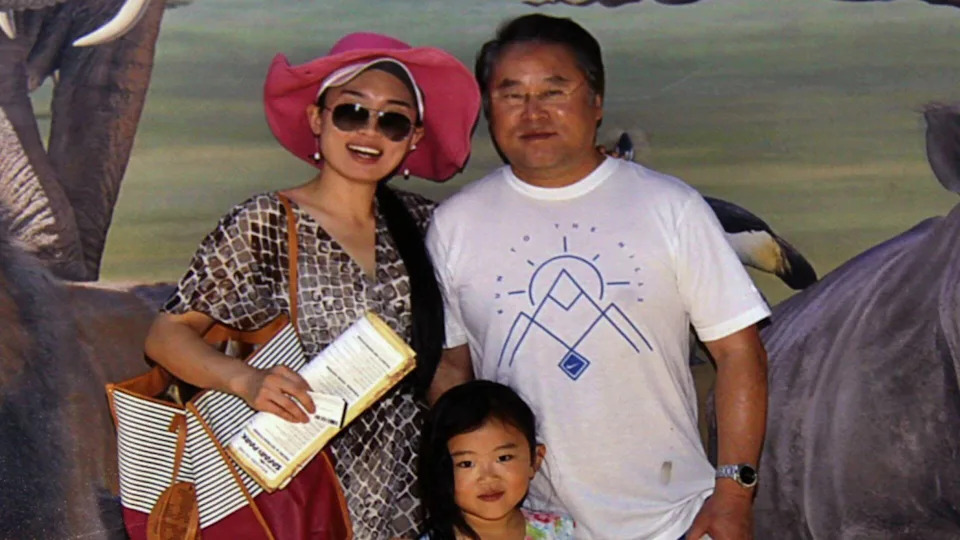
Mark and Marla Palumbo's routine concern on March 23, 2016 — when their friend and business partner Dr. Henry Han failed to appear for a meeting — turned into horror the next day when news confirmed their worst fear: Henry, his wife Jennie and their 5-year-old daughter Emily had been killed in their Santa Barbara home.
The Murders and Crime Scene
Investigators found the three victims on March 24, 2016, in the garage, wrapped in plastic. Crime-scene officers reported a strong smell of bleach throughout the upstairs rooms and washing-machine loads of bloody bedding. Wedged in laundry pillows and around the beds were a .22-caliber bullet and fragments, matching shell casings, and other forensic traces investigators would later link to a suspect.
Early Leads: A Contract, Purchases and Digital Footprints
Among items discovered near Henry Han’s bed was a four-page business contract naming a partner: Pierre Haobsh. Although friends described Haobsh as a former associate of Dr. Han, acquaintances had expressed mistrust. Detectives also found packaging that matched the plastic wrap and duct tape used on the bodies. Security footage and receipts from a Home Depot in Oceanside showed a man matching Haobsh’s DMV photo buying large rolls of plastic and duct tape shortly before the murders.
Key Forensic Evidence
Investigators recovered the victims’ phones, a spent shell casing, and — during a search of Haobsh’s vehicle — Henry Han’s wallet and personal documents, the victims’ electronics wrapped in foil, an expended casing, and, concealed under the spare-tire area, the alleged murder weapon with a suppressor and ammunition. Ballistics testing tied ammunition from the car to the bullets recovered from the victims. Autopsies later showed the family had been shot 14 times in total: three shots each to Henry and Jennie, and eight to Emily.
Witness Confession And Arrest
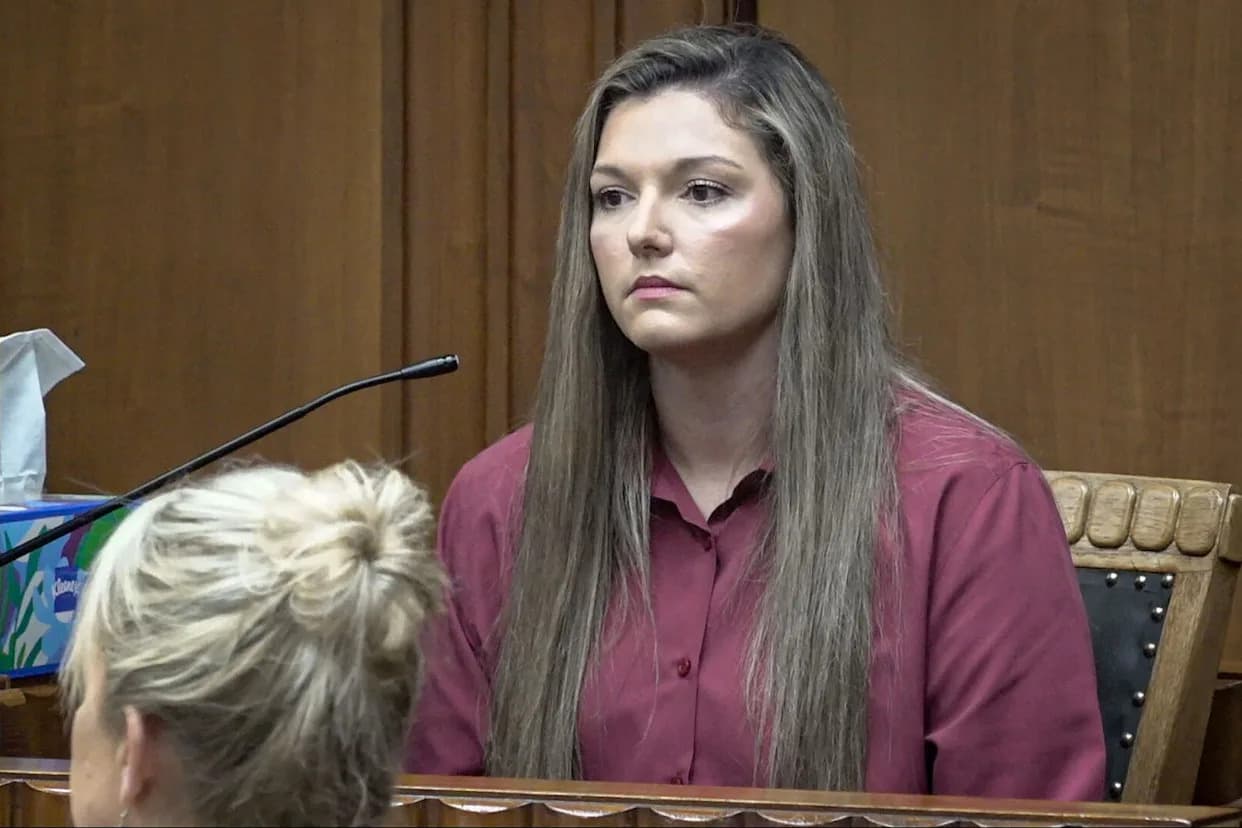
A critical witness, TJ Direda, told police that Haobsh texted him the morning of the murders asking for urgent help moving something. Direda said Haobsh visited and immediately confessed: "just so you know, I'm a monster," and described details of the killings that prosecutors argued only the perpetrator would know. Police arrested Haobsh near Oceanside within 48 hours of the discovery; surveillance had captured him receiving two large duffel bags from his father minutes before the arrest. At the time of capture he carried a handgun in plain view and had go-bags and his passport.
Haobsh’s Statements and the Defense Story
Haobsh initially gave detectives a shifting, conspiracy-driven account: that he had created an advanced energy device, had been shot at by unknown assailants, and that the Hans were killed by third parties trying to frame him. Prosecutors countered with physical, digital and testimonial evidence: Home Depot footage, receipts for weapon purchases, a keylogger found on both Han’s computer and Haobsh’s laptop, incriminating search queries recorded while Haobsh stayed at the Hans’ home (including searches about skull penetration and ammunition), and rapid attempts to access Henry Han’s bank accounts after the murders.
Trial, Verdict and Sentencing
Haobsh was charged with three counts of first-degree murder. The district attorney agreed to waive the death penalty in exchange for a bench trial. On Nov. 24, 2021, Judge Brian Hill found Pierre Haobsh guilty on all counts. On April 15, 2022, Haobsh was sentenced to three consecutive life terms without possibility of parole. His conviction was upheld by the California Court of Appeal in January 2025 and his petition to the U.S. Supreme Court was denied.
Aftermath and Community Impact
The killings devastated the Santa Barbara community and the Han patients who credited Dr. Han with life-changing care. Friends and colleagues have spoken publicly about grief and the void left by the family’s loss. In a postscript to the case, TJ Direda — the witness whose reporting helped investigators — died on Oct. 27, 2025.
Note: This article summarizes evidence presented at trial, law enforcement statements and reporting based on interviews with family, friends and attorneys involved in the case.
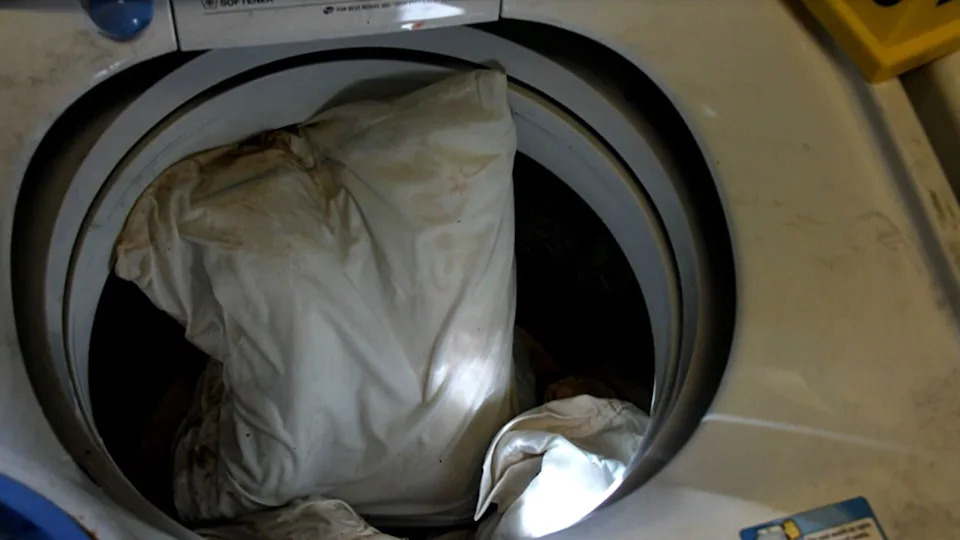
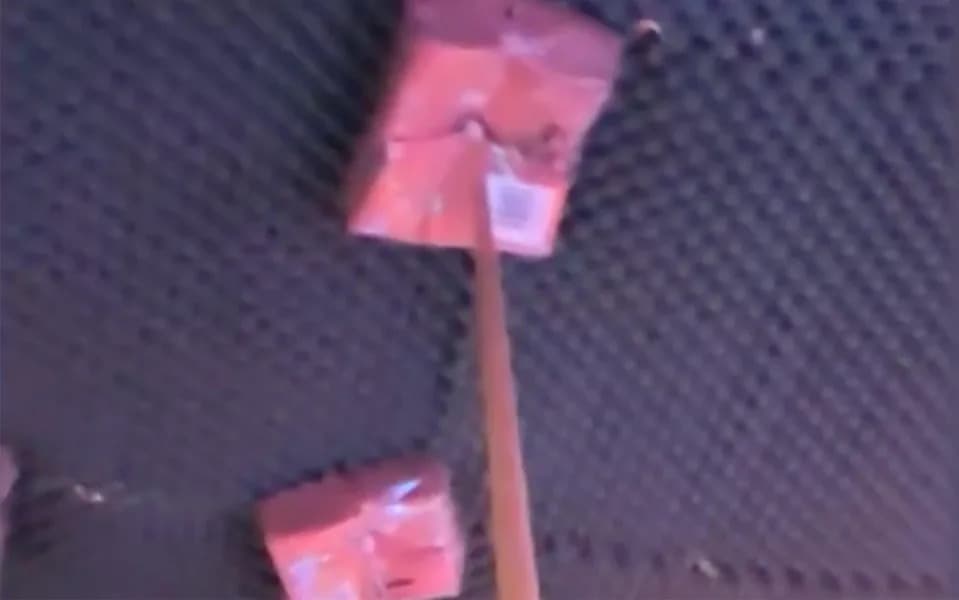
A bullet and bullet fragments were found in pillows stuffed in the Han family's washing machine. / Credit: Santa Barbara D.A.'s Office
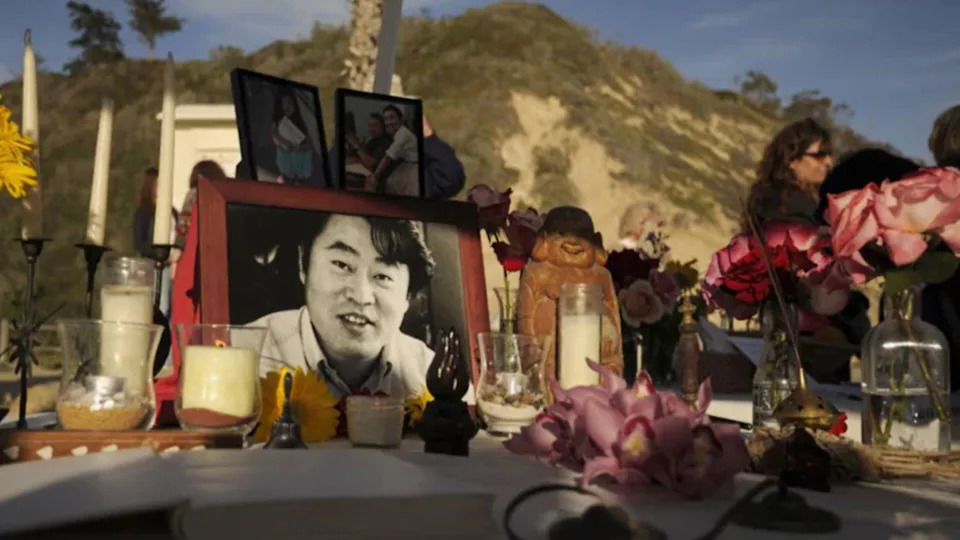
Mourners paid their respects at a beachside gathering for Henry, Jennie and Emily Han.
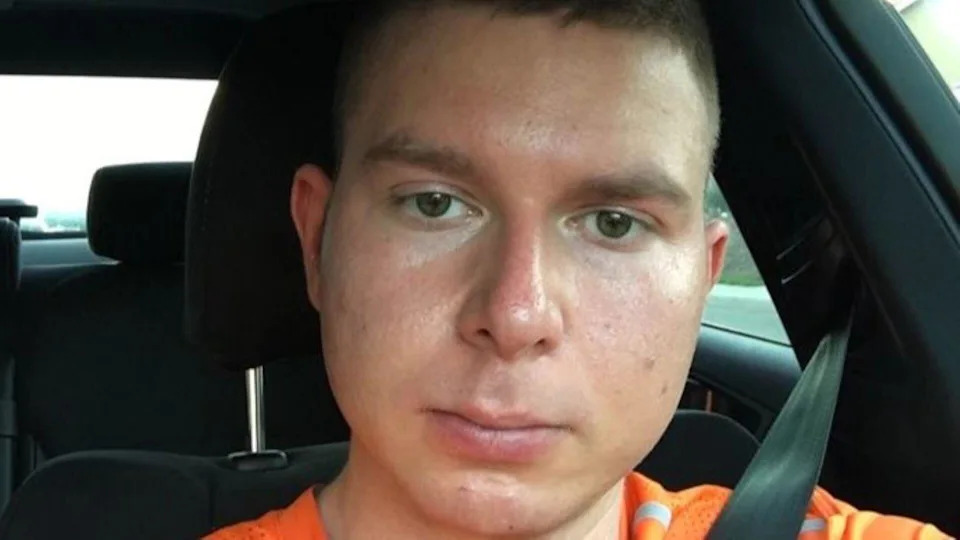
Pierre Haobsh / Credit: Facebook
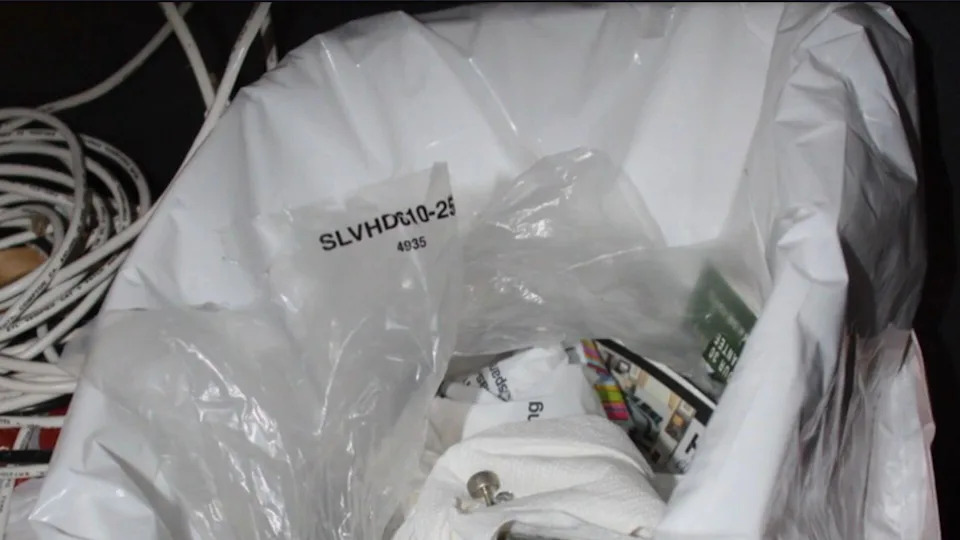
Packaging from plastic wrap investigators believed was used in the Han murders was found in a trash can in the victims' home. / Credit: Santa Barbara D.A.'s Office
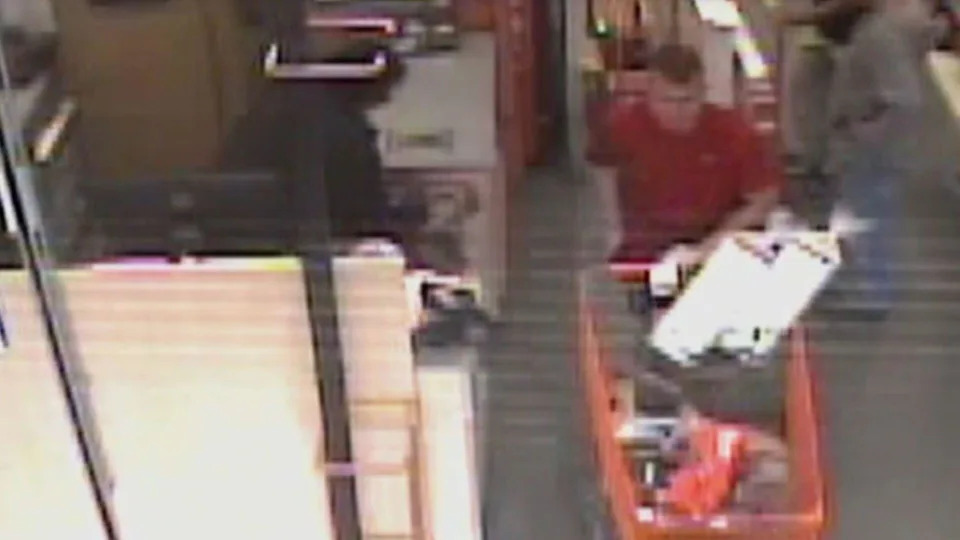
Security video shows Pierre Haobsh shopping at a Home Depot in Oceanside, California. In his cart, say investigators, were rolls of plastic wrap and duct tape. / Credit: Santa Barbara D.A.'s Office
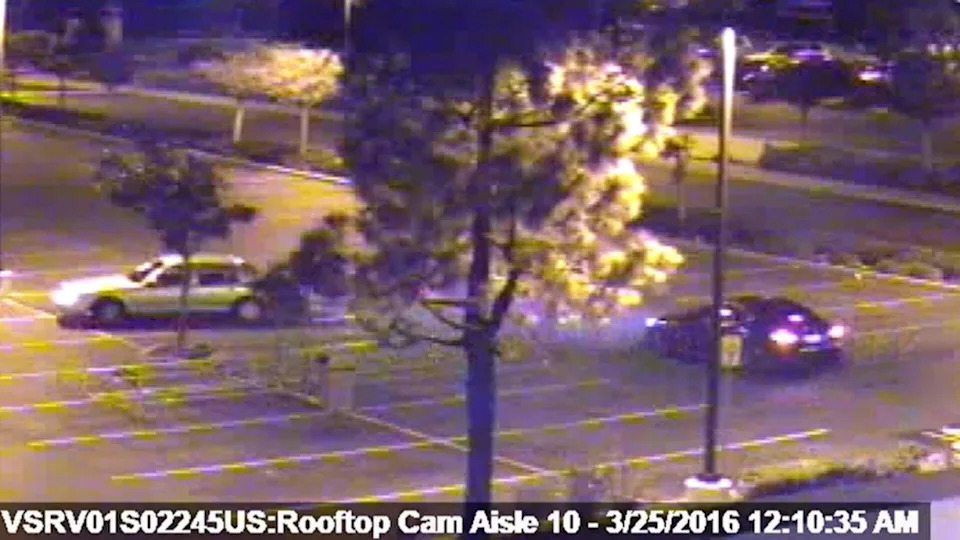
Security video shows Pierre Haobsh's father meeting up with his son in a parking lot. After transferring two large duffel bags to Pierre's car, they both drove off. / Credit: Santa Barbara D.A.'s Office
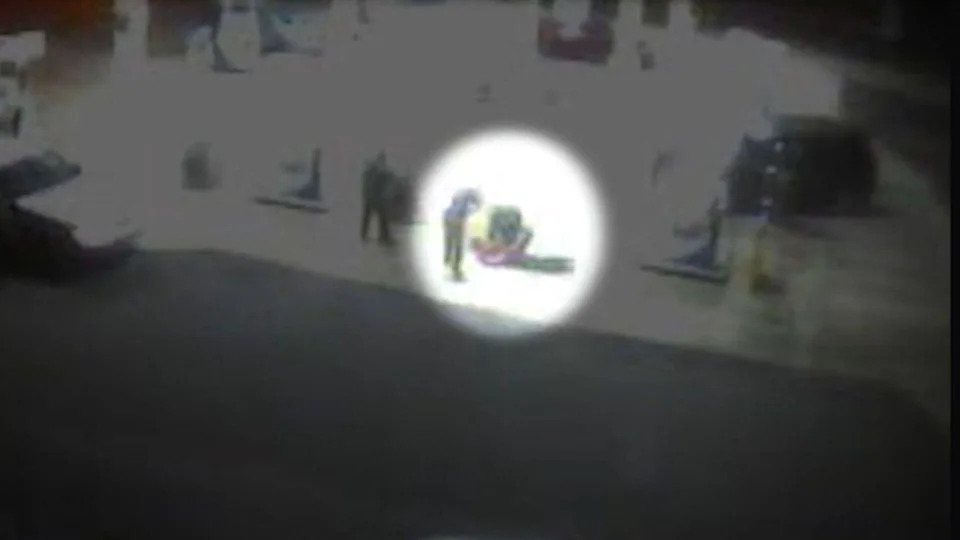
Pierre Haobsh's arrest was captured by ARCO gas station security cameras in Oceanside, California. / Credit: Santa Barbara D.A.'s Office
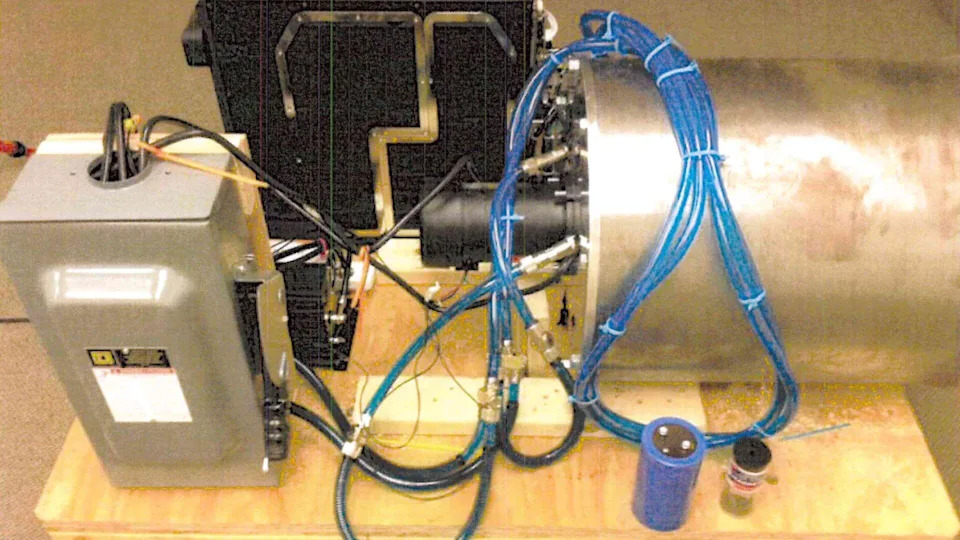
A prototype of Pierre Haobsh's supposed perpetual energy device. Haobsh claimed his life was in danger because of his invention. / Credit: Santa Barbara Superior Court
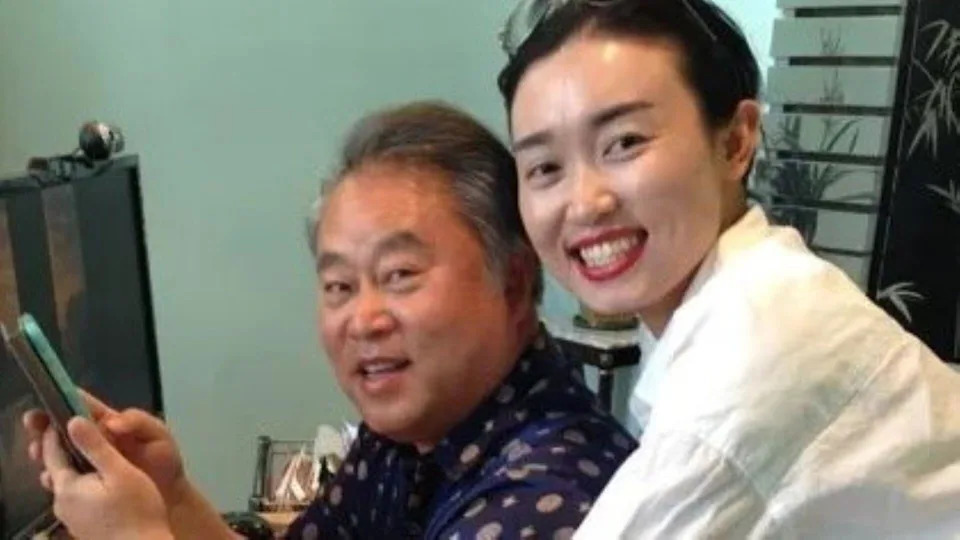
Dr Henry Han and his wife, Jennie. / Credit: The Santa Barbara Independent
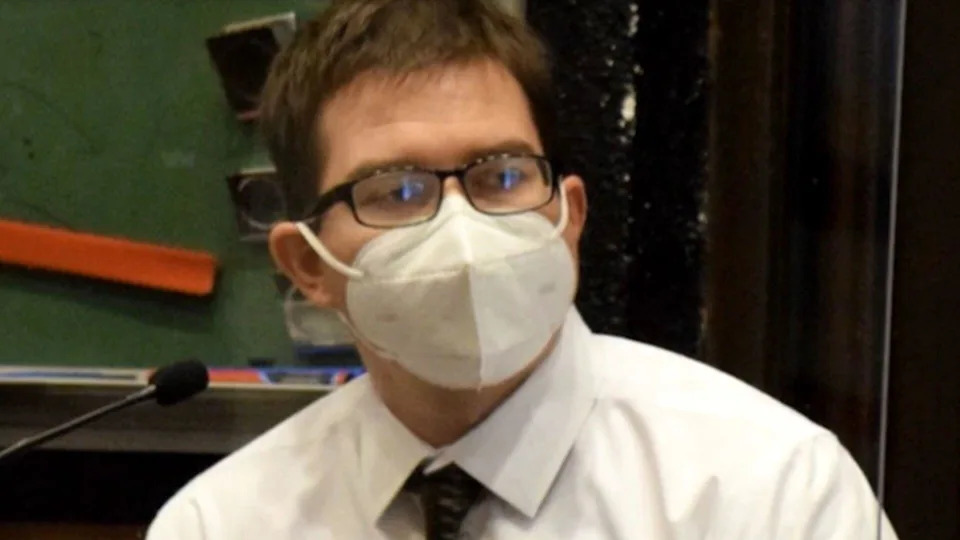
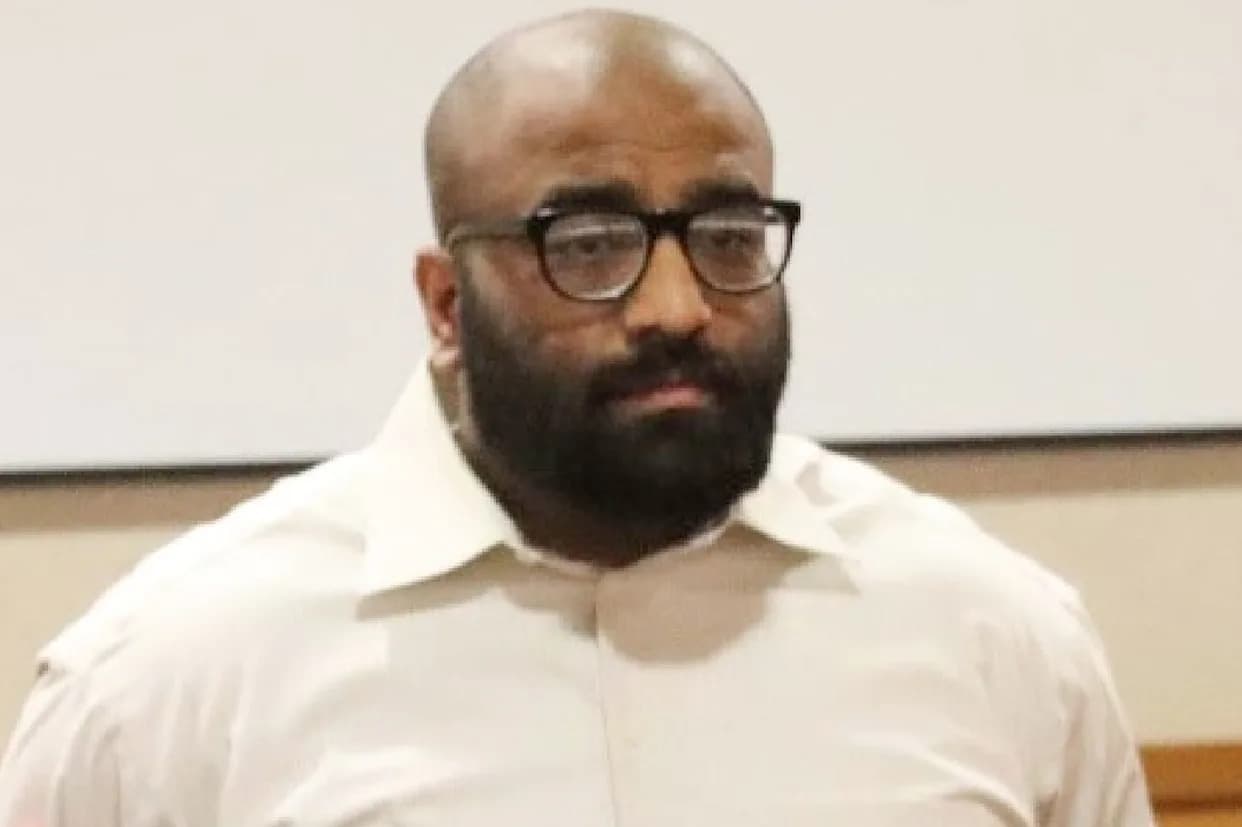
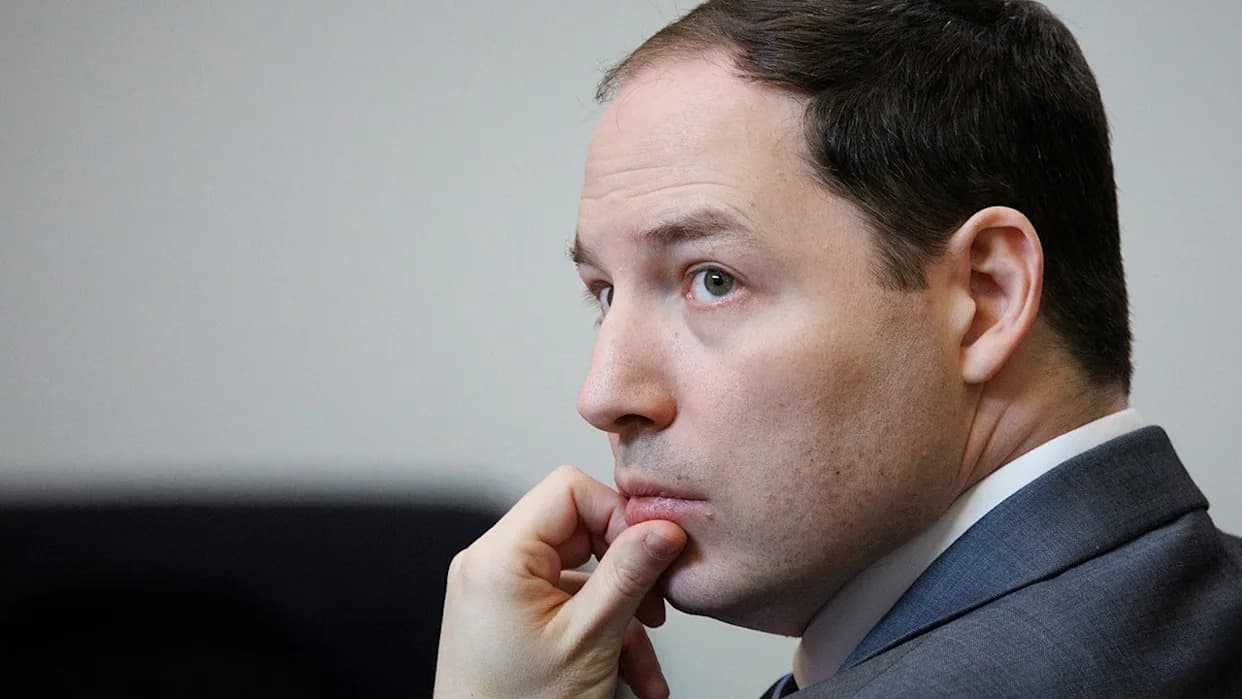
Pierre Haobsh during his murder trial. He testified over three days. / Credit: Santa Barbara Independent/Ryan P. Cruz

Jennie, Henry and Emily Han / Credit: Isaac Hernandez, Mercury Press Inc./Isaiah Oregon
Help us improve.