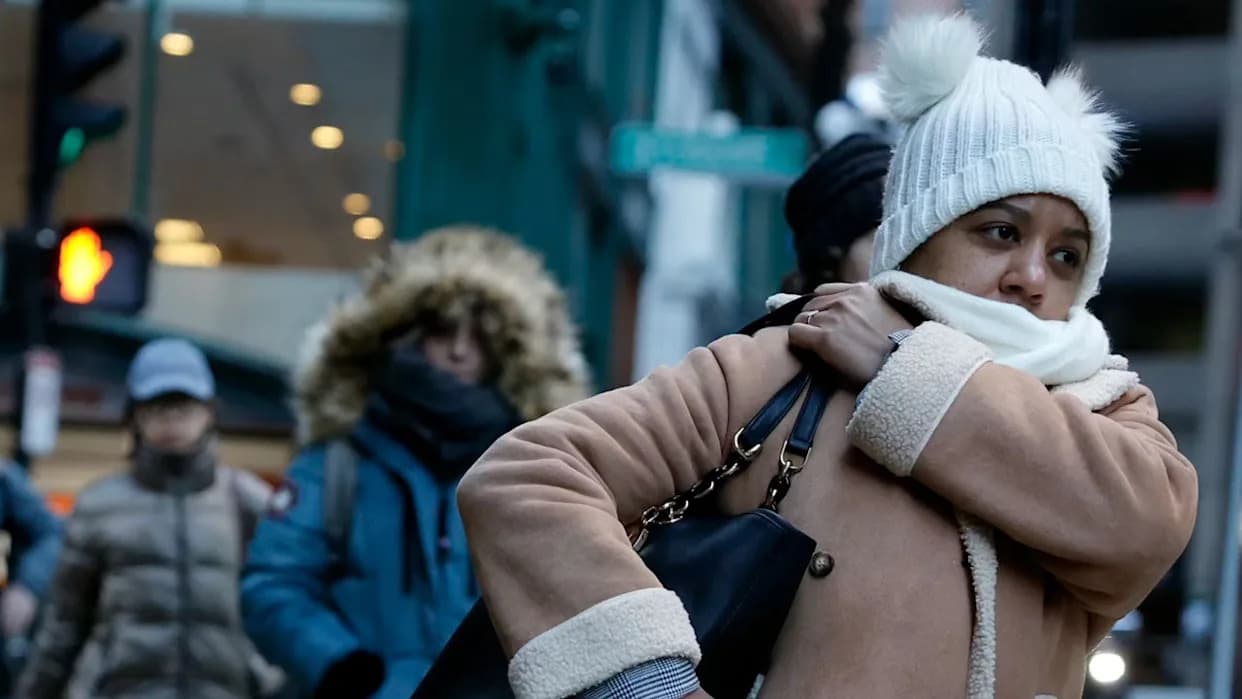
Winter Storm Fern brought widespread snow, freezing rain and dangerously cold temperatures from the Central and Southern Plains to the East Coast. Two men in Caddo Parish, Louisiana, died of hypothermia, and New York City officials are investigating five weekend deaths that may be cold-related. The storm, driven by an arctic air mass and a dipping polar vortex, produced major power outages and weather alerts across 37 states. Forecasters warned that slow warming will prolong hazards as snow and ice melt and potentially refreeze.
At Least Two Dead After Winter Storm Fern; NYC Investigates Five Possible Cold-Related Deaths
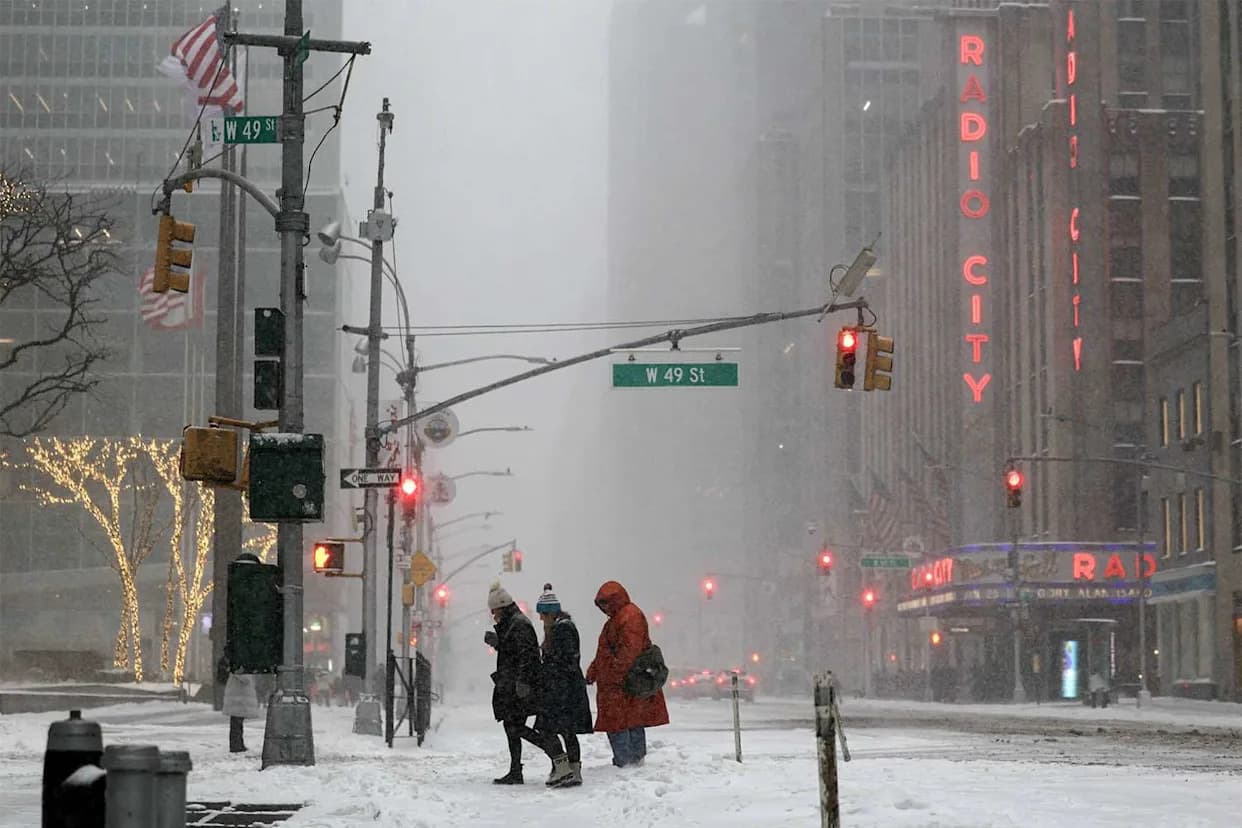
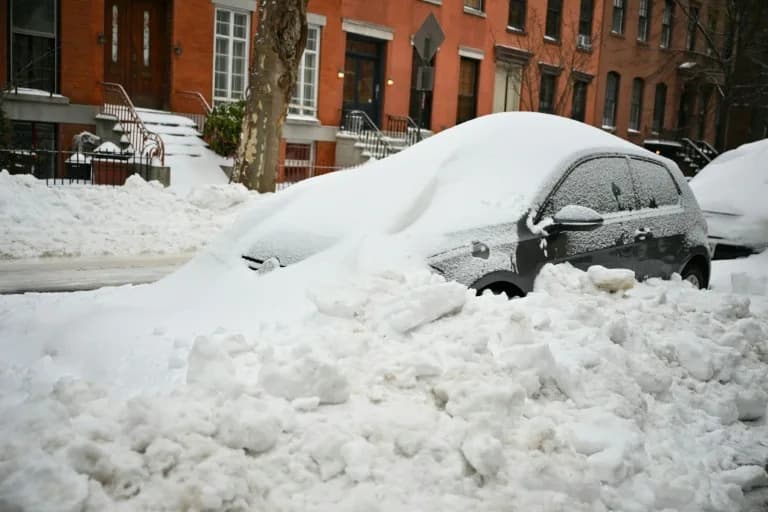
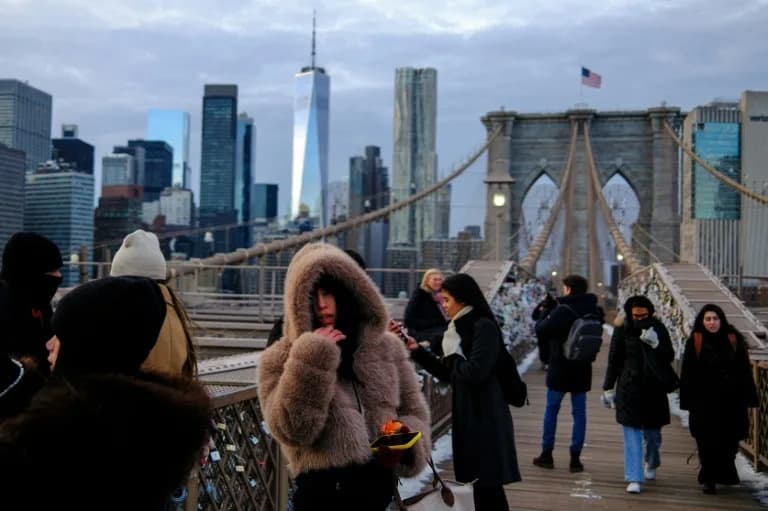
CHARLY TRIBALLEAU / AFP via GettyWintry conditions in New York City on Sunday, Jan. 25
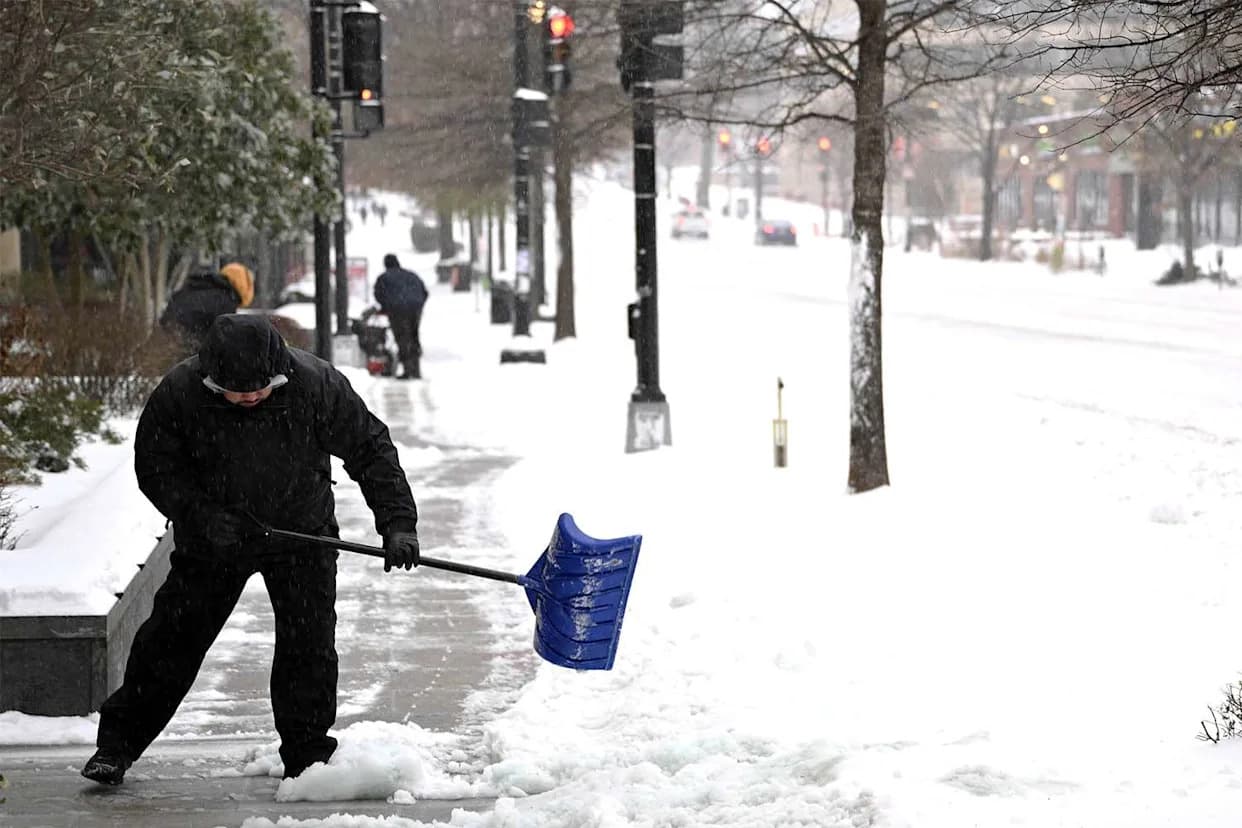
Winter Storm Fern has driven widespread snow, freezing rain and dangerously cold temperatures across large portions of the United States, officials said late this week and into the weekend.
The Louisiana Department of Health confirmed that two men in Caddo Parish, near Shreveport, died of hypothermia. Authorities have not released additional details about the victims.
New York City officials said five people found on Saturday, Jan. 24, in Brooklyn, Manhattan and Queens may have died due to the extreme cold, though city authorities have not yet confirmed a direct link to the storm.
Storm Track, Causes and Conditions
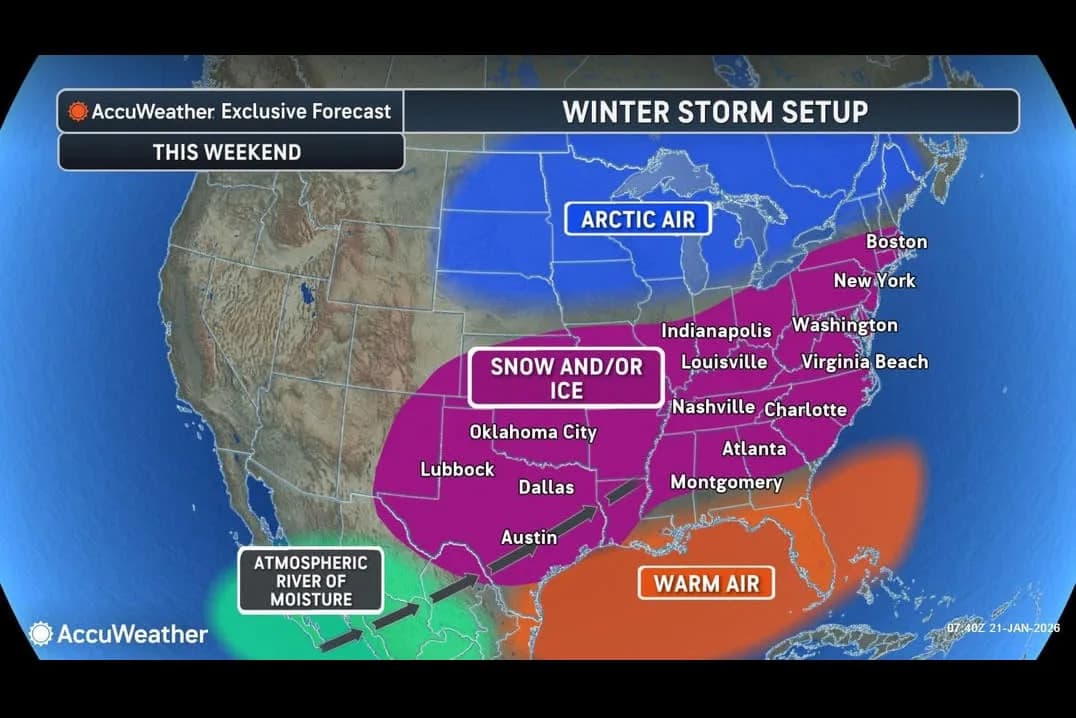
An arctic air mass and a dipping polar vortex fueled Winter Storm Fern, stretching wintry conditions from the Central and Southern Plains to the East Coast. The system began producing winter weather on Friday, Jan. 23, and forecasters expected impacts in parts of the Northeast through Monday, Jan. 26.
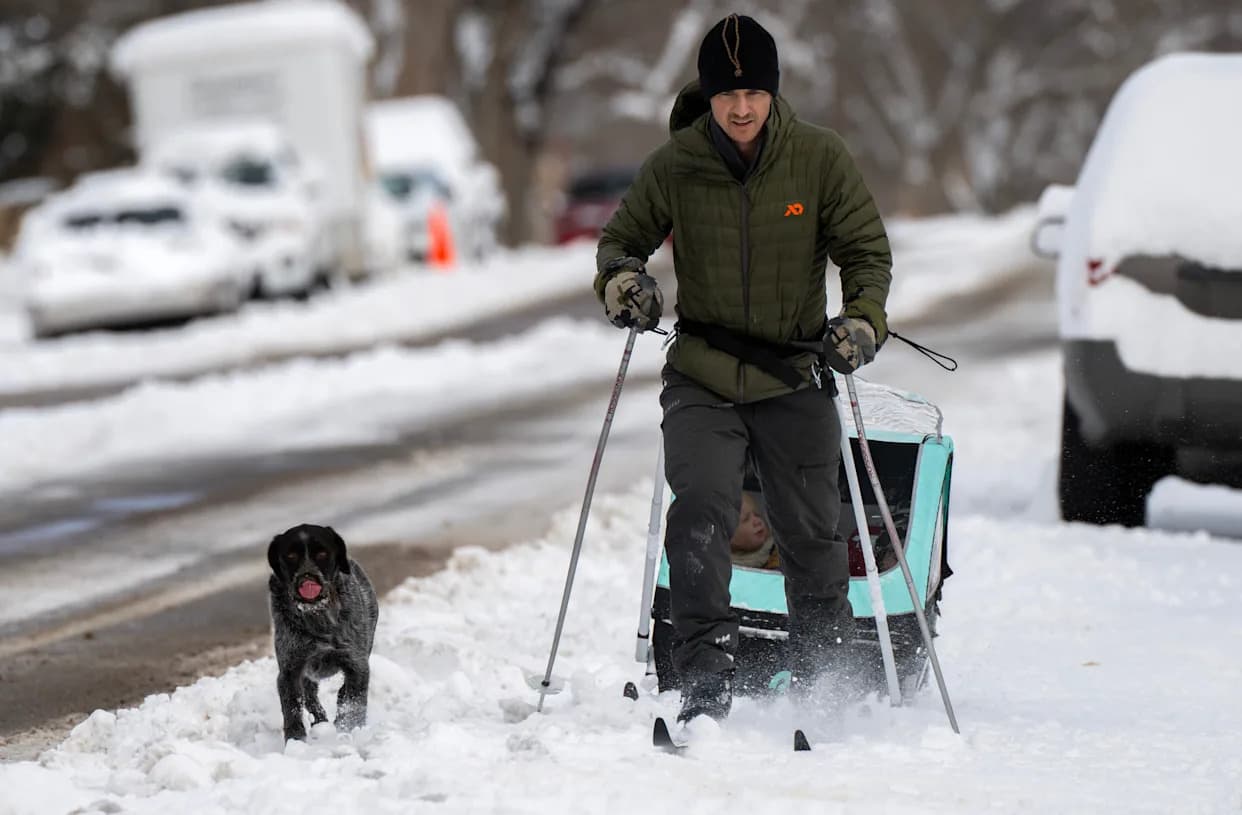
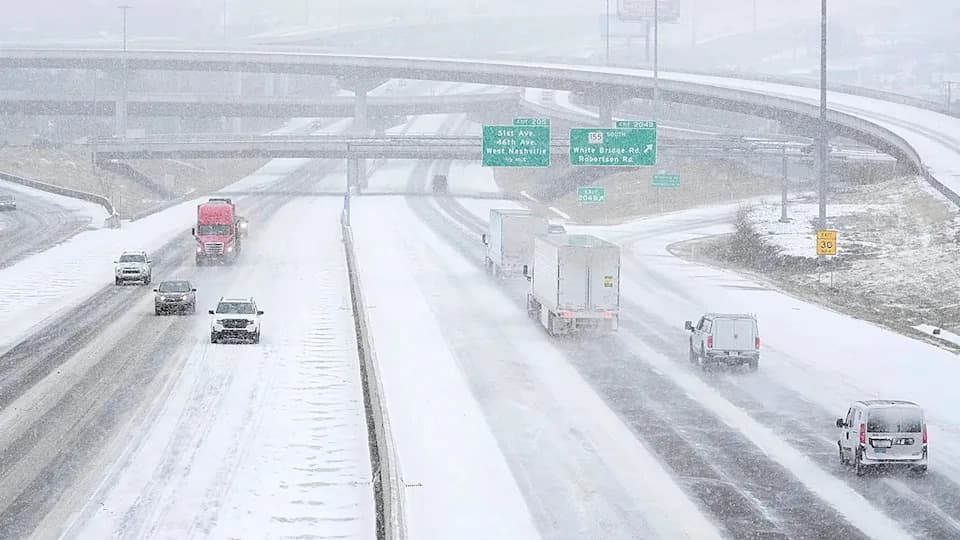
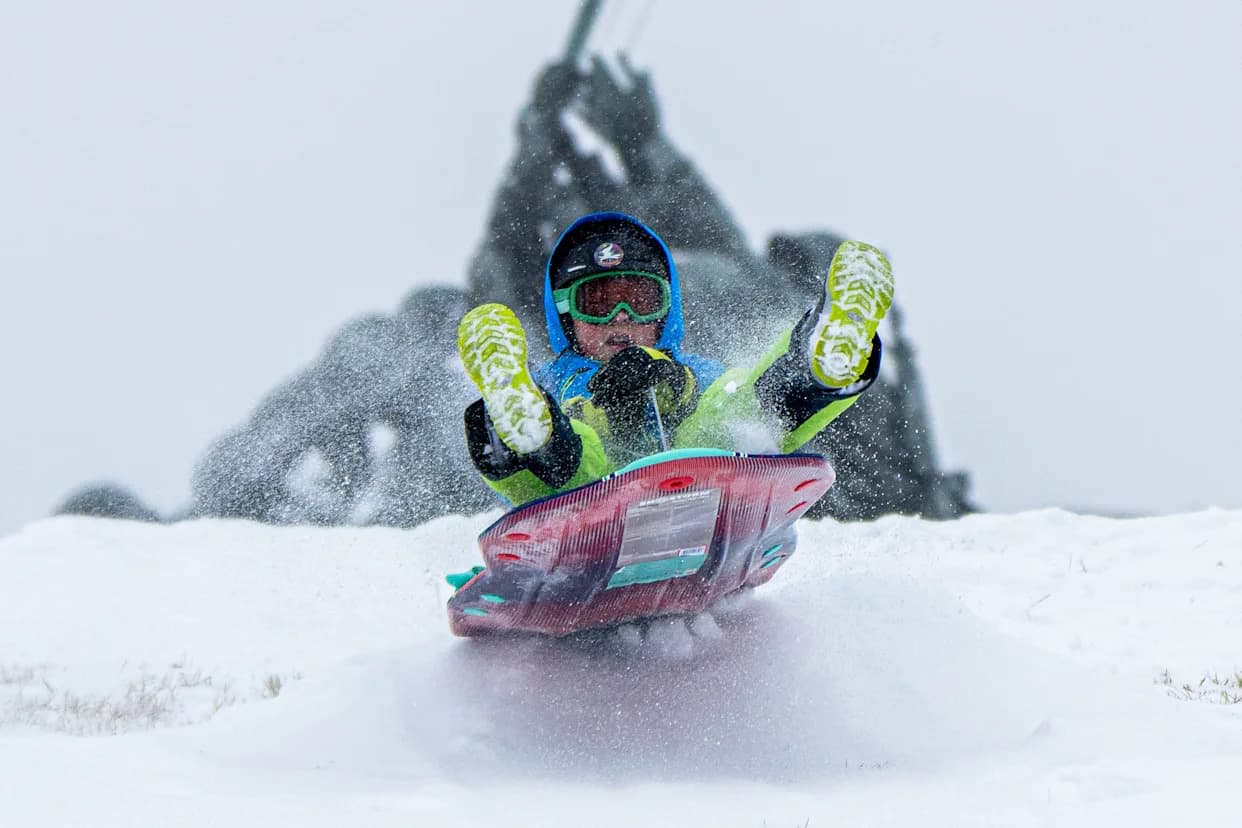
The storm dropped snow in states including Arkansas, Kansas, Maryland and Oklahoma, and produced freezing rain and ice in parts of Arkansas, Tennessee and Texas. Forecasters warned that slow warming after the storm would prolong hazardous conditions as snow and ice melt slowly and can refreeze overnight.
Impacts and Response
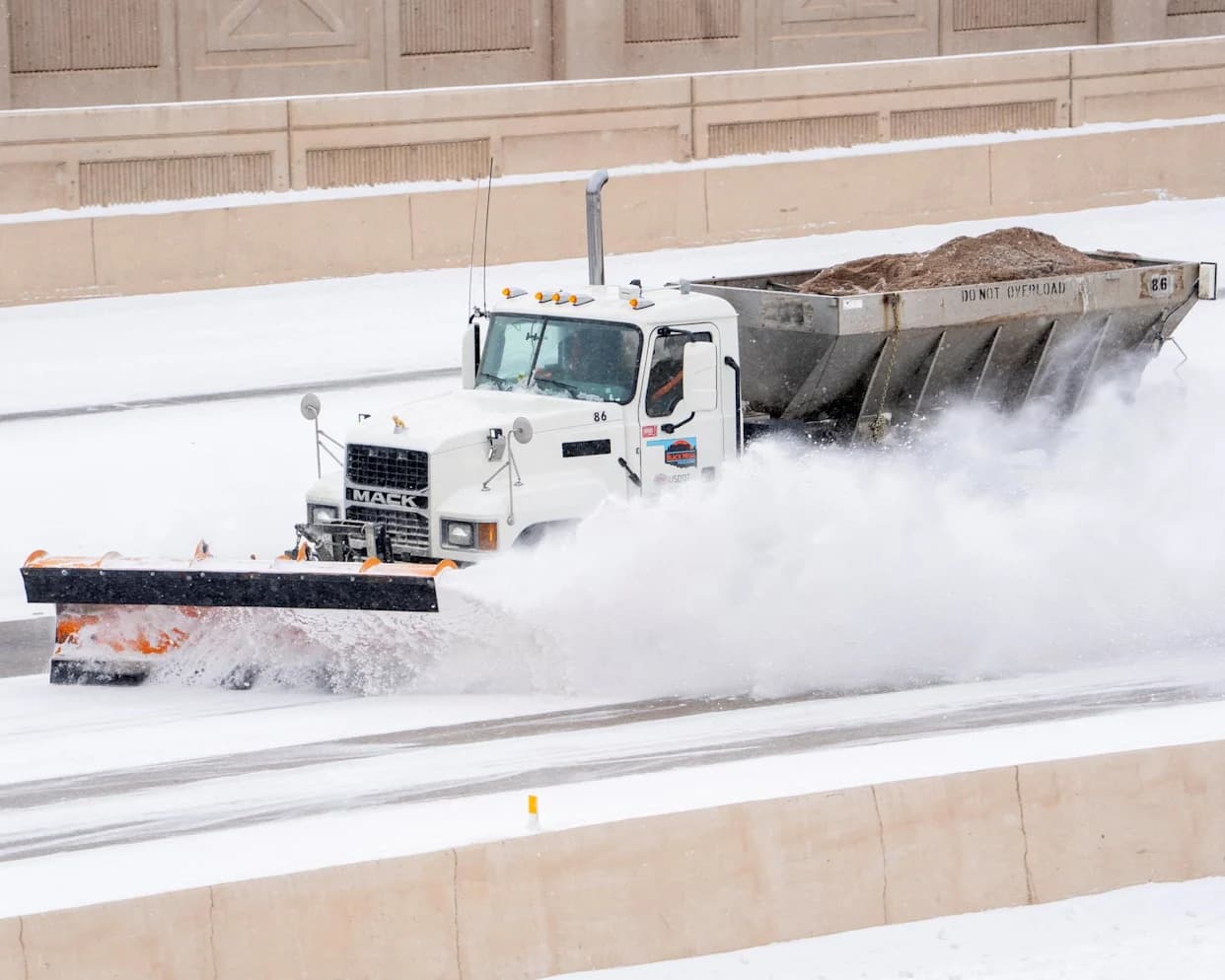
AccuWeather warned that hundreds of thousands of people could lose electricity and heat for days. NBC News reported that weather alerts covered 37 states and 190 million people, and that about 875,000 customers were experiencing power outages from Texas to West Virginia, citing PowerOutage.us data. Utility crews and emergency responders have been mobilized in affected regions to restore power, clear roadways and check on vulnerable residents.
Major metropolitan areas affected include Dallas, Austin, Oklahoma City, Atlanta, Washington, D.C., Baltimore, Philadelphia, New York City and Boston.
What To Know And How To Stay Safe
- Check on vulnerable people: Older adults, infants, and those without reliable heating are at highest risk from extreme cold.
- Prepare for outages: Have an emergency kit with blankets, flashlights, batteries and a battery-powered radio.
- Avoid travel: Roads may be icy or impassable; only travel if absolutely necessary and heed local advisories.
Authorities continue to monitor conditions and coordinate responses to outages and hazardous roadways as crews work to restore services and clear snow and ice.
Help us improve.