A sewage release near Lockhouse 10 has driven E. coli levels in the Potomac River far above safe limits, according to the Potomac Riverkeeper Network. PRKN measured a peak of 4,884,000 MPN at the broken interceptor pipe — about 11,900 times the 410 MPN safety threshold — and found elevated counts at public access points and four miles downstream. PRKN reports nearly 300 million gallons entered the river and blames aging infrastructure; DC Water has been contacted for comment.
Sewage Spill Near Lockhouse 10 Sends E. coli Levels Nearly 12,000× Above Safe Limits in Potomac River
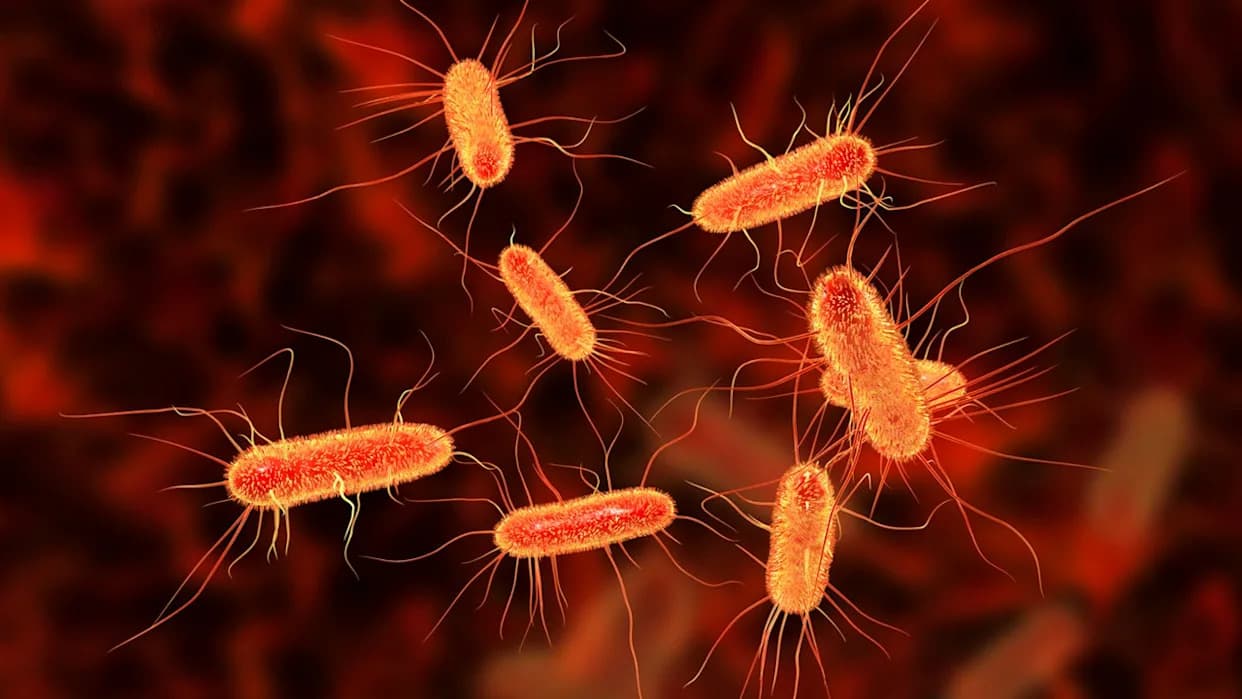
Sewage spill sends E coli surging in the Potomac River near DC
A major sewage release near Lockhouse 10 has driven E. coli concentrations in the Potomac River far above levels considered safe for human contact, according to testing by the Potomac Riverkeeper Network (PRKN). New on-site sampling and laboratory results raise public-health and environmental concerns for Washington, D.C., and surrounding communities.
Lockhouse 10 is a preserved canal lock and restored lockkeeper’s house on the Chesapeake & Ohio (C&O) Canal, located about five miles from downtown Washington, D.C. Once part of a 19th-century transportation route, the site is now a popular historic and recreational access point on the river.
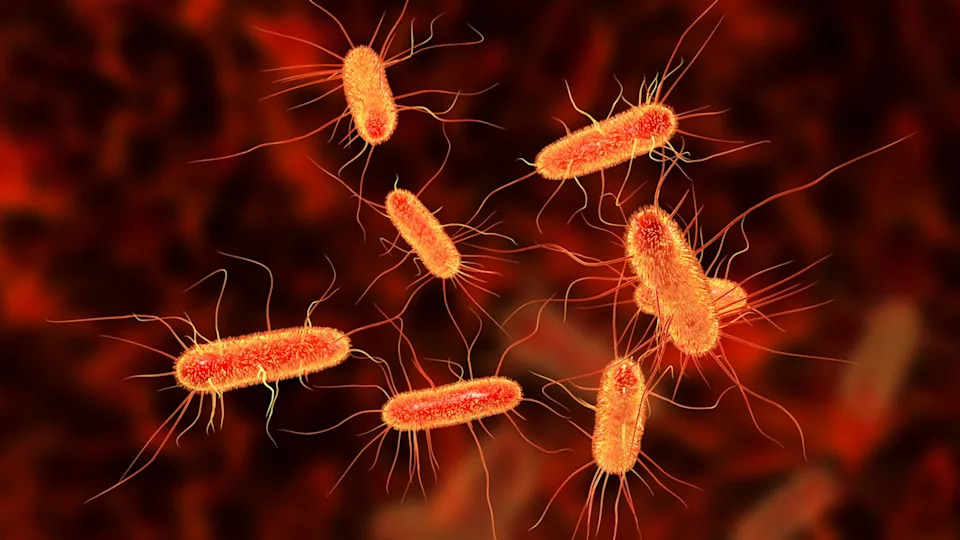
E. coli is a type of bacteria commonly found in the intestines of people and animals. It is usually harmless but can cause diarrhea and more serious gastrointestinal illness when certain toxin-producing strains contaminate food or water, according to the CDC.(iStock)
Testing Results
PRKN published results from real-time sampling that indicate contamination is significantly worse than earlier estimates. Laboratory analysis found extremely elevated counts of E. coli bacteria — organisms commonly present in the intestines of people and animals that can cause gastrointestinal illness when present at high levels in water.
Key findings from PRKN testing include:
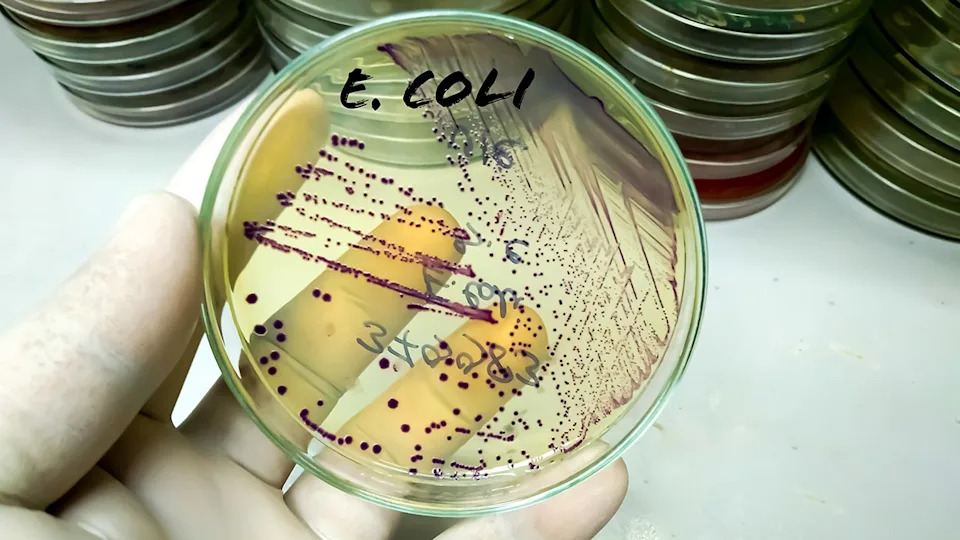
Testing shows a sewage spill near Lockhouse 10 sent E. coli levels nearly 12,000 times above safe limits, contaminating the Potomac River and Washington, D.C. waters.
- The sample collected at the broken interceptor pipe near Lock 10 measured 4,884,000 MPN (Most Probable Number) for E. coli, roughly 11,900 times higher than the 410 MPN threshold commonly used to judge safety for human contact.
- Water sampled at the public river access at Lockhouse 10 showed E. coli counts approximately 7,000 times above the 410 MPN standard.
- Sampling about four miles downstream at Fletcher's Cove in D.C. recorded levels about 60 times the 410 MPN limit.
- PRKN reports that nearly 300 million gallons of sewage have entered the Potomac as a result of the spill.
Betsy Nicholas, president of the Potomac Riverkeeper Network, said the measurements 'show contamination which is nearly 12,000 times what authorities limit for human contact.' She added that the long-term impacts remain uncertain given the volume discharged and the proximity to public recreation areas.
PRKN credited on-site sampling to Dean Naujoks, Potomac Riverkeeper, and Evan Quinter, PRKN volunteer coordinator, which allowed for rapid assessment of affected locations along the river.
Cause, Concerns and Response
PRKN attributes the spill to aging infrastructure and maintenance shortfalls. According to PRKN, a six-foot-diameter sewage interceptor pipe failed near the river, releasing sewage that the group says could have been contained with better planning and maintenance.
Dean Naujoks said the interceptor pipe 'should have been better maintained to avoid this catastrophe' and urged DC Water to adopt more robust containment measures than relying on an old dry canal ditch to capture future releases.
Fox News Digital and PRKN have reached out to DC Water for comment. Local and state environmental agencies typically monitor such incidents and may issue public advisories; members of the public should check official guidance before using river water or recreating in impacted areas.
Note: All figures above are based on PRKN's published sampling and laboratory results. Additional testing and official agency responses may refine these measurements over time.
Help us improve.