Denmark's prime minister and Greenland's leader met Germany's Chancellor Merz in Berlin and will travel to Paris to seek European backing after U.S. interest in buying Greenland strained relations. The U.S. bid prompted European efforts to reduce strategic dependence on Washington, though President Trump later ruled out using force and dropped tariff threats. Germany pledged solidarity and a greater NATO role in the High North; talks in Paris will focus on Arctic security, sovereignty and Greenland's development.
Denmark and Greenland Leaders Meet Germany's Merz, Head to Paris to Rally Europe Over U.S. Bid for Greenland
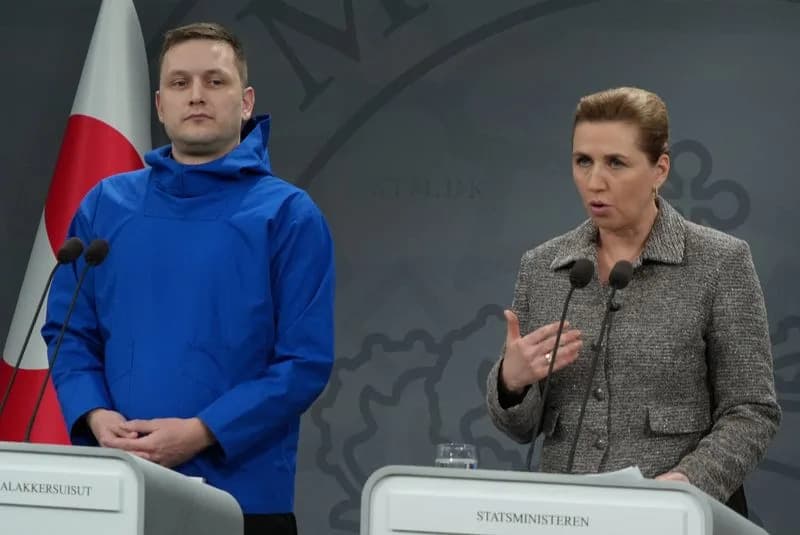
Danish Prime Minister Mette Frederiksen and Greenlandic Prime Minister Jens-Frederik Nielsen attend a press conference in Copenhagen, Denmark, January 13, 2026. REUTERS/Tom Little
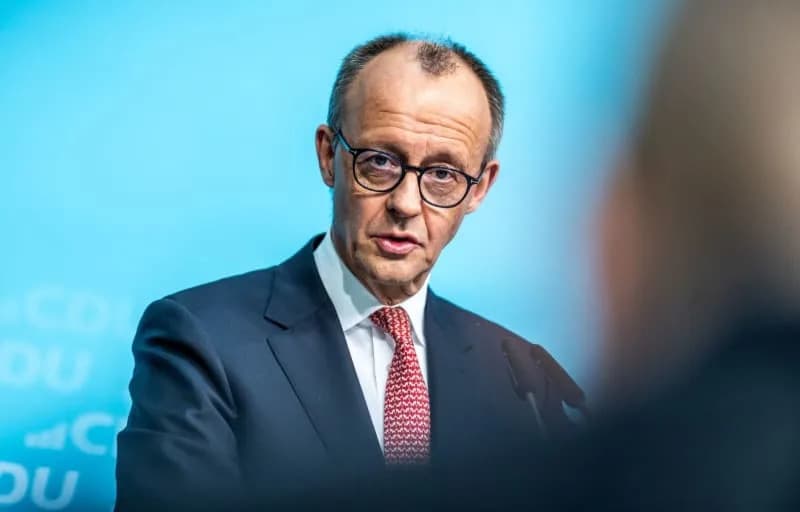
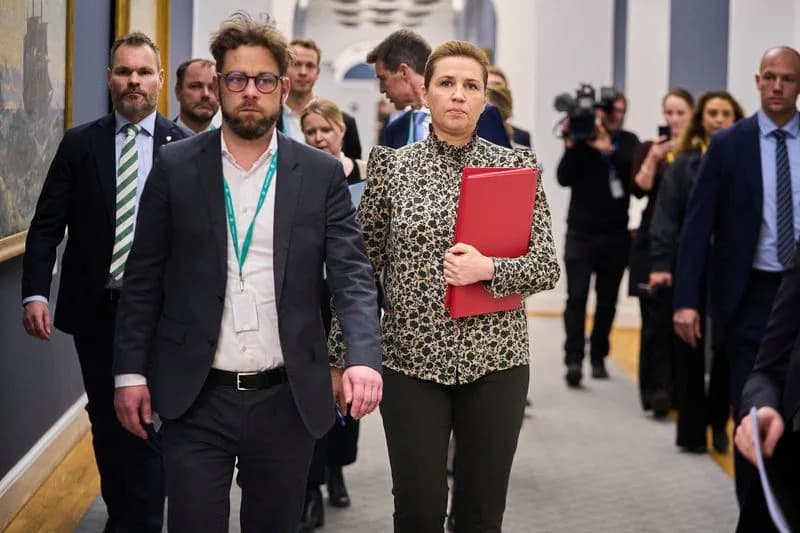
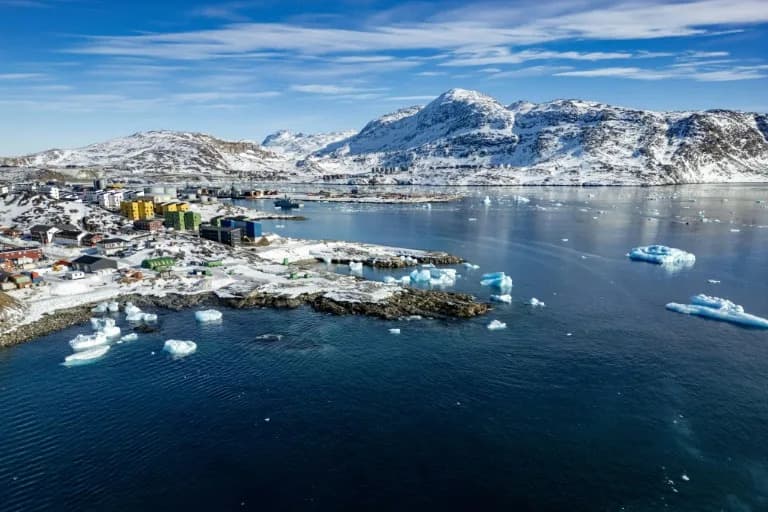
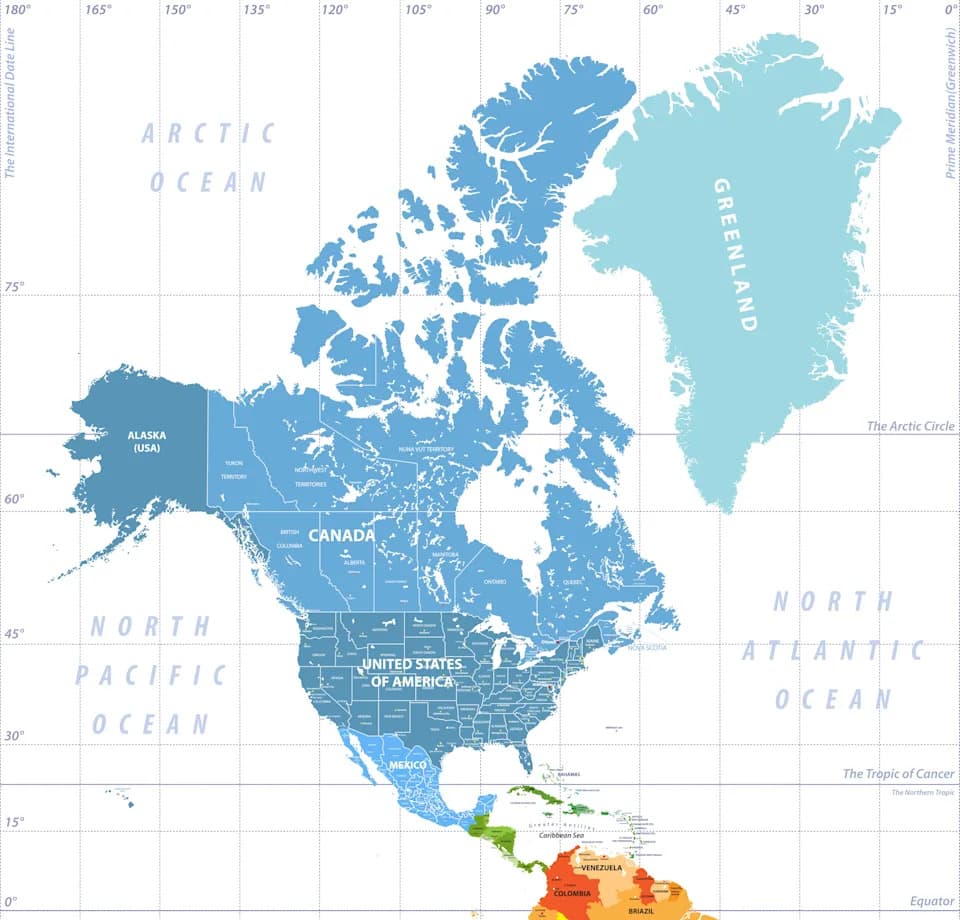
COPENHAGEN, Jan 27 — Denmark's prime minister, Mette Frederiksen, and Greenland's leader, Jens-Frederik Nielsen, met German Chancellor Friedrich Merz in Berlin on Tuesday and will travel to Paris on Wednesday to build European support after U.S. President Donald Trump publicly expressed interest in acquiring Greenland, territory long administered by Denmark.
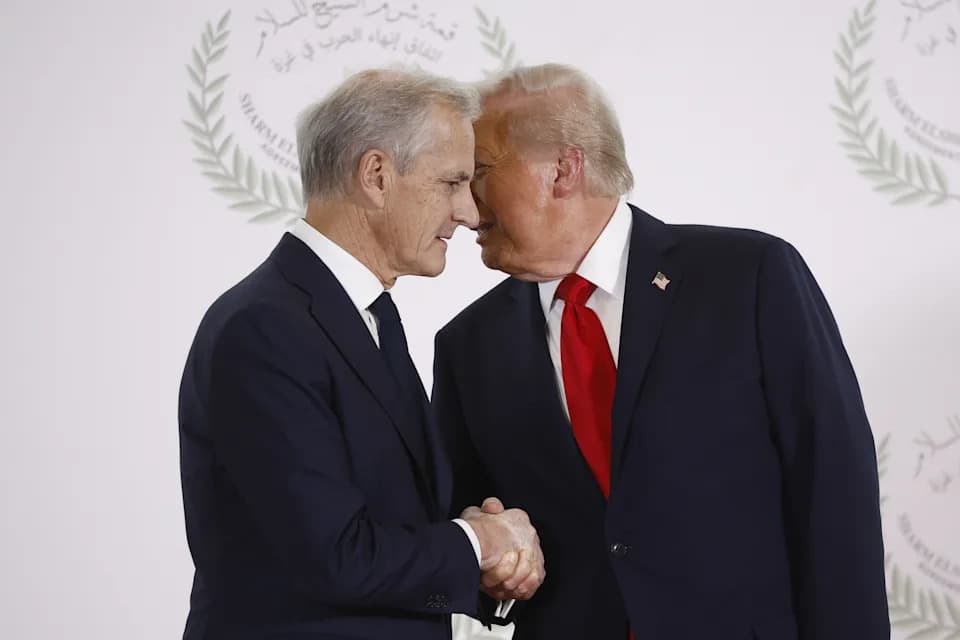
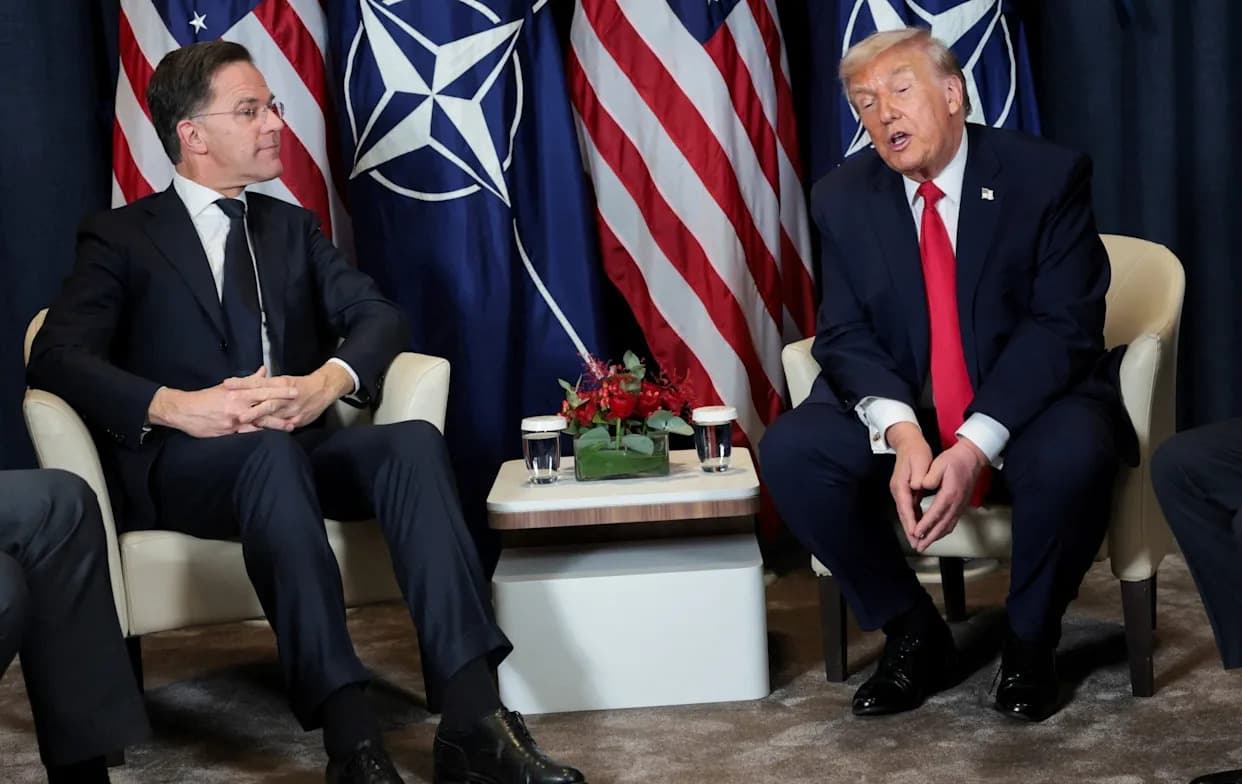
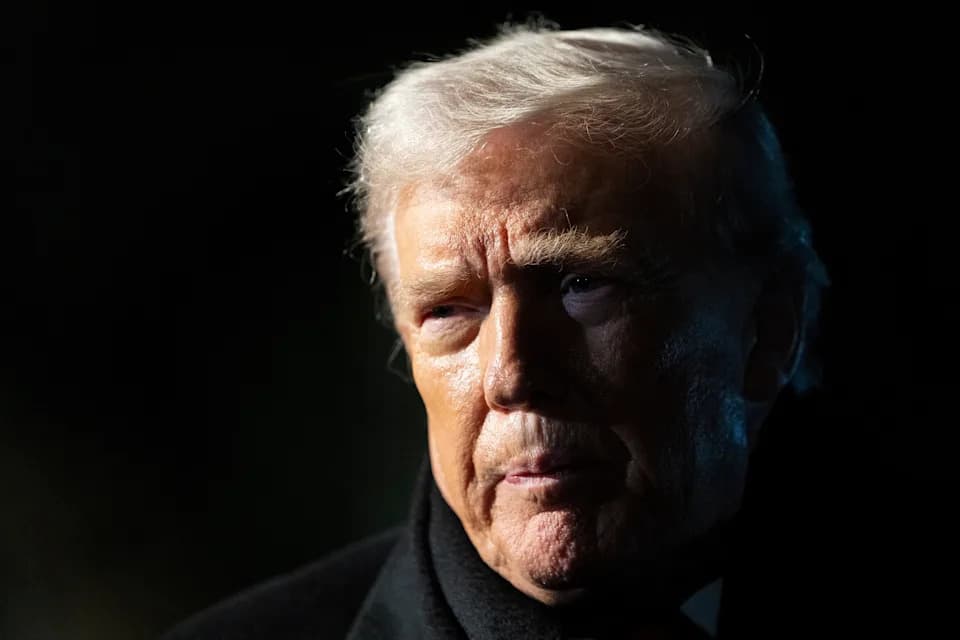
The U.S. proposal touched off a diplomatic stir across the Atlantic and pushed European capitals to accelerate efforts to reduce strategic reliance on Washington. Last week Mr. Trump said he had dropped tariff threats and publicly ruled out seizing Greenland by force, but the episode has still heightened concerns about Arctic security and sovereignty.
"I have a deep gratitude towards the Americans. But there is now so much disruption that the most important thing to me is that we Europeans now do the right thing to be able to protect our people, country, freedom and security," Frederiksen told German public broadcaster ARD.
A German government spokesperson said Chancellor Merz reaffirmed Berlin's solidarity with Denmark and Greenland and emphasized that Germany, as a European NATO ally, would step up its contribution to security in the High North within NATO's framework.
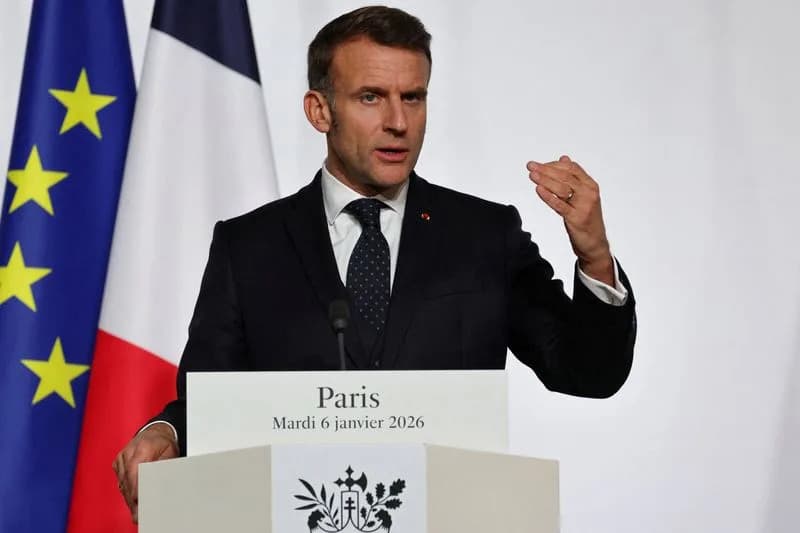
Frederiksen and Nielsen are due to meet French President Emmanuel Macron in Paris. According to the Danish prime minister's office, the discussions will focus on "the current foreign policy situation and the need for a strengthened Europe," as well as Arctic security and the economic and social development of Greenland.
"I'm very, very happy for the massive European support," Frederiksen told ARD. "When Europe stands together, and when Europe stands up for itself, it works."
Macron's office said the French president planned to reaffirm European solidarity and support for the sovereignty and territorial integrity of Denmark and Greenland. France and the European Union also signaled readiness to assist Greenland's development in areas such as investment, infrastructure and social programmes.
The secretary-general of NATO urged allies to increase their commitment to Arctic security, citing perceived strategic challenges from Russia and China. Denmark and Greenland say they remain open to discussing a broad range of topics with the United States, but insist any talks must respect their "red lines" on sovereignty and territorial integrity.
This diplomatic episode — which briefly raised questions about cohesion among NATO allies — has largely moved onto a diplomatic track, with European partners seeking to present a united front on Arctic security and the future of Greenland.
Reporting: Stine Jacobsen and Anna Ringstrom; additional reporting by Alexander Ratz in Berlin. Editing: Terje Solsvik and Alex Richardson.
Help us improve.