The EU is accelerating plans to become a more sovereign and strategically autonomous power in response to pressure from the US, Russia and China. Leaders are debating rapid or staged enlargement — including Ukraine and the Western Balkans — alongside major defence investments and industrial cooperation. Brussels seeks to leverage its 460m-strong single market through trade diversification and anti-coercion tools, but unanimity rules, eurosceptic politics and reliance on US military technology remain key constraints.
How the EU Is Plotting a 'Super Europe': Enlargement, Defence and Strategic Autonomy
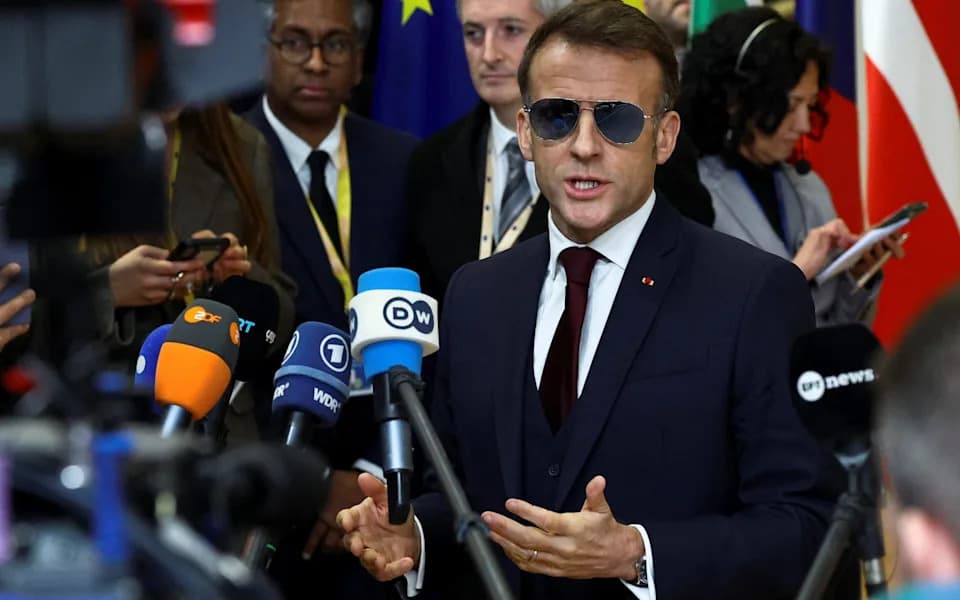
Emmanuel Macron, France’s president, has been pushing Europe to flex its muscles ever since Donald Trump’s first term - Yves Herman/Reuters
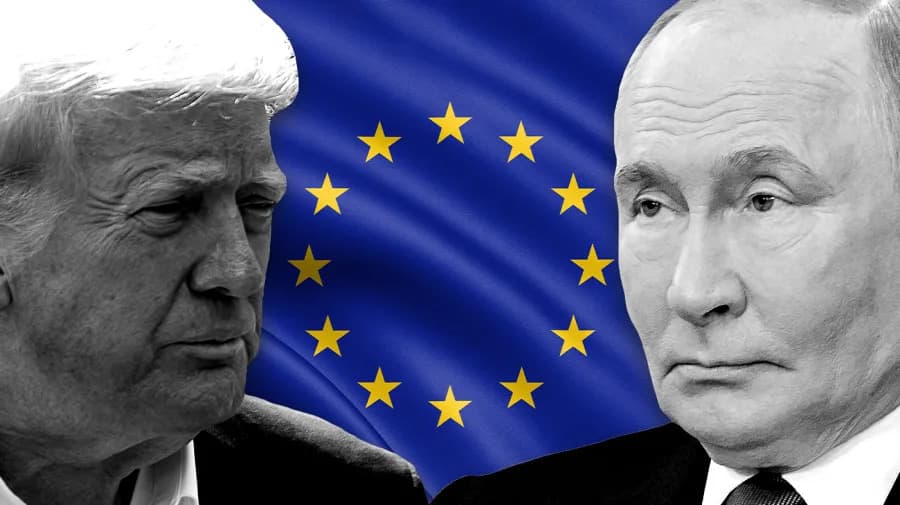
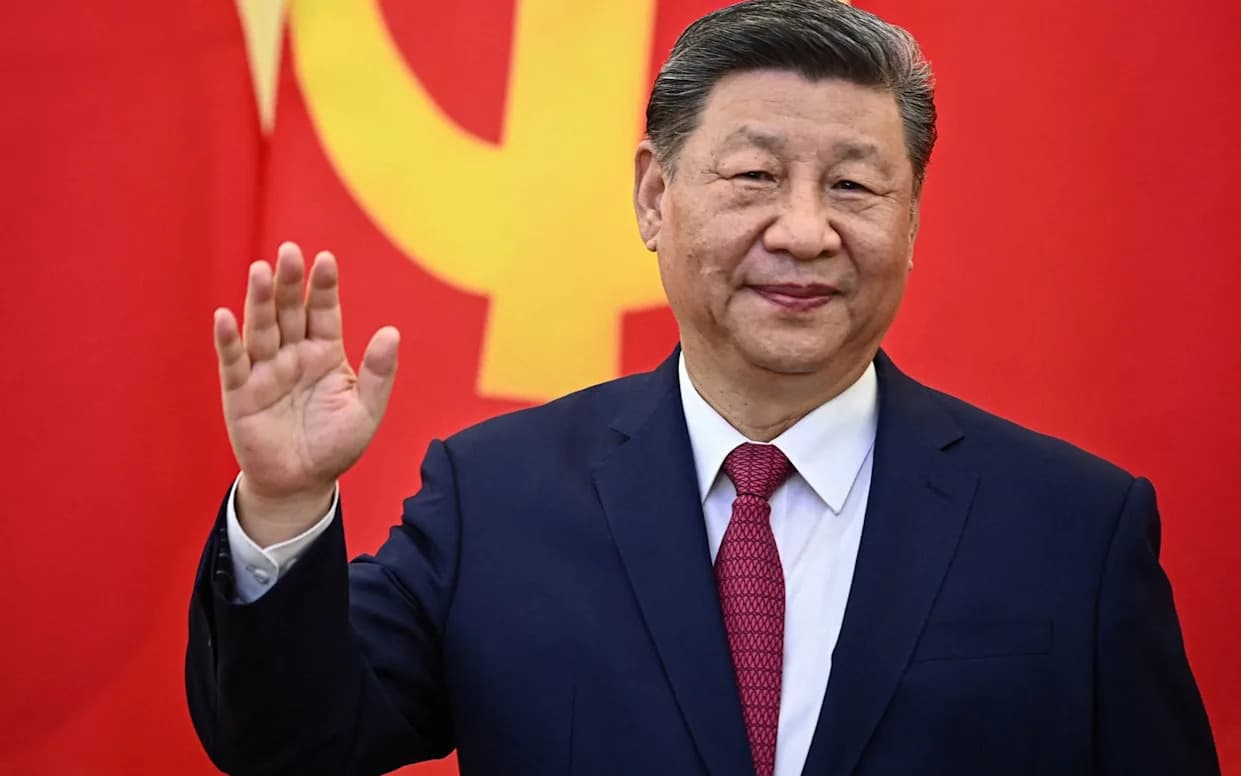
At an emergency Brussels summit, European leaders sketched a bolder vision for the European Union: a larger, wealthier and more strategically autonomous bloc capable of withstanding pressure from rival powers. The immediate catalysts were former US president Donald Trump’s dramatic threats over Greenland, Russia’s invasion of Ukraine under Vladimir Putin, and intensifying competition from China under Xi Jinping.
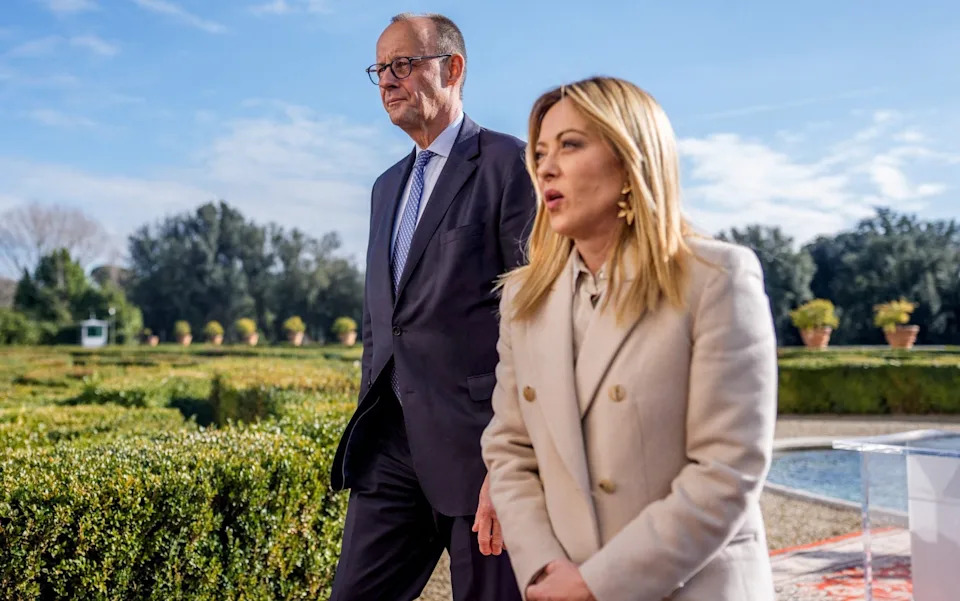
Friedrich Merz, the German chancellor, and Giorgia Meloni, the Italin prime minister, signed an accord on European reforms - Michael Kappeler/Reuters
Why Europe Wants To Act Bigger
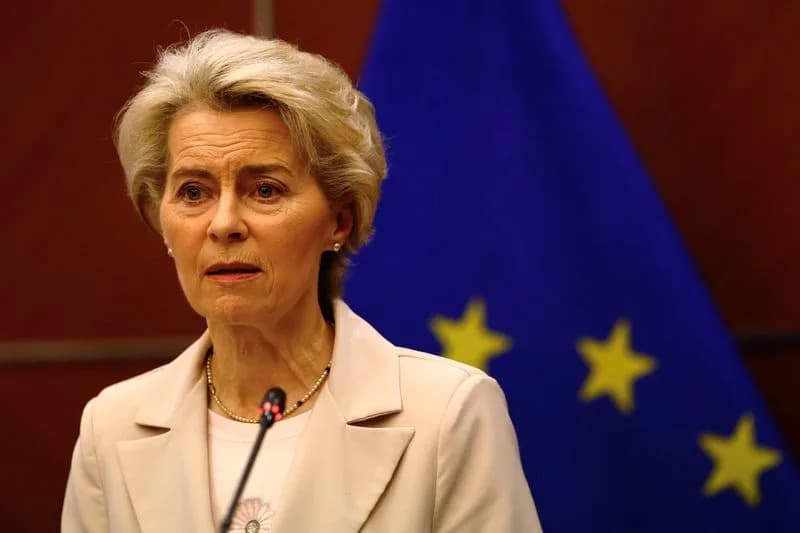
EU officials and diplomats say a string of crises has accelerated a long-running debate about European sovereignty. France’s Emmanuel Macron and Germany’s Friedrich Merz — among the bloc’s most influential leaders — are pushing reforms to strengthen security, competitiveness and unity. European Commission President Ursula von der Leyen warned that building strategic autonomy will be “hard work” and cannot happen overnight.

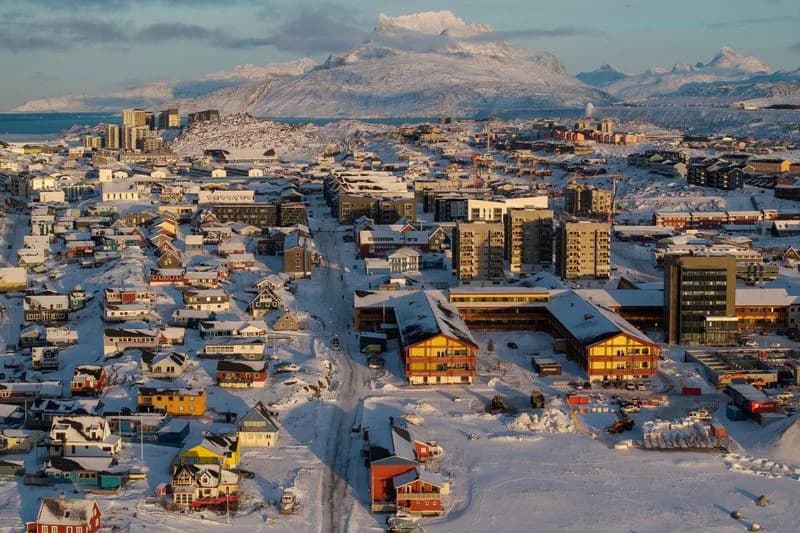
A poll of Greenland residents in April found 43 per cent in favour of EU membership with 39 per cent opposed - Sean Gallup/Getty
Unity After the Greenland Episode
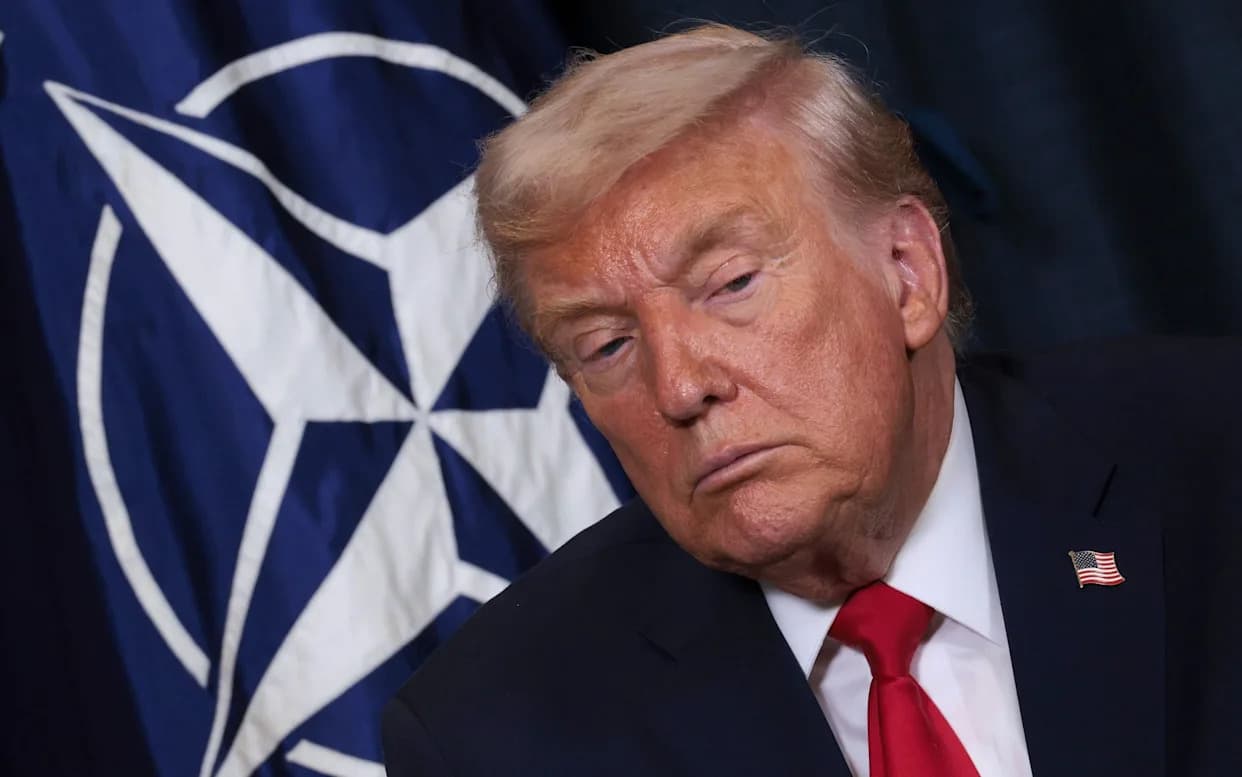
The Greenland episode — in which Mr Trump publicly suggested the United States should buy the island from Denmark — crystallised fears about the reliability of traditional allies. Leaders argued that coherent, collective European action is essential if the continent is to avoid being subject to economic or political coercion.
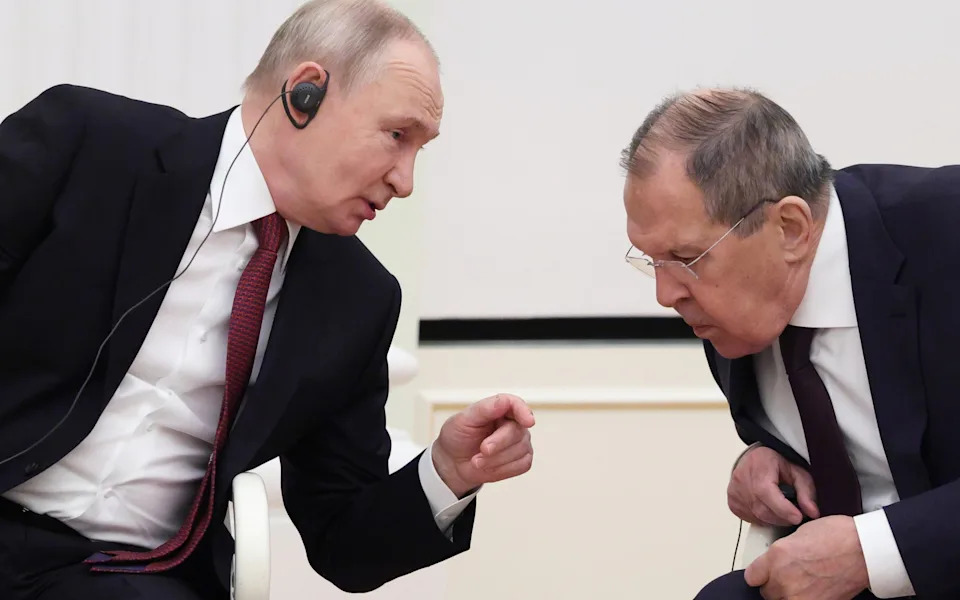
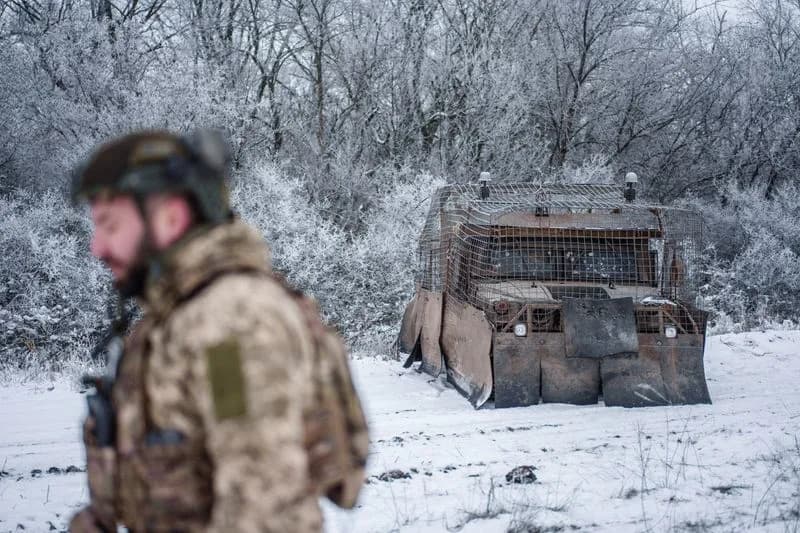
The addition of almost 40 million Ukrainians would be an important bulwark against Vladimir Putin - Ramil Sitdikov/AP
Rapid Enlargement On The Table
Enlargement, long politically fraught in Brussels, is back at the centre of strategy discussions. Nine countries are actively seeking membership, and Kyiv’s accession has become central to any durable peace settlement with Russia. Commission officials are examining accelerated or staged accession models that would admit new members with provisional or limited rights while they meet rule-of-law, anti-corruption and legal-alignment requirements.
That approach would have ripple effects: the six Western Balkans states (Montenegro, Albania, North Macedonia, Kosovo, Bosnia and Herzegovina and Serbia), plus Moldova and Georgia, would expect comparable treatment. Iceland and Norway — both in the European Economic Area — are also part of the conversation, with Iceland potentially holding a referendum on EU membership.
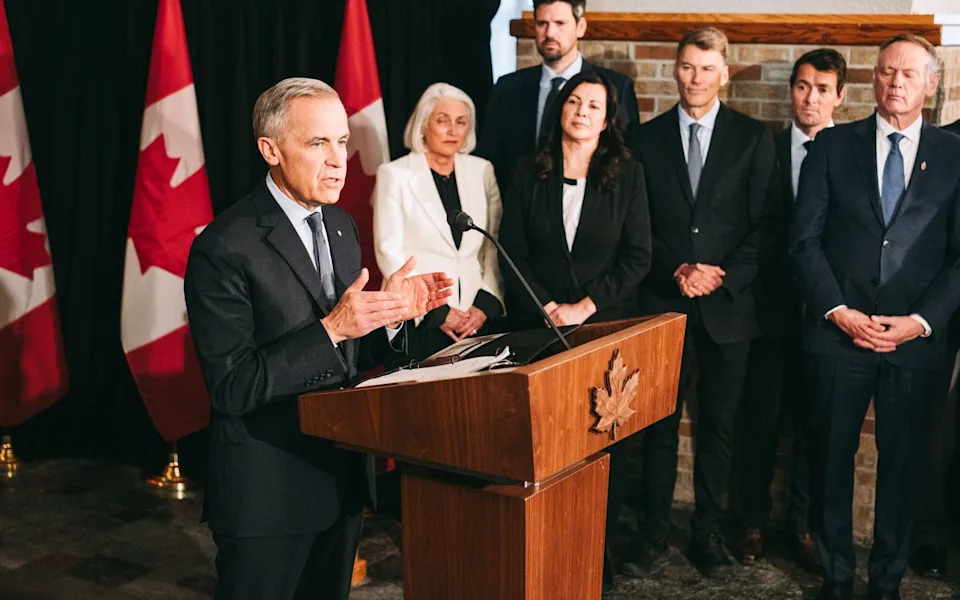
Mark Carney, the Canadian prime minister, called on ‘middle powers’ to act together - Renaud Philippe/Bloomberg
Defence, Industry And Money
Leaders are also focused on addressing capability shortfalls. Ukraine would add significant military-industrial capacity — officials speak of it as a potential eastern “steel porcupine” capable of deterring further Russian aggression if adequately supplied. The EU plans joint funding and industrial projects to close gaps: a proposed €150bn Safe Defence Loan scheme and temporary easing of fiscal rules to mobilise additional funds (the Commission has suggested measures to unlock roughly €650bn for defence investment).
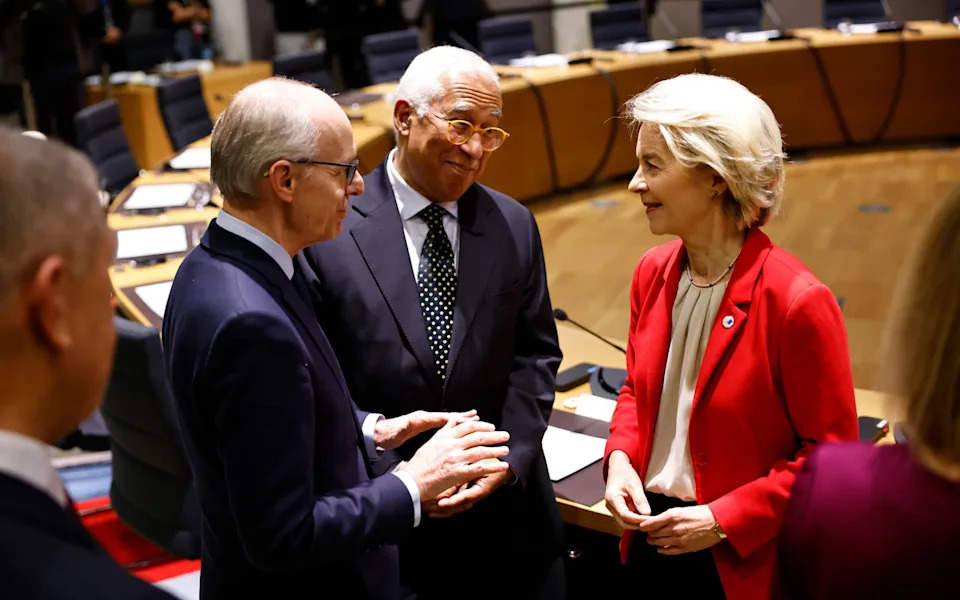
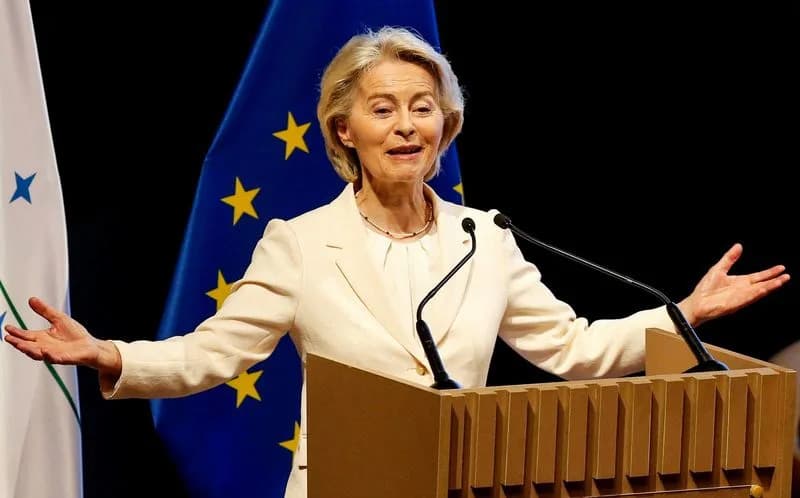
Ursula von der Leyen has moved to ease debt rules to finance a further €650bn (£565bn) in defence spending - Simon Wohlfahrt/Bloomberg
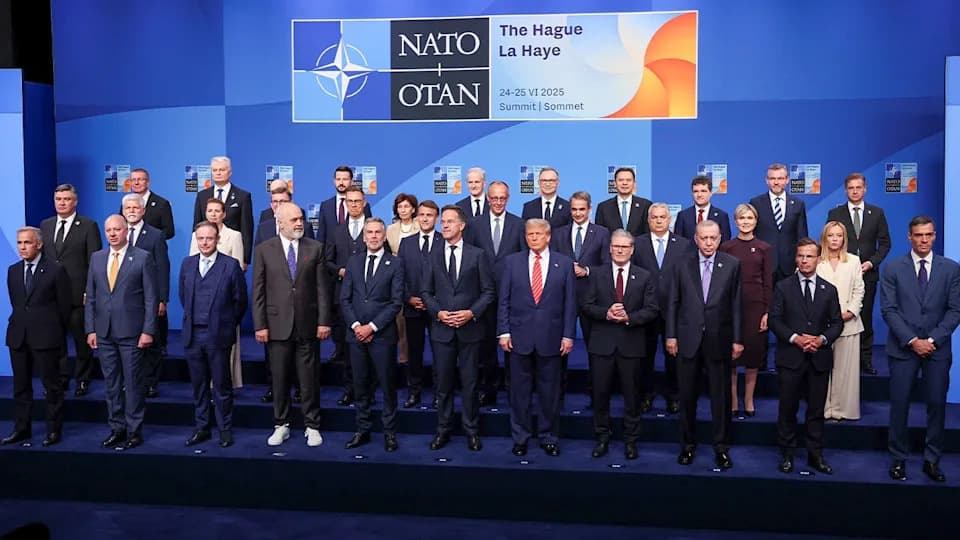
But Europe remains dependent on high-tech US equipment, and officials concede full defence independence will take decades. NATO and American military capabilities remain indispensable, even as the EU seeks greater strategic autonomy.
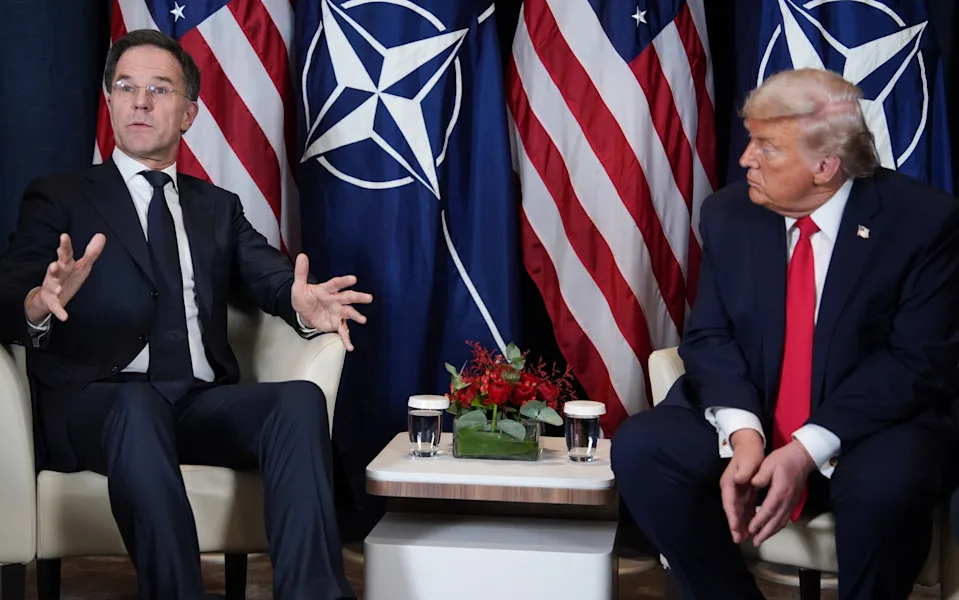
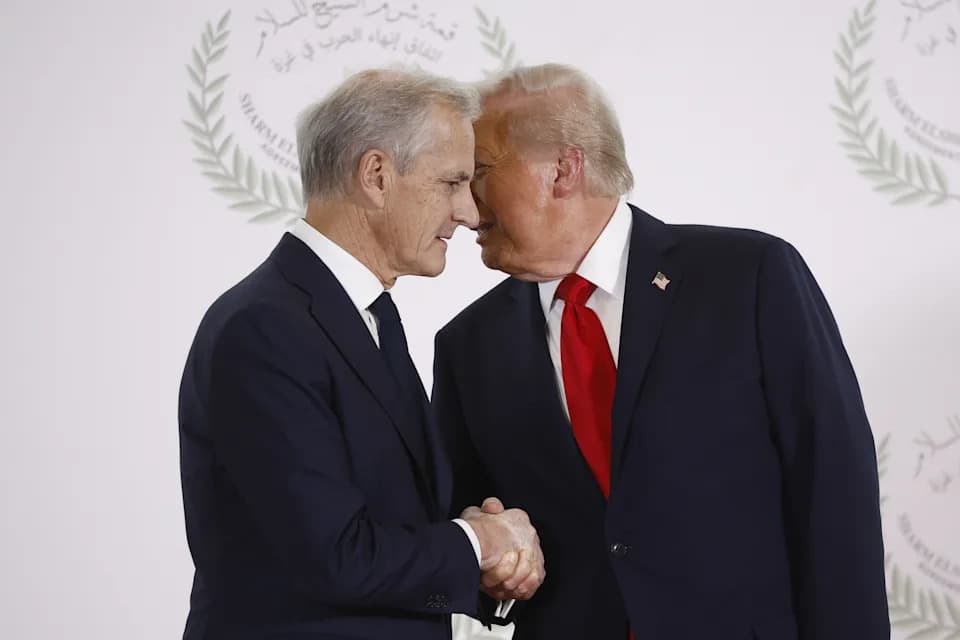
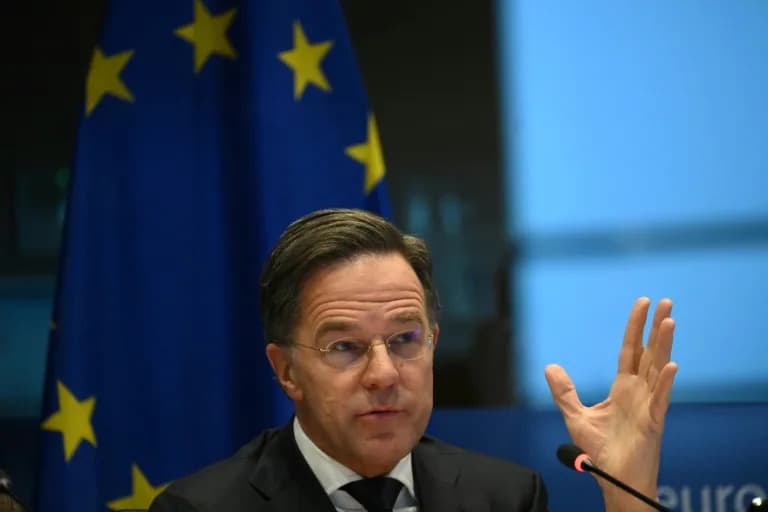
Mark Rutte, Nato’s secretary-general, left, proposed a deal that prompted Donald Trump to back down on his Greenland plans - Evan Vucci/AP
Economic Levers And Global Trade
The EU’s single market — around 460 million consumers — is its most potent global lever. Brussels is pursuing trade diversification, strengthening supply chains for critical materials (including rare earths) and negotiating deals with partners such as Mercosur, Canada, India, Australia and New Zealand. The bloc has announced instruments to counter economic coercion, including an anti-coercion “trade bazooka” that can be activated without unanimous consent.
Political Obstacles And Institutional Change
Any enlargement requires unanimous approval by current members, and accession will demand hard bargaining over agricultural subsidies, cohesion funding and anti-corruption safeguards. Hungary’s Viktor Orbán has warned he would veto Ukraine’s accession, and several states still do not recognise Kosovo. Eurosceptic and nationalist forces across Europe complicate the political calculus.
Institutionally, Brussels is considering a more flexible, multi-speed Europe — tailored membership packages, majority voting in more areas, and smaller coalitions acting where unanimity stalls. This would require member states to cede more authority to EU institutions, a politically sensitive step.
What It Means For Britain And The Wider World
Britain faces strategic choices: closer alignment with a strengthening EU or continued distance. UK leaders have so far resisted full single-market re-entry, but closer partnerships on defence, standards and trade are being explored. Meanwhile, Brussels insists that strategic autonomy is not anti-American; officials stress Europe still needs transatlantic trade and security ties even as it builds resilience.
Bottom line: The EU is moving from a primarily economic union toward a geopolitical project. Enlargement, industrial consolidation, defence investment and a more assertive trade policy are all in play — but success will depend on complex negotiations, significant funding and sustained political will across member states.
Help us improve.