French President Emmanuel Macron described the US‑Greenland episode as a "strategic wake‑up call" for Europe and vowed French solidarity with Denmark and Greenland. He urged a renewed European push on sovereignty, Arctic security, countering disinformation and climate action. Small European troop deployments and the movement of France's carrier Charles de Gaulle underline heightened security attention in the North Atlantic. Danish and Greenlandic leaders welcomed the support and urged faster strengthening of European defence capabilities.
Macron: Greenland Standoff a 'Strategic Wake‑Up Call' for Europe
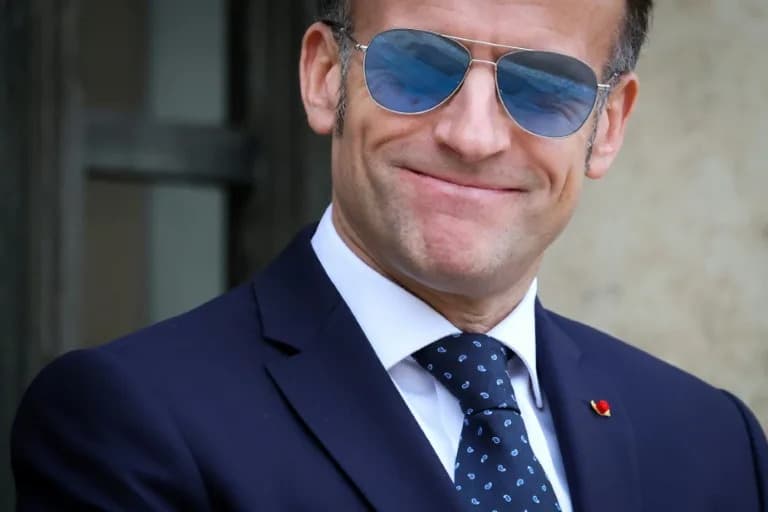
French President Emmanuel Macron welcomes the leaders of Greenland and Denmark at the Elysee Palace (Ludovic MARIN)(Ludovic MARIN/AFP/AFP)
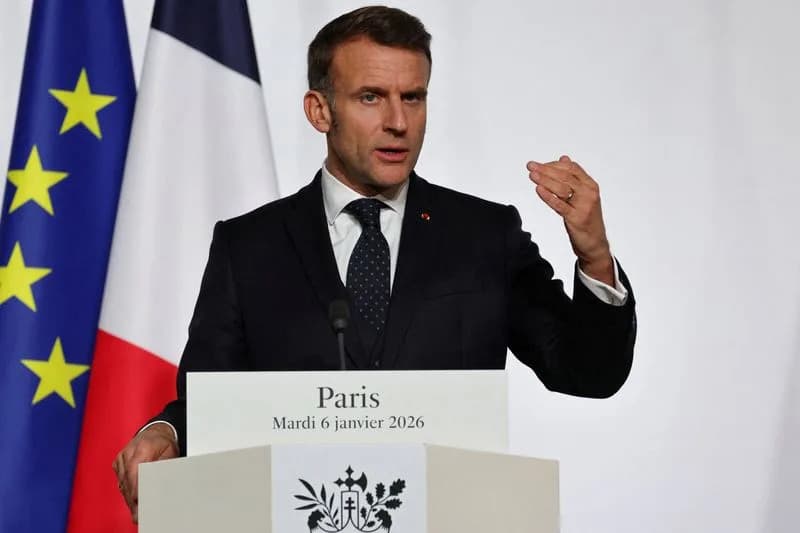
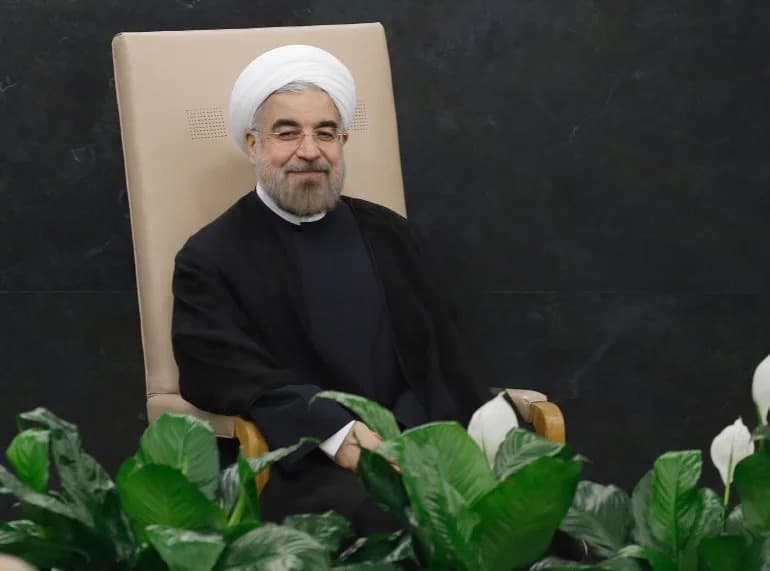
French President Emmanuel Macron on Wednesday called the recent standoff with the United States over Greenland "a strategic wake‑up call for all of Europe" as he met with Denmark's prime minister and Greenland's autonomous leader for talks in Paris.
A European Response
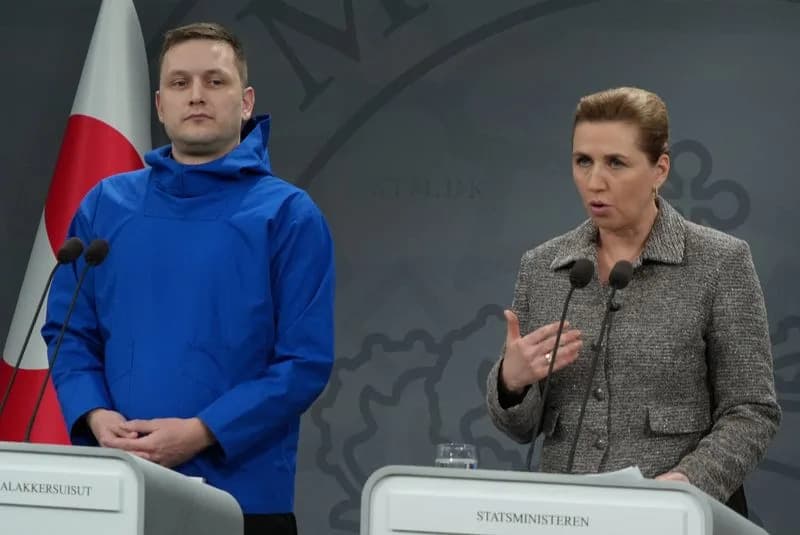
Standing beside Denmark's Prime Minister Mette Frederiksen and Greenlandic leader Jens‑Frederik Nielsen, Macron said the episode must prompt a renewed European focus on sovereignty, Arctic security, countering foreign interference and disinformation, and tackling climate change. He reaffirmed France's solidarity with Denmark and Greenland and said Paris remained committed to their sovereignty and territorial integrity.
"Greenland is not for sale, nor is it up for grabs. The Greenlanders will decide their own future," Macron said in Greenlandic, later telling Prime Minister Frederiksen in Danish that France would stand "side‑by‑side" with the Kingdom of Denmark.
Security Moves and Deployments
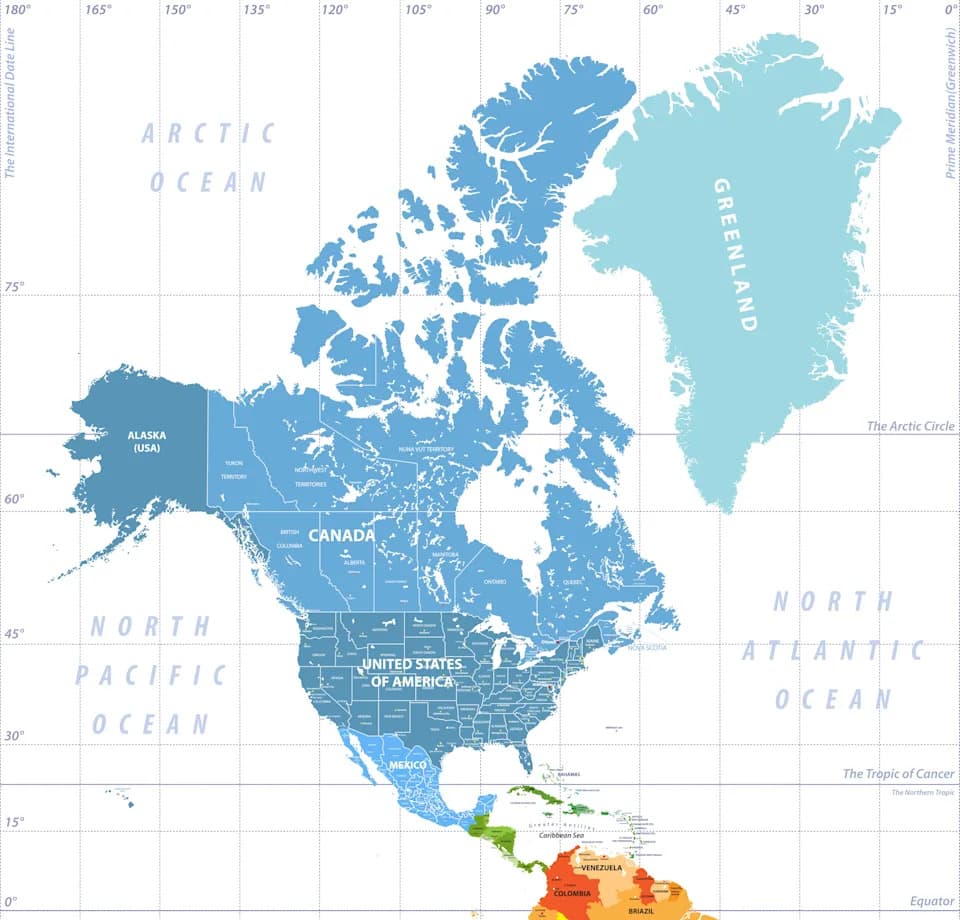
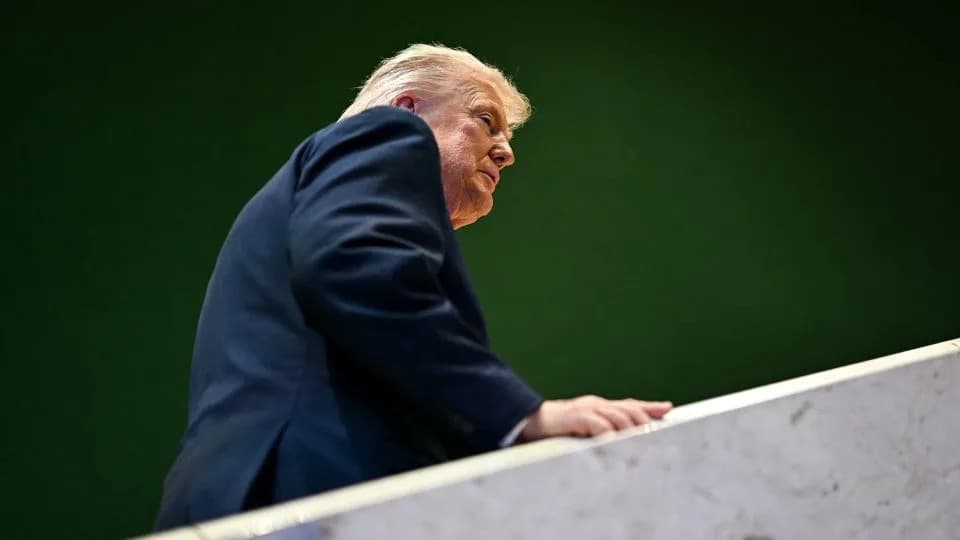
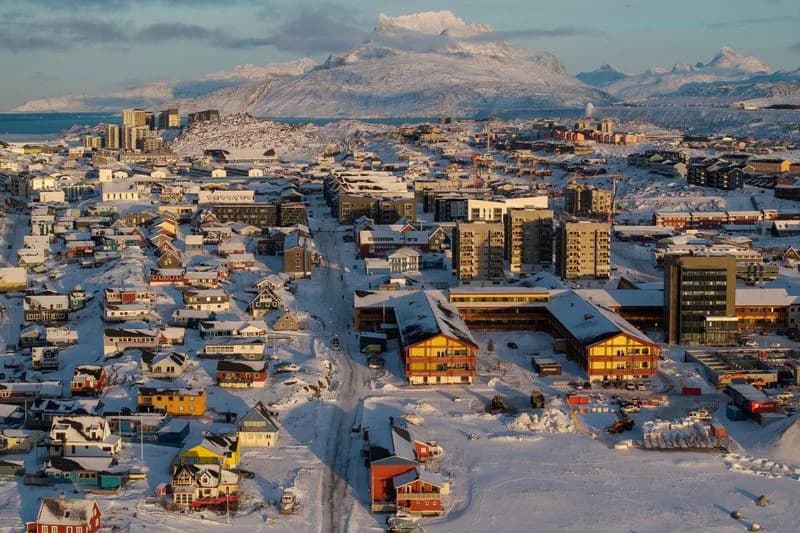
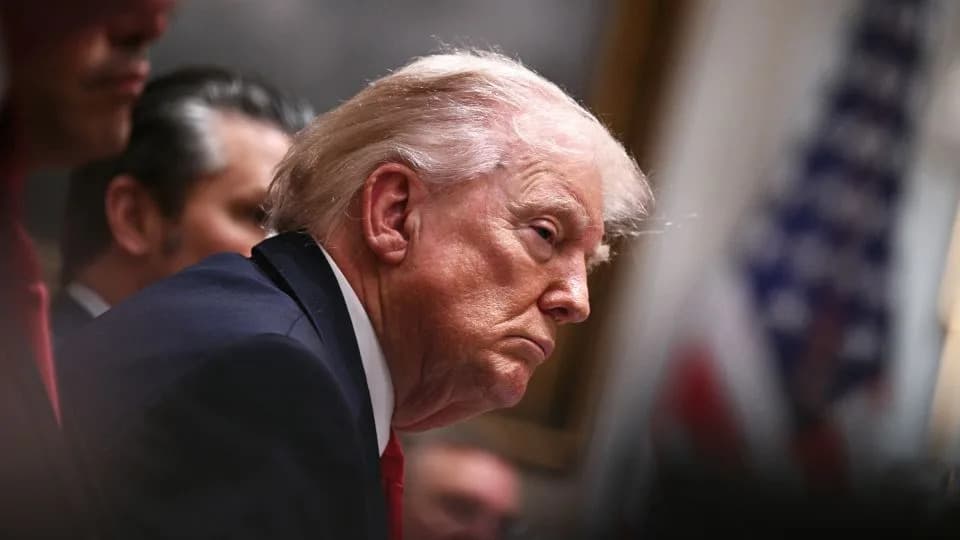
As a visible sign of European solidarity, small contingents of troops from several European countries, including France, were deployed to Greenland earlier this month. After diplomatic pressure from European capitals, U.S. President Donald Trump dropped public plans to pursue the island by force. The dispute highlighted Greenland's strategic location between the Arctic and North Atlantic and its rich natural resources.
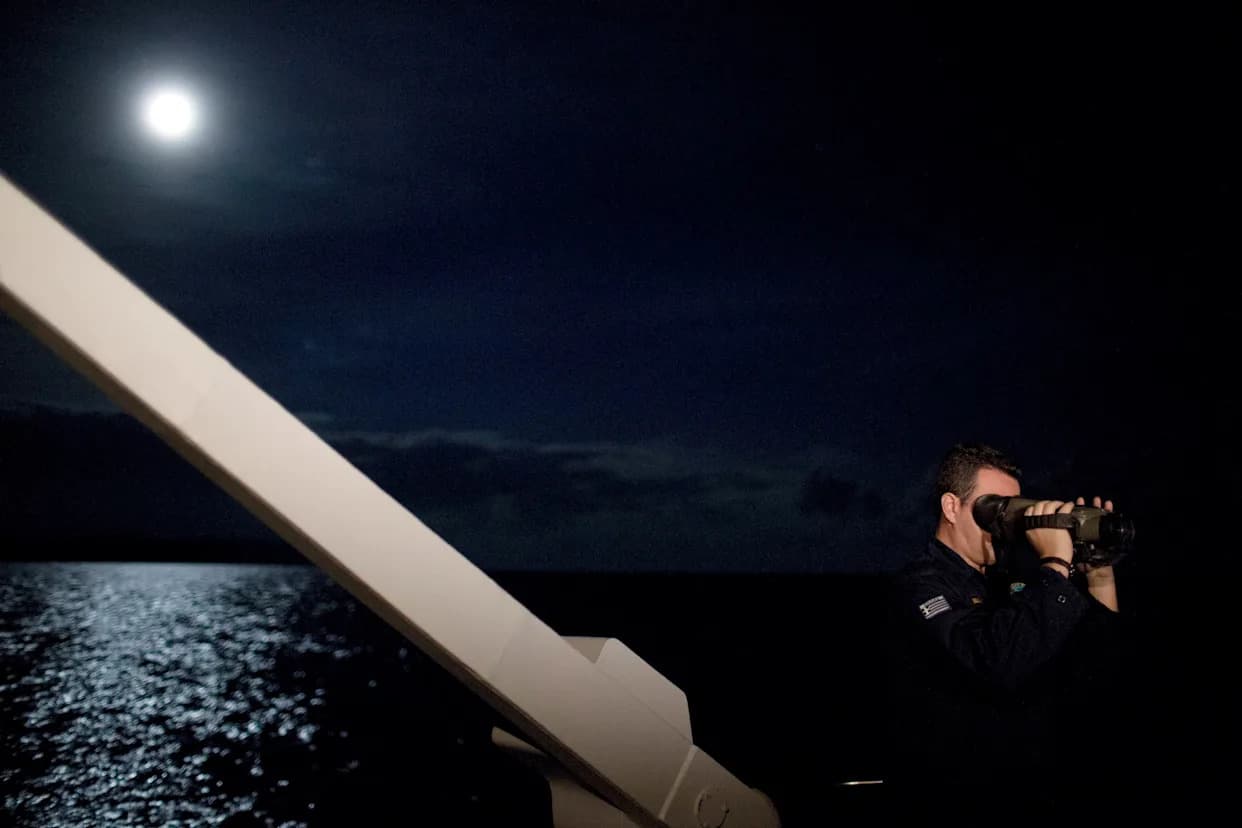
Separately, France's naval flagship, the aircraft carrier Charles de Gaulle, sailed for pre‑planned Atlantic exercises; sources told AFP the carrier was being deployed toward the North Atlantic, where Arctic‑Atlantic security has grown in importance.
Voices From Denmark and Greenland
Frederiksen said the controversy showed Europe could mobilize and should take steps to reduce excessive dependence on the United States for defence. "The world order as we have known it is under pressure; it's changing rapidly," she said. Nielsen thanked Macron for acting quickly and for France's support. "We will in Greenland never forget it," he said, adding that the cooperation signalled shared values and democratic solidarity beyond the island itself.
Frederiksen urged faster action to strengthen Europe's defence capabilities, saying a 2035 timeline to increase spending would be too slow. She warned that when it comes to intelligence, nuclear deterrence and other strategic assets, Europe remains dependent on the United States, but argued capitals can and should do more now.
Political Context
Dutch Prime Minister Mark Rutte — not the head of NATO — told EU lawmakers earlier this week that Europe should be realistic about its current capabilities, saying those who expect Europe to fully replace U.S. security support "keep on dreaming." NATO continues to encourage members to meet agreed benchmark levels of defence spending; the alliance's commonly cited guideline is 2% of GDP, though some leaders have pressed for higher investment.
German Chancellor Friedrich Merz met Frederiksen in Berlin and pledged Germany's solidarity with Denmark and Greenland.
Reporting detail: names and comments are reported as given in official briefings and statements from the leaders involved; deployment and naval movements were described to AFP sources.
Help us improve.