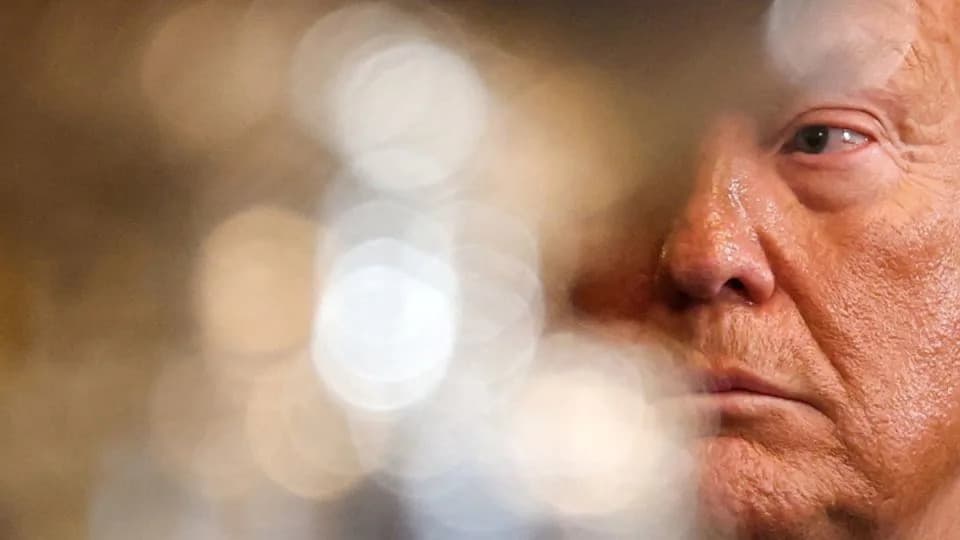
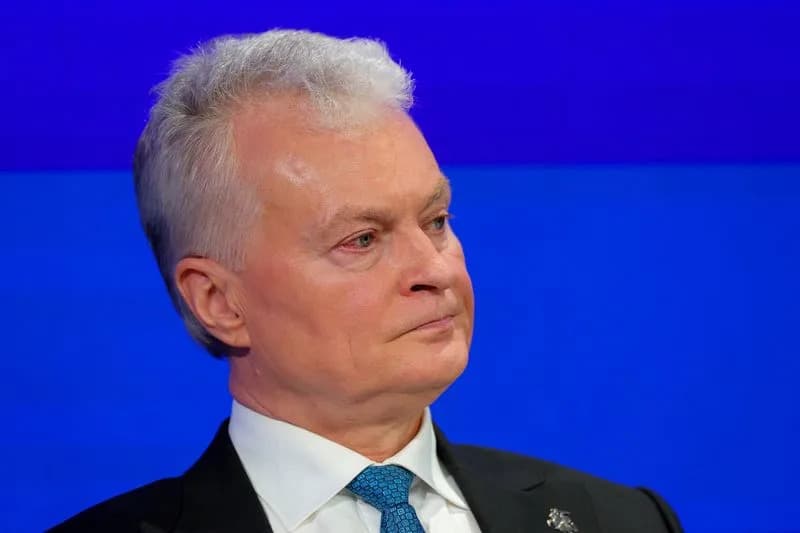
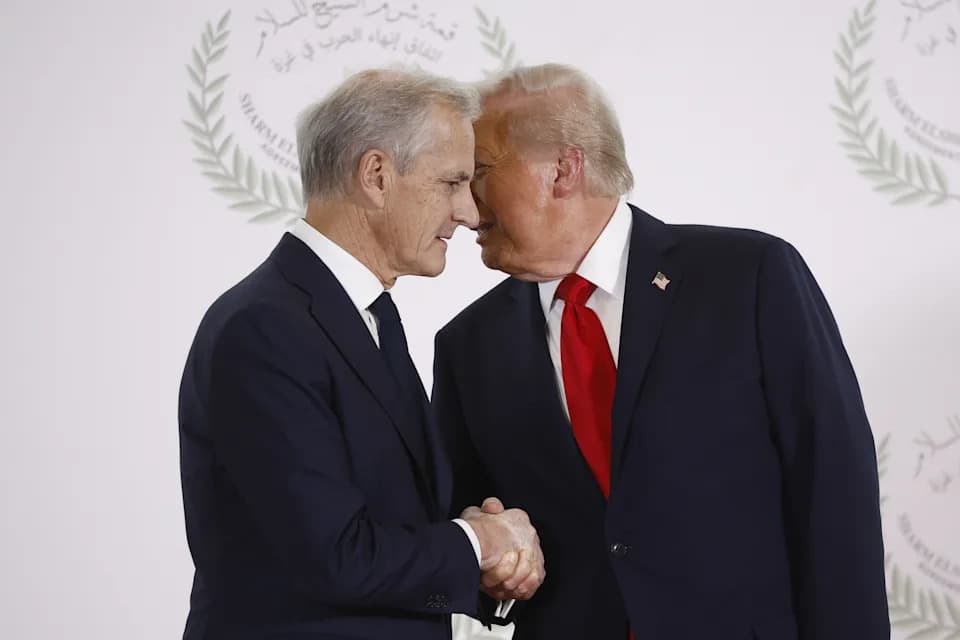
Europe Is Reassessing Its Reliance On The United States. President Trump’s controversial interest in Greenland and blunt diplomacy in Davos have intensified European doubts about Washington’s reliability. The dispute arrives as Ukraine negotiates post-war security guarantees and deals with severe energy disruptions. European leaders are advancing proposals for greater defense cooperation, considering energy and financial contingency plans, and weighing how quickly — and at what cost — they can reduce dependency on the US.
Trump’s Greenland Gambit Forces Europe to Rethink Its Reliance on Washington
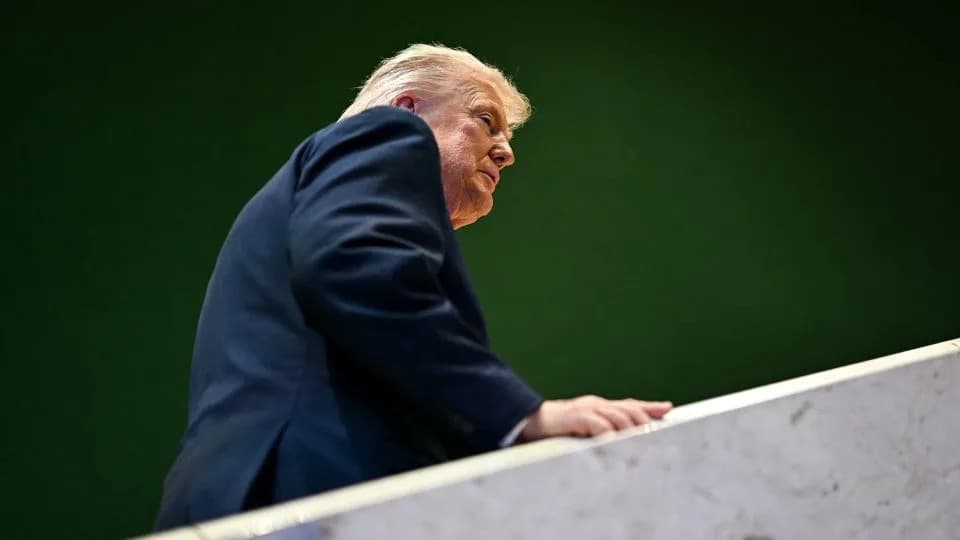
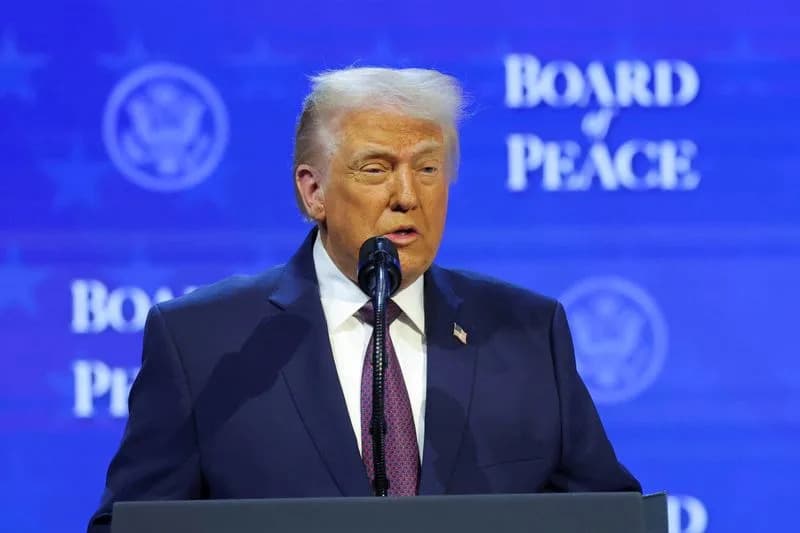
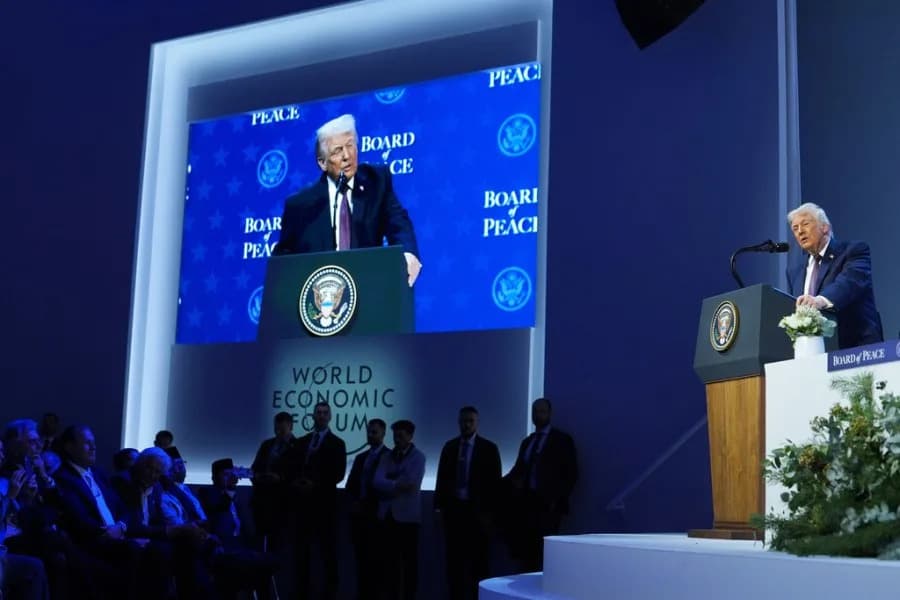
US President Donald Trump leaves after addressing a speech during the World Economic Forum annual meeting in Davos on January 21. - Fabrice Coffrini/AFP/Getty Images
A high-profile US intervention at the World Economic Forum in Davos has crystallized a wider debate in Europe: how dependent should the continent remain on Washington for security, energy and economic stability?
President Donald Trump’s renewed interest in Greenland — and the blunt language used by US officials in Davos — have prompted European capitals to reassess long-standing assumptions about the transatlantic relationship. The dispute has landed at a sensitive moment, complicating negotiations over Ukraine’s post-war security guarantees and diverting attention from an urgent humanitarian and energy crisis in Kyiv.
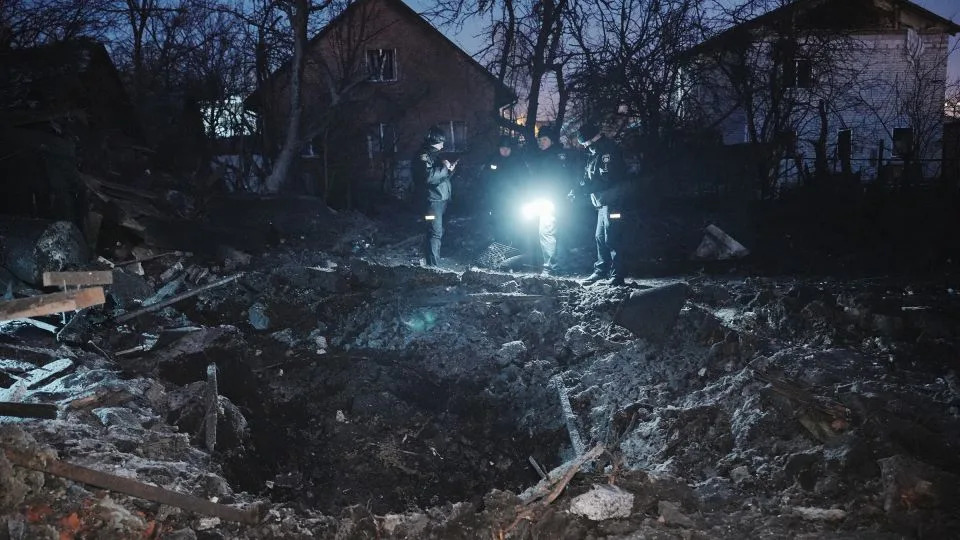
Police and rescuers work at the site of a Russian strike in Kharkiv, Ukraine, on January 19. - Viktoriia Yakymenko/Suspilne Ukraine/Getty Images
Ukraine And The Immediate Stakes
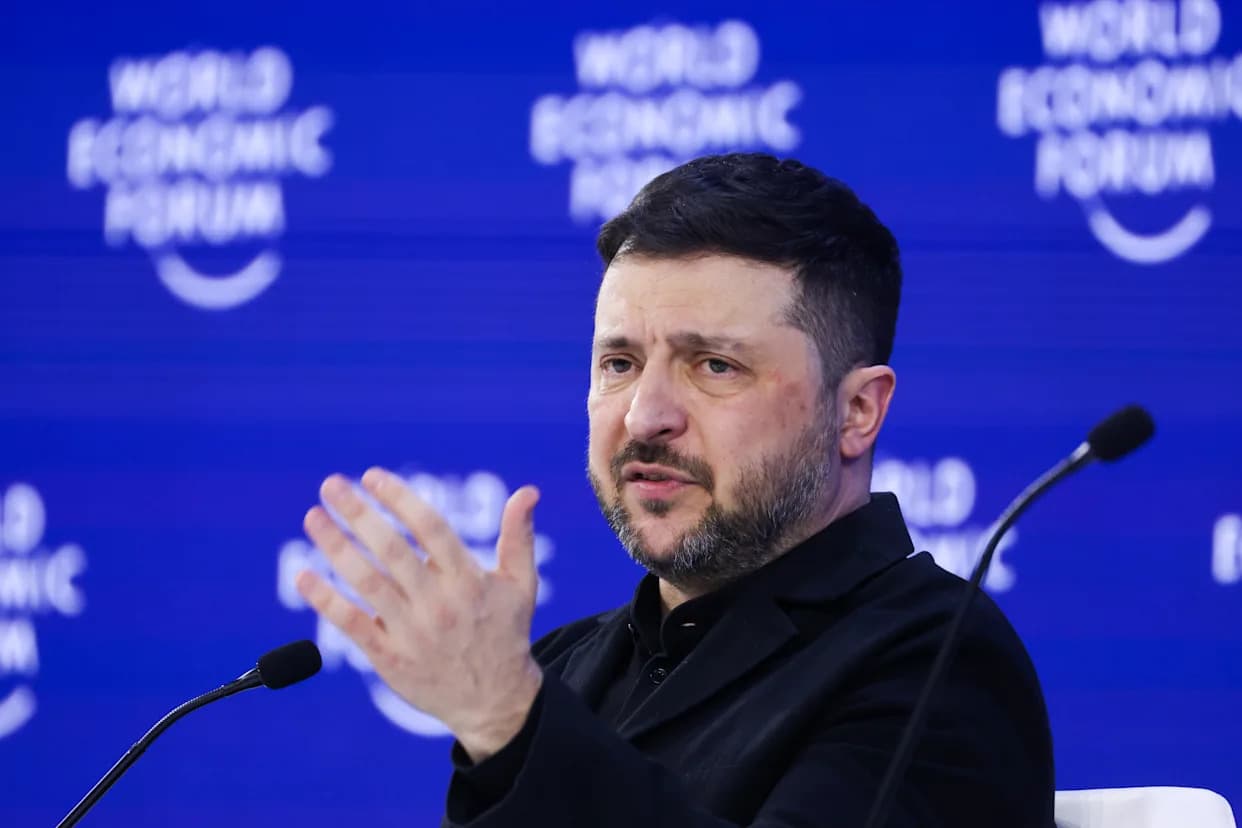
Intensive diplomacy had brought Kyiv and its allies closer to agreement on post-war security guarantees and an economic "prosperity plan." But the Greenland flap and attendant tensions in Davos risk overshadowing those talks. Ukrainian President Volodymyr Zelensky initially remained in Kyiv as the capital struggled with widespread power outages after a major strike; he later met US officials but underscored how critical timely deliveries of air-defense systems and other supplies remain.
Defense: Moving Toward Greater European Autonomy
Europe has accelerated efforts to reduce military dependence on the United States. French officials say Paris now supplies a much larger share of intelligence to Ukraine, and several NATO members have begun purchasing weapons for Kyiv through routes that do not rely directly on US deliveries.
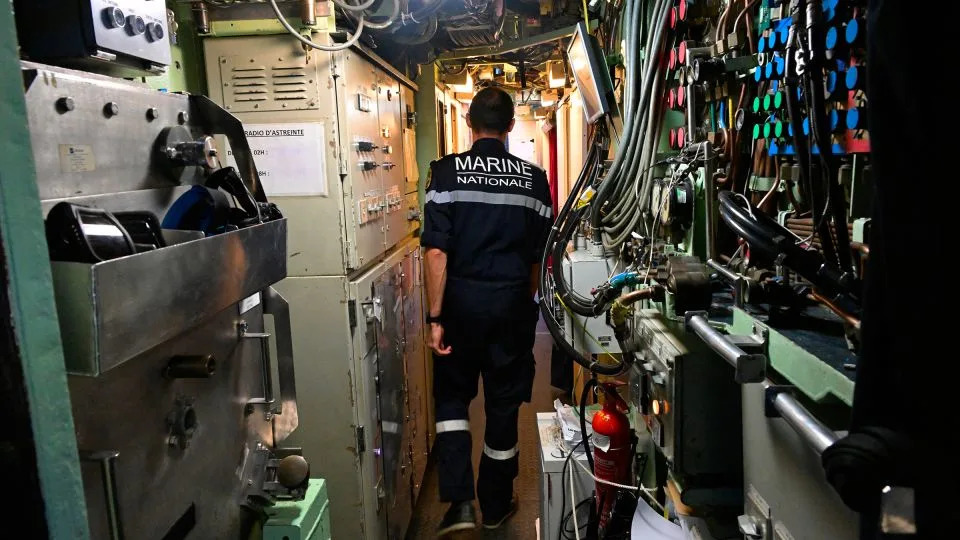
A sailor walks in the passageway of the nuclear attack submarine "Emeraude" at Brest's naval base, western France on November 8, 2024. - Damien Meyer/AFP/Getty Images
Still, the balance of conventional and nuclear deterrence remains heavily tilted toward the United States. France maintains the only truly independent European nuclear force; the UK’s Trident system depends on US-made components and cooperation. Tens of thousands of US troops, advanced aircraft, submarines and air-defence systems remain central to NATO’s posture in Europe.
That reliance is prompting bold proposals in Brussels and across capitals: from a more capacious EU defense fund and proposals to create a European Security Council to calls for a larger Europe-wide rapid reaction force. These initiatives aim to make Europe less vulnerable to sudden policy shifts in Washington, though capacity gaps, industrial bottlenecks and interoperability challenges limit how quickly such ambitions can be realized.
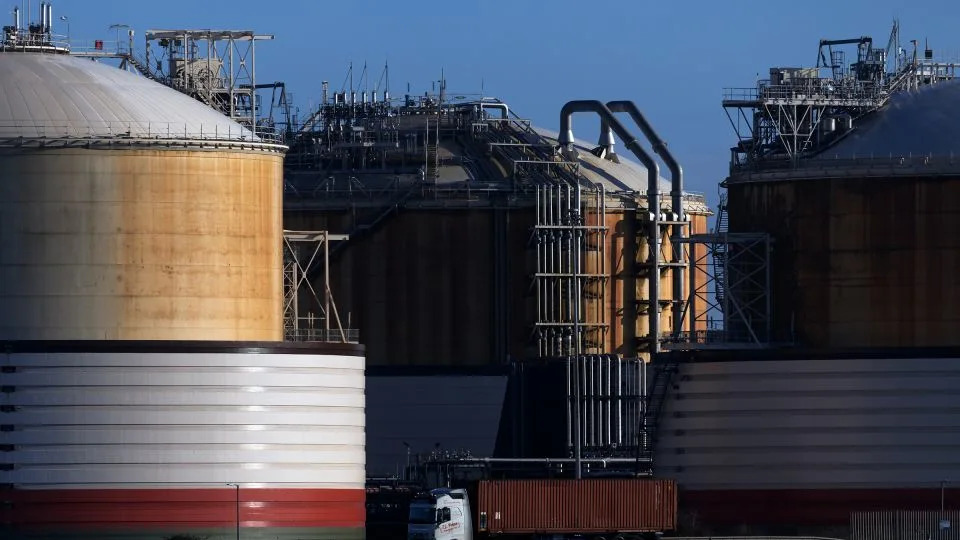
Storage tanks at Grain LNG importation terminal, operated by National Grid Plc, on the Isle of Grain on February 6, 2025, in Grain, England. - Dan Kitwood/Getty Images
Energy And Economic Levers
Energy dependence has become another potential pressure point. After Russia’s 2022 invasion of Ukraine, the EU diversified away from Russian gas and increasingly relied on US LNG. According to Bruegel, in the first 11 months of 2025 US liquefied natural gas accounted for about 58% of EU LNG imports, up from roughly 21% in 2021. That shift reduced Europe’s immediate exposure to Russian supply risks but increased its leverage on US energy policy and commercial interests.
Financial interdependence also offers theoretical countermeasures: European institutions and investors hold large amounts of US Treasuries and equities. Analysts note this as a potential — though costly and politically fraught — lever should transatlantic relations sharply deteriorate.
Politics, Perception And The Path Forward
Much of the debate is about credibility and perception. Some European leaders now question whether Washington would make the same strategic calculations on the continent that it has in the past. That doubt fuels talk of strengthened European defense cooperation, greater industrial autonomy and contingency planning for energy and financial shocks. But political will, procurement timelines and cost constraints mean significant change will take time.
“No one is laughing, no one is smiling. Because no one knows what tomorrow will bring.” — Serbian President Aleksandar Vučić, reflecting a wider mood of unease in Europe.
The transatlantic relationship remains indispensable in many respects, but the Greenland dispute has crystallized a broader conversation: whether Europe should double down on deep alliance ties with the US or invest far more heavily in strategic autonomy. For now, most capitals appear to be pursuing both paths — seeking reassurances from Washington while simultaneously building backup capabilities to reduce vulnerability to sudden policy shifts.
Help us improve.