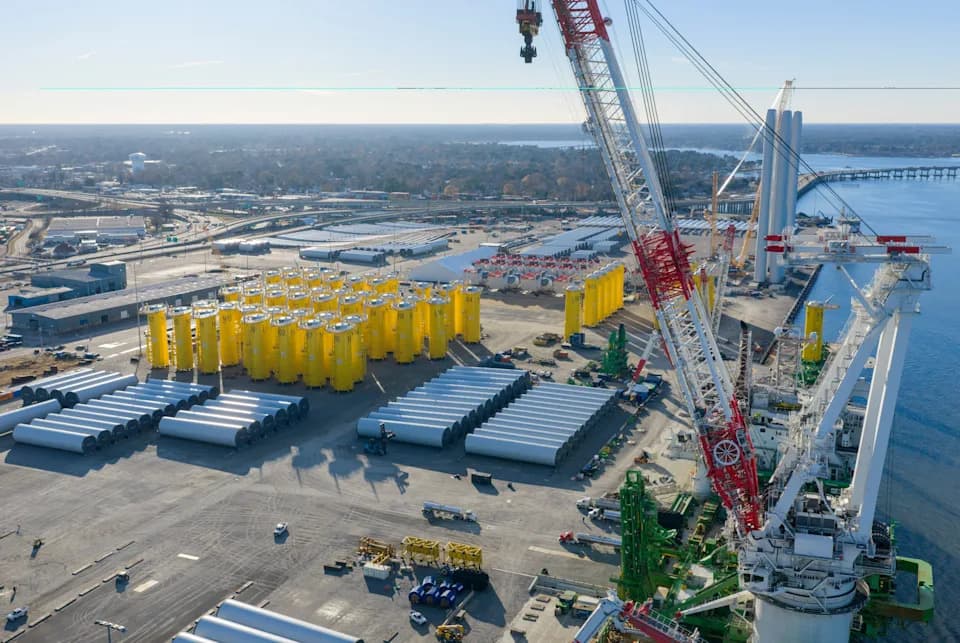
The federal courts last week blocked the Interior Department’s stop-work orders on several major offshore wind projects, allowing construction to proceed in New England, New York and Virginia. Three judges determined the administration had not shown sufficient, imminent national-security risk to justify halting work. Developers and state officials hailed the rulings as critical for energy planning and investment, while analysts warned the administration may pursue other legal or regulatory tactics that could prolong uncertainty for the industry.
Federal Courts Block Trump Administration's Pause On Major Offshore Wind Projects
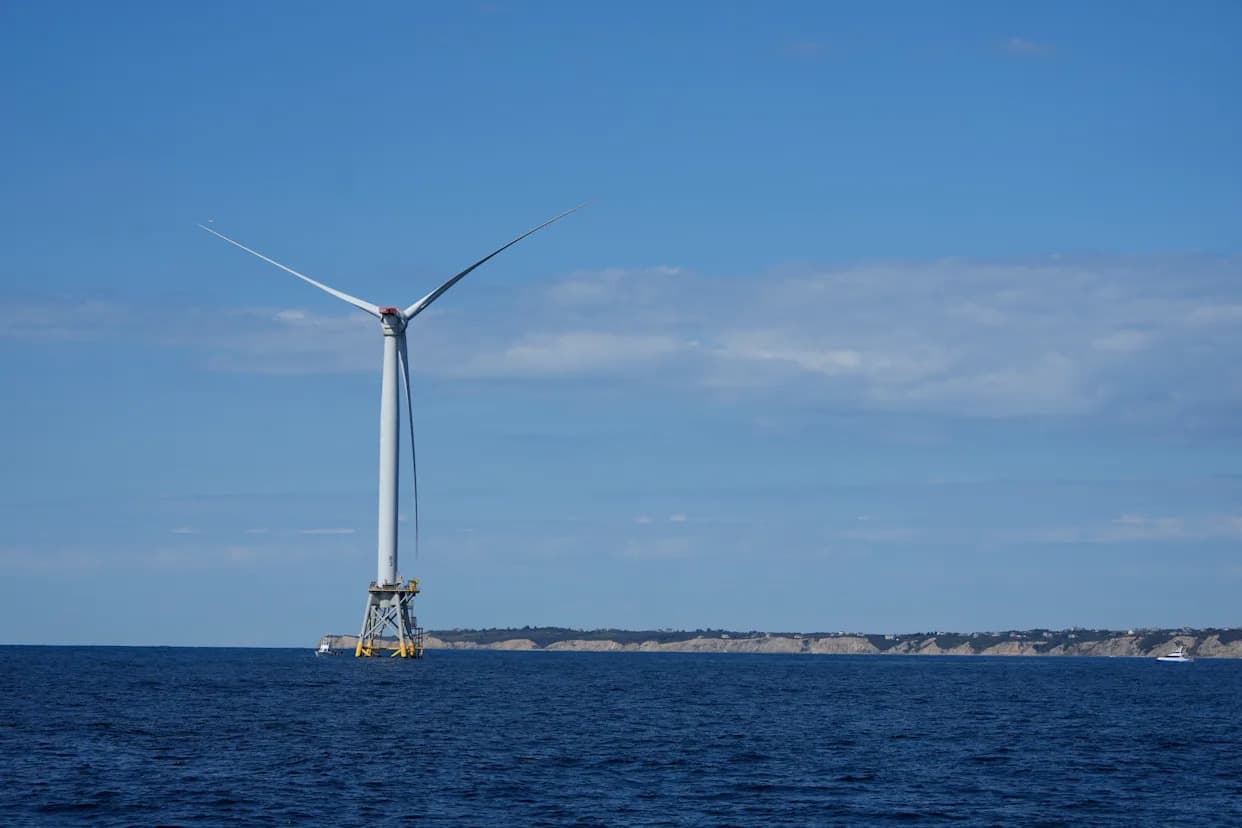
Federal judges last week rejected the Interior Department’s halt on several large offshore wind projects, allowing construction to resume on developments off New England, New York and Virginia. The rulings represent a significant legal setback for the Trump administration’s efforts to stall the nascent U.S. offshore wind industry.
Background
In December the Interior Department issued stop-work orders for all five leases tied to large-scale offshore wind projects that were under construction, citing undisclosed national security concerns. The projects had been approved under the Biden administration as part of a push to build an offshore wind industry capable of delivering clean electricity to the grid and reducing reliance on fossil fuels. Developers quickly sued, pointing to billions already invested and the complex logistics required for vessel coordination.
What the Courts Said
Three separate federal judges allowed construction to proceed while litigation continues:
- U.S. District Judge Carl Nichols (a Trump appointee) found the administration failed to adequately respond to developers' arguments in the Empire Wind case and concluded asserted national-security concerns did not outweigh the harm to the project.
- Judge Royce Lamberth (a Ronald Reagan appointee) rejected the administration's reasoning in the Revolution Wind dispute, noting public comments from Interior officials that raised issues unrelated to national security.
- Judge Jamar Walker (a Biden appointee) allowed work to continue on Dominion Energy’s Coastal Virginia Offshore Wind (CVOW) project, saying the government had not shown an imminent national-security risk justifying a stop-work order.
A fourth project's appeal is scheduled for hearing on Feb. 2.
Reactions
Democrats, industry officials and state leaders portrayed the rulings as vindication. Rep. Scott Peters (D-Calif.) said the decisions "reinforce what we've been saying: that this is illegal" and warned of negative signals to investors.
Sen. Martin Heinrich (D-N.M.) urged developers to defend their legal rights, while Dominion Energy said it would continue seeking a durable resolution through cooperation with the federal government. Dominion attorney James Auslander said the company had been in regular contact with Interior and was surprised by the December stop order: "In none of these meetings was there an indication that an order was coming."
Legal scholars argued the administration's apparent hostility to offshore wind weakened its legal case. Joel Eisen, a law professor at the University of Richmond, said the government's "animus" toward the projects led it to provide insufficient explanation under administrative law, and judges across appointments reached the same conclusion.
Industry analysts warned the rulings may not end the administration's push against wind. Timothy Fox of ClearView Energy Partners said the suspension orders still risk injecting long-term uncertainty and deterring financing for a capital-intensive sector exposed to election risk. Paul Greenough of Capstone predicted the administration may pursue other tactics, such as remanding permits, reasserting national-security claims, or flagging environmental concerns.
Craig Rucker, president of the Committee For A Constructive Tomorrow — which challenged the Virginia project — urged an appeal, arguing that a single judge should not override military assessments. Meanwhile, Alaska Sen. Lisa Murkowski warned the stop-work orders could damage U.S. credibility with international developers like Ørsted.
Implications
The rulings offer a near-term reprieve for developers and the regions planning to rely on the projects for new generation capacity and lower energy costs. Grid operators and state officials contend the projects are needed to meet electricity demand and support long-term planning. However, the legal and political uncertainty highlights the broader risk for future investment in U.S. offshore wind unless the underlying disputes are resolved.
What’s next: Litigation will continue. The administration could appeal these decisions or seek alternative regulatory or legal avenues to restrict projects. A fourth appeal is scheduled for Feb. 2, and the fate of U.S. offshore wind investments may hinge on subsequent court rulings and agency actions.
Help us improve.