Michael Kovrig, detained in Beijing for three years after Canada’s arrest of a Huawei executive, warns that courting China is both morally troubling and strategically risky. Drawing on his prison experience, Kovrig cautions that China uses economic coercion as a political tool and that many within its security apparatus express resignation — 没办法 (“nothing to be done”). He argues that middle powers seeking a hedge against an unreliable partner risk trading one form of insecurity for another.
Former Detainee Michael Kovrig Warns Middle Powers Against Embracing Beijing

Three years in a Beijing prison gave Michael Kovrig, a former Canadian diplomat, what he called “a very strange gift”: a close-up view of a China few outsiders ever see — prison guards, police interrogators, prosecutors and the cellmates with whom he shared long days and nights.
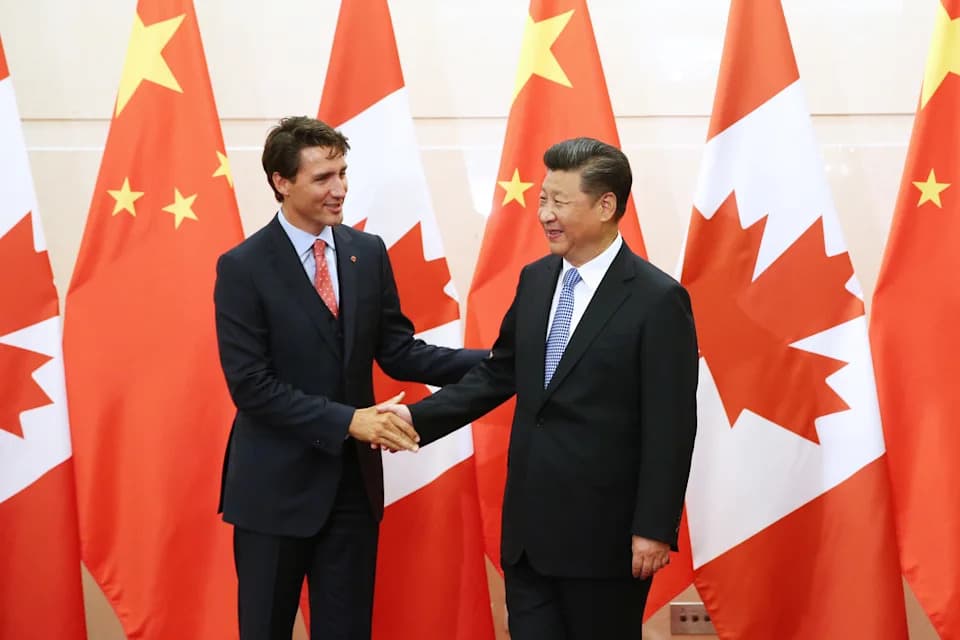
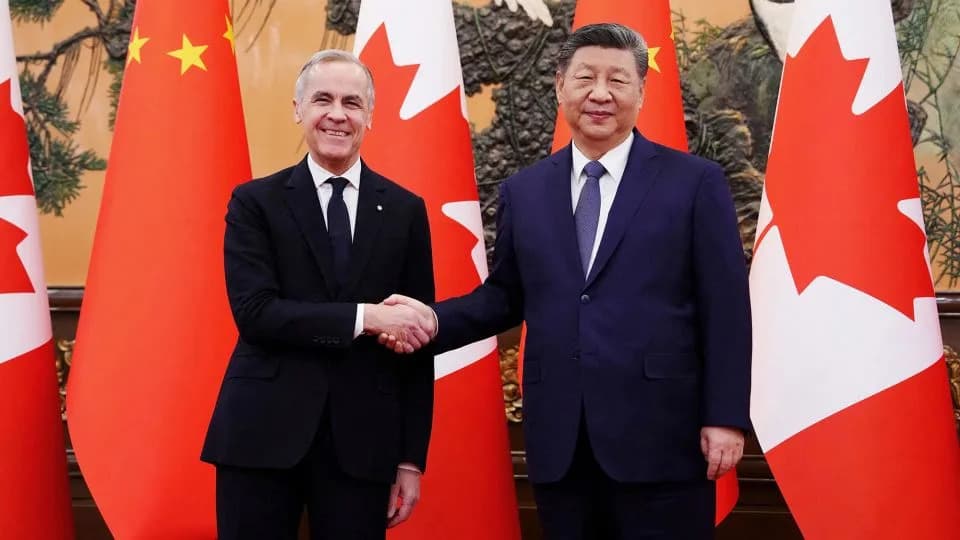
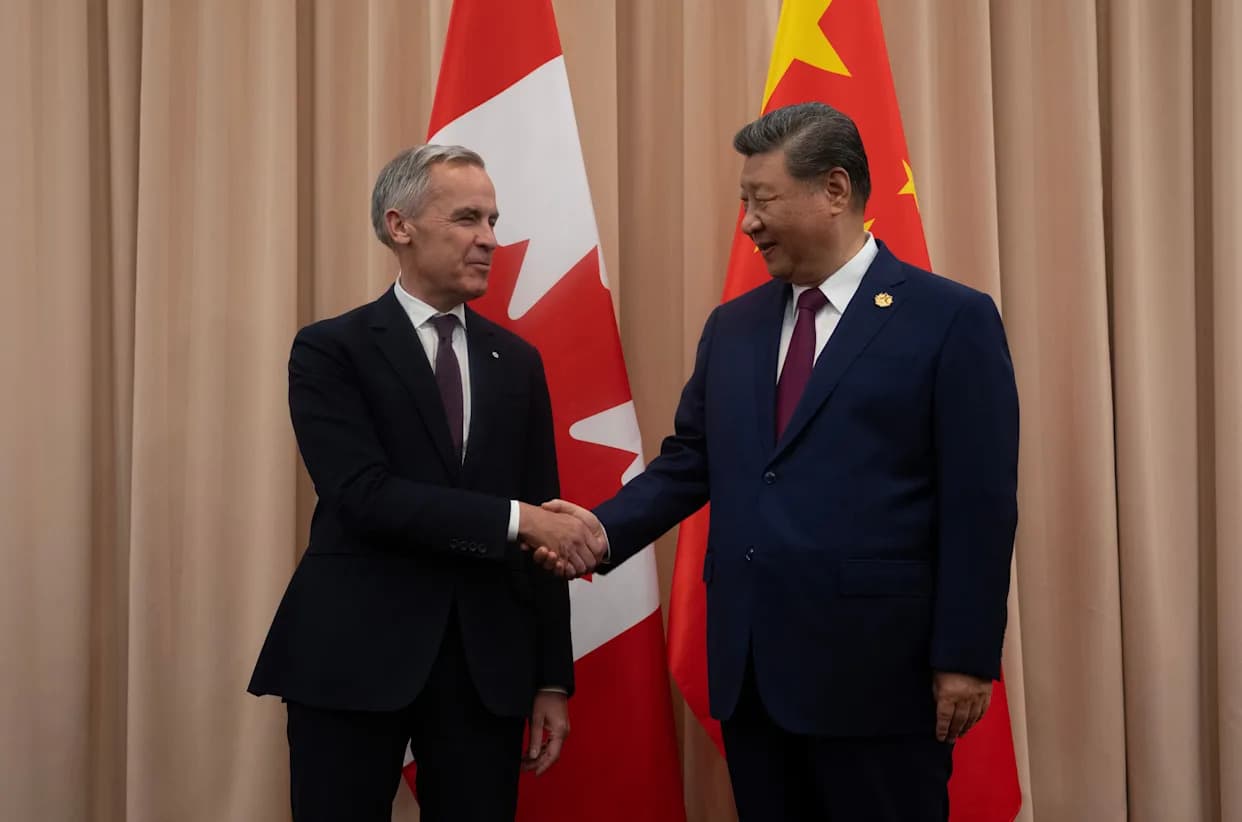
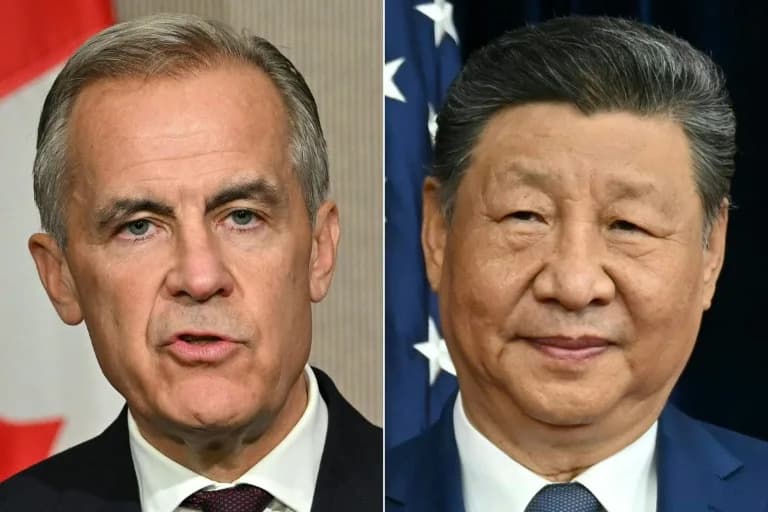
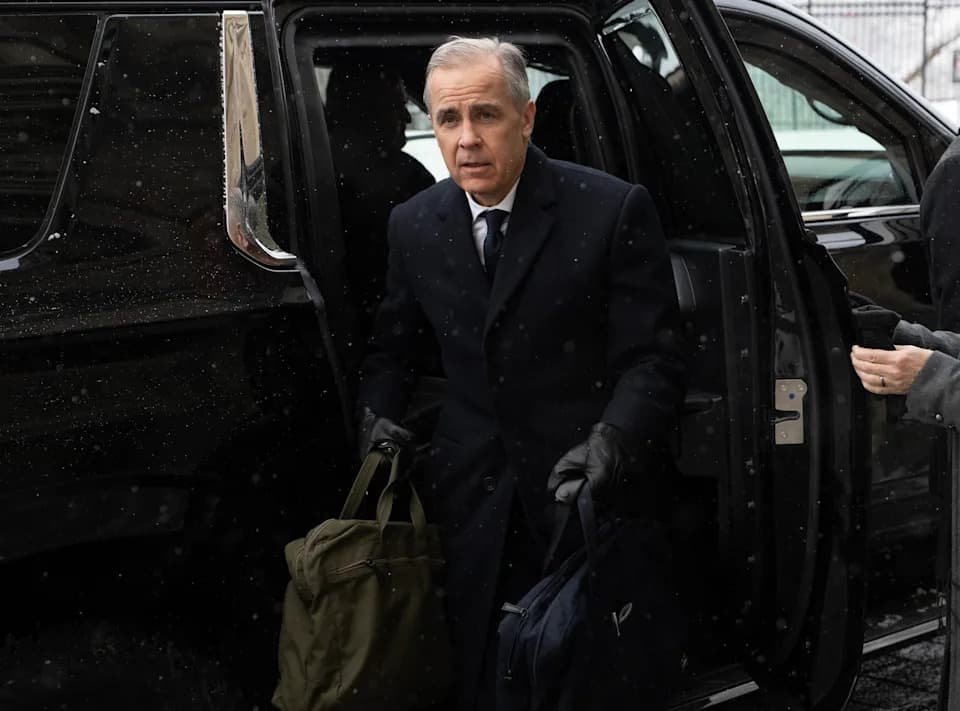
Kovrig’s detention, held alongside another Canadian after Canada arrested a senior Huawei executive, left him sensitive to recent diplomatic gestures toward Beijing. He found the warm handshake between Mark Carney — a prominent Canadian public figure and former central banker — and Chinese leader Xi Jinping especially difficult to watch.
“It was, morally, if not repugnant, then at least uncomfortable,” Kovrig told me, reflecting on the optics and implications of high-level outreach to an authoritarian government that detained him.
Why This Matters
Kovrig now works as an analyst at the International Crisis Group and has a rare vantage point on both Canadian and Chinese bureaucracies. His concern is not only moral but strategic: he worries that democracies sometimes turn to Beijing as a hedge when relations with traditional partners become strained.
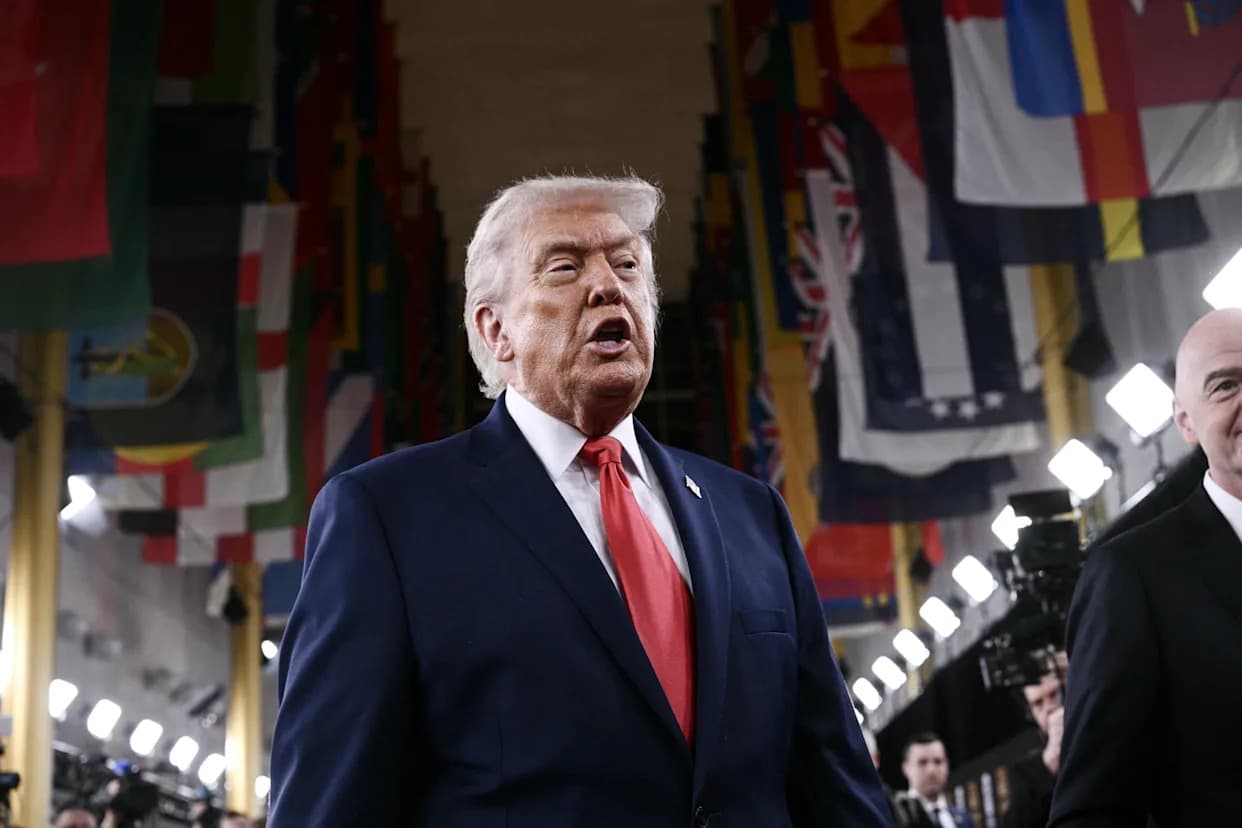
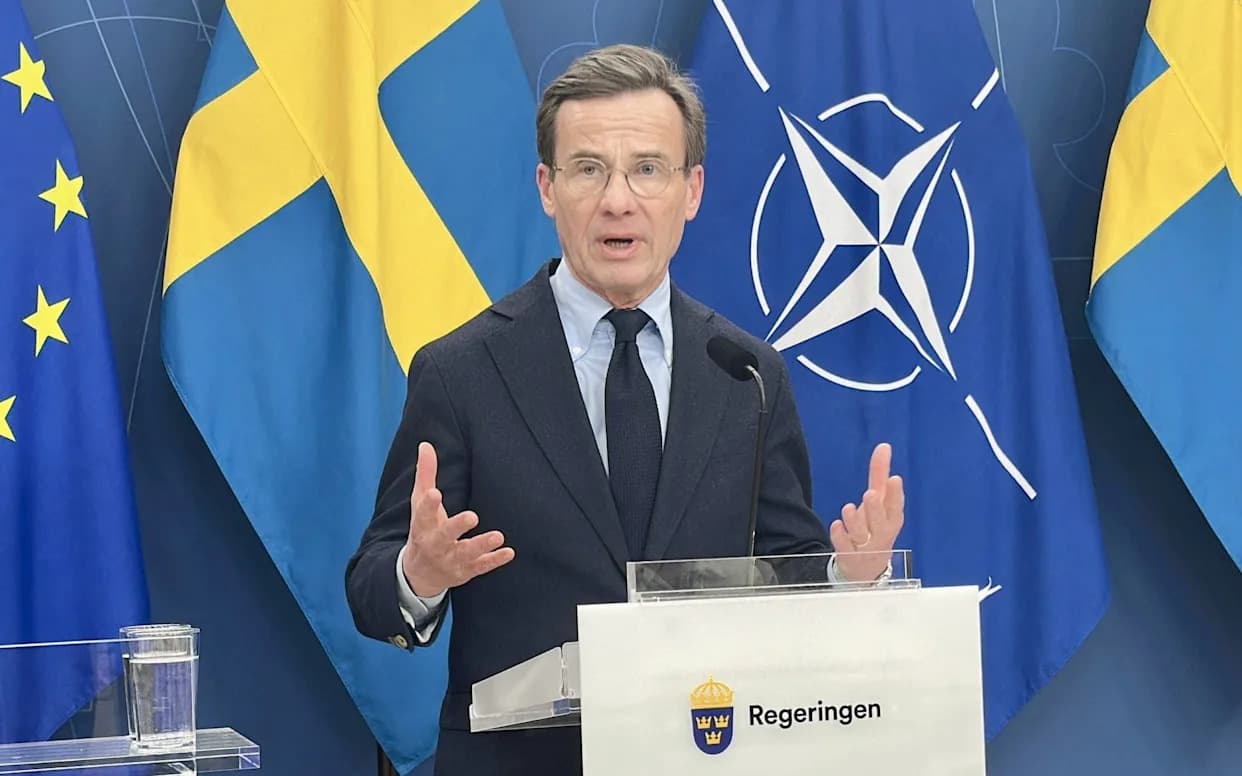
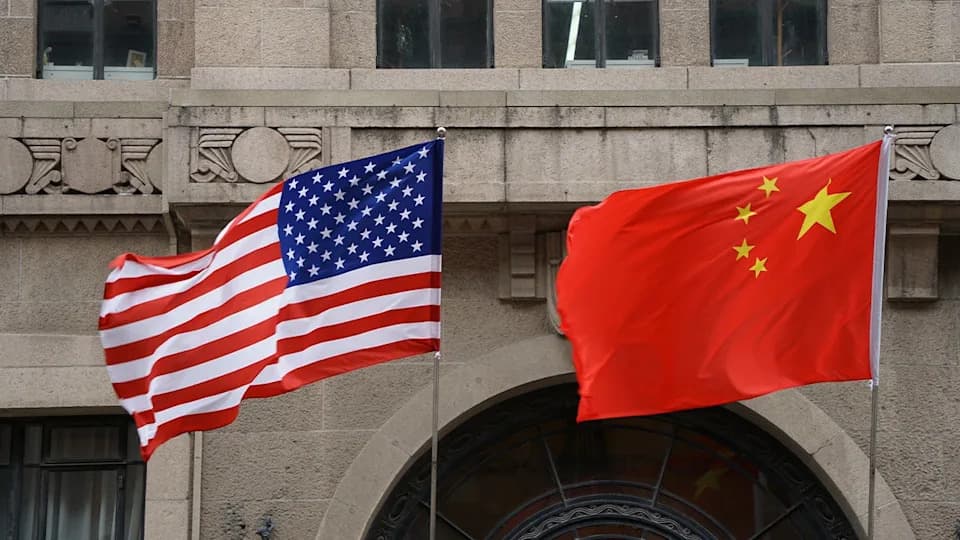
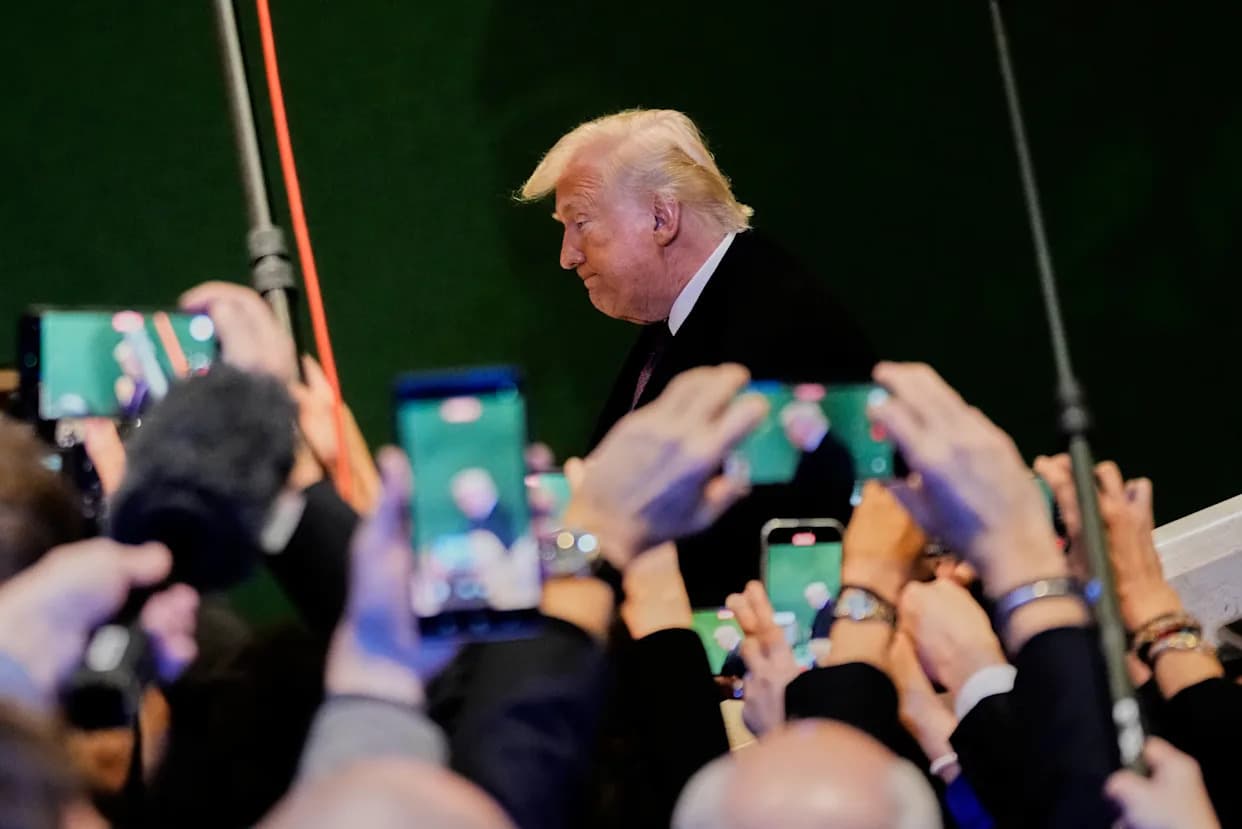
Under President Donald Trump, tensions with the United States prompted some “middle powers” to explore deeper ties with China to secure trade and economic opportunities. Kovrig asks a blunt question: “If you discover that your long-term partner has become abusive, does that mean your best strategy is to immediately hop into bed with another serial abuser?”
China’s Appeal — And Its Limits
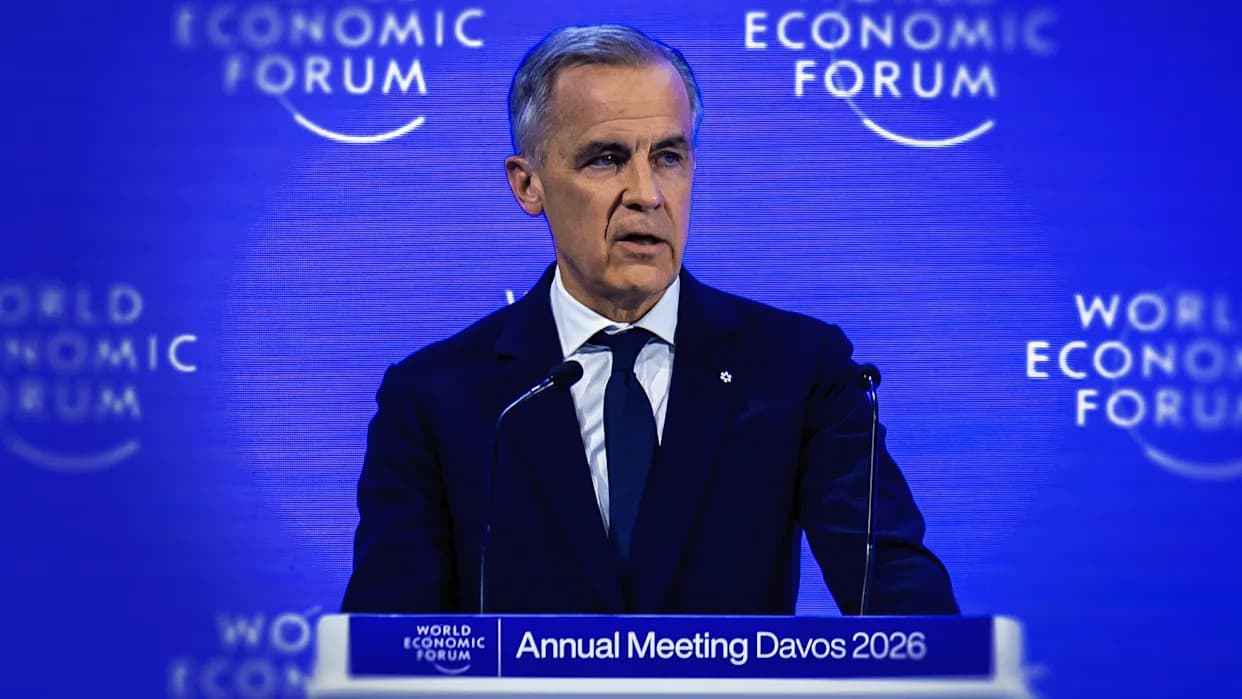
China projects itself as a champion of free trade and multilateralism. At forums such as Davos, Chinese officials have urged the world not to return to protectionism. Yet Beijing also has a documented record of using economic coercion — often by restricting politically sensitive agricultural or food imports — to punish countries over disputes unrelated to trade. Targets have included Norwegian salmon, Australian wine, Philippine bananas and, at times, Japanese seafood amid diplomatic rows.
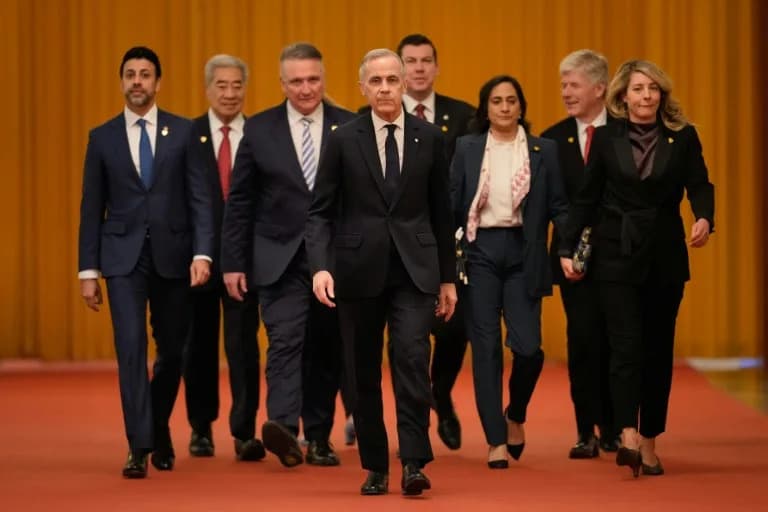
Recent Western visits to Beijing, motivated largely by trade opportunities, illustrate the dilemma for middle powers: secure short-term market access and concessions, or resist ties with a partner that can weaponize commerce for political ends. Examples cited in diplomatic reporting include steps to reduce Chinese tariffs on Canadian canola and measures to open auto markets — deals that offer economic gains but raise concerns about dependency and leverage.
A Note From Inside the System
One striking insight Kovrig gained while detained is that many individuals who operate within China’s security and bureaucratic systems are themselves unhappy with that system. The phrase he frequently heard from guards and inmates was 没办法 — literally “nothing to be done.” Kovrig sees that resigned refrain as a grim metaphor for middle powers navigating today’s geopolitical pressures.
He warns that courting Beijing as a solution to short-term problems may replace one form of unpredictability with another, because economic and political coercion remain tools in China’s foreign-policy toolkit.
What To Watch
For democratic middle powers, the strategic choice now is fraught: balancing economic opportunity with the risk of creating new vulnerabilities. Kovrig’s experience is a cautionary reminder that diplomatic gestures have real consequences for citizens and for national leverage — and that moral and strategic considerations are often inseparable.
Help us improve.