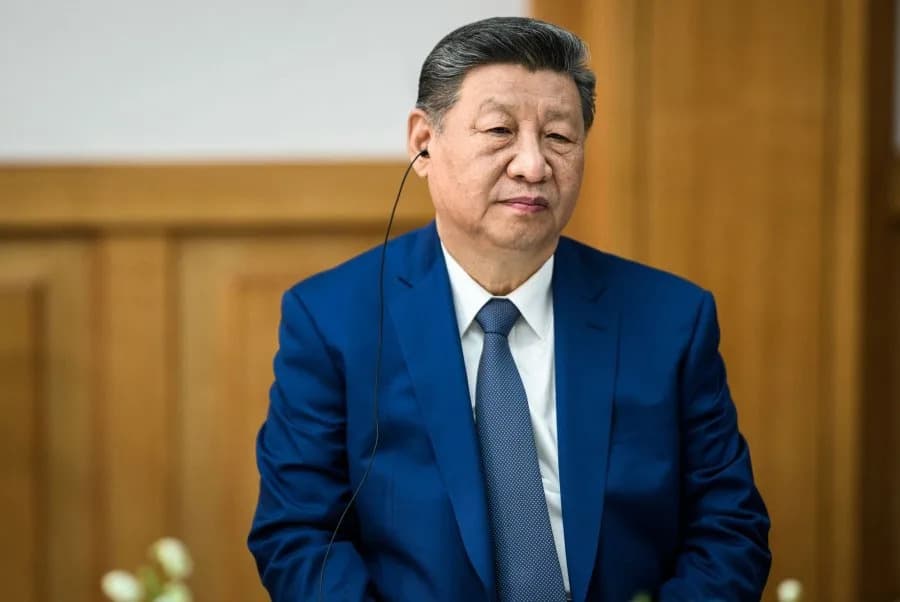
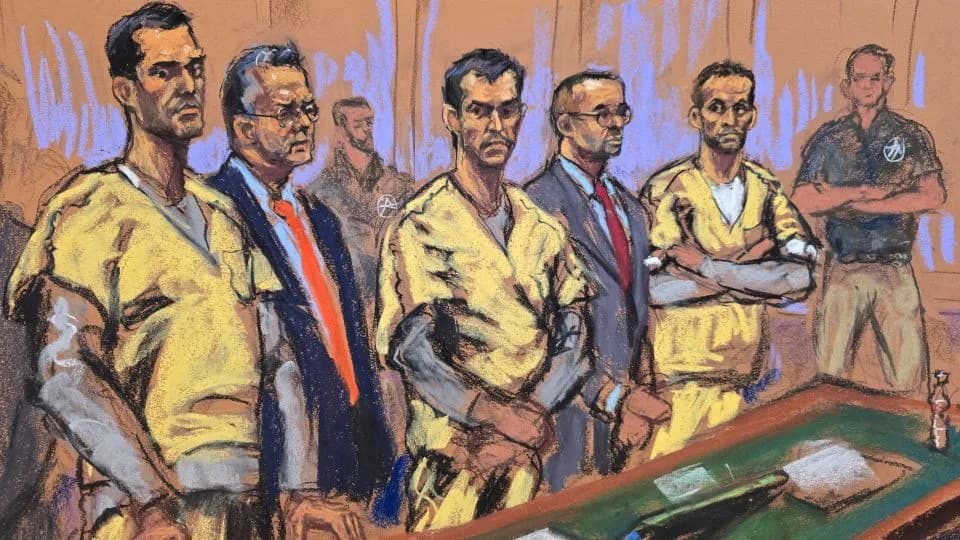
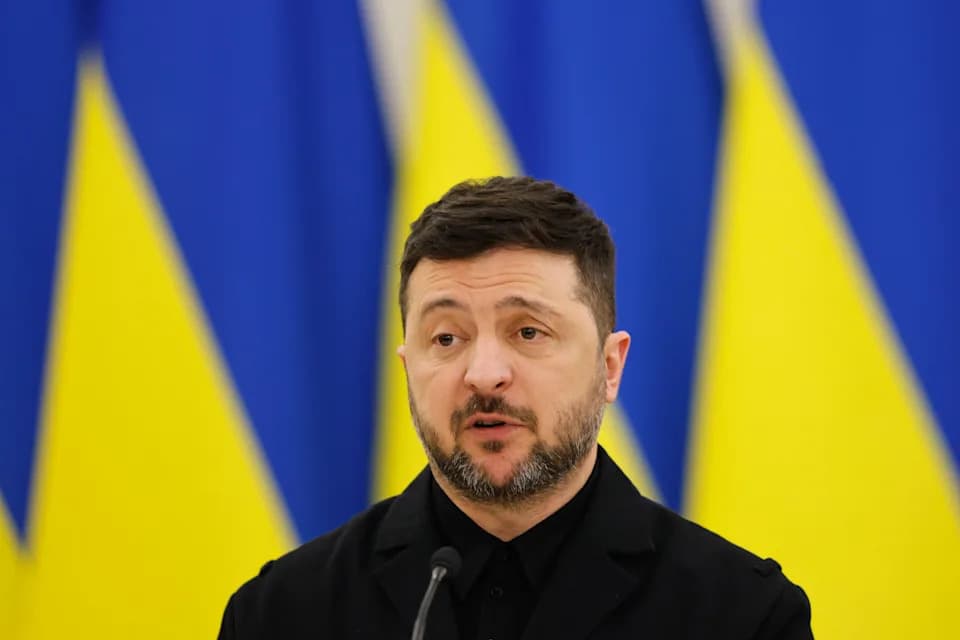
Gen. Zhang Youxia, 75, a former Central Military Commission vice chairman and once a childhood friend of Xi Jinping, has been accused by The Wall Street Journal of leaking classified information on China’s nuclear arsenal to the United States and of corruption and factionalism. Zhang was removed from his post alongside Gen. Liu Zhenli. Analysts say the dismissals reflect Xi’s intensified anticorruption campaign and efforts to tighten control over the military.
Top Chinese General Accused Of Leaking Nuclear Secrets To U.S., Removed Amid Corruption Probe
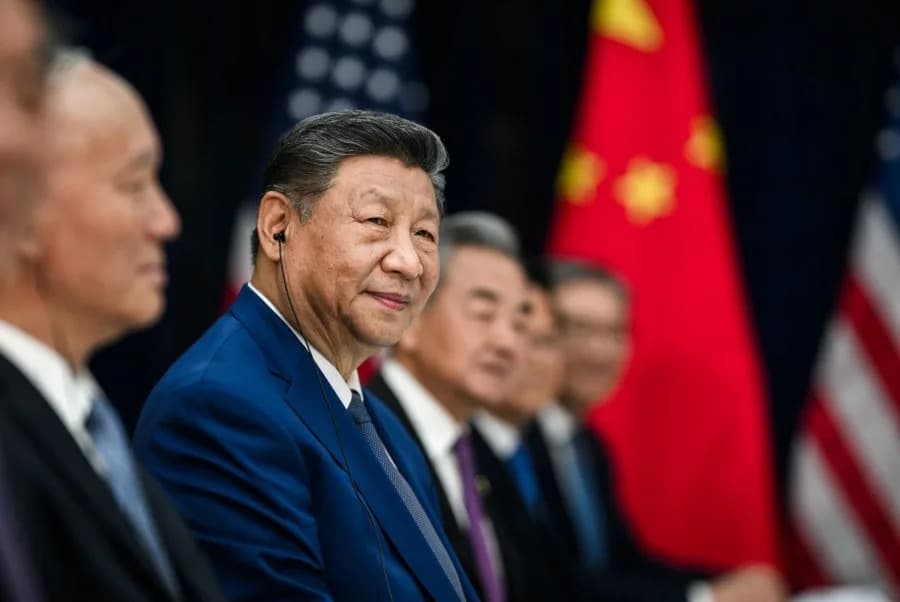
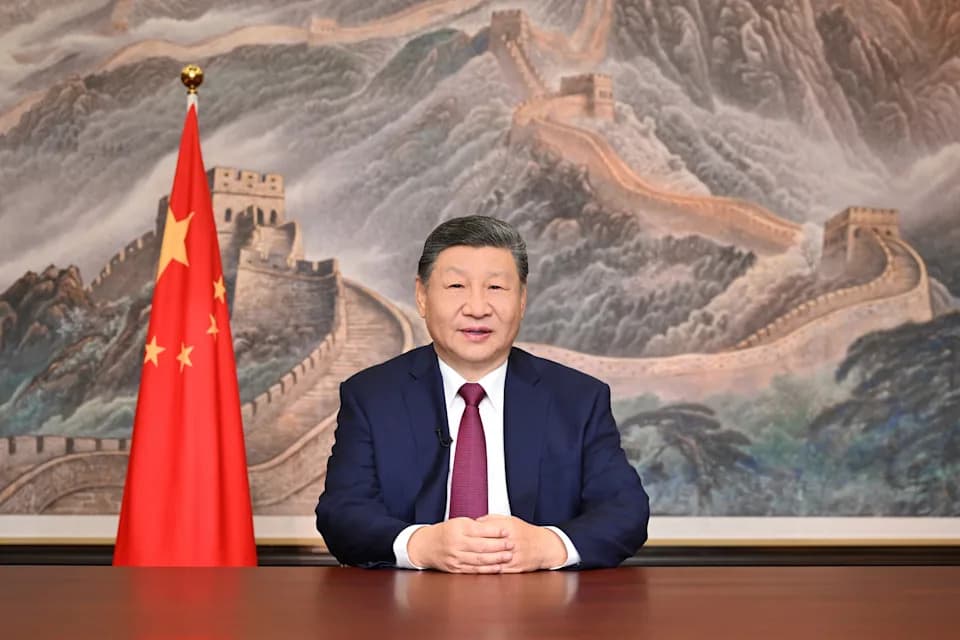
President Donald Trump participates in a bilateral meeting with Chinese President Xi Jinping at the Gimhae International Airport terminal, in October. Xi's top-ranking military general stands accused of sharing nuclear secrets with the U.S. File Photo by Daniel Torok/The White House/UPI
Gen. Zhang Youxia, a former vice chairman of China’s Central Military Commission and once a childhood friend of President Xi Jinping, has been accused of passing classified information about China’s nuclear arsenal to the United States, The Wall Street Journal reported. Zhang, 75, was removed from his post alongside Gen. Liu Zhenli, the commission’s Joint Staff chief.
Allegations and Details
According to the report, allegations against Zhang include disclosing sensitive details about China’s nuclear weapons, building networks that undermined Communist Party unity, and accepting bribes. The Wall Street Journal also reports Zhang allegedly accepted payment to promote Li Shangfu to the defense minister post Zhang once held.
Dismissals and Political Context
Zhang and Liu are reportedly the fourth and fifth senior military officials dismissed since 2024. Observers link the removals to President Xi’s long-running anticorruption campaign and efforts to tighten control over the People’s Liberation Army.
Analysts' View
“Xi sought to avoid a wholesale cashiering of the top brass in the early years of the anticorruption campaign. He later realized that was impossible, and this move is the denouement of that process,”
— Christopher Johnson, former CIA analyst and head of the China Strategies Group.
It is important to note these are allegations reported by the Wall Street Journal; Zhang has not been publicly convicted in connection with these claims. The developments underscore rising scrutiny of military leadership in Beijing and could have implications for civil-military relations and international concerns about nuclear security.
Help us improve.