Iranian state television has aired at least 240 televised "confessions" from detainees arrested after nationwide protests, rights groups say. Activists, Amnesty International and the UN denounce the footage as coerced, often produced after psychological or physical abuse, and used to construct an official narrative that criminalises dissent. Authorities, including judiciary chief Gholamhossein Mohseni Ejei, have featured in the broadcasts, which critics say aim to intimidate opponents and justify harsh punishments, including executions.
Iran State TV Broadcasts Hundreds of Coerced 'Confessions' To Suppress Dissent, Activists Say
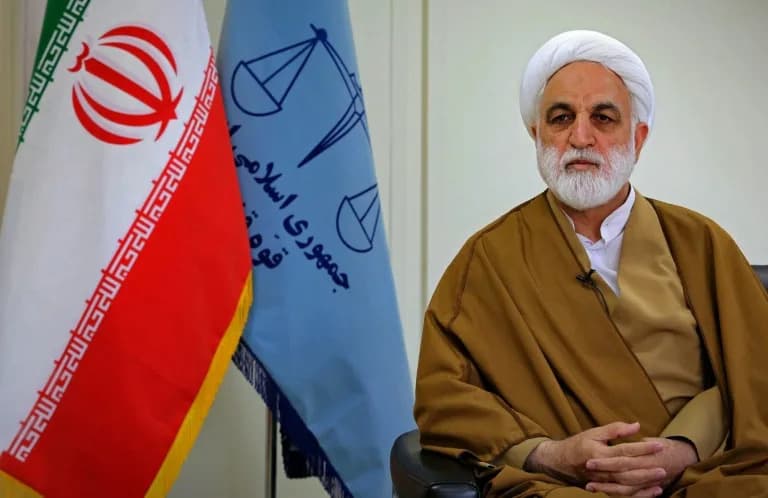
Iran's judiciary chief Gholamhossein Mohseni Ejei has personally led interrogations (-)(-/KHAMENEI.IR/AFP)
A man, his face blurred, stares into the camera as dramatic music plays. "I made a mistake," he says in a trembling voice, responding to off-screen questioning about the deaths of members of Iran's security forces. "If I'd known, I would not have done it."
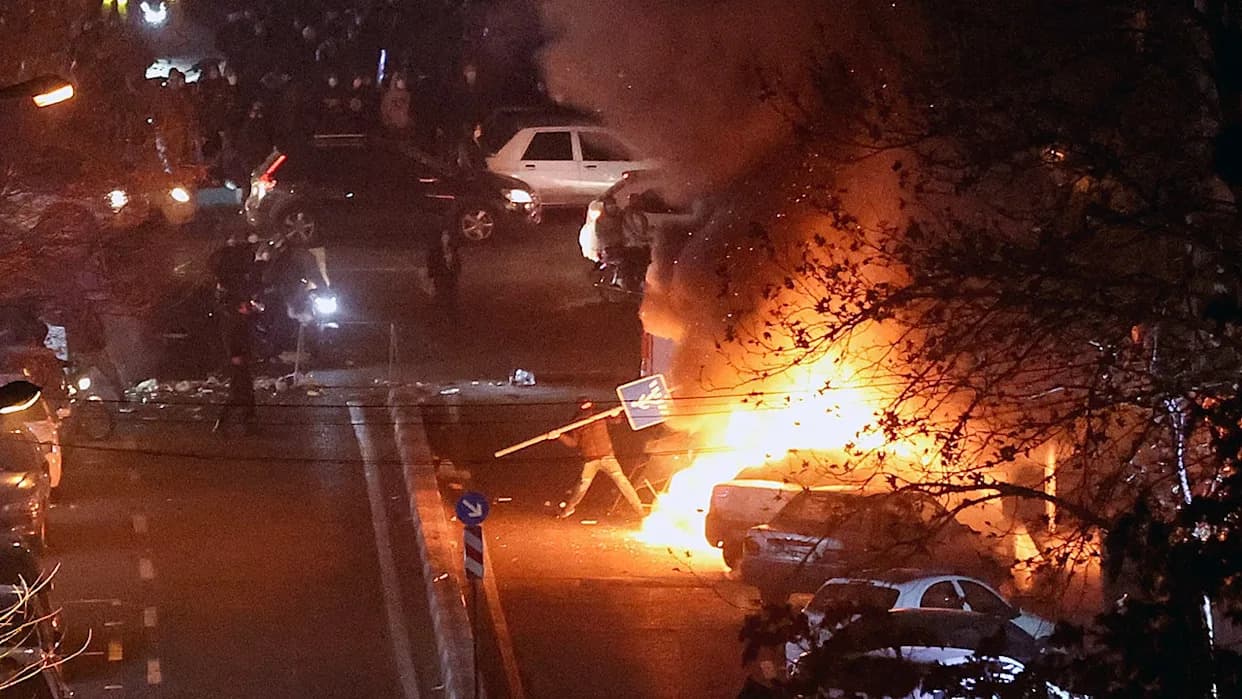
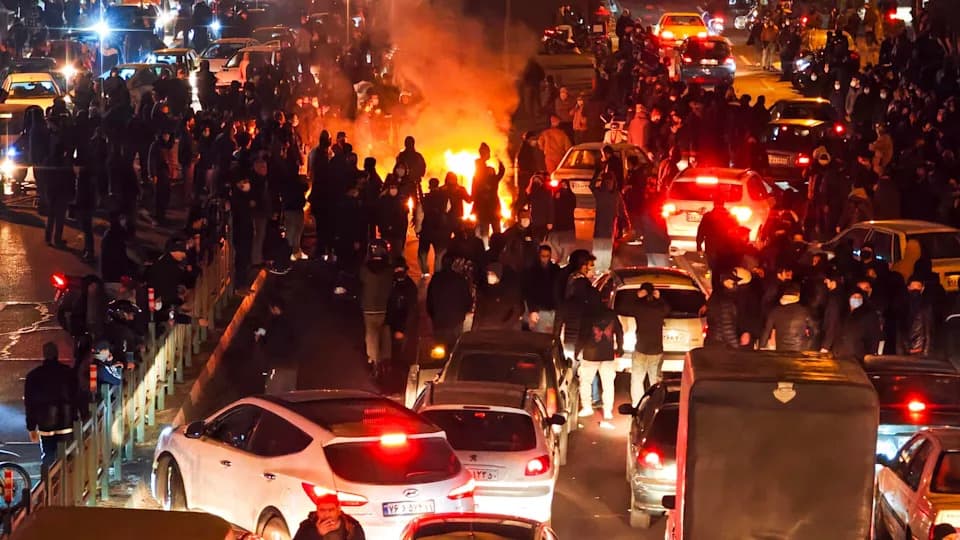
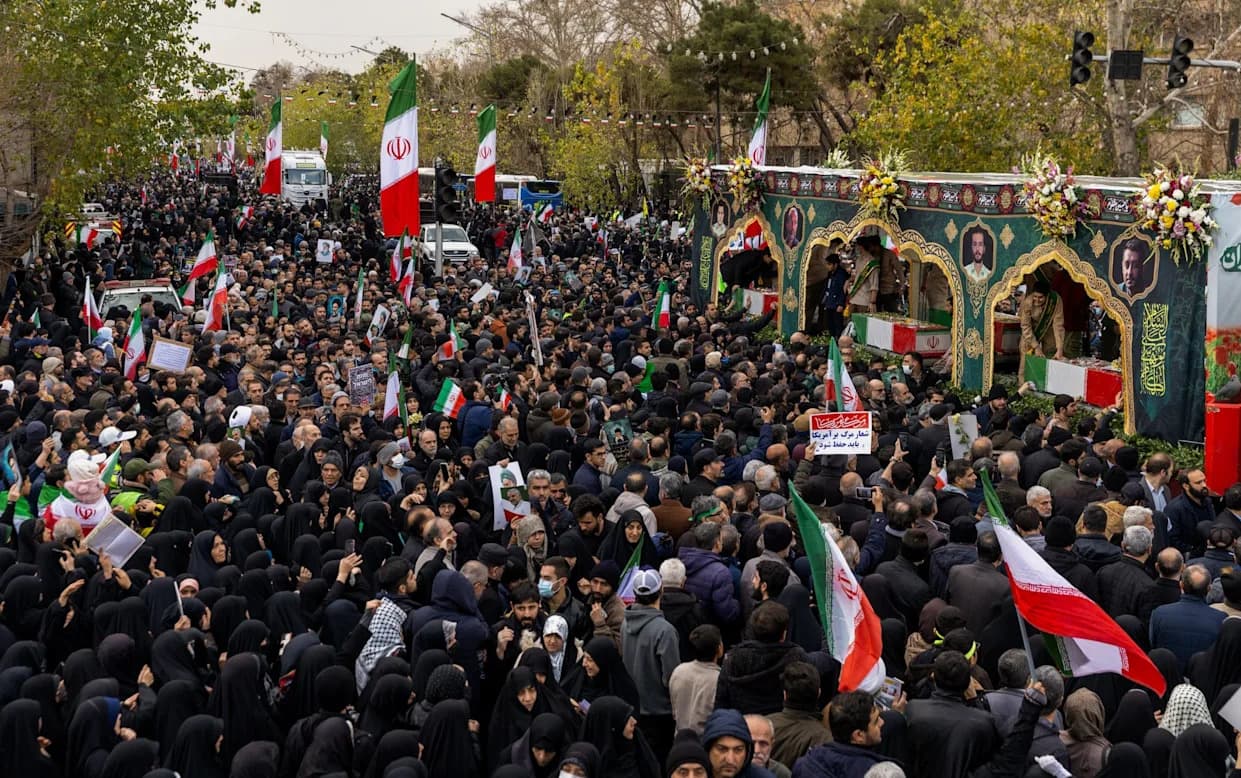
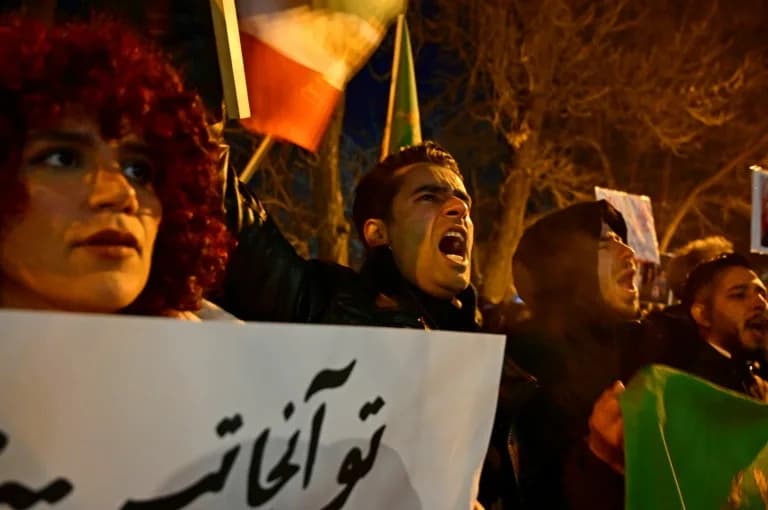
Rights groups say that Iranian state television has aired at least 240 such televised "confessions" in recent weeks — an amount they describe as "unprecedented" — following the mass arrests after nationwide protests that challenged the clerical leadership.
How The Broadcasts Are Produced
In highly produced interview segments, detainees are shown admitting to offenses ranging from violence against security personnel to receiving money from monarchists or foreign actors, or sharing images and footage with banned groups and media outlets. Some people are said to have been targeted simply for following opposition accounts on social media.
Activists and rights organisations — including Amnesty International, the UN Special Rapporteur on human rights in Iran Mai Sato, and the US-based Center for Human Rights in Iran (CHRI) — say these statements are extracted under psychological and physical duress. Amnesty described the footage as "propaganda videos," reporting that detainees are sometimes forced to sign statements they cannot read or are coerced into confessing to crimes they did not commit.
Officials And Purpose
Some broadcasts have featured senior officials. Iran's judiciary chief, Gholamhossein Mohseni Ejei, has appeared to personally interrogate detainees on state television, placing his office at the center of the messaging effort. Experts say the televised confessions serve several functions: creating a state-sanctioned narrative that frames protesters as criminals or foreign agents, manufacturing political legitimacy, humiliating dissidents and deterring further dissent.
Scale And Context
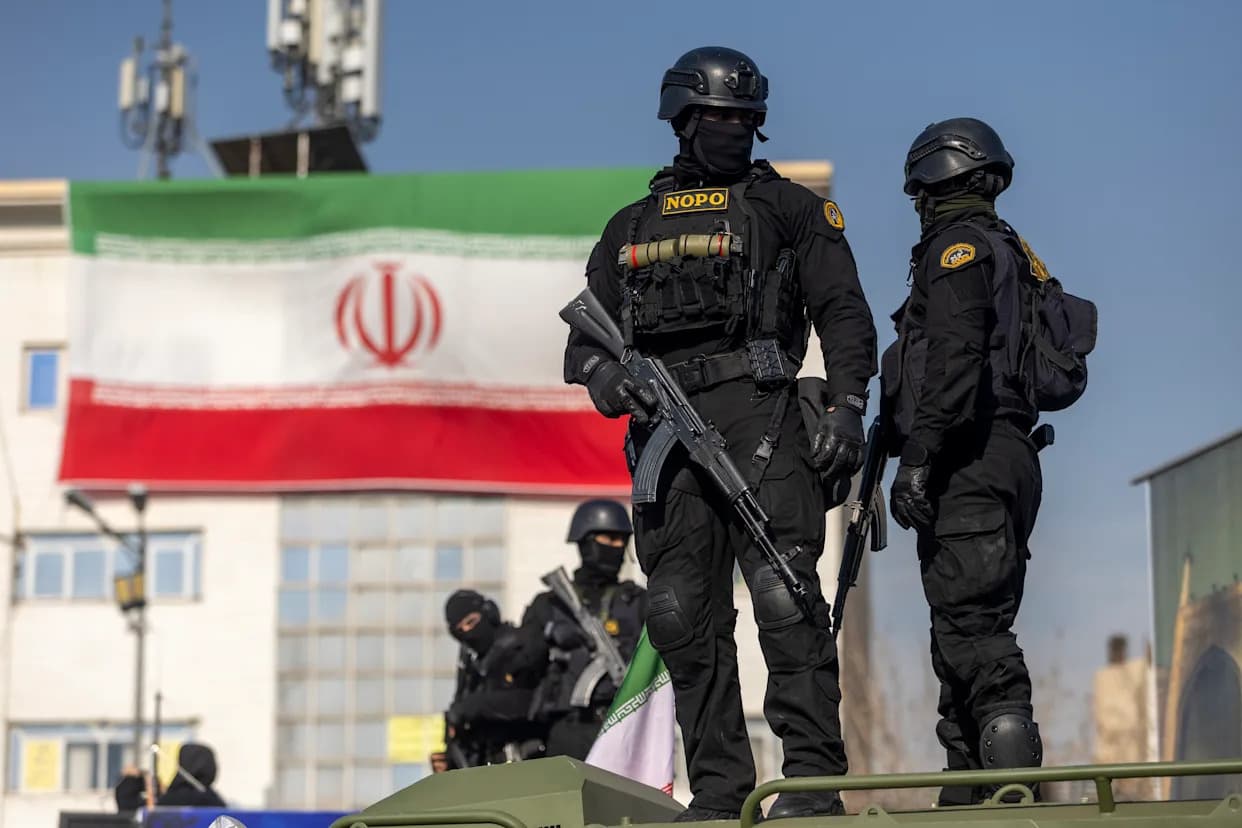
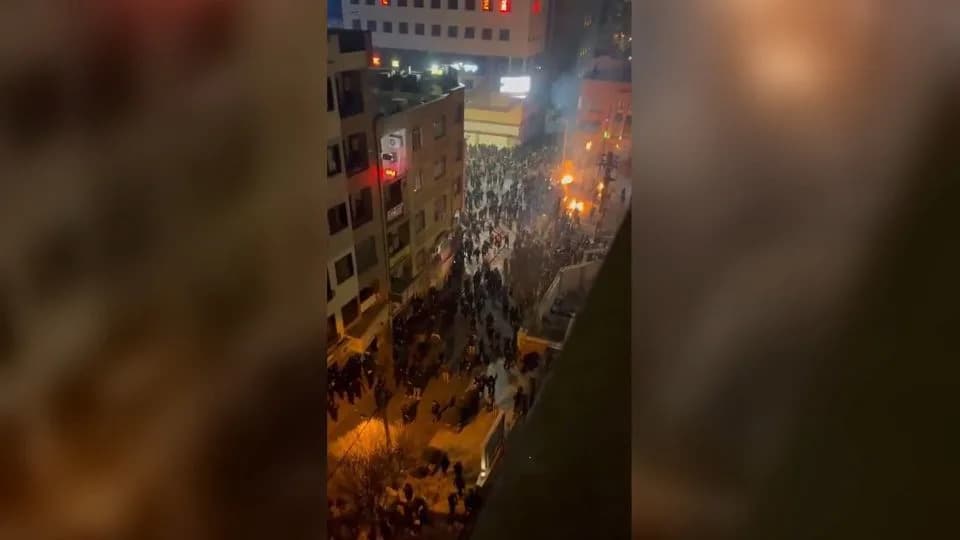
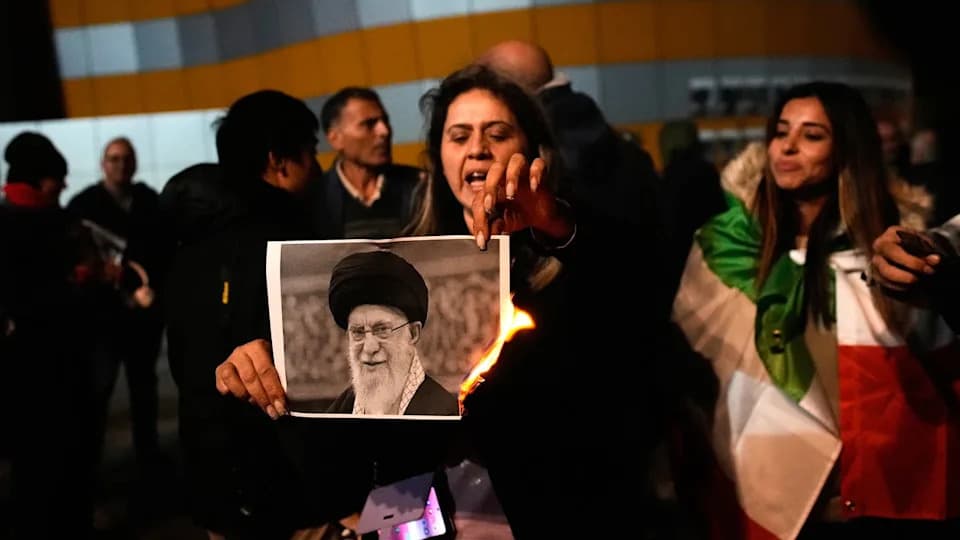
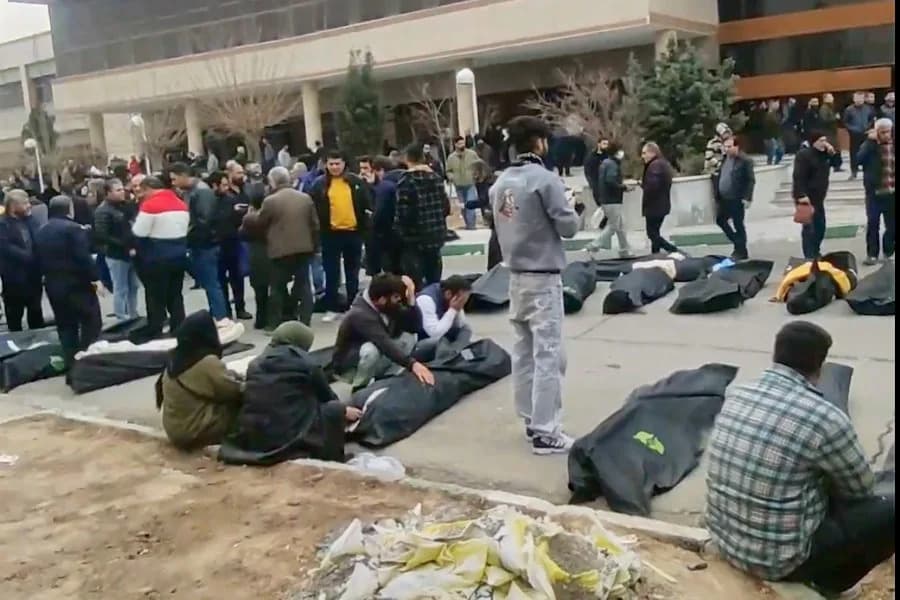
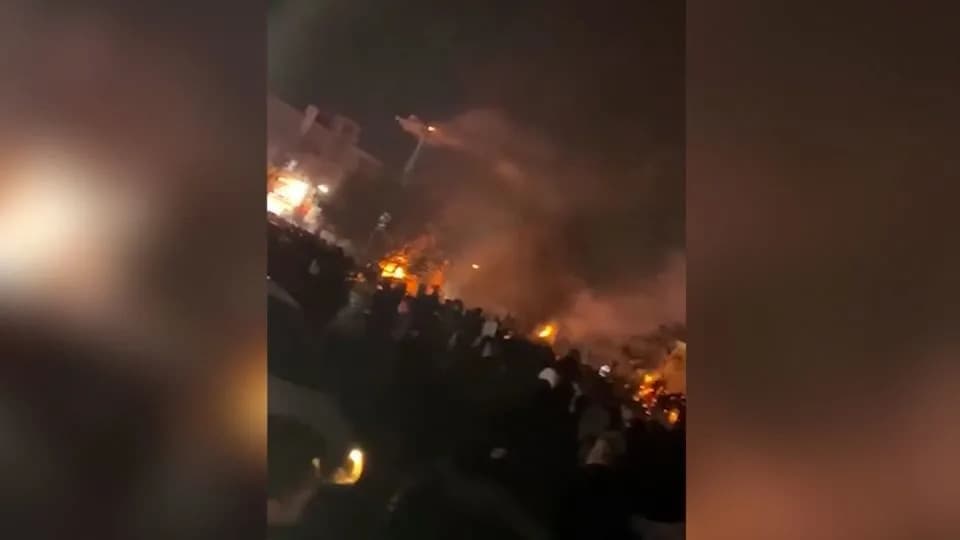
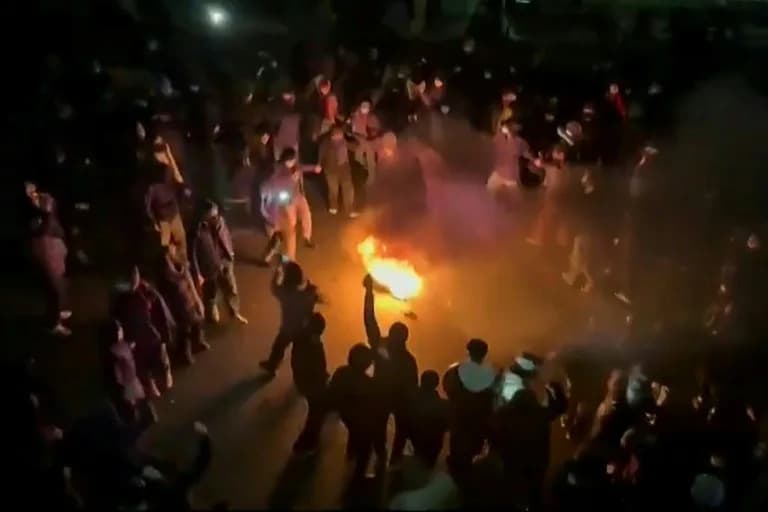
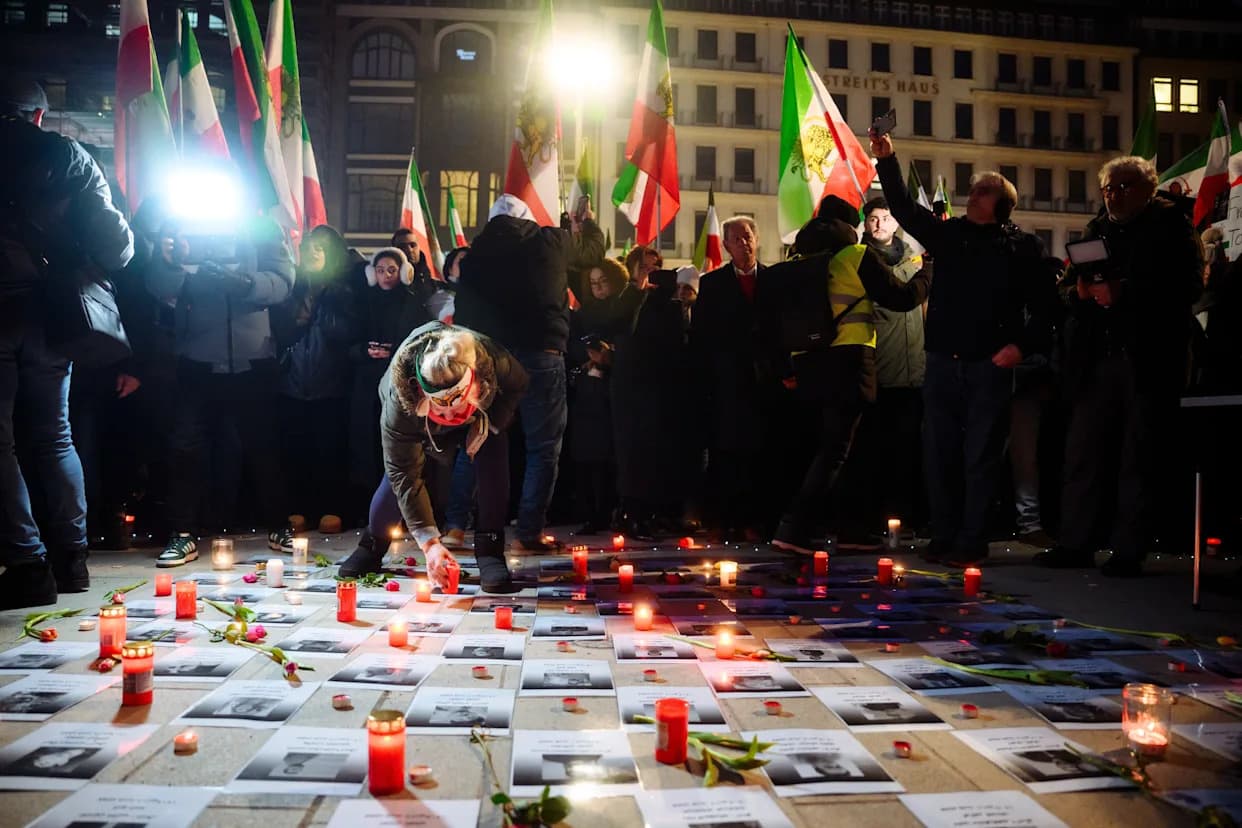
US-based Human Rights Activists News Agency (HRANA) reports more than 41,000 arrests in the crackdown and has catalogued the 240 broadcasts. Rights groups and observers also say thousands were killed during the security response, and they note that authorities blamed unrest on foreign enemies including Israel and the United States. The protests began in late December over economic grievances and surged after an internet blackout imposed on January 8.
Notable Cases
Videos circulating on social media include a clip of a teenager identified by users as 18-year-old Shervin Bagherian being questioned about the killing of a security force member and warned he could face charges carrying the death penalty. High-profile precedents include the televised interrogation of dissident Ruhollah Zam before his execution in December 2020, and televised statements by foreign nationals such as French citizen Cecile Kohler, which activists described as coerced.
Consequences And Concerns
Human rights groups warn these televised confessions are frequently used as the primary evidence in trials — including capital cases — effectively bypassing the presumption of innocence. Observers say the broadcasts are intended to justify harsh punishments, intimidate the population and delegitimise dissenting voices.
"Coerced televised confessions in totalitarian regimes have multiple key functions: manufacturing political legitimacy, creating a false official narrative and deterring dissent," said Roya Boroumand, director of the Abdorrahman Boroumand Center for Human Rights in Iran.
Authorities have not publicly acknowledged forcing confessions; state media present the interviews as routine court or investigative reporting. Human rights organisations continue to call for independent investigations into the treatment of detainees and for international scrutiny of the televised interrogations.
Help us improve.