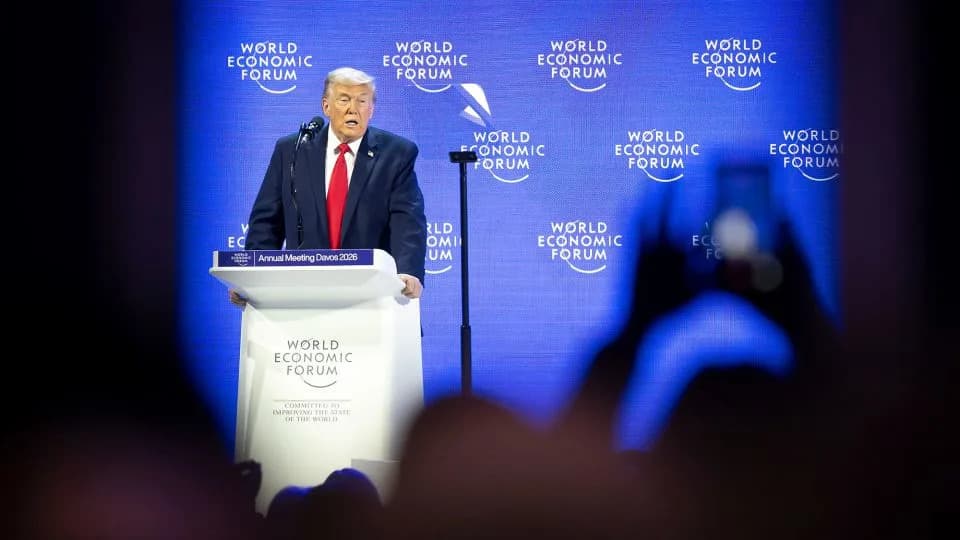
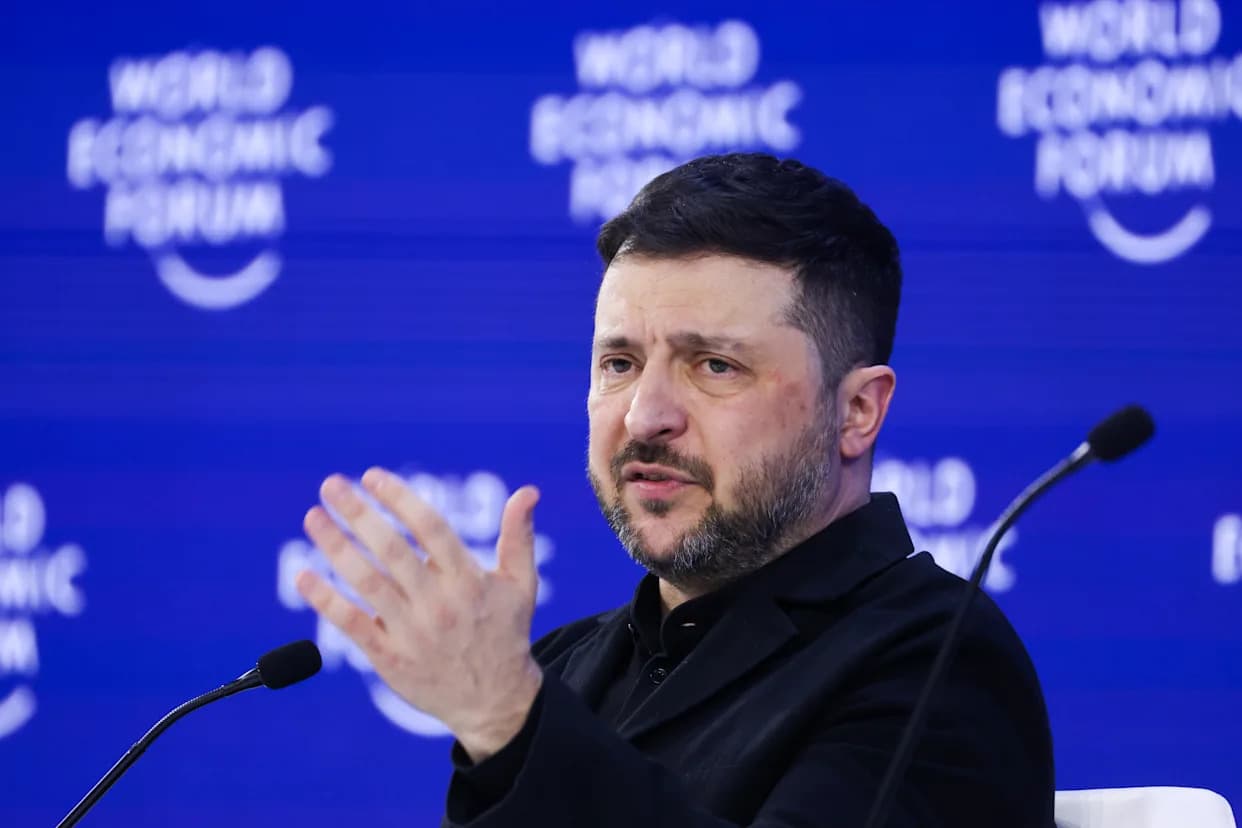
At Davos, President Volodymyr Zelenskyy warned that Europe must learn to defend itself rather than assume permanent U.S. protection. Former President Donald Trump's warnings — and provocative remarks about Greenland and NATO — intensified pressure on allies to boost military spending. Analysts say decades of reliance on the U.S. left Europe with gaps in equipment, budgets and senior command experience, while temporary measures such as Germany's €100 billion fund buy time but not a lasting solution.
Zelensky and Trump Force Europe To Confront The Cost Of Self‑Defense
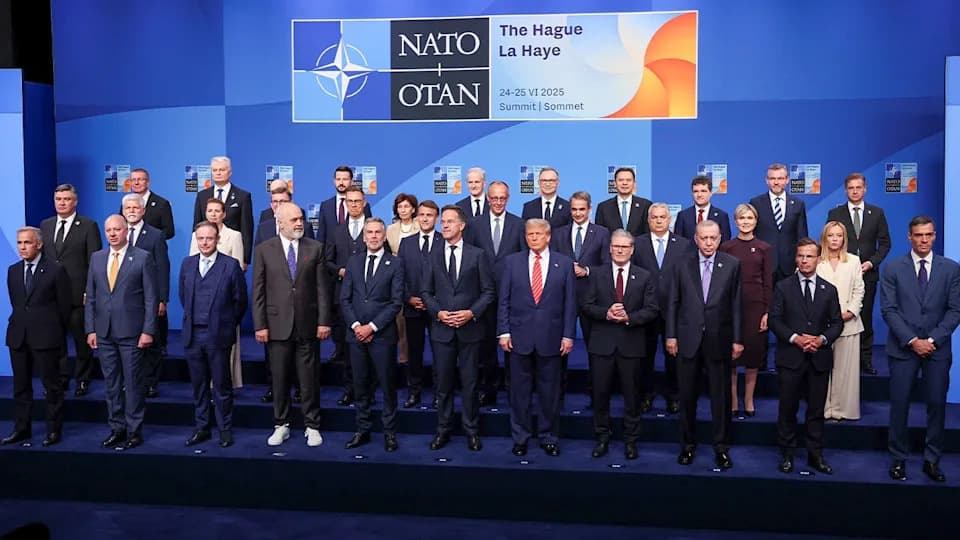
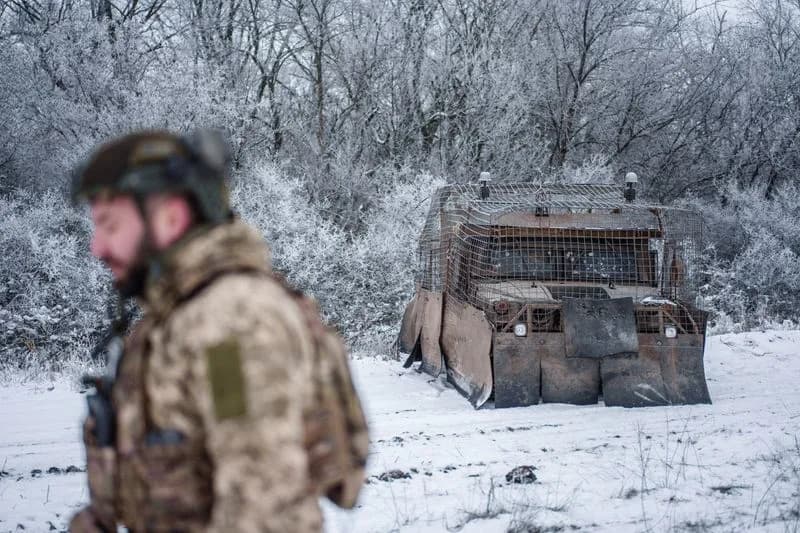
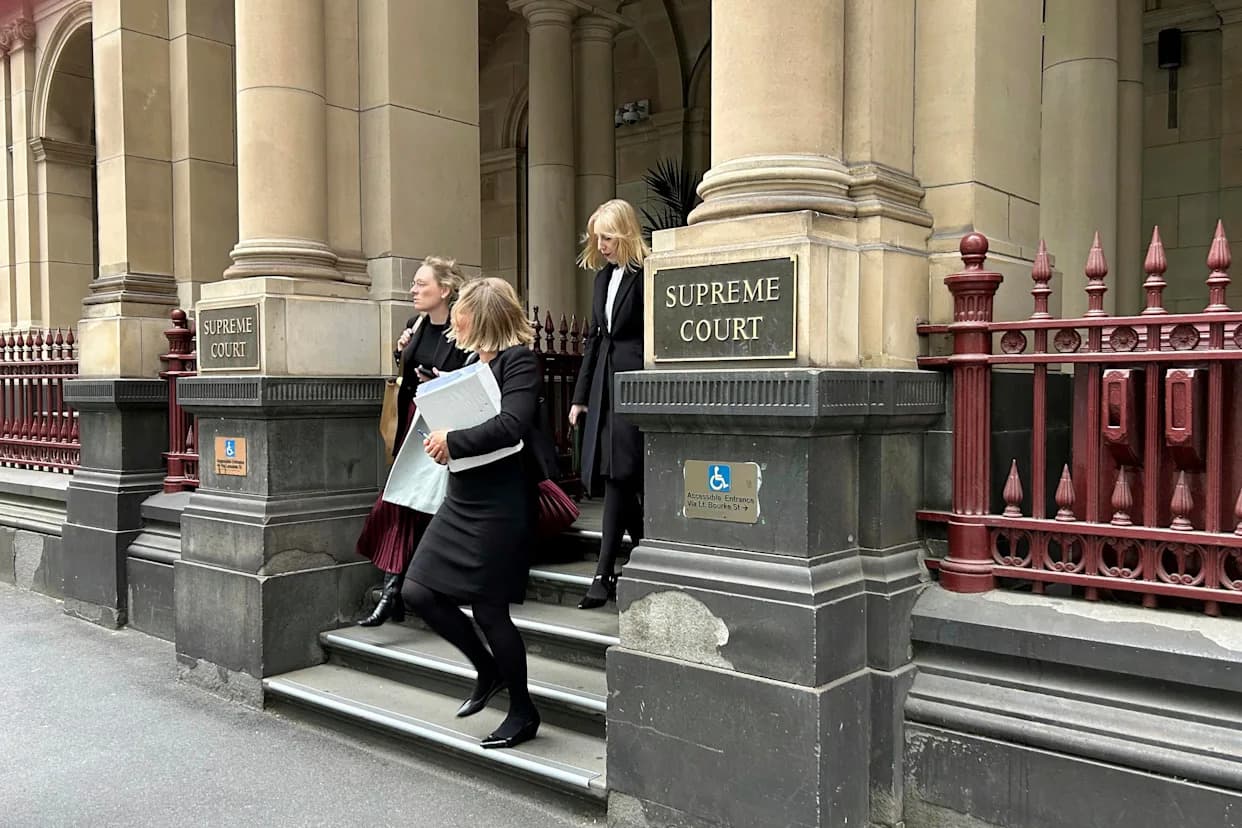
John Byrne said they still lack the senior-level experience needed to run NATO operations without U.S. leadership.(Reuters)
Speaking to world leaders in Davos, Ukrainian President Volodymyr Zelenskyy delivered a stark message: Europe must learn to defend itself and cannot automatically assume U.S. protection will always hold.
"Europe needs to know how to defend itself," Zelenskyy told the forum, warning that many countries on the continent remain unable to stand independently if American support were to waver. His comments capture a growing anxiety in Europe that decades of reliance on U.S. security guarantees left the continent underprepared for a more dangerous era.
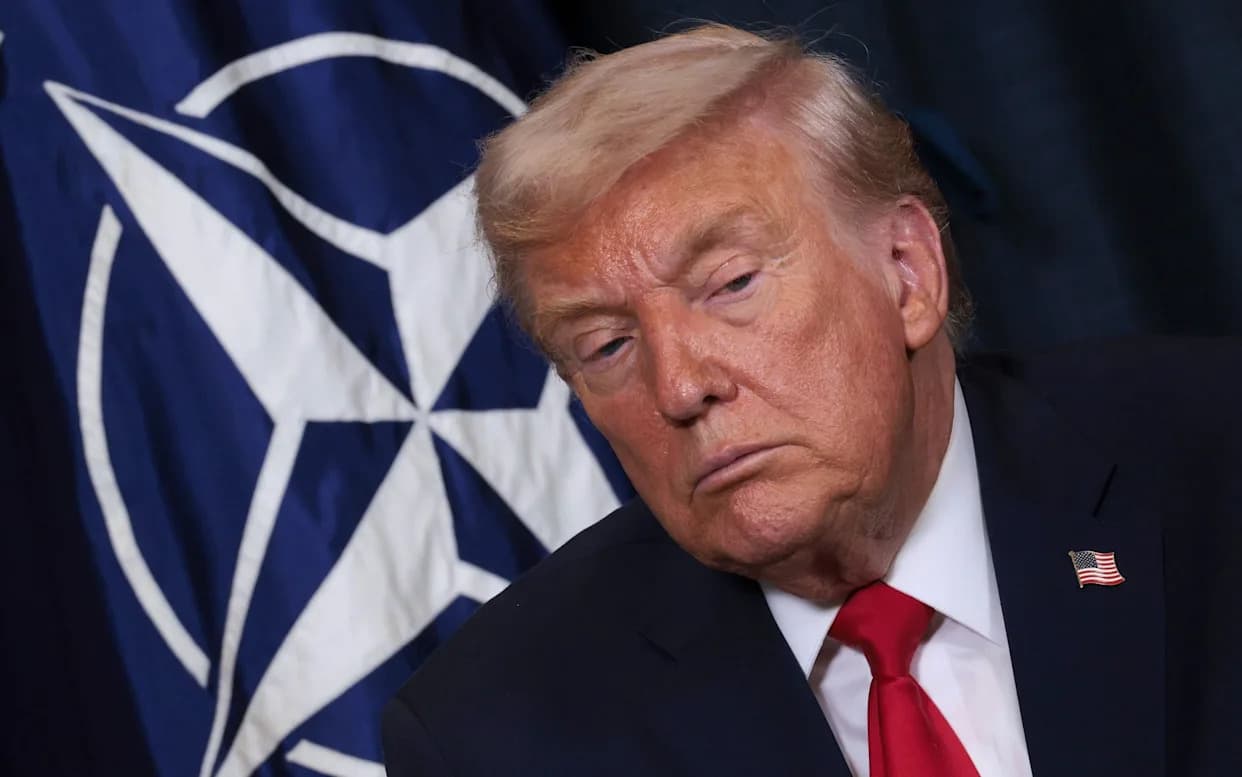
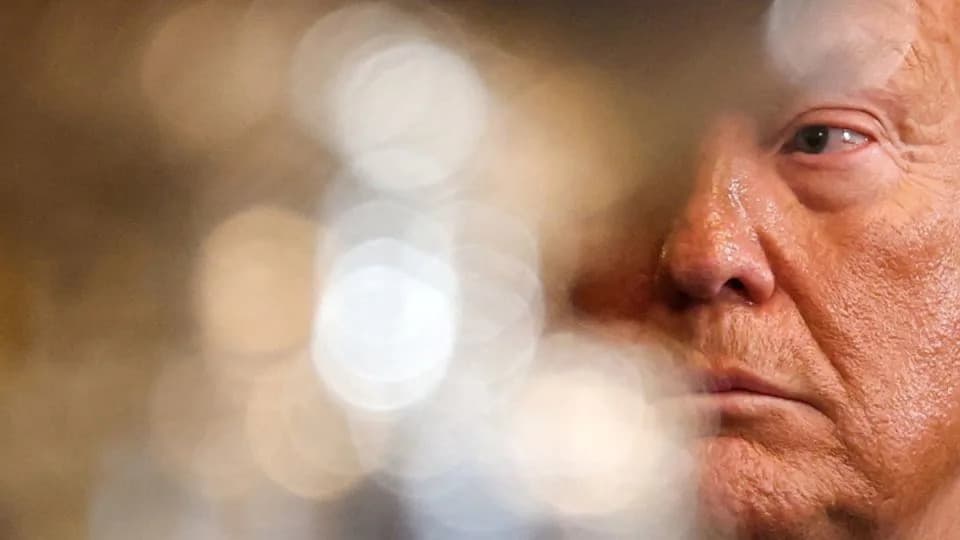
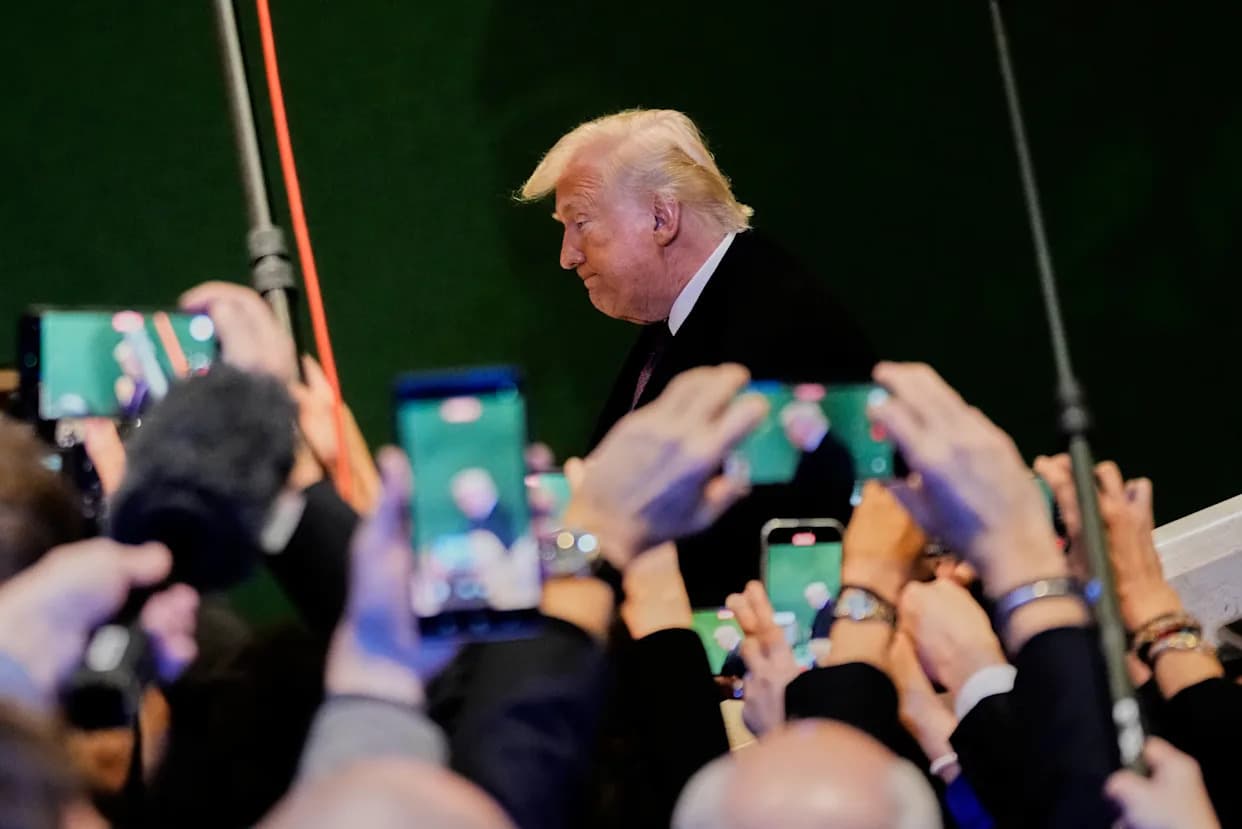
Former President Donald Trump amplified that anxiety with repeated public warnings that U.S. protection should not be taken for granted and by at times making provocative remarks — including publicly floating the idea of acquiring Greenland from Denmark. His rhetoric, and a Truth Social post suggesting NATO be tested by invoking Article 5 to address U.S. border issues, unsettled allied capitals and sharpened pressure on European governments to raise defense spending.
"Maybe we should have put NATO to the test: Invoked Article 5, and forced NATO to come here and protect our Southern Border..." — Donald Trump (Truth Social)
Allies say that, despite recent pledges to increase military budgets, the United States remains central to NATO's deterrence. NATO officials have repeatedly pointed to the U.S. nuclear umbrella and a substantial U.S. conventional presence in Europe as core guarantees that underpin alliance security.
Security scholars argue that this long-standing U.S. backstop shaped European policy choices for decades. "For much of the post–Cold War period, it is fair to say that Europeans underinvested in defense," Barry Posen, a professor of political science at MIT, told Fox News Digital. He added that Trump was right to highlight that European forces have been slow to modernize as Russia reasserted itself and China rose in power — but he cautioned that conditional security commitments risk provoking confrontations and complicating crisis decisions.
Practical and political constraints make a rapid shift difficult. With American power serving as the backstop, many European governments found it politically easier to prioritize domestic programs such as healthcare, pensions and education. Governments now face trade-offs: in Italy officials warn that meeting NATO spending targets would strain budgets already dominated by social commitments, while Germany chose a different short-term path.
After Russia’s 2022 invasion of Ukraine, Germany created a €100 billion special defense fund financed by new borrowing and kept outside the regular budget to accelerate rearmament without immediately cutting social programs. The fund jump‑started rebuilding, but it is temporary — sustaining higher defense outlays will require permanent budget decisions in systems built around strict fiscal rules and broad social commitments.
Experts also point to an experience gap. John Byrne of Concerned Veterans for America noted that large, multinational military commands have overwhelmingly been led by American officers for decades. "That institutional knowledge still sits almost entirely with the United States," Byrne said. He argued that while equipment can be purchased relatively quickly, senior command experience and coalition leadership take years to develop and cannot be bought overnight.
At Davos, Zelenskyy questioned whether Europe has either the capacity or the will to act without U.S. leadership if underlying assumptions about American commitment change. "Europe still feels more like geography, history, tradition, not a real political force, not a great power," he said, urging European leaders to confront hard choices about budgets, force structure and political cohesion.
Help us improve.