The week’s turbulence at Davos — highlighted by President Trump’s unexpected $800bn Ukraine proposal and his controversial remarks about Greenland and Europe — has weakened the prospect of a quick peace deal. Zelensky faces a rushed journey to talks while major draft issues remain unresolved, including front-line arrangements, referendums on land swaps, and a proposed three-way plan for the Zaporizhzhia nuclear plant. The Transatlantic alliance has been strained, and Moscow may now view Washington’s unpredictability as an opening rather than a deterrent.
Trump’s Davos Outburst Deepens Rift, Makes Ukraine Peace Deal Much Less Likely
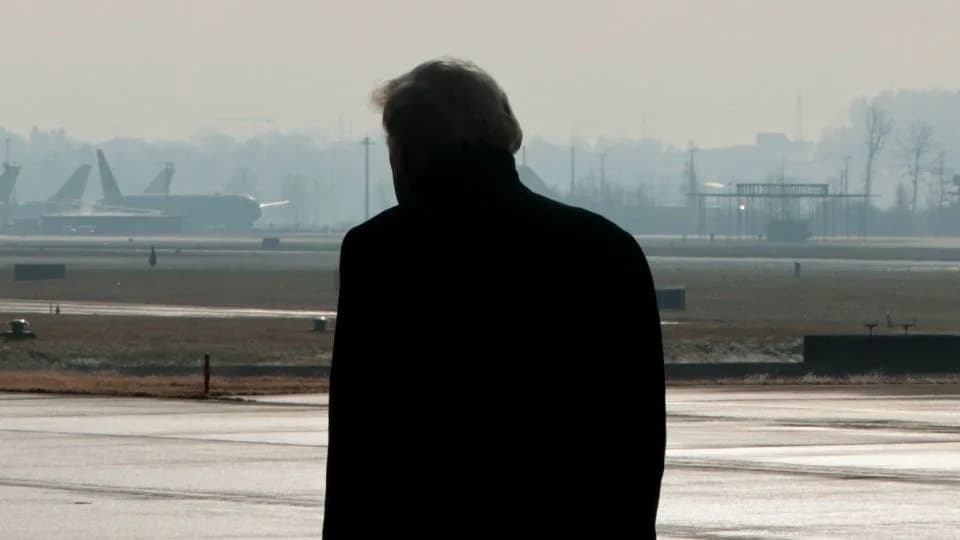
US President Donald Trump disembarks Air Force One en route to the World Economic Forum in Davos, at Zurich International Airport in Zurich on January 21. - Jonathan Ernst/Reuters
Summary: President Donald Trump’s fiery and unpredictable week at Davos — capped by a surprising $800bn peacetime proposal for Ukraine and an offhand comment about Greenland — has unsettled transatlantic trust and significantly reduced the already slim odds of a rapid peace settlement for Kyiv.
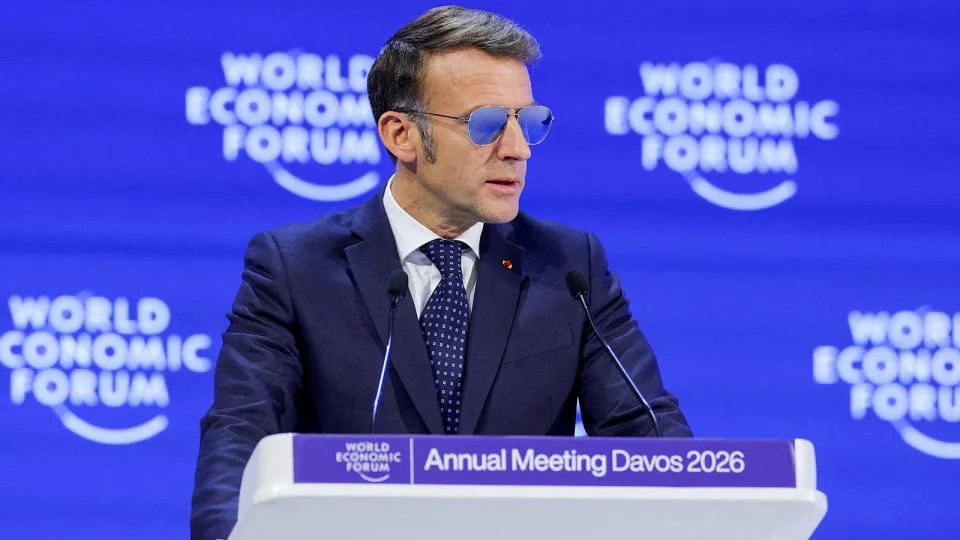
France's President Emmanuel Macron wears sunglasses, due to a reported eye irritation, as he attends the World Economic Forum meeting in Davos, Switzerland, on January 20. - Denis Balibouse/Reuters
What Happened in Davos
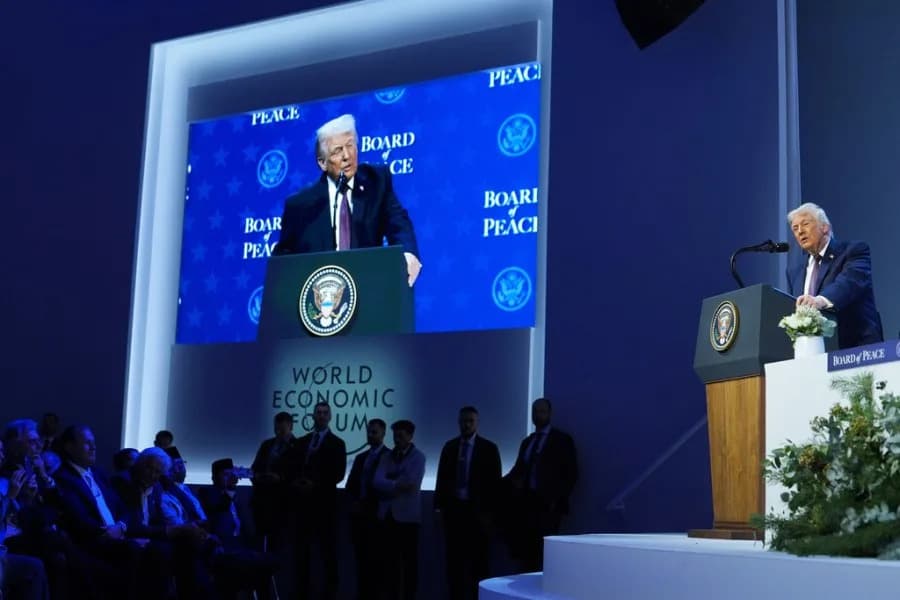
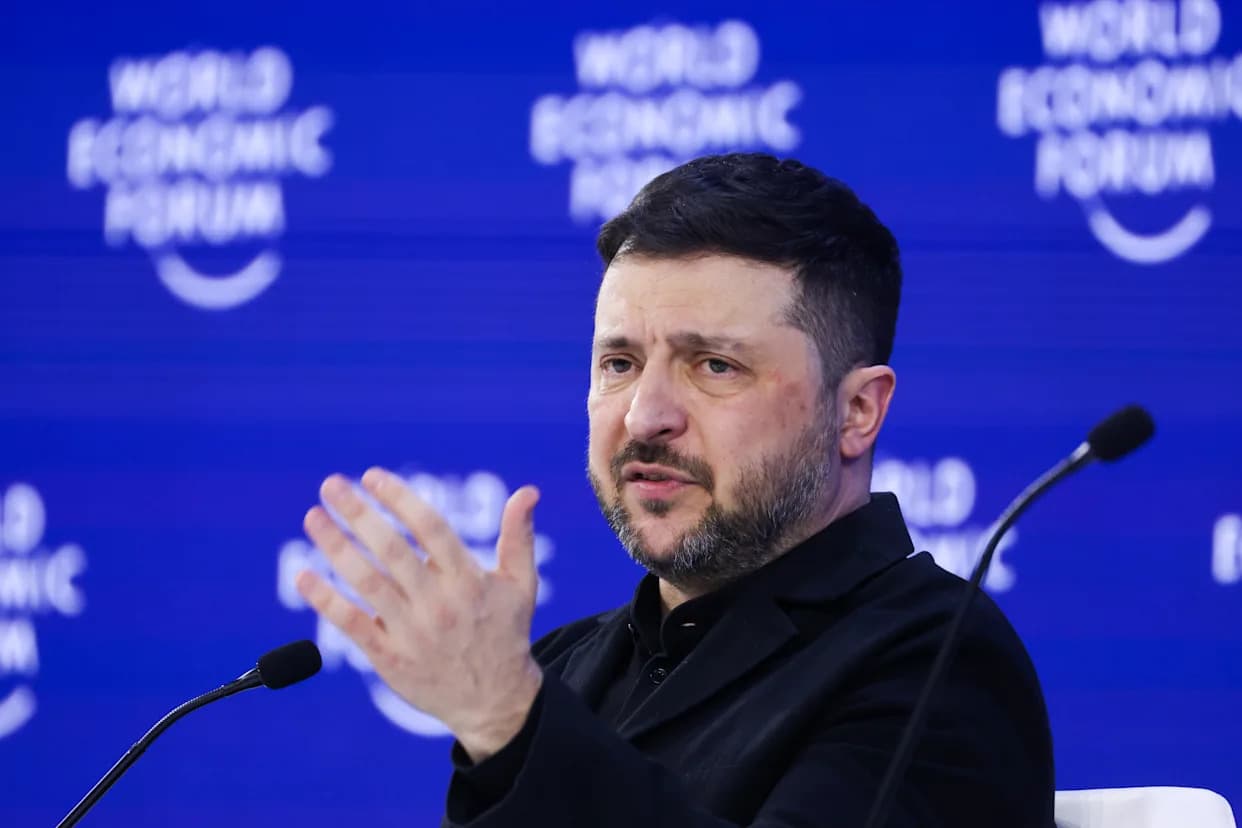
At the World Economic Forum in Davos, President Trump delivered a rambling speech that lasted more than an hour. He referenced both Ukrainian President Volodymyr Zelensky and French President Emmanuel Macron as if they were in the audience, even though both leaders had chosen not to attend, judging meaningful progress unlikely. Trump also announced a sudden "framework" for an $800bn peacetime Ukraine initiative and made an offhand remark about Greenland, which together reinforced perceptions of impulsive and confrontational diplomacy.
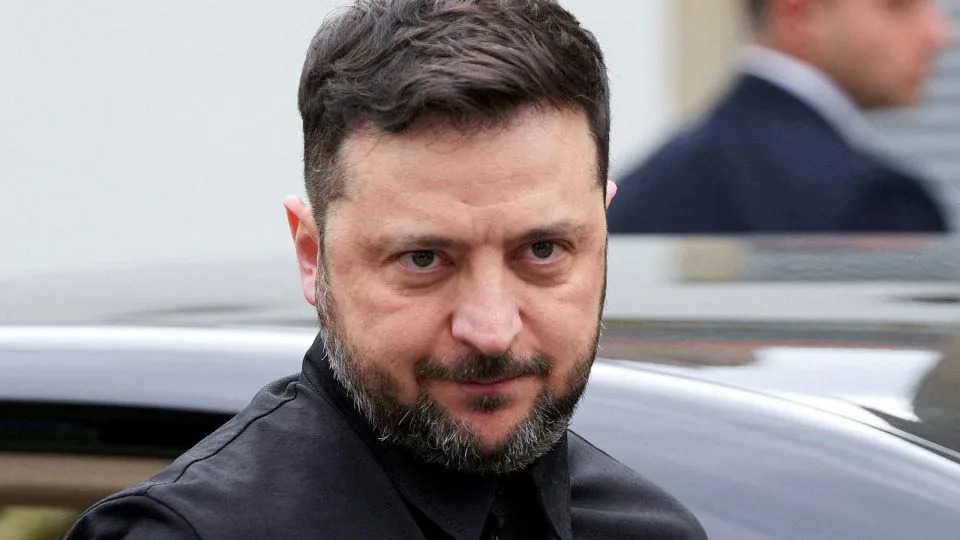
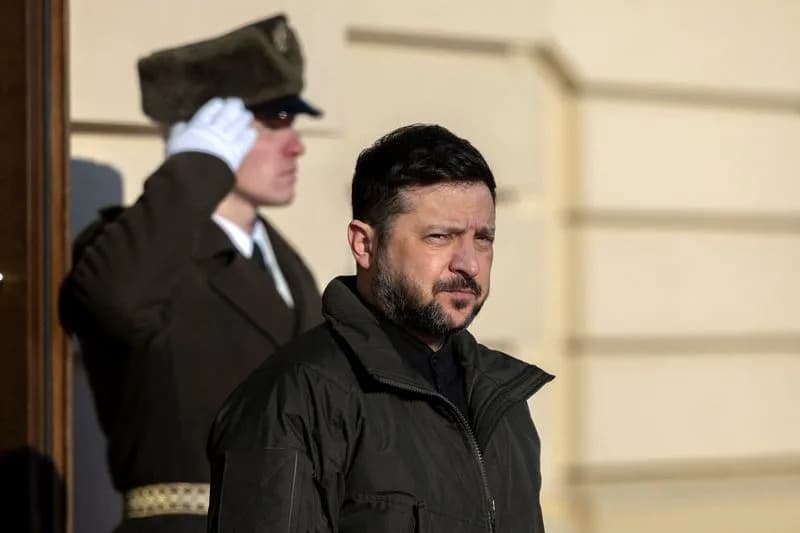
Ukrainian President Volodymyr Zelensky arrives for a meeting at the presidential palace in Nicosia, Cyprus, on January 7. - Petros Karadjias/Pool/Reuters/File
Immediate Consequences For the Peace Process
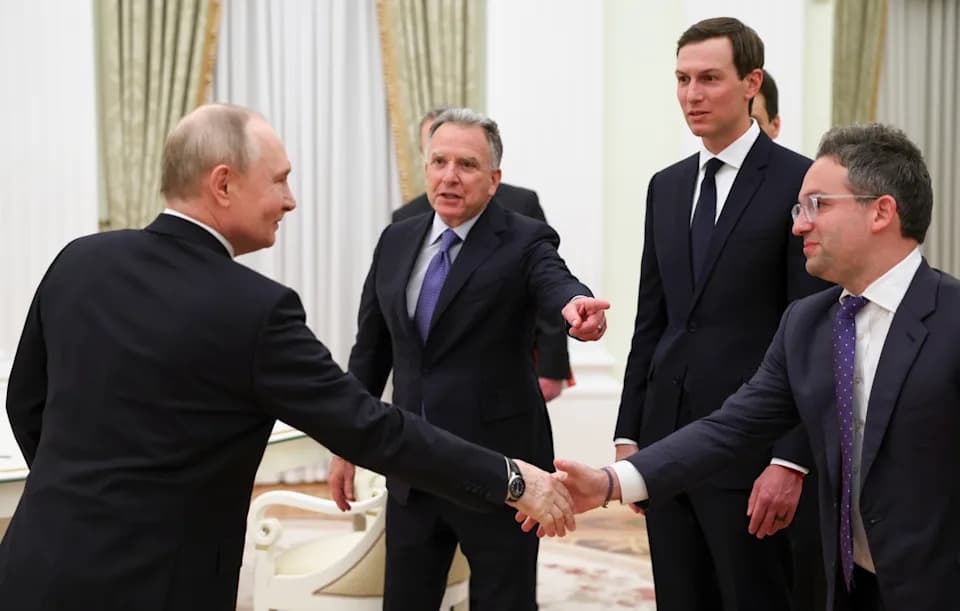
The Davos episode has tangible consequences for any near-term negotiation. Zelensky faces a rushed and risky journey from Kyiv to attend talks — a long train trip followed by a flight from southern Poland — at a time when he must juggle wartime security and energy shortages. Meanwhile, the US presidential envoy Steve Witkoff was due to meet Vladimir Putin, possibly after a Trump-Zelensky encounter. But the week’s turbulence has materially lowered the chances that those meetings will yield a substantive, durable peace agreement.
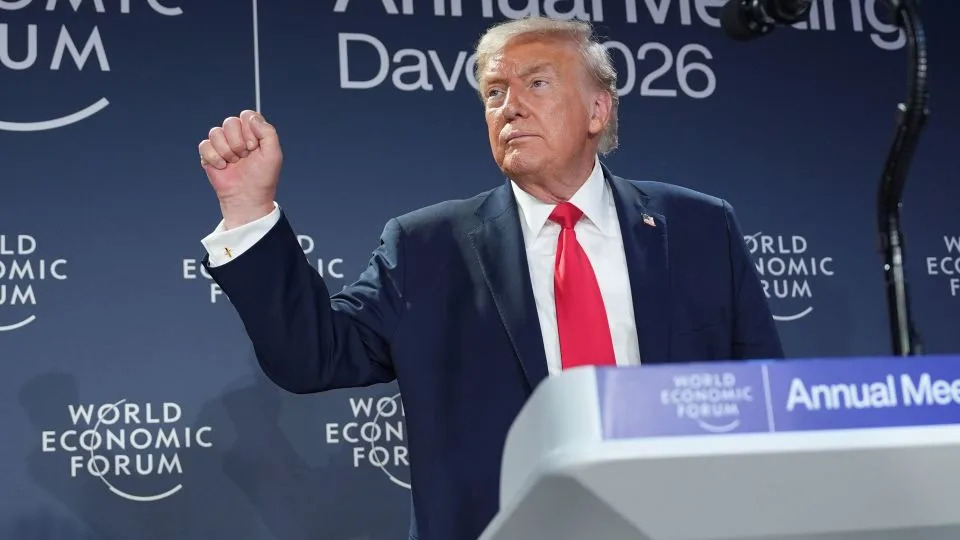
President Donald Trump speaks during a meeting of Global Business Leaders at the Annual Meeting of the World Economic Forum in Davos, Switzerland, on January 21. - Evan Vucci/AP
What’s At Stake In Draft Proposals
Draft documents circulated in late December left major issues unresolved. Key elements under discussion included freezing the front lines in their current positions, limited land swaps or concessions to be approved by Ukrainian referendums, and the creation of "special economic zones" for parts of the Donbass under Ukrainian control. A particularly thorny proposal — a three-way arrangement for the Zaporizhzhia Nuclear Power Plant shared among the US, Russia and Ukraine — remains a major stumbling block for Kyiv.
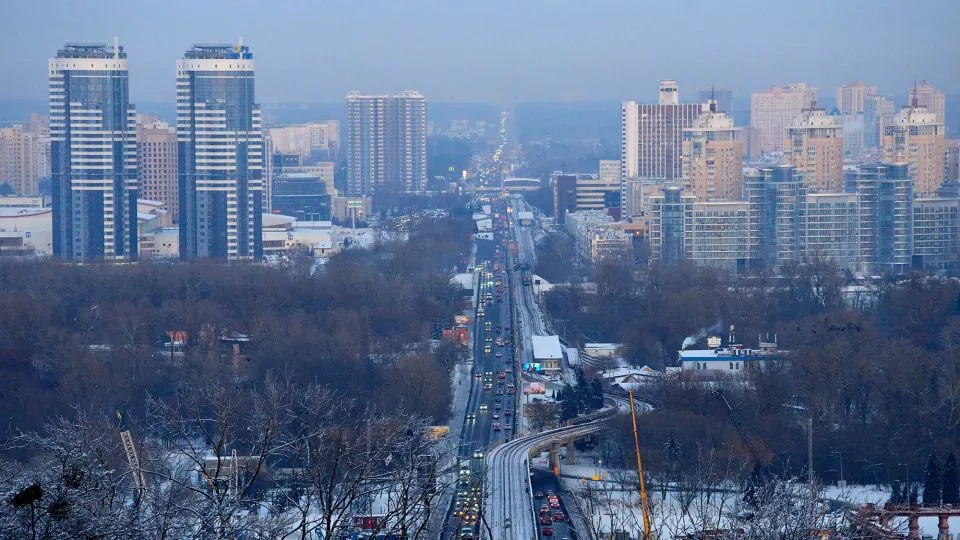
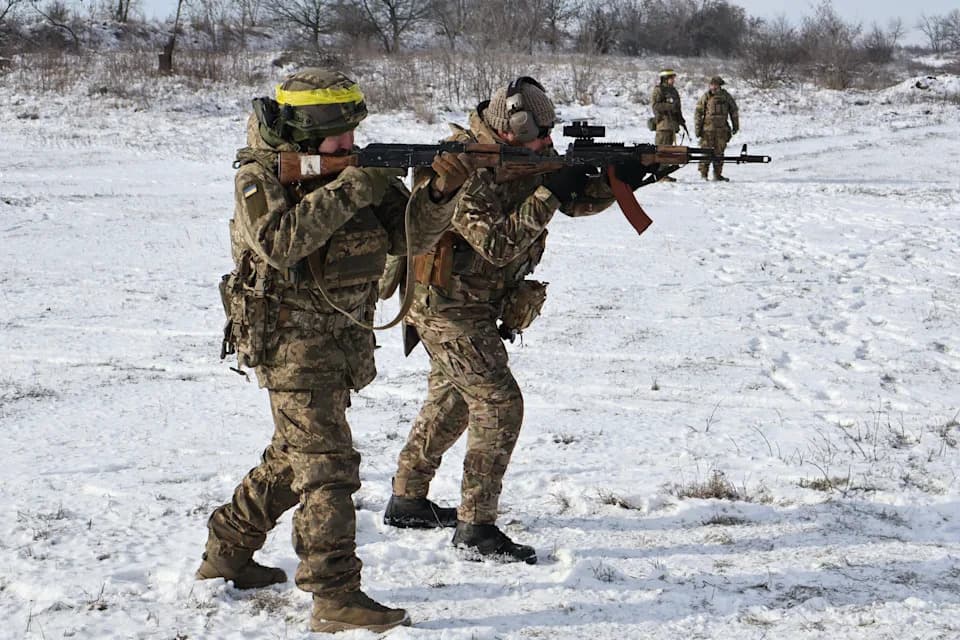
A view of the left bank of the Dnipro River in Kyiv, Ukraine, on January 19, as Ukraine was hit by severe frosts amid Russian air attacks against the country's energy sector. - Efrem Lukatsky/AP
Broader Geopolitical Impact
Beyond the technicalities of any deal, Davos has exposed strains in the Transatlantic alliance. Trump’s public criticism and mockery of European leaders increased friction at a time when Washington’s role as mediator and security guarantor is crucial to Kyiv’s willingness to make concessions. Europe’s tolerance for such behaviour has limits, yet alternatives without US backing remain costly and uncertain.
For Moscow, the episode likely appears as a mixed signal: moral incoherence and inconsistent policy from Washington could be seen as an opening rather than a deterrent. China and India have kept a cautious distance so far, while Russia has thus far rebuffed US overtures on a deal.
Outlook
Progress toward a negotiated settlement in Davos is still possible, but it now faces higher political and diplomatic hurdles. A clear, unified offer backed by credible guarantees might expose Russian intransigence — yet the alliance supporting Ukraine has just endured one of its most perilous weeks since the invasion. The immediate prospects for a deal are therefore diminished unless interlocutors can rapidly restore coherence, trust and credible security assurances.
Bottom line: Davos underscored that robust diplomacy — steadiness, credibility and allied cohesion — is as vital as any proposal. Without it, even a large-dollar framework risks collapsing amid geopolitical chaos.
Help us improve.