President Trump’s recent statements on Greenland, NATO and a proposed "Board of Peace" provoked a sharp backlash from European leaders, who responded with public rebukes and a pause in trade talks. EU officials say the episode highlights the need for strategic autonomy, while analysts warn Europe remains economically exposed to the United States. Policymakers including Mark Carney and Mario Draghi stress urgent investment in joint defence capabilities, faster decision-making and innovation to reduce vulnerabilities. The coming months will test whether Europe can turn outrage into decisive action.
Davos Fallout: How Trump’s Remarks Forced Europe to Rethink Its Strategic Independence
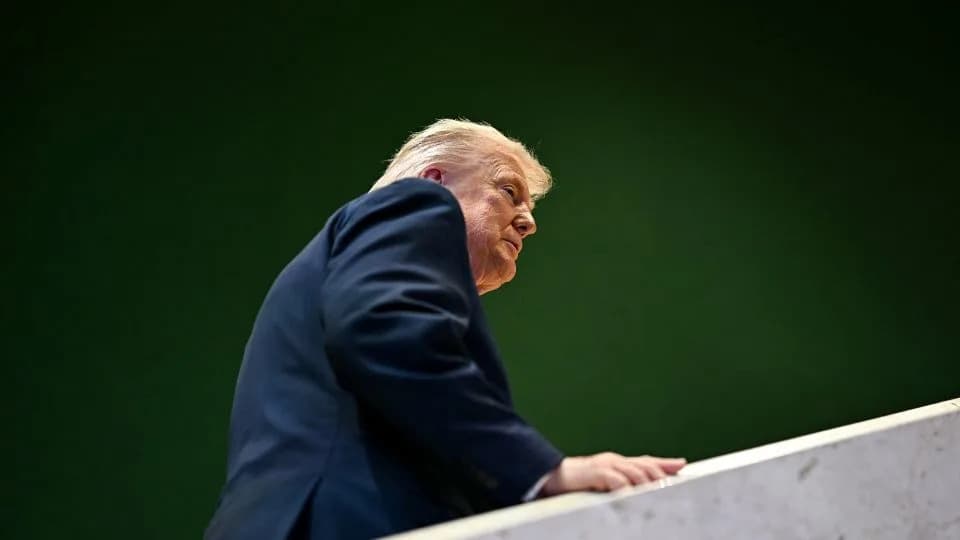
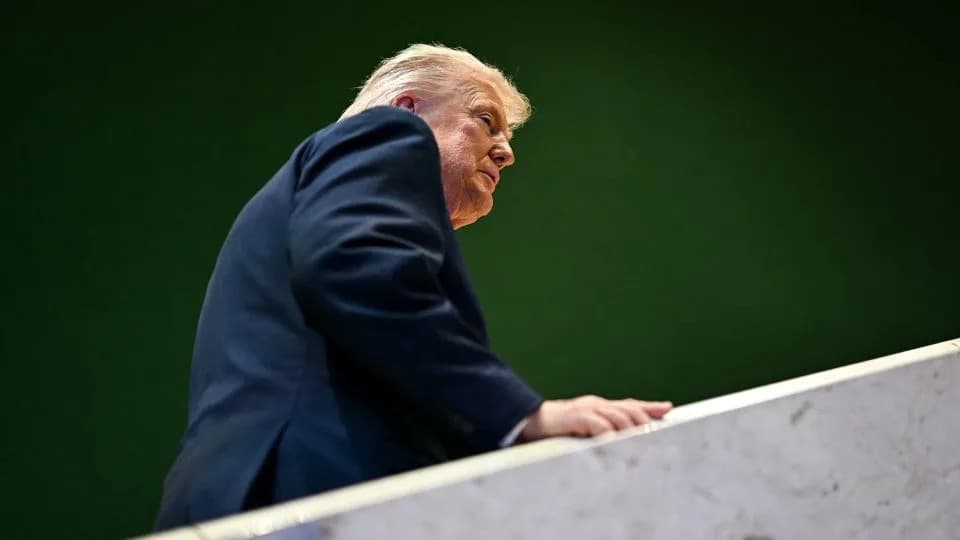
US President Donald Trump, pictured in Davos, Switzerland, on Wednesday, has alarmed Western allies since the turn of the year. - Fabrice Coffini/AFP/Getty Images
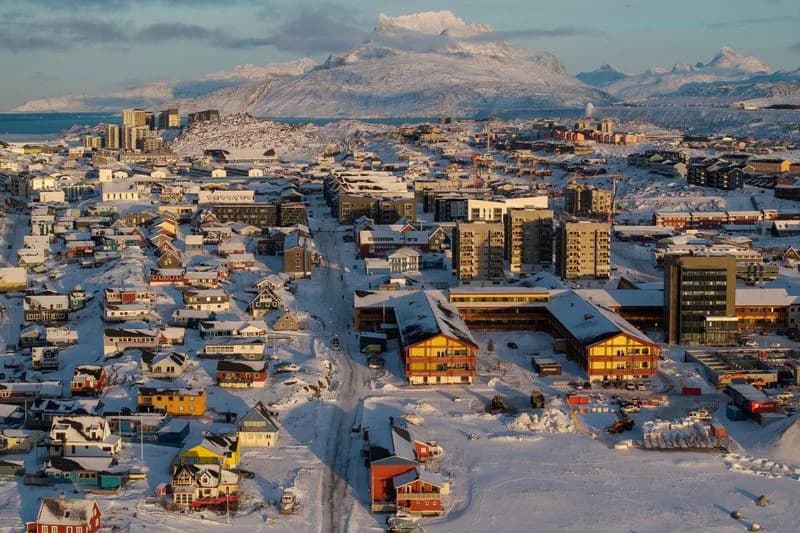
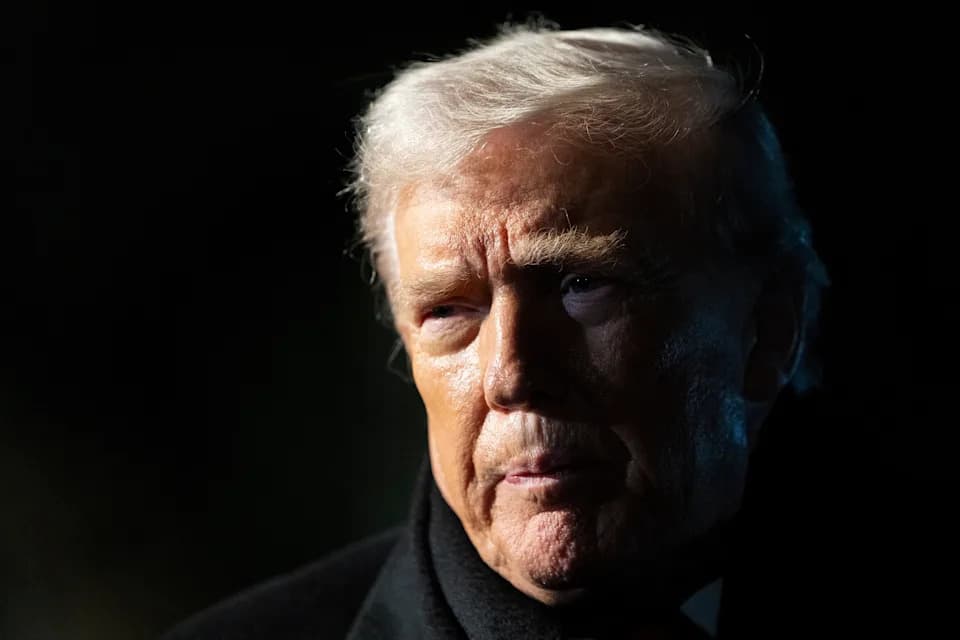
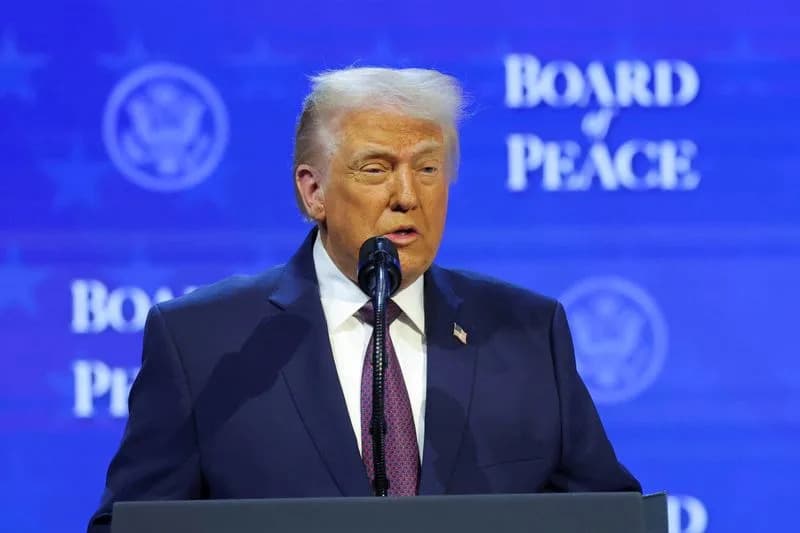
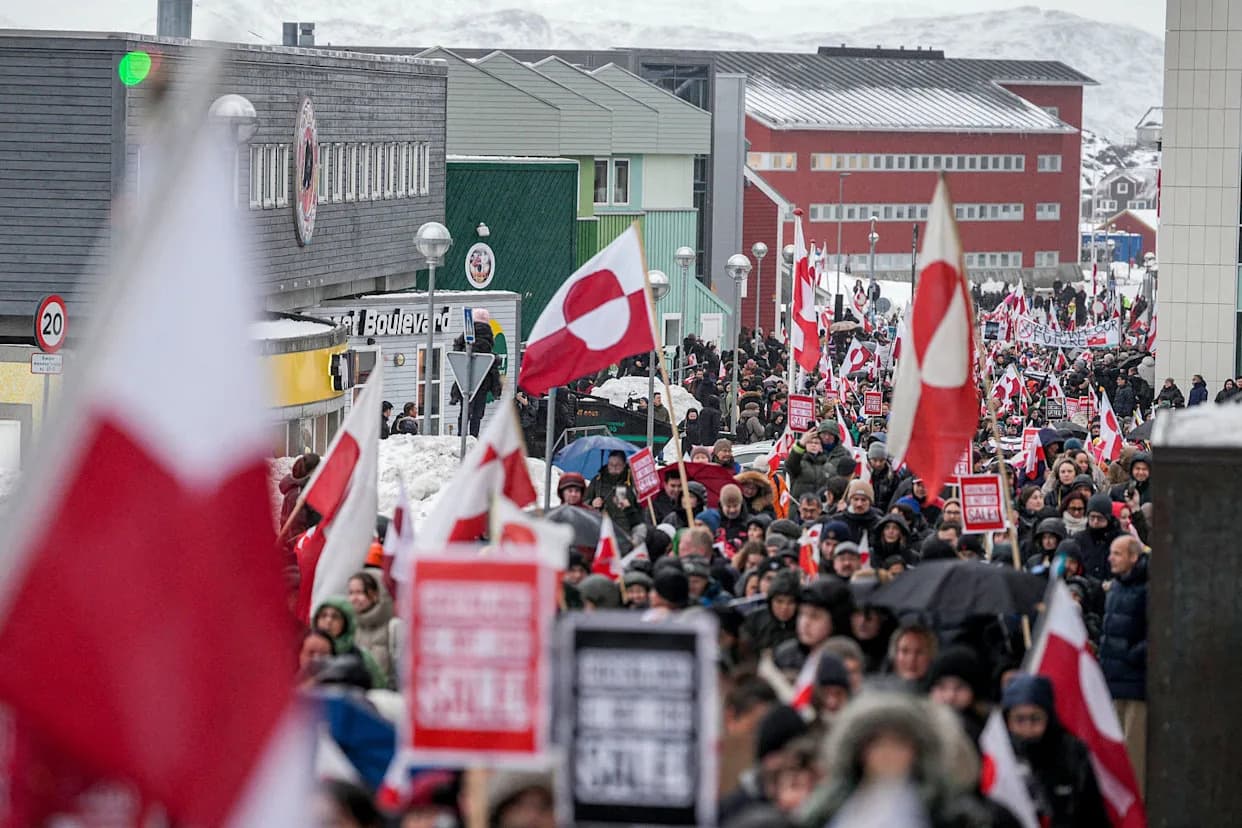
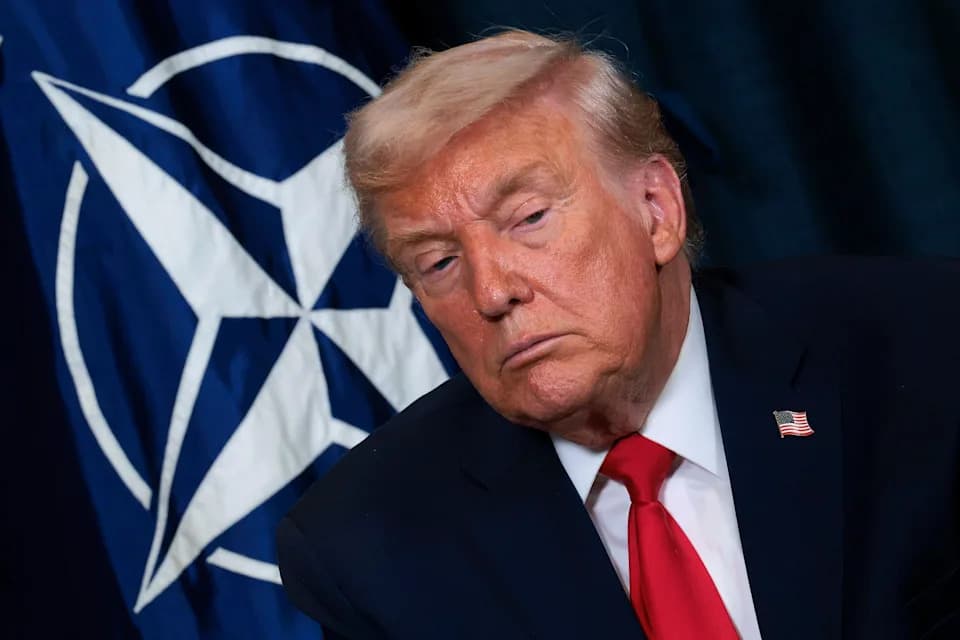
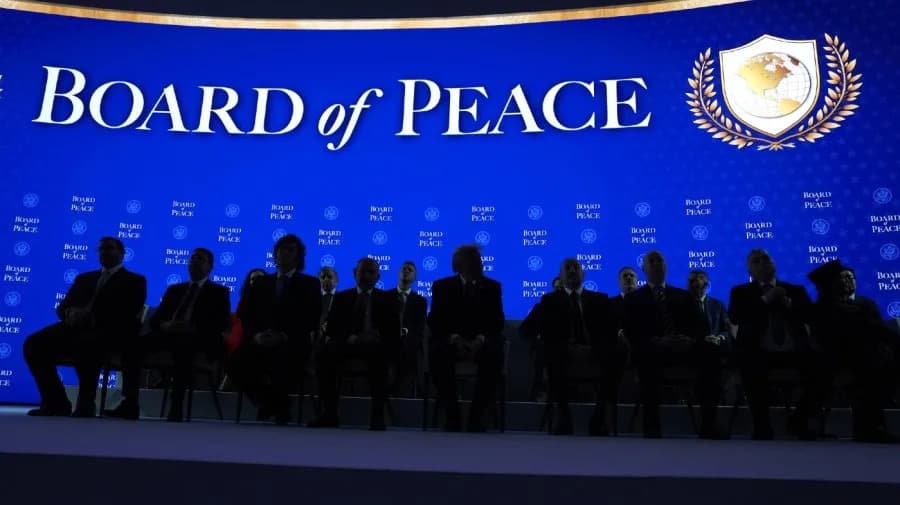
Harold Wilson’s old adage that "a week is a long time in politics" feels understated after a tumultuous seven days in international diplomacy. President Donald Trump’s comments about Greenland, his criticism of NATO partners and his proposal for a controversial "Board of Peace" for Gaza — reportedly including Belarus’s president and extending an invitation to Vladimir Putin — have jolted Western alliances and provoked sharp reactions in Europe.
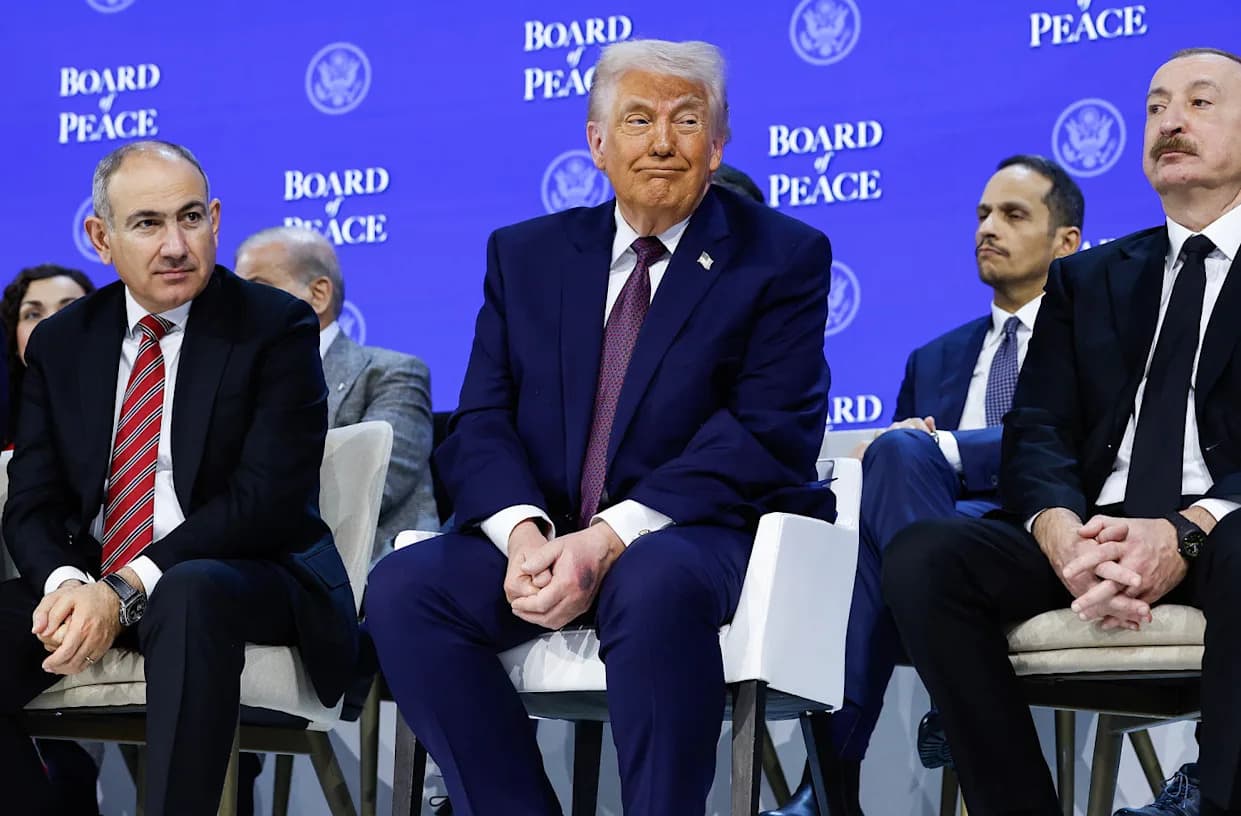
What followed was an unusually public rupture in transatlantic relations. Several European capitals pushed back: leaders threatened retaliatory tariffs, the European Parliament paused progress on an EU–US trade pact, and the United Kingdom, France, Germany and Italy declined invitations to the White House’s proposed board.
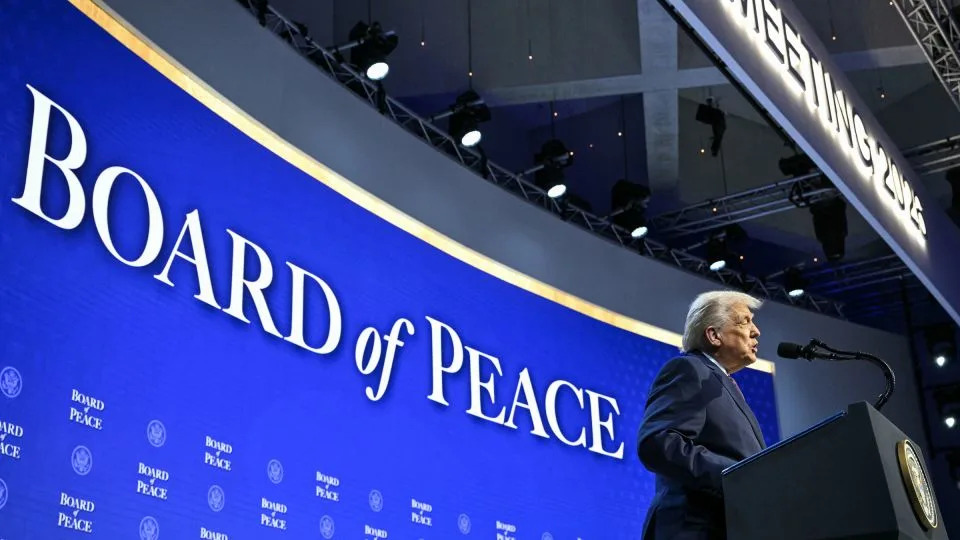
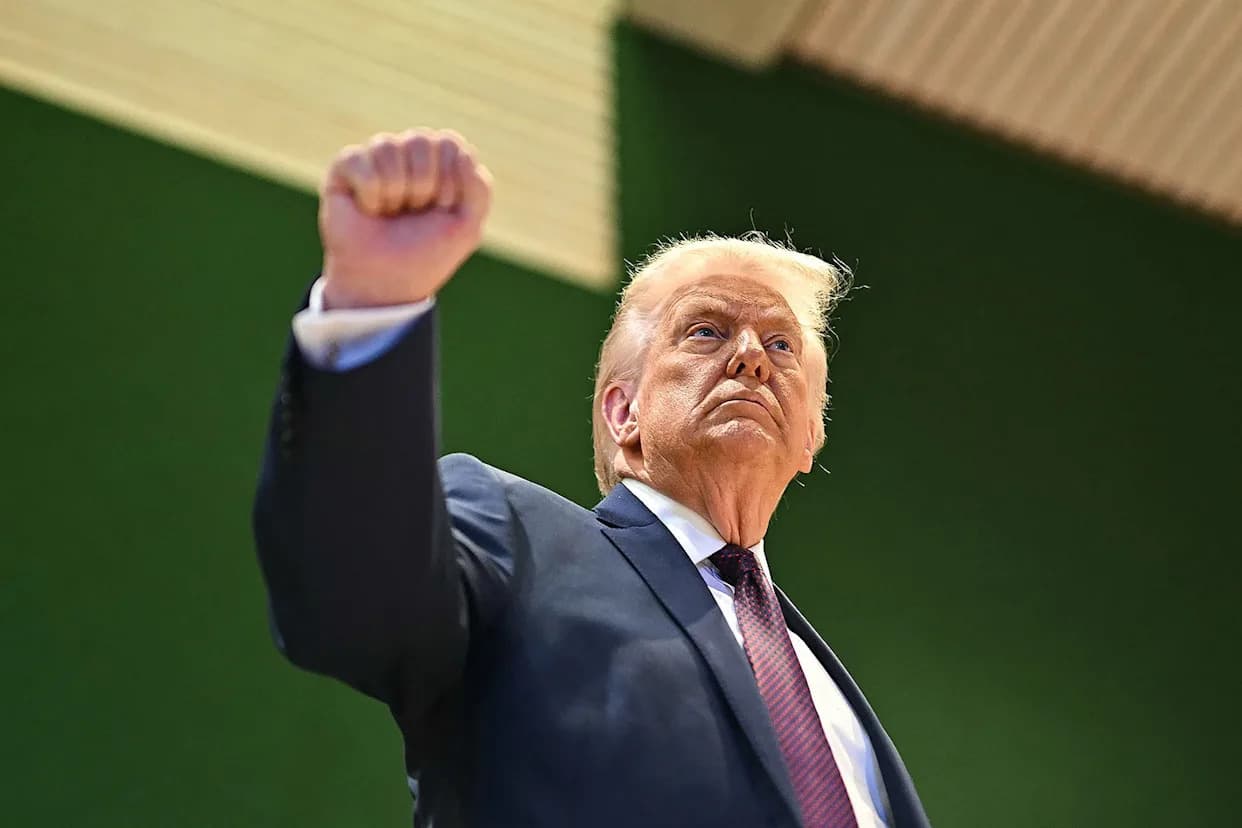
Several major European countries have rejected Trump's invitation to join his "Board of Peace." - Mandel Ngan/AFP/Getty Images
“We are in the midst of a rupture, not a transition,” Mark Carney declared at Davos, urging "middle powers" to act. “If you are not at the table, you are on the menu.”
European Commission President Ursula von der Leyen credited firm, calm resistance for defusing the immediate crisis, while warning that the longer-term challenge is greater: Europe must work toward strategic autonomy.
Belgian Prime Minister Bart De Wever put the point bluntly: dependence on the United States had bred leniency, but repeated transgressions now force a choice between accommodation and dignity. "If you back down now, you’re going to lose your dignity," he said.
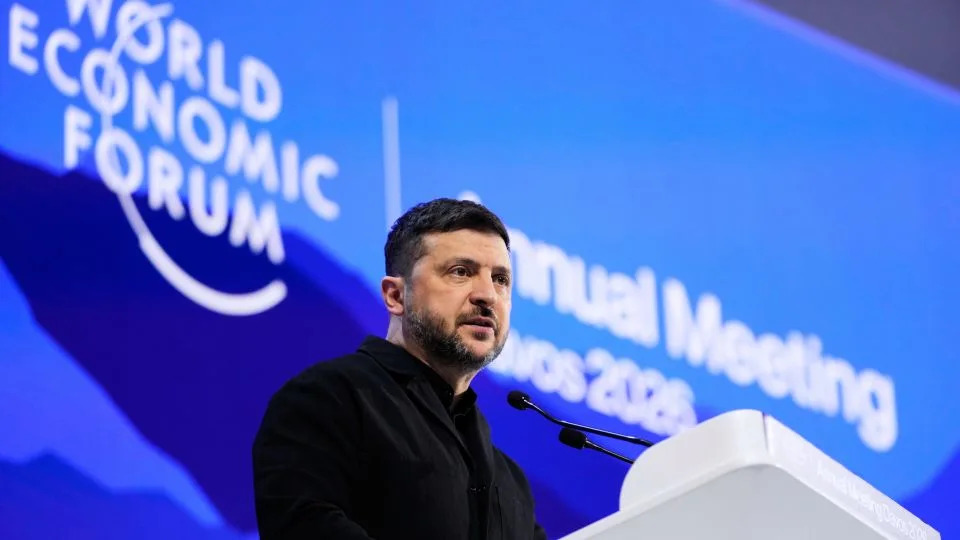
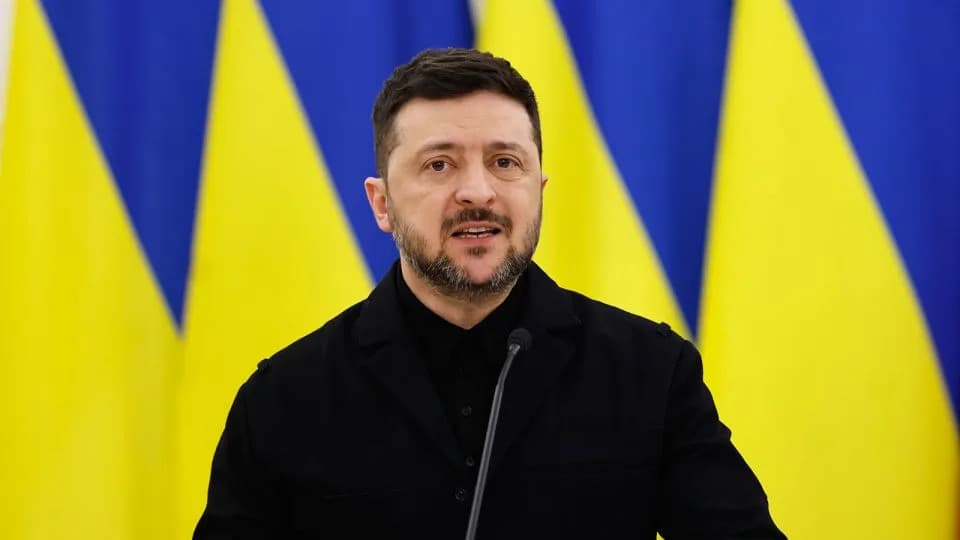
Ukraine's President Volodymyr Zelensky, pictured in Davos on Wednesday, said Ukraine felt it was stuck in "Groundhog Day." - Markus Schreiber/AP
What Europe Has Done — And Where It Remains Vulnerable
The European Union has increased military, economic and intelligence support for Ukraine, created a substantial fund to help Kyiv buy weapons, extended large credits and stepped up defence production from a low base. Yet decision-making remains cumbersome: aligning 27 capitals on defence and security is slow and often unwieldy.
Analysts warn that Europe’s greatest exposure is economic. Grégoire Roos of Chatham House noted the EU remains structurally vulnerable to pressure from its closest ally, including coercive economic measures that stop short of physical force. Reliance on imported American natural gas is one frequently cited example.
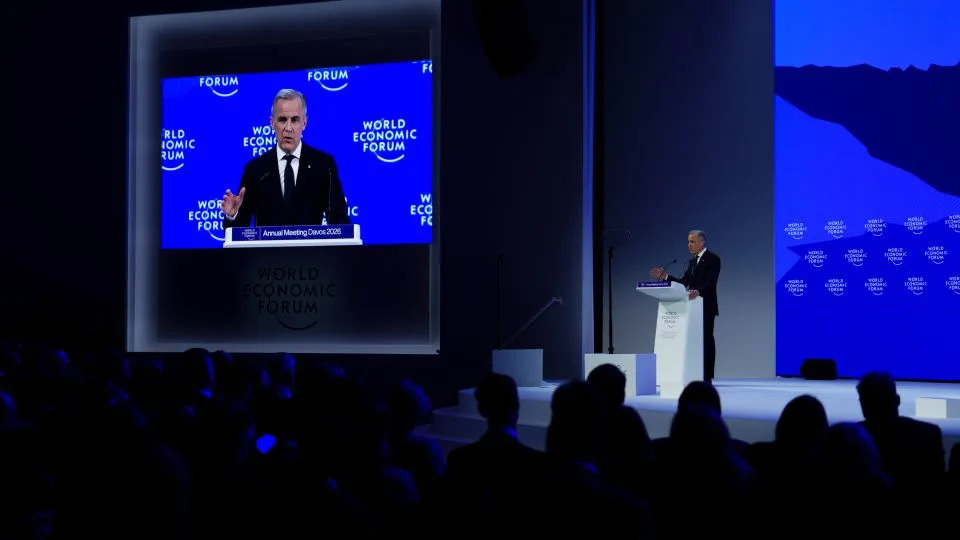
Canadian Prime Minister Mark Carney used his speech at Davos on Tuesday to declare a "rupture" in the world order. - Sean Kilpatrick/AP
“The immediate threat was paused, and the military option is now off the table. Until it is back,” Roos cautioned.
Ukrainian President Volodymyr Zelensky, also in Davos, urged faster progress: invoking Groundhog Day, he said a year after urging Europe to learn to defend itself, "a year has passed — and nothing has changed." Military analysts counter that Europe has in fact stepped up materially in support of Ukraine, but agree that much more is needed to achieve strategic independence.
Blueprints and Imperatives
Thought leaders such as Mario Draghi and Mark Carney have outlined concrete priorities: large-scale joint investment in military capabilities, faster and more flexible decision-making structures, and better exploitation of innovation. Draghi warned that Europe’s workforce is projected to decline significantly by 2040, underscoring the urgency of shoring up strategic resilience now.
As De Wever invoked Antonio Gramsci — "If the old is dying and the new is not yet born, then you live in a time of monsters" — the implicit challenge to leaders is clear: use this rupture to build a stronger, more autonomous Europe, or risk prolonged vulnerability and humiliation.
What to watch next: whether Europe converts diplomatic indignation into rapid institutional and industrial change, how transatlantic economic pressure evolves, and whether future provocations reignite the same diplomatic turmoil.
Help us improve.