Overview: Despite promises to expand worksite enforcement, the administration’s public effort has emphasized detaining and deporting individual migrants rather than prosecuting employers. Legal hurdles under the 1986 IRCA — which require proof that employers "knowingly" hired unauthorized workers — and an economy that depends on immigrant labor have limited large-scale employer prosecutions. Result: A handful of raids and three ICE worksite cases (74 arrests) have occurred, but broad employer-focused enforcement appears to have slowed.
Employers Largely Escaping Consequences As Administration Prioritizes Individual Deportations
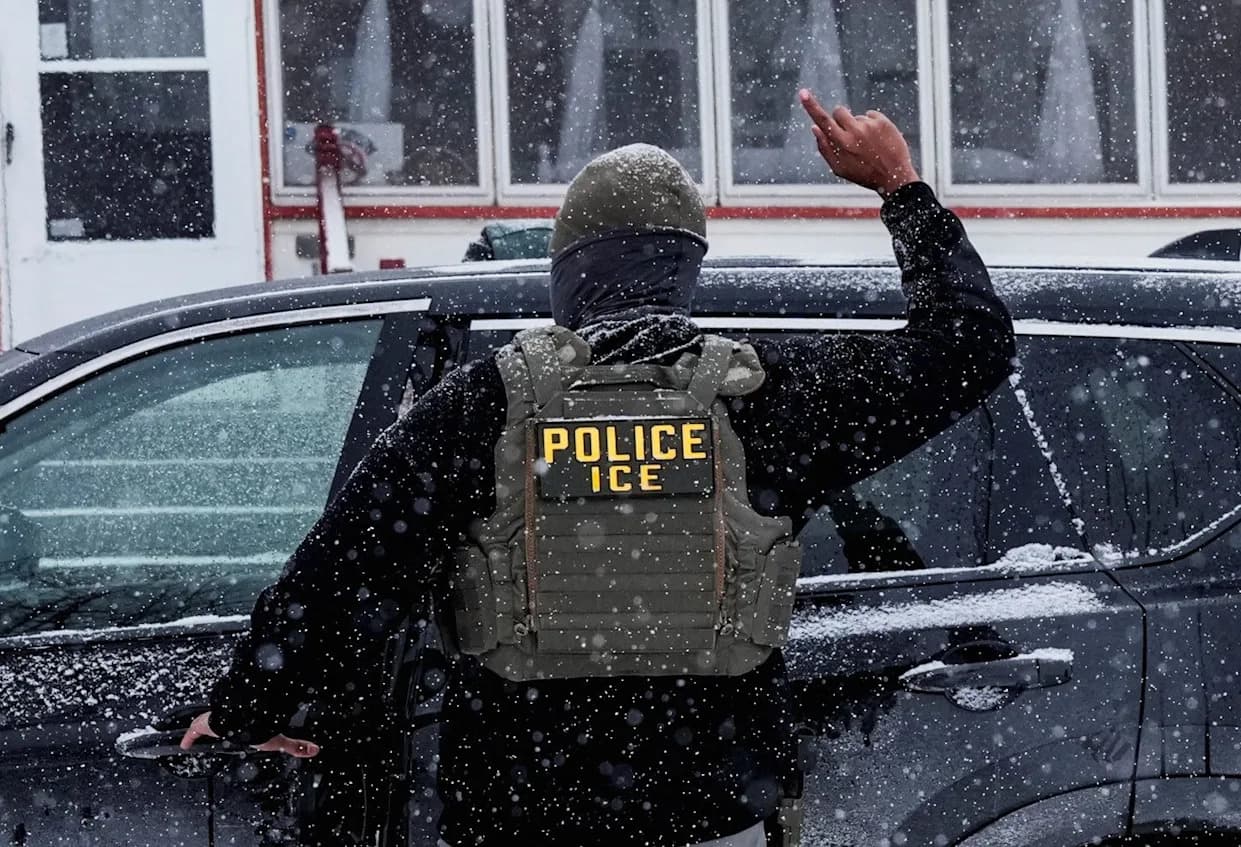
When the Trump administration accelerated plans for mass deportations last summer, immigration chief Tom Homan promised a shift in focus: instead of chasing individuals on the streets, authorities would step up employer-targeted enforcement.
“Worksite enforcement operations are going to massively expand,” Homan said in June.
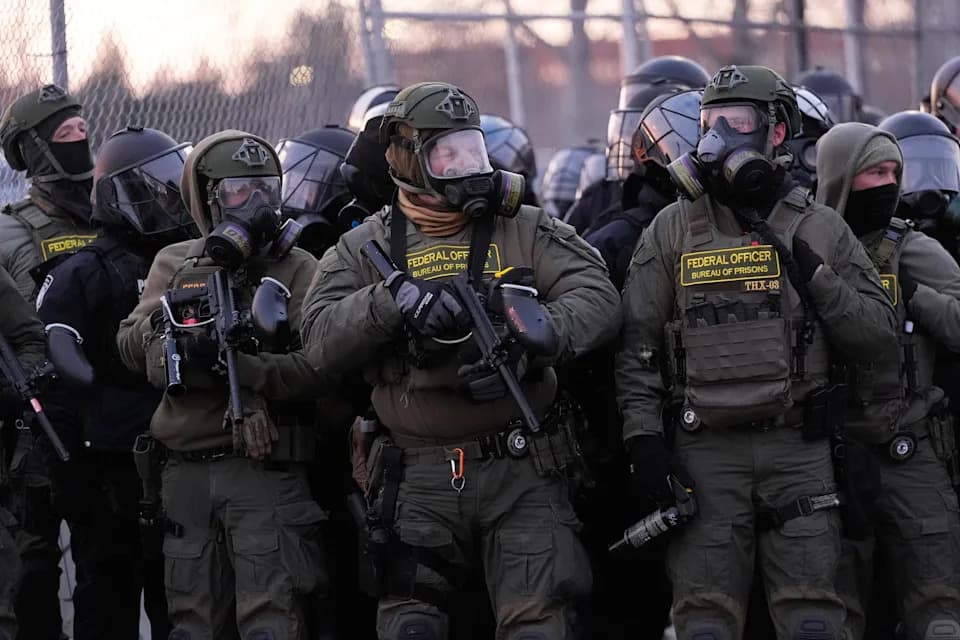
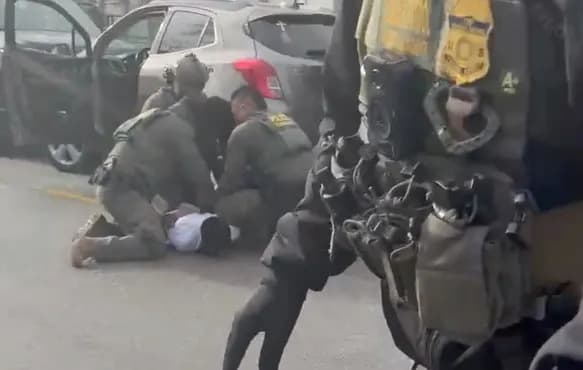
More than half a year later, the most visible and politically charged actions remain arrests and deportation sweeps of individual migrants — not large-scale prosecutions of employers. While the administration has carried out some worksite actions, legal, practical, and political barriers have limited aggressive, sustained pressure on businesses that hire undocumented workers.
Reported Enforcement Activity
There is no centralized public ledger of employer audits, but reporting and lawyer accounts suggest a slowdown in high-profile workplace raids after a widely publicized September raid at a Hyundai plant in Georgia. U.S. Immigration and Customs Enforcement (ICE) has reported three worksite cases since November that resulted in 74 arrests, and there have been smaller reported raids — for example at car washes from Los Angeles to Connecticut. However, few major prosecutions of employers have been filed.
Government Response
Assistant Secretary of Homeland Security Tricia McLaughlin disputed the notion that employer enforcement has slackened, writing that “worksite enforcement remains a cornerstone of our efforts to protect public safety, national security, and economic stability.” DHS officials have also pointed to operations such as a July raid on an alleged marijuana grow site as evidence of ongoing employer-focused activity.
Legal Hurdles
One major constraint is the 1986 Immigration Reform and Control Act (IRCA). Under IRCA, prosecutors must prove an employer “knowingly” hired an unauthorized worker — a high bar — while employers can defend themselves by showing that an employee’s documents “reasonably appear to be genuine and relate to the person” they hired. That evidentiary standard makes employer convictions difficult and costly to pursue.
Economic And Political Drivers
Another factor is economic dependence: key sectors such as agriculture, hospitality, and landscaping rely heavily on immigrant labor, including undocumented workers. Employers, some local governments, and parts of industry lobby to avoid disruptive enforcement because long-tenured workers are difficult to replace. As President Trump himself acknowledged,
“Our great Farmers and people in the Hotel and Leisure business have been stating that our very aggressive policy on immigration is taking very good, long time workers away from them, with those jobs being almost impossible to replace.”
Political incentives also matter. Enforcement that targets individual migrants is more visible and politically expedient than the often lengthy, evidence-heavy work of prosecuting businesses. Congress — broadly business-friendly on this issue — has not strengthened IRCA’s enforcement mechanisms, leaving prosecutors and agencies limited by statute.
What This Means
The result is an apparent imbalance: strong rhetoric and visible enforcement against individuals, but only selective, limited actions against employers. This dynamic reflects a mix of legal restraint, economic reliance on undocumented labor, and political calculations. As columnist Peggy Noonan observed, many undocumented workers are deeply embedded in daily American life and communities, complicating enforcement priorities.
The Washington Post and other outlets have explored these trends in depth, documenting how policy, politics, and labor-market realities shape immigration enforcement choices.
Help us improve.