Blue Origin has unveiled TeraWave, a planned megaconstellation of 5,408 satellites that the company says could deliver up to 6 terabits per second and target enterprise customers. The Jan. 21 announcement — promoted by CEO Dave Limp — positions TeraWave against SpaceX and Amazon Leo, and Reuters has reported Blue Origin is researching "data centers in space." Critics warn that thousands more satellites and expanded data-center capacity pose environmental and public-safety risks, from space debris to increased energy and water demand. Blue Origin does not expect launches before late 2027, giving regulators and communities time to respond.
Blue Origin Announces TeraWave: 5,408-Satellite Megaconstellation Promises Up To 6 Tbps — Raises Data-Center and Environmental Questions
Photo Credit:Depositphotos.com
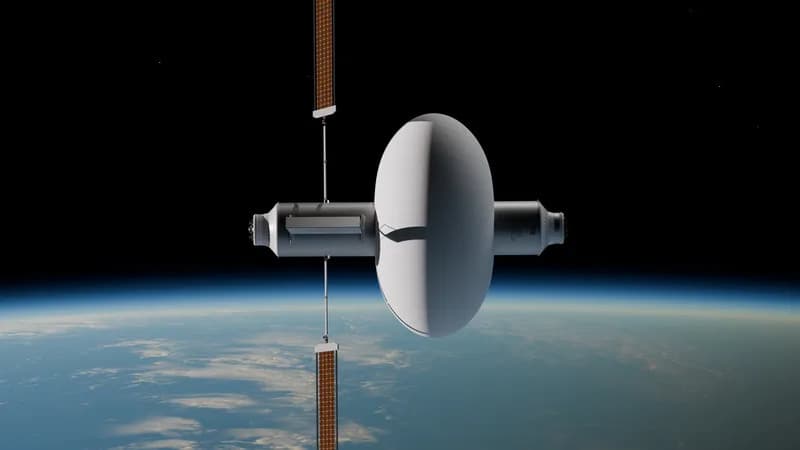
Blue Origin, the private aerospace company founded by Amazon creator Jeff Bezos, announced plans for a satellite internet network called TeraWave, prompting renewed debate about orbital megaconstellations and the prospect of data centers in space.
The company disclosed the plan on Jan. 21 and said the network would use a constellation of 5,408 satellites and aim for speeds of up to 6 terabits per second, positioning TeraWave to compete with SpaceX and Amazon’s satellite effort (now known as Amazon Leo). The announcement was amplified by Blue Origin CEO Dave Limp via Twitter.
What Blue Origin Says
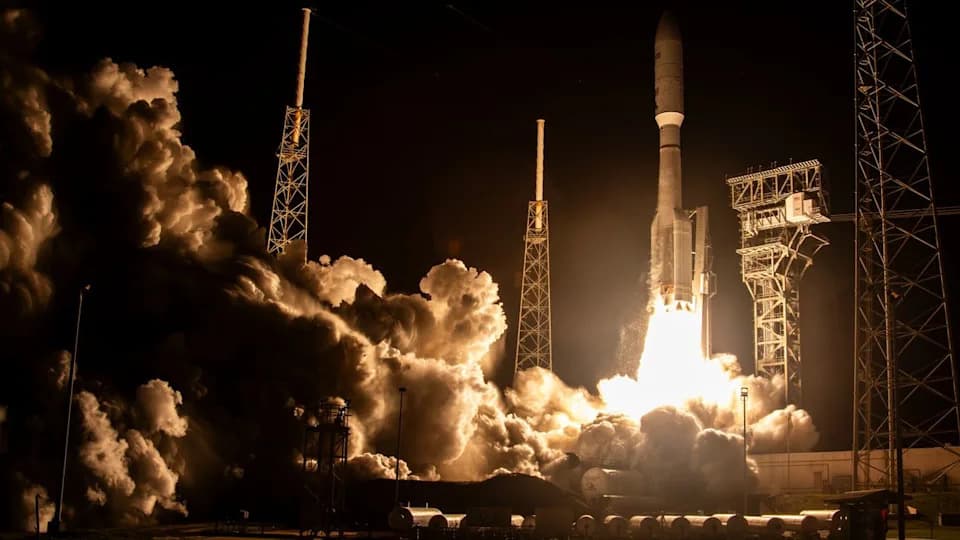
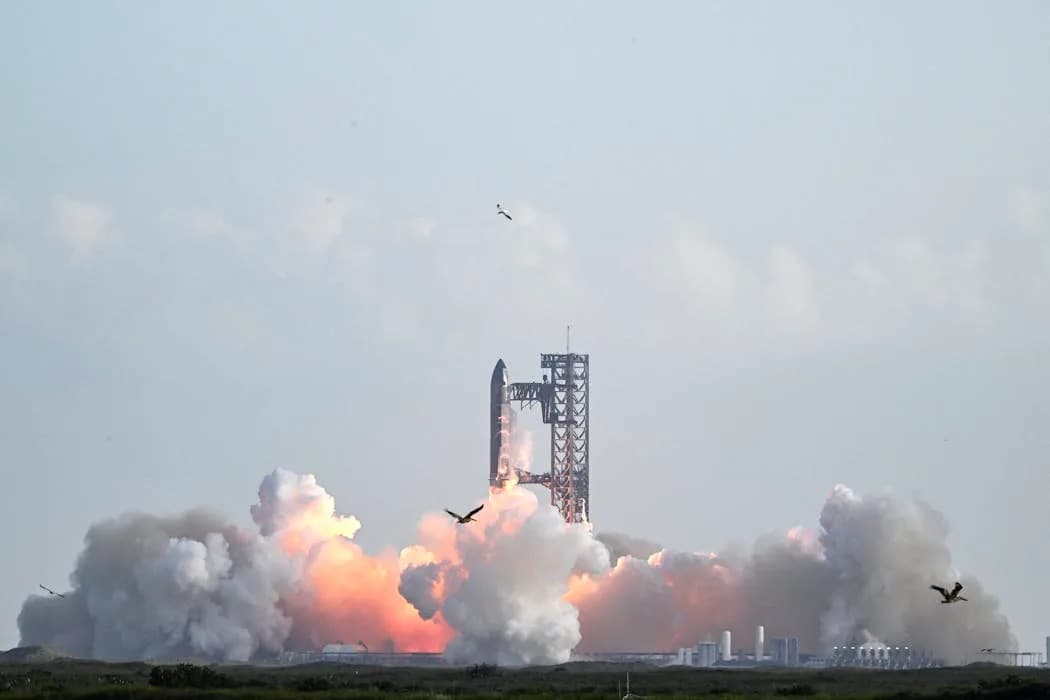
Blue Origin described TeraWave as a service "purpose-built for enterprise customers," promising very high throughput to support large-scale, latency-sensitive applications. The company has said launches are not expected to begin before late 2027.
Context And Reporting
News outlets including CNBC, Ars Technica, and Reuters covered the announcement. Reuters previously reported that Blue Origin is researching technologies to enable "data centers in space," a concept that has circulated across the space industry as firms look for ways to host compute workloads off Earth.
Concerns: Orbital And Terrestrial Impacts
Industry observers and critics warn of several risks tied to megaconstellations and expanded data-center footprints. Key concerns include:
- Increased orbital debris risk from thousands of additional satellites, which can endanger spacecraft and human occupants of low Earth orbit.
- Terrestrial environmental impacts from more launches and data-center construction, including energy demand and strain on local water resources.
- Local opposition to related infrastructure: for example, Florida residents objected to a Blue Origin proposal to discharge up to 490,000 gallons of wastewater per day into the Indian River Lagoon.
Reports also link the rapid expansion of data centers to higher electricity demand and water use in some regions, driven in part by growing AI workloads.
What’s Next
TeraWave’s multi-year timeline means regulators, lawmakers and communities have time to review proposals and raise questions. Industry efforts to mitigate orbital debris and protect astronauts — including experimental shielding or "armor" from startups — are underway, but experts emphasize that preventing terrestrial environmental harm is a distinct and complex challenge.
Sources: Blue Origin announcement and CEO tweet (Jan. 21); reporting from CNBC, Ars Technica, and Reuters.
Help us improve.