Japan set a new inbound tourism record in 2025 with 42.7 million arrivals, helped by a weak yen and strong demand from Europe, the US and Australia. December saw a ~45% drop in Chinese visitors to about 330,000 after diplomatic tensions following Prime Minister Sanae Takaichi's Taiwan comments prompted a Beijing travel advisory. Chinese tourists still spent an estimated $3.7 billion in Q3, but some local businesses have been hit hard. The government aims for 60 million annual visitors by 2030 while introducing measures to manage overtourism in Kyoto, on Mount Fuji and elsewhere.
Japan Sets Tourism Record: 42.7 Million Visitors in 2025 Despite Sharp Drop From China

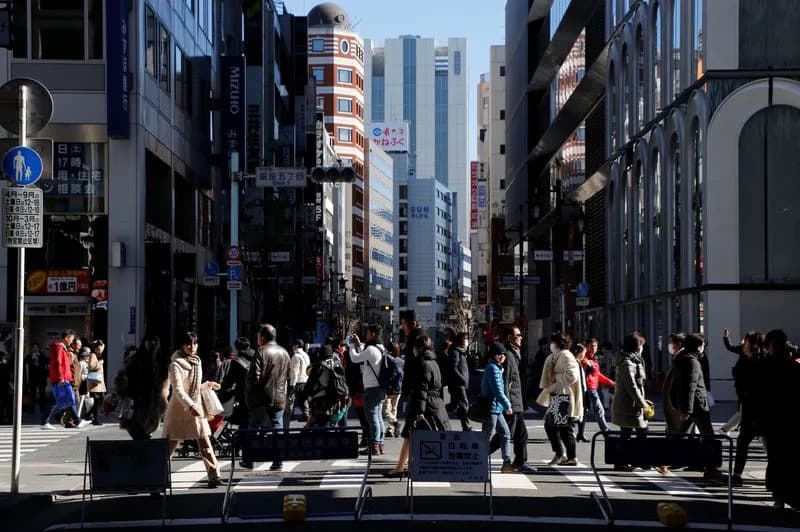
The number of tourists to Japan hit a new record in 2025 (Philip FONG)(Philip FONG/AFP/AFP)
Japan recorded a historic high of inbound visitors in 2025, officials said on Tuesday, even as arrivals from China plunged sharply in December amid an ongoing diplomatic dispute between Beijing and Tokyo.
The Transport Ministry reported 42.7 million arrivals last year, surpassing 2024's near-record of almost 37 million. A weak yen and renewed interest in travel helped position Japan as a top "bucket list" destination for international visitors.
Chinese Arrivals Plummet After Diplomatic Row
Chinese tourist numbers in December fell roughly 45% year-on-year to about 330,000 visitors. The decline followed November remarks by Prime Minister Sanae Takaichi suggesting Tokyo might intervene militarily if Taiwan were attacked — comments that prompted a strong diplomatic response from Beijing and a government advisory urging citizens not to travel to Japan.
Official data show China remained Japan's largest source market overall: nearly 7.5 million Chinese visitors arrived in the first nine months of 2025, roughly one-quarter of all foreign travellers to the archipelago. Enticed partly by the weaker yen, Chinese tourists spent an estimated $3.7 billion in the third quarter.
Local Impact and Official Response
"The impact for our business is huge," said Li Benjing, an employee at a small Tokyo travel agency that focuses on Chinese customers, after her firm reported a roughly 90% fall in sales following Beijing's travel warning.
Despite the slump in December Chinese arrivals, Transport Minister Yasushi Kaneko called the overall total a "significant achievement," noting that arrivals from Europe, the United States and Australia rose steeply and helped offset the shortfall.
"We also hope and want to make sure that Chinese visitors will return to us as soon as possible," Kaneko added, underscoring efforts to restore ties and confidence among Chinese travellers.
Tourism Strategy and Overtourism Controls
Officials credit part of the growth to government initiatives promoting attractions across the country — from Mount Fuji's slopes to regional shrines and sushi bars. The government has set an ambitious target of 60 million foreign visitors annually by 2030.
At the same time, authorities are moving to manage overtourism in hotspots. Japan's largest travel firm, JTB, forecast that overall arrivals in 2026 may be "slightly lower" than in 2025 because of reduced demand from China and Hong Kong, but expects tourism revenue to rise thanks to higher accommodation prices and strong visitor spending. Repeat visitors are increasingly exploring rural and regional destinations, prompting efforts to spread tourists more evenly across the country.
In response to crowding and resident complaints — notably in Kyoto, famed for its kimono-clad geisha and busy temples — authorities have introduced measures including entry fees, daily caps on Mount Fuji climbers and other local regulations. In 2024, a temporary barrier was even erected outside a convenience store to stop crowds from blocking a road to photograph a viral view of the snow-capped volcano.
While the short-term impact of the diplomatic dispute is clear, officials are emphasizing diversification of source markets and policies to manage growth sustainably as Japan pursues its long-term tourism goals.
Help us improve.