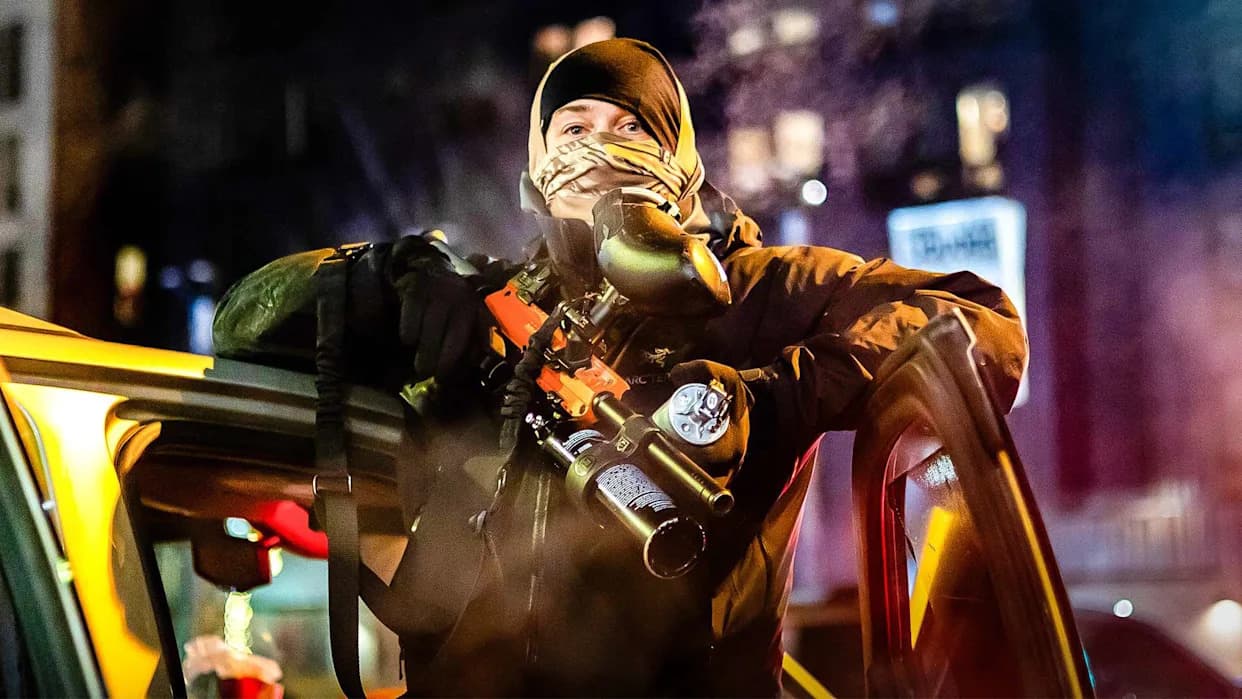
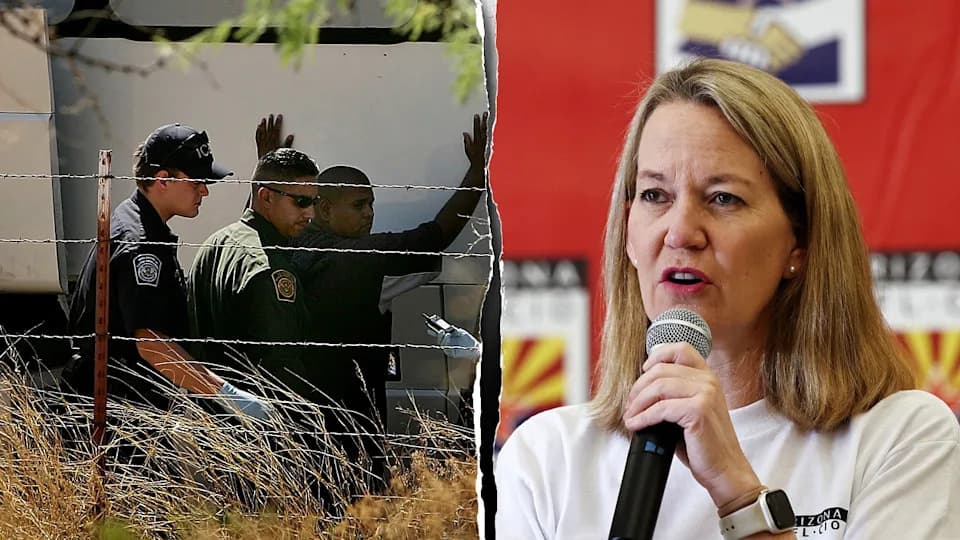
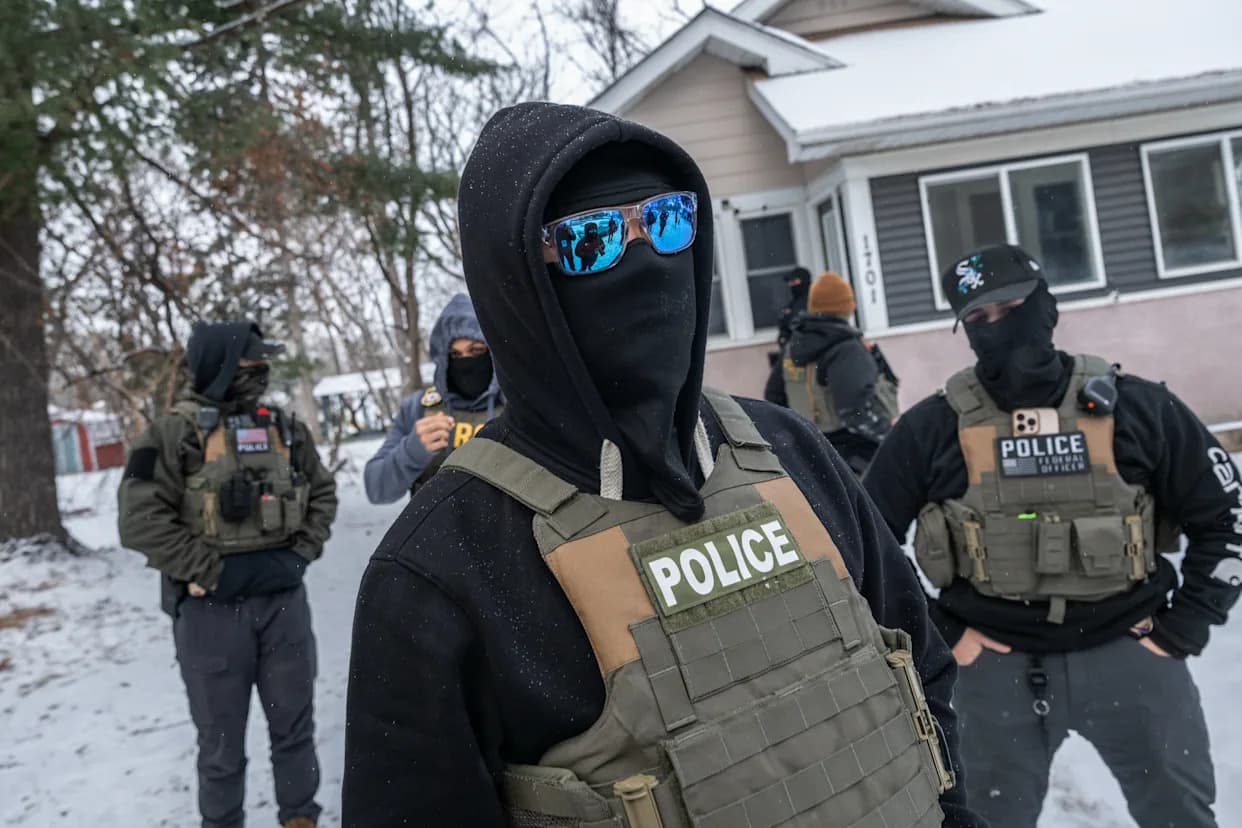
Arizona Attorney General Kris Mayes warned this week that encounters between masked, poorly identified federal agents and armed civilians — under the state's Stand Your Ground law — could become dangerous. Her comments, framed as a critique of the self-defense statute and a caution to federal agents, also underscore a deeper thread in American political culture: a long-standing impulse to resist perceived government overreach, often invoked in defense of the Second Amendment.
Stand Your Ground vs. Castle Doctrine
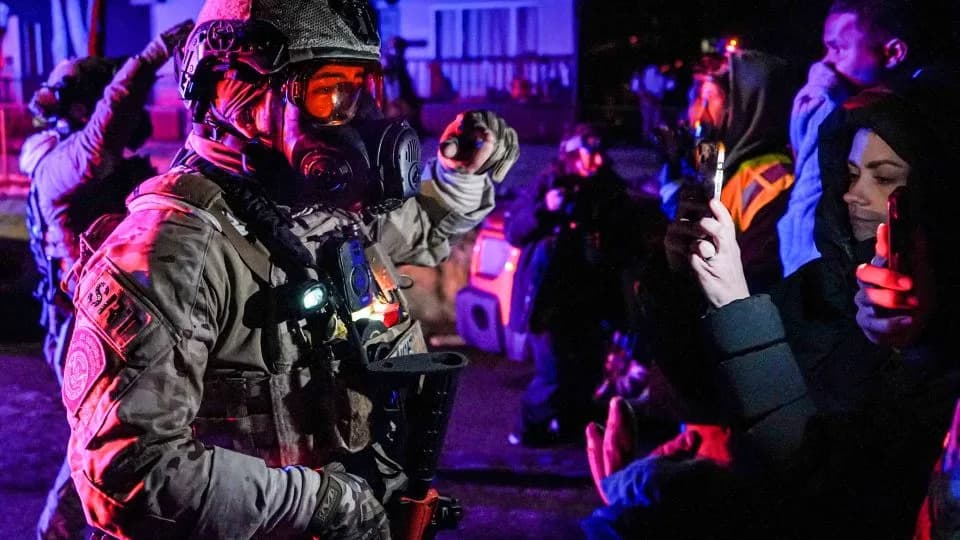
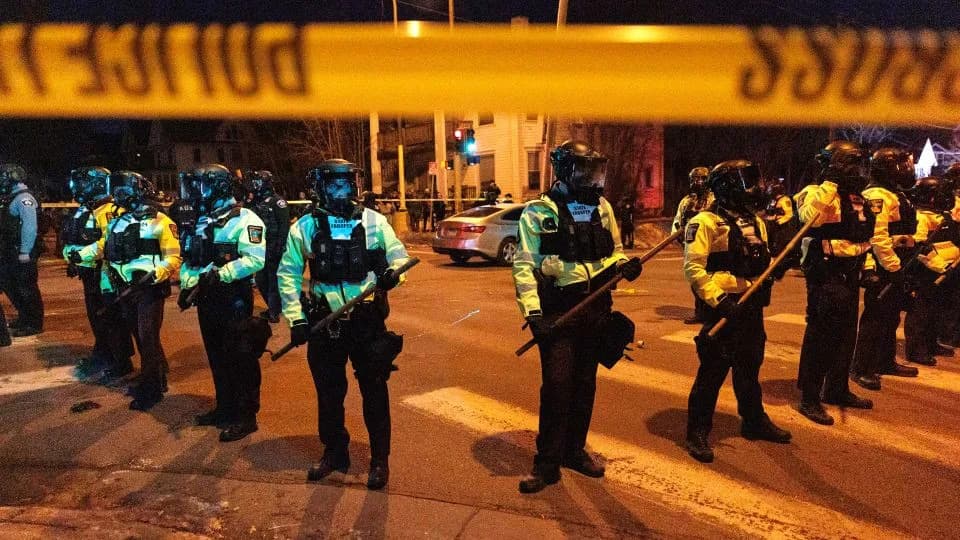
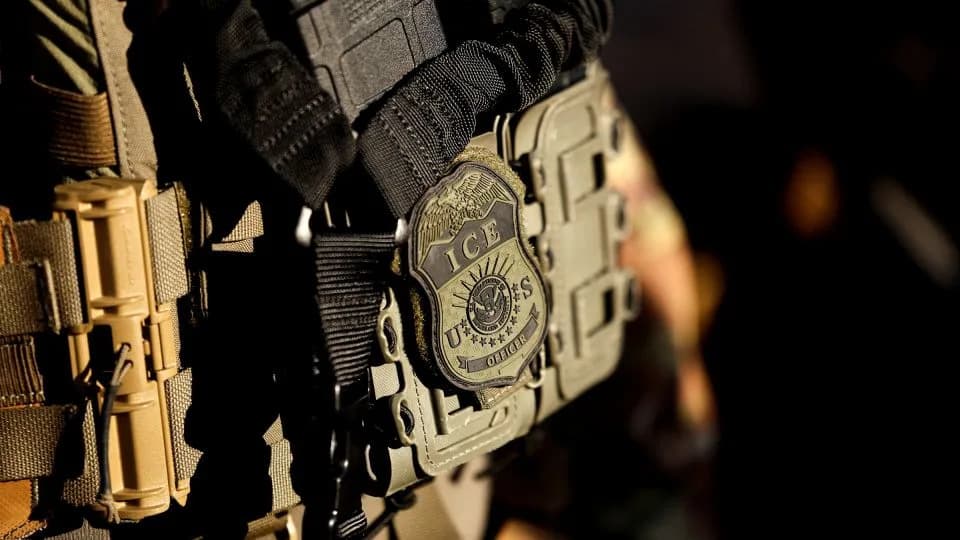
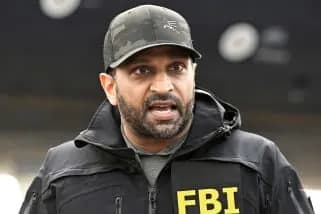
Mayes noted the practical problem in a television interview: masked federal officers sometimes wear plain clothes and provide little or no identification, while Arizona law allows people who reasonably believe their life is in danger to use lethal force without a duty to retreat. She clarified that "you're not allowed to shoot peace officers," but asked how a resident is supposed to tell whether someone in a mask and plain clothes is a law enforcement officer.
Legally, it is important to distinguish two doctrines frequently discussed in these situations. Stand Your Ground removes the duty to retreat when attacked in public spaces. Castle Doctrine specifically recognizes the right to defend oneself on private property, in a vehicle, or in the home. When agents force entry into a residence — whether ICE, local police, or another federal agency — Castle Doctrine is typically the legal framework most directly implicated.
High-Profile Cases and Risks
Juries have reached different conclusions in related cases involving forced entries. In 2014, a Burleson County, Texas, grand jury declined to indict Henry Goedrich Magee after he killed an officer who took part in a pre-dawn no-knock raid; officers had not properly identified themselves. By contrast, a Bell County, Texas, jury in 2023 convicted Marvin Guy of murder for an officer's death during a similar no-knock raid, although jurors rejected a capital murder charge. These outcomes underline how fact-specific and legally risky claims of self-defense against officers can be.
The St. Paul ICE Raid
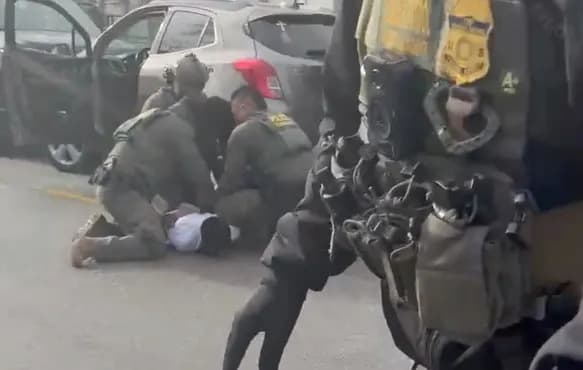
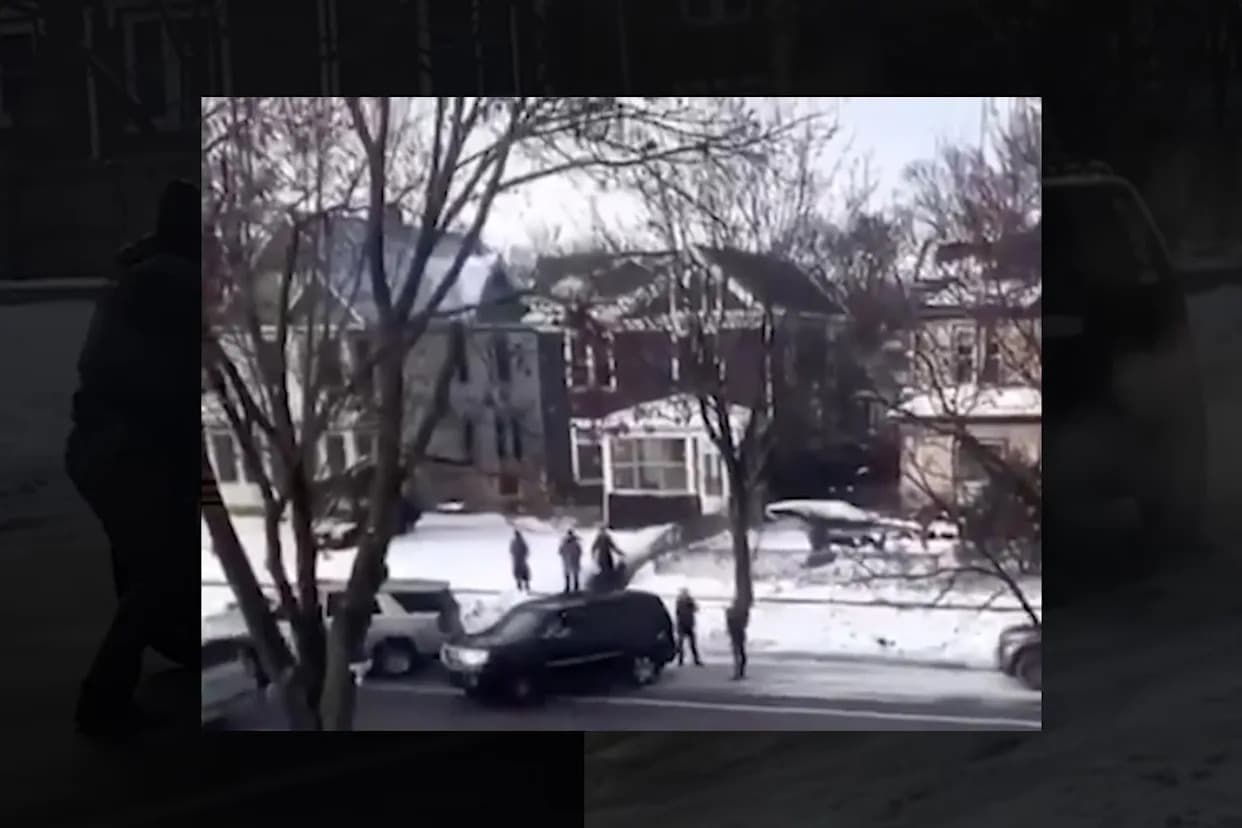
A recent ICE raid in St. Paul, Minnesota, illustrates why the issue resonates. According to CBS News, agents broke down the door of Chongly Scott Thao's home without a warrant, detained him at gunpoint, and led him outside in little more than a blanket. ICE later released Thao after determining they had targeted the wrong person. Observers argued that such errors and aggressive tactics could lead a frightened homeowner to use force in the moment.
History, Rhetoric, And Public Opinion
Advocates of broad gun rights often emphasize the Second Amendment's role as protection against tyranny or abusive government power. Historical figures are commonly cited: Alexander Hamilton wrote in Federalist No. 28 about self-defense as a last resort if representatives betray the people; Thomas Jefferson famously used the motto "Rebellion to tyrants is obedience to God" on his personal seal; and 19th-century jurist Joseph Story described the right to bear arms as a safeguard of liberty.
The rhetoric has sometimes included explicit calls for violent resistance. In 1995, radio host G. Gordon Liddy urged armed resistance to violent ATF raids — a controversial recommendation that remains part of the wider debate over how citizens should respond to abusive enforcement tactics.
How Americans See ICE
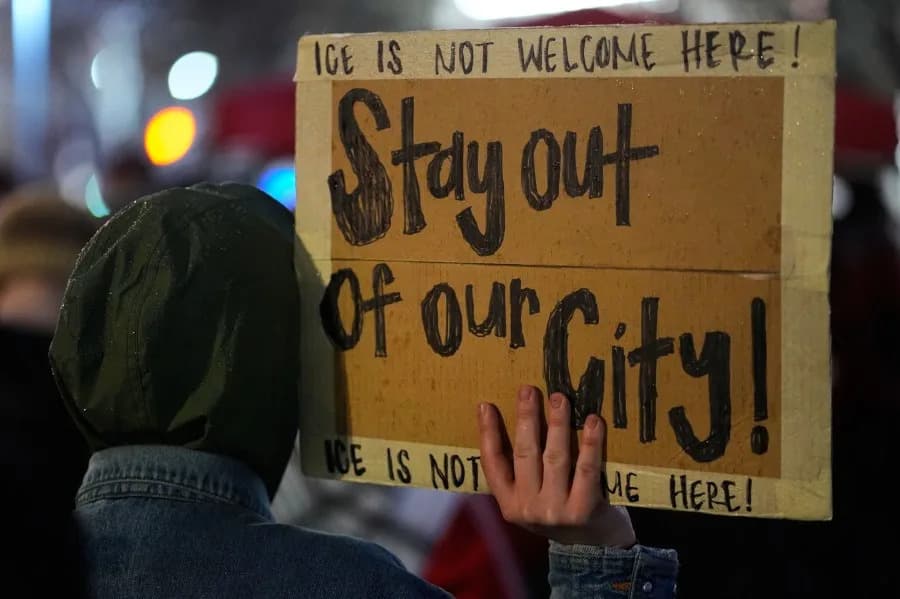
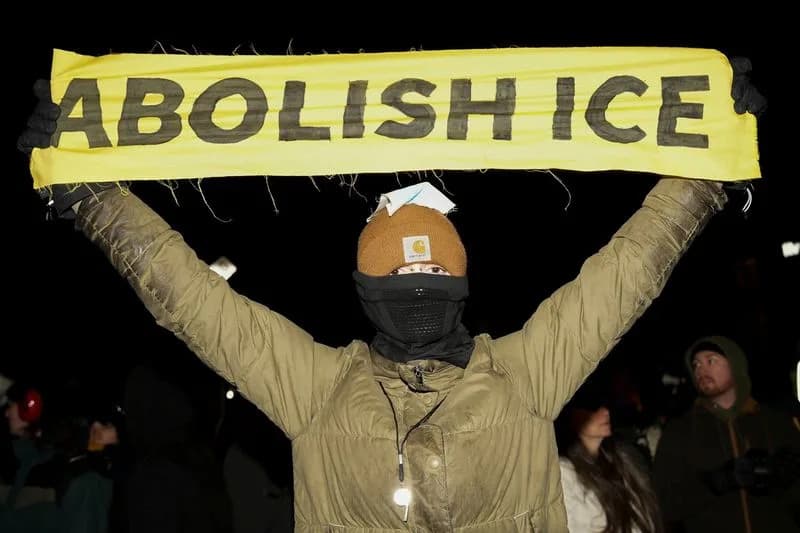
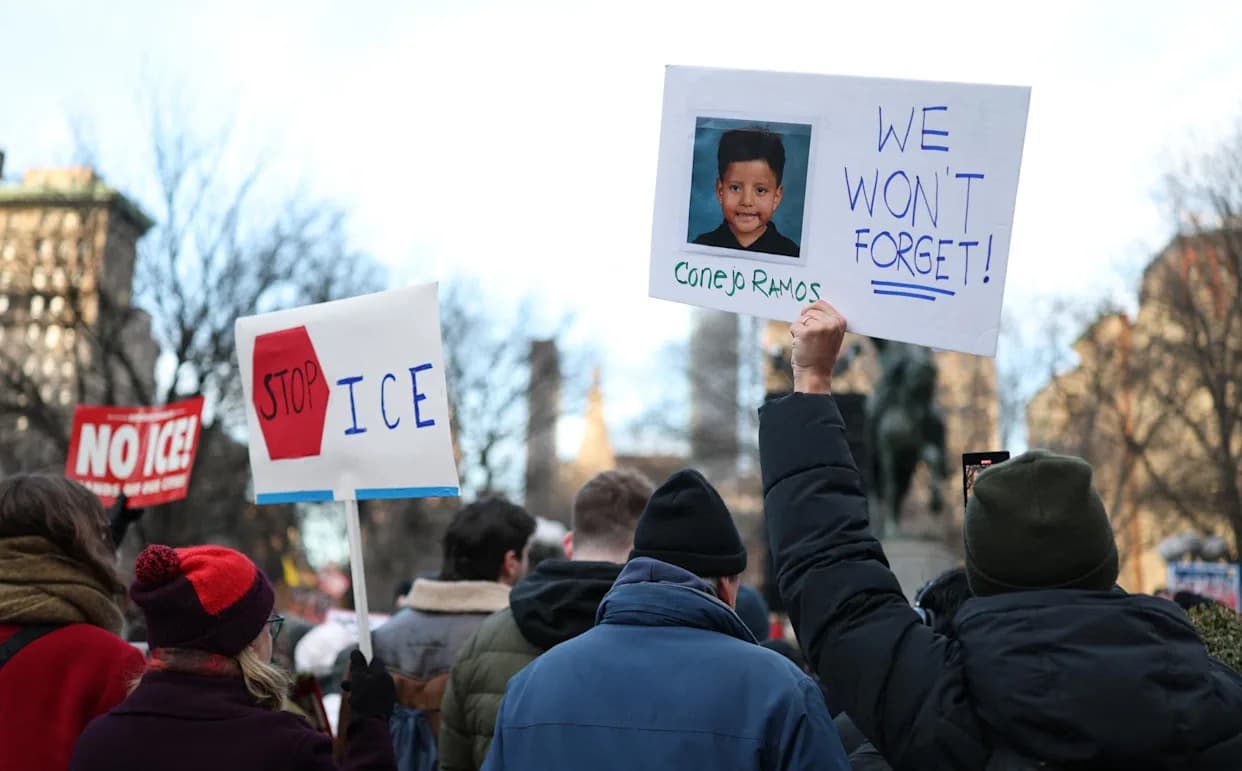
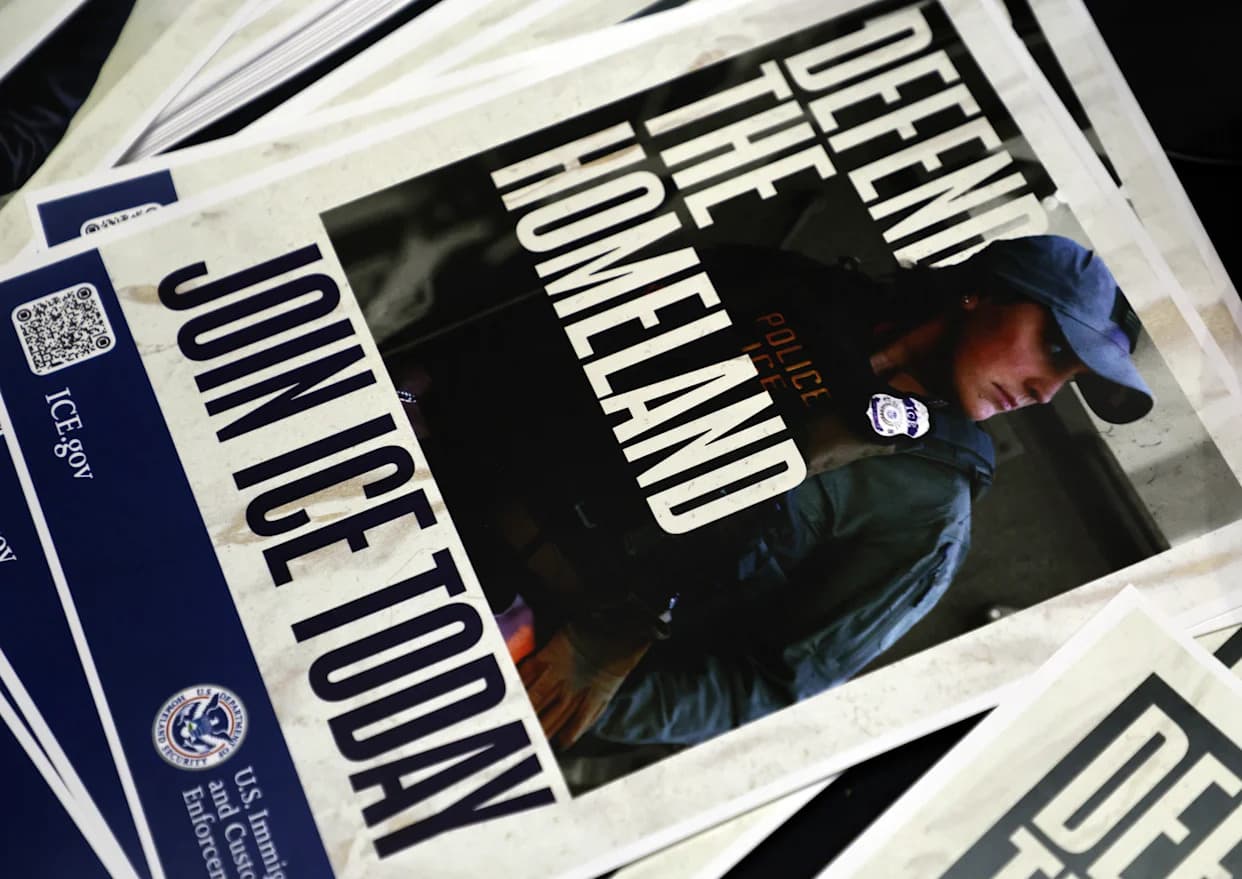
Polling shows broad public concern about ICE tactics. A CBS/YouGov survey cited in contemporary reporting found 61% of Americans say ICE is "too tough" in how it stops or detains people, and 52% say ICE operations make communities "less safe." Other polls reported 56% of respondents viewed the killing of Renee Good as unjustified, 47% approved of anti-ICE protests, and public opinion on abolishing ICE was evenly split (45% support vs. 45% oppose).
What This Means
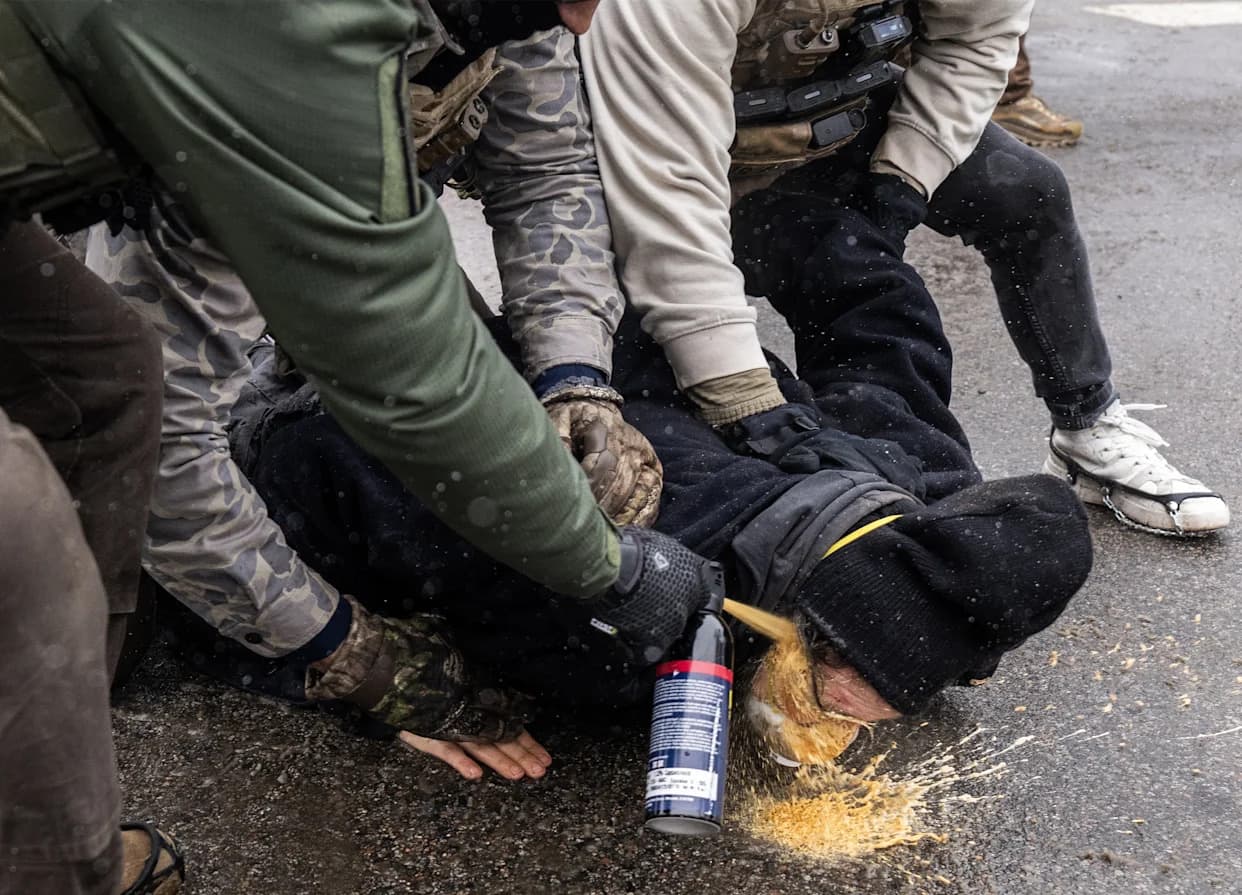
Events involving federal enforcement agencies — especially raids that involve forced entry, limited identification, or mistaken targets — raise practical and legal risks for both agents and civilians. While some see these incidents as evidence that an armed citizenry is a necessary check on government power, others highlight the danger of escalating violence, the legal peril of using force against officers, and the need for clearer identification and accountability from law enforcement agencies.
Bottom line: The debate is both legal and cultural. Distinguishing Stand Your Ground from Castle Doctrine, ensuring proper identification by officers, and reducing heavy-handed tactics can lower the risk of deadly confrontations — while the larger constitutional argument about resisting abusive government remains a live political question.