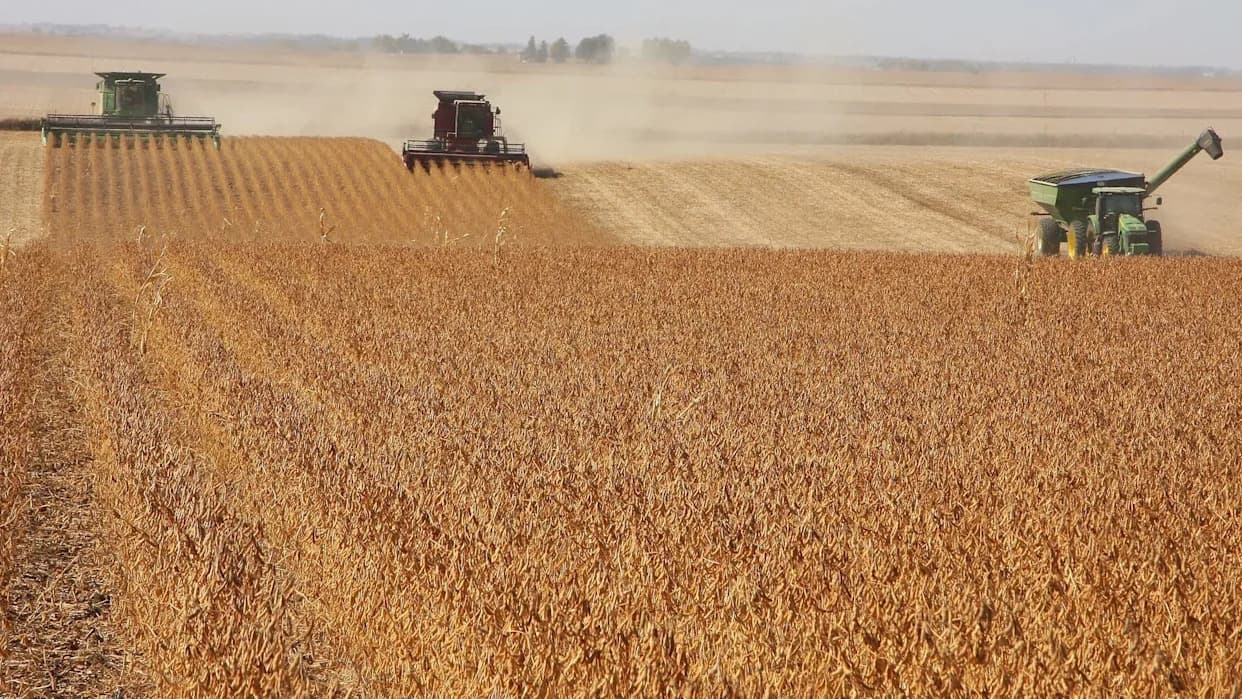
U.S. agriculture faces tighter export opportunities and rising consumer concerns about food affordability. Expanding renewable fuels — ethanol, biodiesel, renewable diesel and SAF — can create stable domestic demand for corn, soybeans and other feedstocks, reducing price volatility and lowering production costs. Policy actions include year-round E-15, clearer long-term signals, faster SAF approvals, interagency coordination, and partnerships with equipment manufacturers to boost productivity.
How Renewable Fuels Could Lower Food Prices and Stabilize U.S. Agriculture

American agriculture is at a pivotal moment. With few new free-trade agreements and global markets shaped by geopolitical tension, U.S. farmers face shrinking access to international buyers while consumers continue to grapple with food affordability. Prioritizing renewable fuels — ethanol, biodiesel, renewable diesel and sustainable aviation fuel (SAF) — can create large, stable domestic demand for corn, soybeans and other feedstocks, helping farmers, rural economies and shoppers alike.
Renewable Fuels Today: A Major Agricultural Market
Renewable fuels already support a significant share of U.S. agriculture. Ethanol production typically consumes about 40% of the U.S. corn crop, and biodiesel and renewable diesel depend heavily on soybean oil. As SAF production scales, demand for agricultural feedstocks is expected to rise substantially: federal projections show U.S. SAF production capacity could increase more than tenfold if planned facilities come online.
Why This Matters Now
Global agricultural trade has become increasingly volatile. Export restrictions, retaliatory tariffs and shifting alliances make foreign markets less reliable. A robust domestic market for renewable fuels offers an onshore alternative that is insulated from many geopolitical shocks and anchored by long-term energy and climate commitments.
Stability in demand matters for prices. When farmers have reliable markets, they plant more acres, invest in higher-efficiency equipment and realize economies of scale. Over time, increased supply and improved productivity tend to reduce per-unit production costs and dampen the price volatility that drives consumer food inflation.
Sustainable Aviation Fuel: A Strategic Opportunity
SAF is a near-term lever for airlines to cut lifecycle emissions, and carriers’ decarbonization commitments will require massive volumes. U.S. farmers are well positioned to supply many of the feedstocks — from corn-derived alcohols to soybean oil — that SAF producers will need.
Technology, Equipment and Rural Manufacturing
Domestic manufacturing of farm equipment and advances in precision agriculture are improving yields and soil health while optimizing feedstock production for biofuels. These technologies amplify the benefits of expanded renewable fuels by raising productivity and supporting a domestic equipment industry.
Policy Steps That Can Unlock Benefits
- Signal Long-Term Policy Certainty: Clear, durable policy signals encourage private investment in biodiesel, renewable diesel, ethanol and SAF.
- Enable Year-Round E-15: Support for nationwide year-round sale of E-15 (already backed by the administration) could, if enacted by Congress, unlock demand for up to 2 billion additional bushels of corn.
- Speed Approvals and Deployment: Accelerated, transparent approval pathways for new SAF and renewable diesel technologies will help producers scale faster.
- Coordinate Federal Programs: Aligning the Department of Agriculture, Department of Energy and Department of Transportation programs can better support infrastructure, feedstock development and supply chains.
- Partner With Equipment Makers: Work with the U.S. equipment industry to promote adoption of machinery and precision technologies that increase yields and processing capacity.
Conclusion
Prioritizing renewable fuels is more than an energy policy: it is a strategy to revitalize American agriculture, strengthen rural manufacturing and ease the financial burden on consumers. In an era of geopolitical uncertainty, renewable fuels can provide a rare commodity — stability — that benefits farmers, families and communities across the United States.
About the author: Kip Eideberg is Senior Vice President of Government & Industry Relations for the Association of Equipment Manufacturers.
Copyright 2026 Nexstar Media, Inc. All rights reserved.
Help us improve.