Former special counsel Jack Smith told the House Judiciary Committee his probe produced evidence "beyond a reasonable doubt" that Donald Trump engaged in criminal conduct tied to efforts to overturn the 2020 election. The hearing followed an eight-hour closed-door interview and concentrated on Smith's decision to obtain phone toll records for calls linked to Trump allies — metadata he said was needed to reconstruct a court timeline. Smith said none of the senators whose records were sought were targets and rejected First Amendment defenses for alleged fraud. He also noted he completed reports and resigned after citing precedent that limits prosecuting a sitting president.
Smith Tells House Panel: Investigation Found Evidence Trump Committed Crimes in 2020 Election Effort
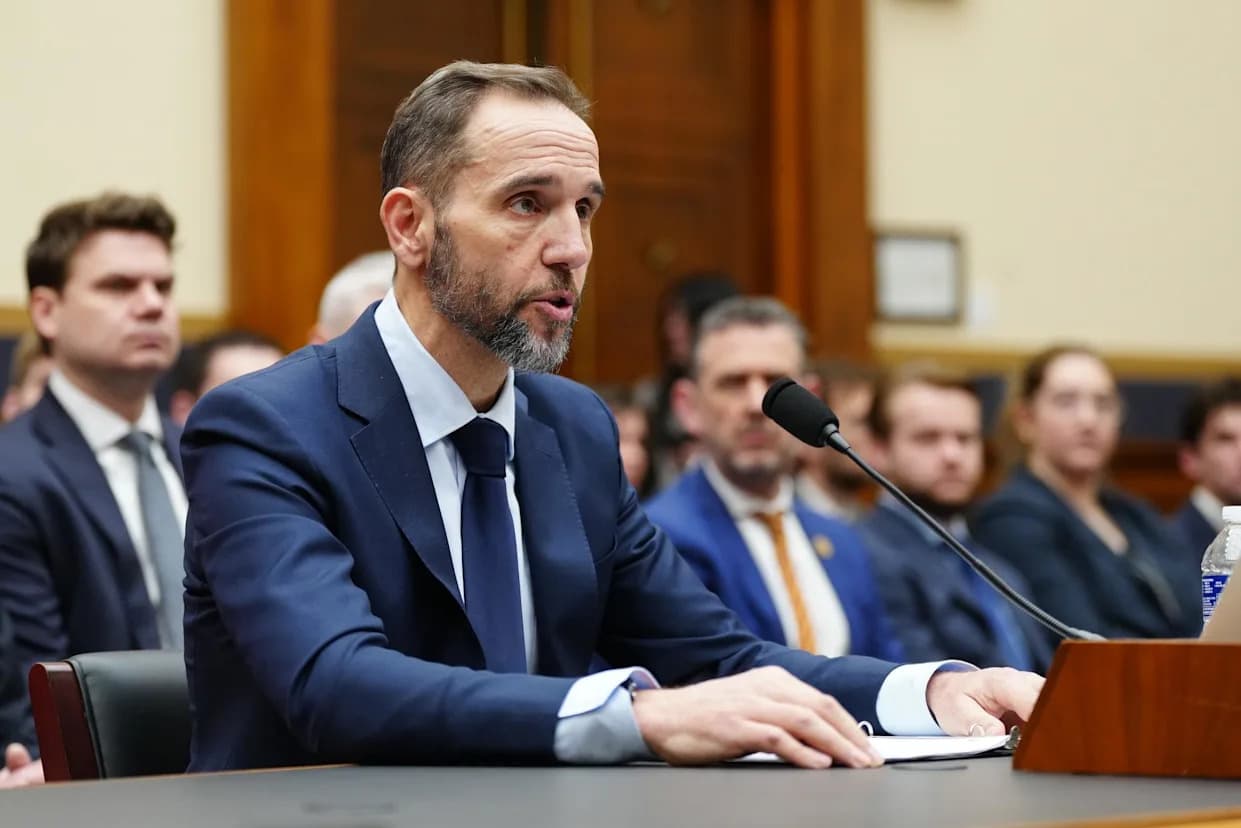
Former special counsel, Jack Smith, testifies against Donald Trump at a House oversight hearing on Capitol Hill in Washington DC on Thursday.Photograph: Bonnie Cash/UPI/Shutterstock(Photograph: Bonnie Cash/UPI/Shutterstock)
Jack Smith, the former special counsel, testified publicly before the House Judiciary Committee that his investigation produced evidence showing former President Donald Trump engaged in criminal activity connected to efforts to overturn the 2020 election.
Hearing Overview
The public hearing followed an eight-hour closed-door interview in December in which Smith defended his decisions to bring charges against Trump and to seek phone metadata tied to Trump allies in Congress. Smith said his office developed proof "beyond a reasonable doubt" that Trump engaged in criminal conduct related to the post-2020 election effort.
Toll Records And The Election Case
Republican members of the committee focused their questions on Smith's decision to obtain so-called toll records (call metadata) for calls involving Trump, his lawyers, and at least nine Republican senators who were pressured to halt certification of the election results. Smith emphasized that toll records do not capture the content of calls; investigators sought the metadata to reconstruct timelines for court proceedings. He also stressed that none of the senators whose metadata was obtained were targets of the criminal probe.
"I did not choose those members, President Trump did,"
Smith said, attributing the selection of lawmakers whose records were requested to Trump and his legal team.
Legal and Constitutional Arguments
Smith pushed back on claims that the metadata request was protected by the First Amendment, arguing that knowingly false statements intended to defraud or obstruct a lawful government function are not protected speech. "He was free to say that he thought he won the election — he was even free to say falsely that he won the election," Smith said. "But what he was not free to do was violate federal law and use knowingly false statements about election fraud to target a lawful government function."
Other Case Details
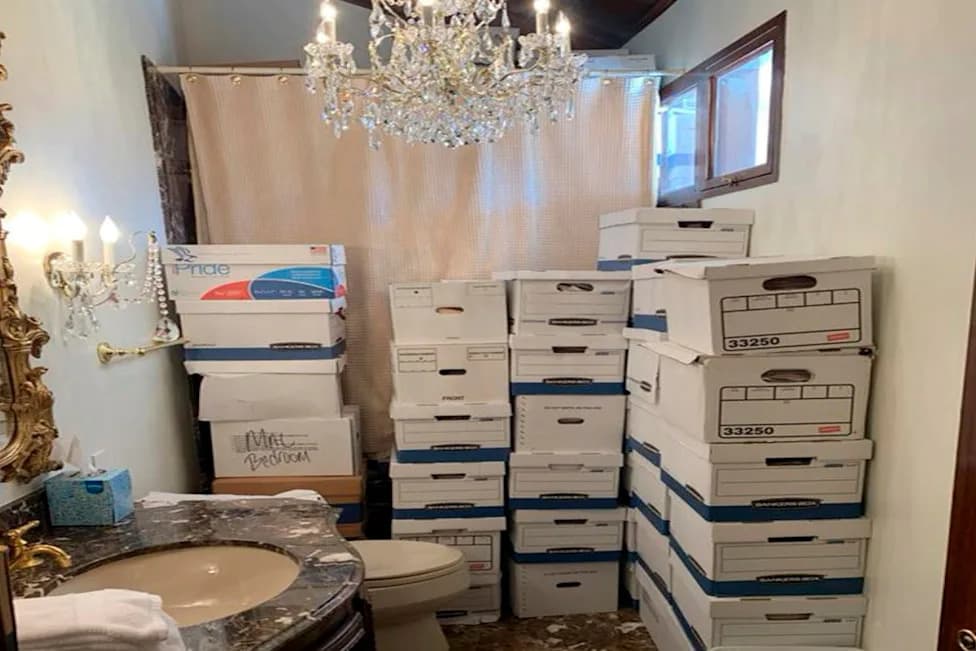
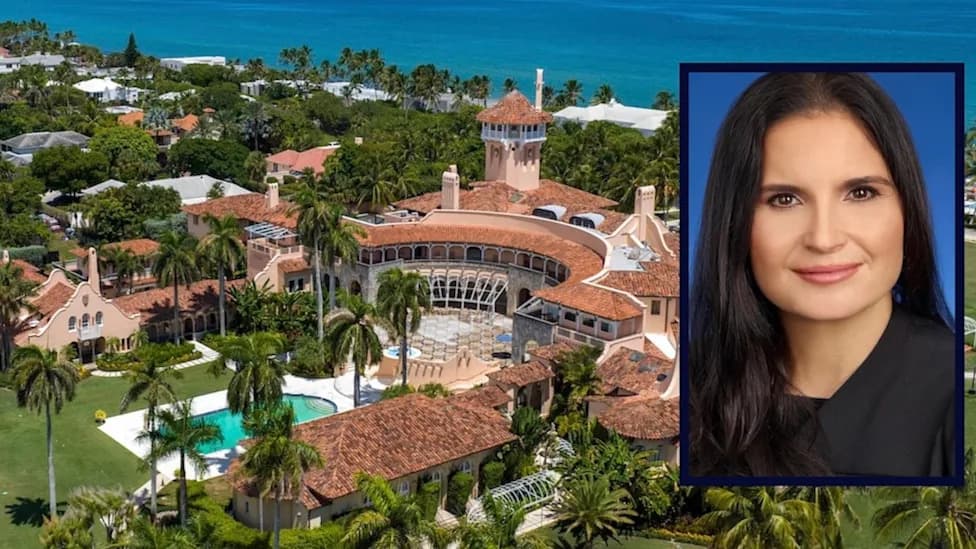
Smith was appointed in late 2022 to oversee two Justice Department investigations that had already been opened: the probe into classified documents found at Mar-a-Lago and the inquiry into attempts to overturn the 2020 election. After Trump won re-election, Smith said he declined to pursue criminal prosecutions while a president was in office, citing judicial precedent and Department of Justice practice; he completed reports on both matters and resigned before the new administration took office.
Much of the December interview — and the public testimony — centered on the election-interference investigation. Smith declined to answer questions about the classified-documents inquiry on the grounds that U.S. District Judge Aileen Cannon in Florida had limited release of his report in that matter after dismissing the case.
Reaction And Next Steps
Trump has publicly demanded Smith be prosecuted for conducting the investigations, but lawmakers at the hearing did not point to an obvious misstatement or misconduct by Smith that would warrant a criminal referral to the Justice Department. Smith's attorney, Lanny Breuer, said his client welcomed the opportunity to defend the investigations in public and reiterated Smith's willingness to answer questions about the probes.
Help us improve.