Frigid weather across much of the U.S. forced grid operators to elevate emergency measures as demand surged and fuel constraints emerged. PJM experienced a brief spike above $3,000/MWh, while older generators were brought online to meet load. MISO declared an emergency and imported power from PJM; New England sharply increased oil-fired generation to 35% as natural gas supplies tightened. ERCOT faces a major challenge but appears better prepared than during the 2021 blackout.
Frigid Freeze Pushes U.S. Power Grids to the Brink: Prices Spike, Emergency Measures Activated
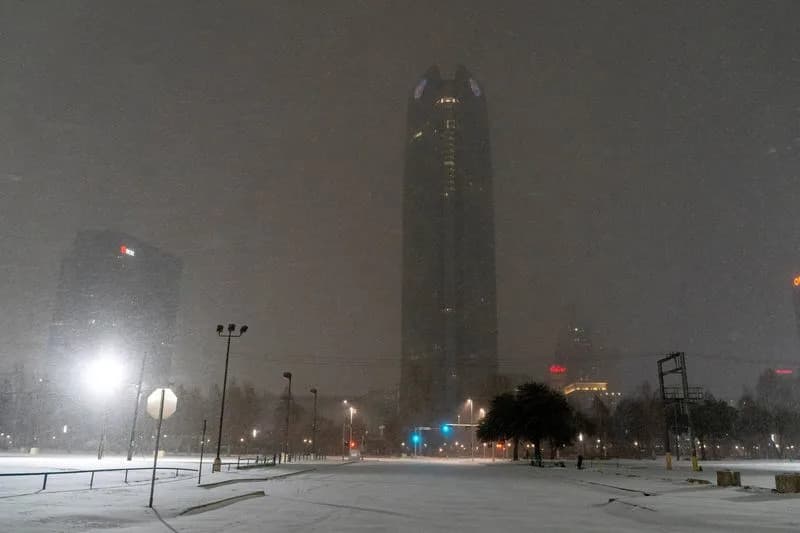
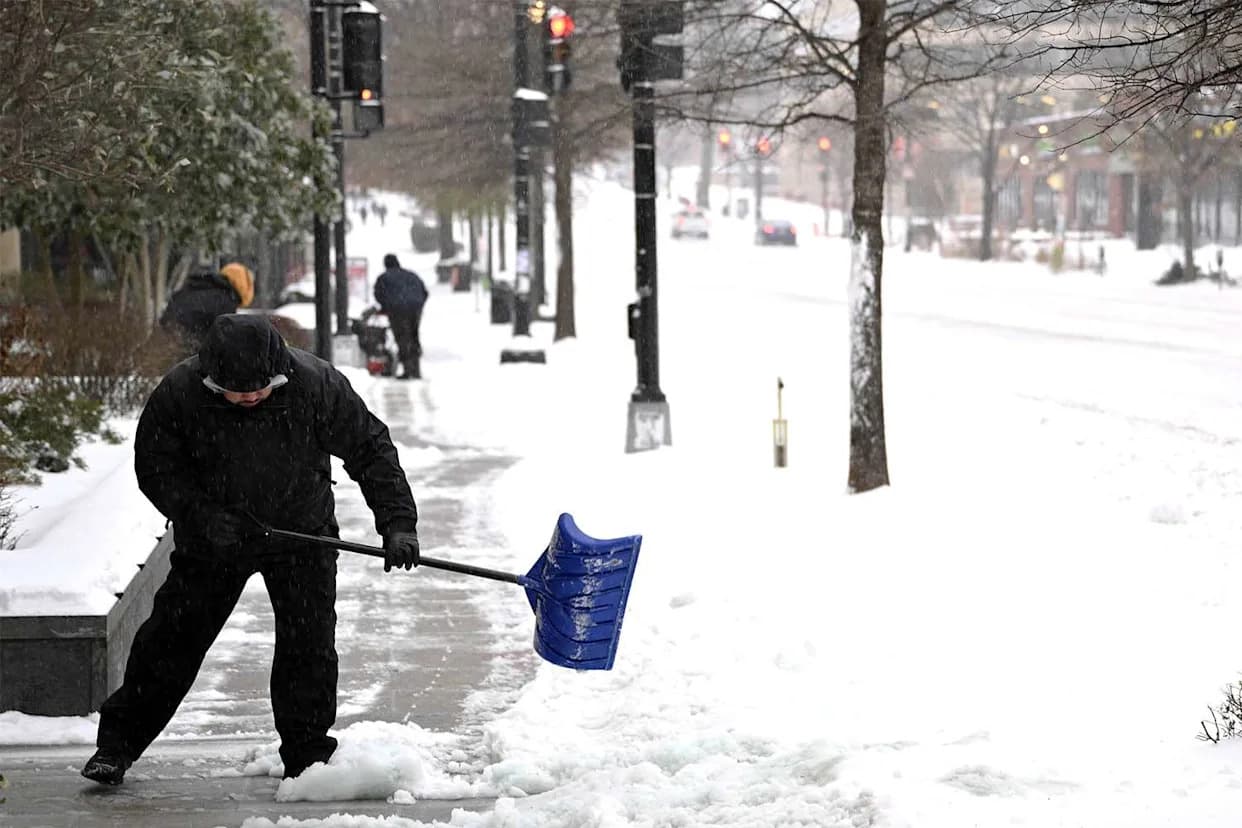
Snow falls over downtown as Winter Storm Fern arrives in Oklahoma City, Oklahoma, U.S. January 23, 2026. REUTERS/Nick Oxford
BOSTON, Jan 24 (Reuters) — A severe cold snap covering roughly half of the U.S. population forced regional grid operators on Saturday to ramp up emergency precautions to avoid rotating blackouts as demand surged and fuel constraints intensified.
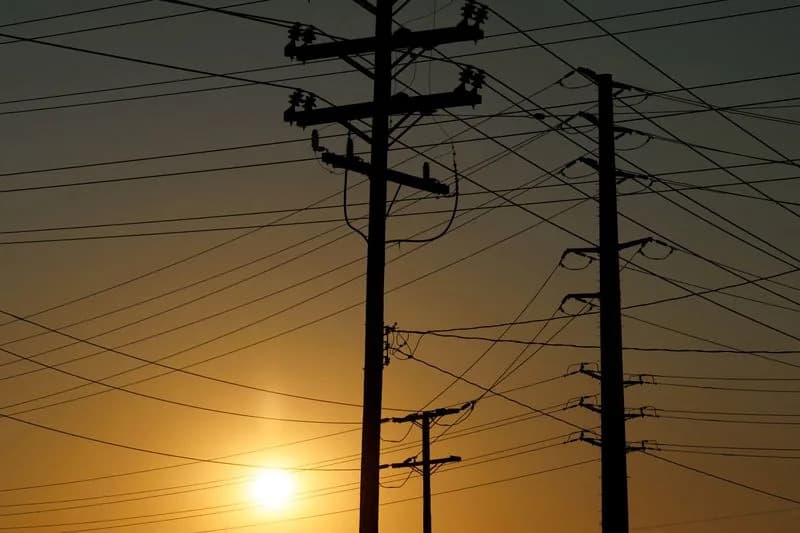
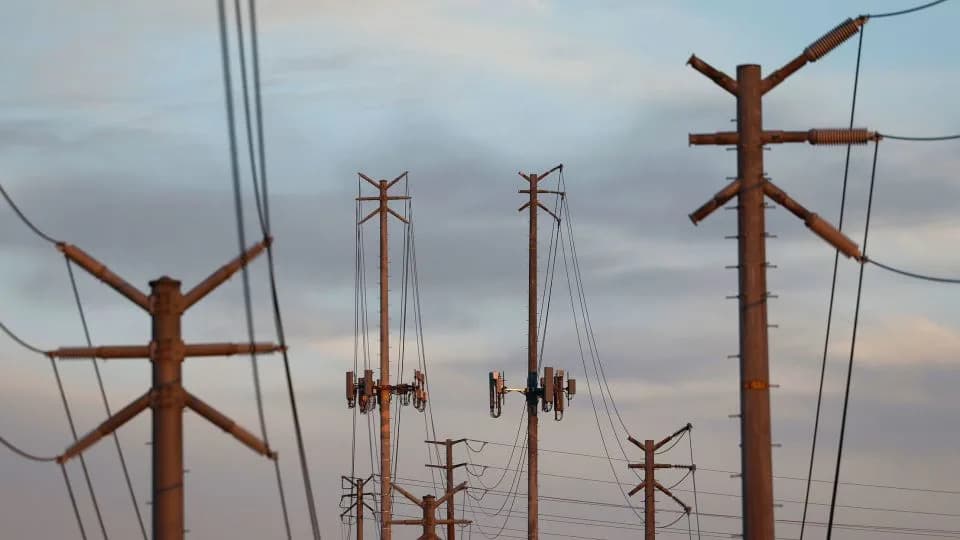
The PJM Interconnection, the nation's largest regional grid serving about 67 million customers across the East and Mid-Atlantic, recorded short-lived spot wholesale electricity prices above $3,000 per megawatt-hour on Saturday morning after trading under $200 per MWh earlier in the week. The spike reflected intense, localized strain on supply and transmission.
Older, seldom-used generators were brought online to capitalize on elevated prices and to meet unexpectedly high loads. "A 40-year-old gas turbine switches on because it sees these super-high prices," said Georg Rute, CEO of grid software firm Gridraven and an expert on weather impacts to transmission capacity, noting such actions are a clear sign of system stress.
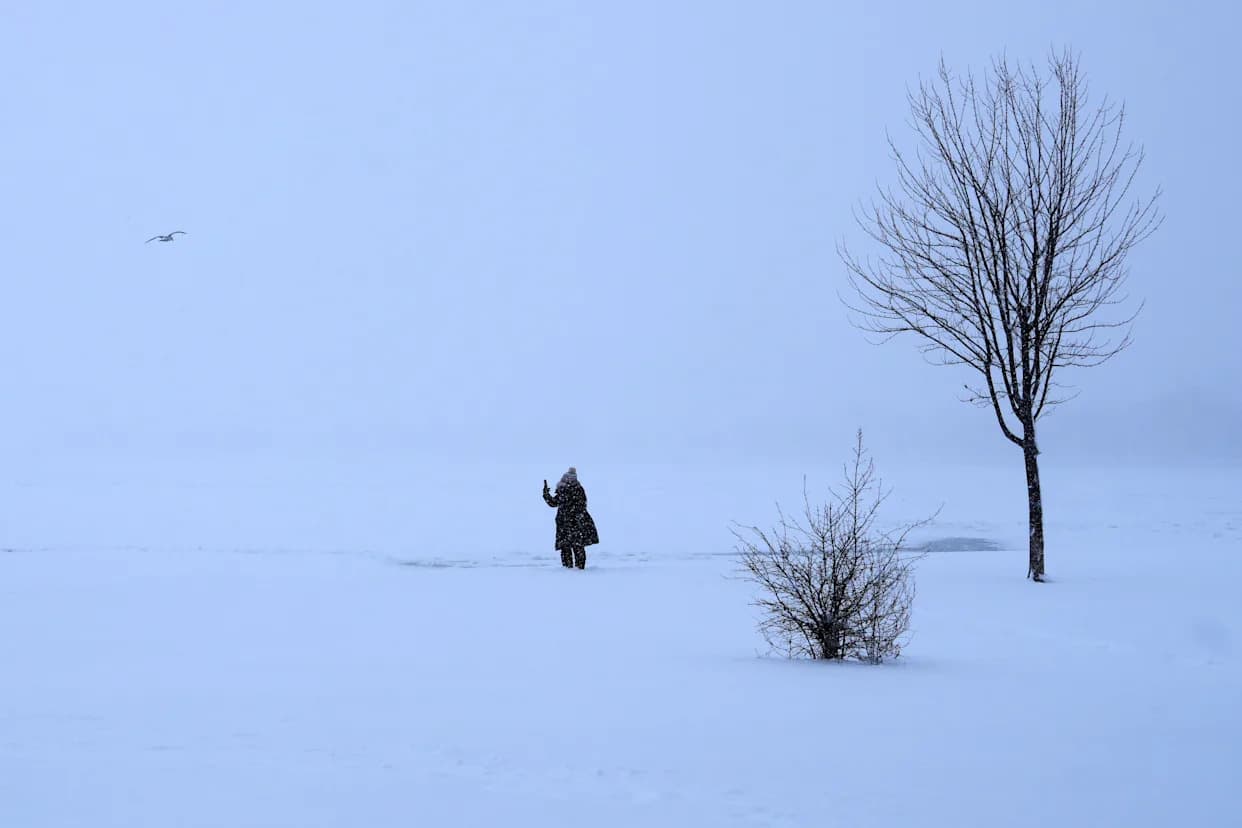
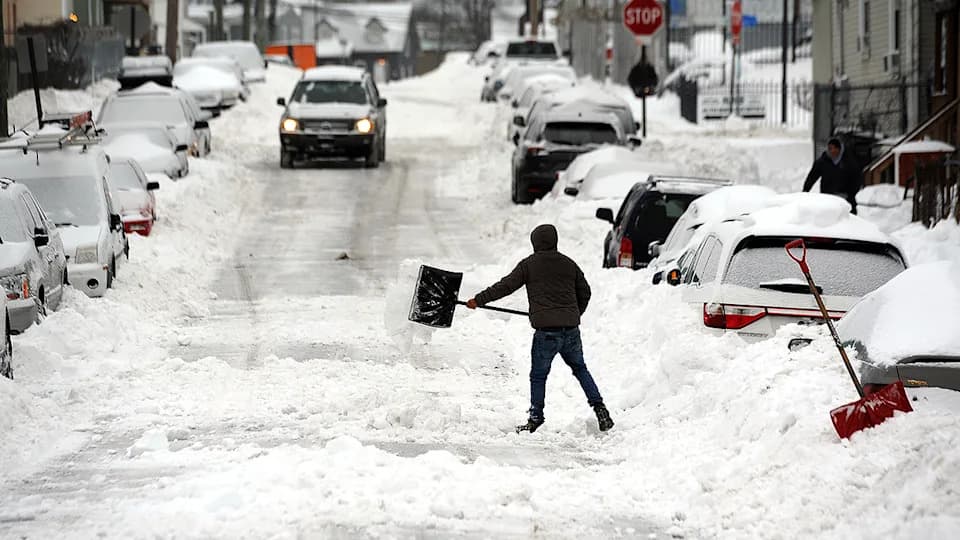
Stormy conditions and temperatures near 0°F (-18°C) boosted electricity demand across multiple regions and contributed to curtailments of natural gas production in key basins. Grid operators also faced constraints in pipeline gas deliveries to generators, prompting calls for increased output from coal and gas plants.
Grids Face Strain
The Midcontinent Independent System Operator (MISO) ordered plants in its footprint — spanning 15 U.S. states and Manitoba, Canada — to maximize output and curtailed exports to preserve local supply. Over the prior 24 hours, MISO imported several thousand megawatts from PJM to help meet surging load.
MISO declared an all-hands emergency after freezing conditions forced some units offline or to reduce output. Spot prices in MISO's Minnesota hub approached $500 per MWh amid transmission bottlenecks across high-voltage lines, while prices in MISO's southern region remained below $50 per MWh, underscoring regional disparities.
In New England, operators ramped up fuel-oil generation to conserve natural gas, the region's primary fuel. Early Saturday, oil-fired plants supplied about 35% of New England's output — compared with a typical share near 1% — while natural gas accounted for roughly 22%. Spot prices in New England exceeded $300 per MWh, about double Friday's levels.
Texas Grid Under Scrutiny
The winter storm represents the biggest test for the Electric Reliability Council of Texas (ERCOT) since the deadly 2021 freeze that left millions without power and was associated with more than 200 deaths after the grid lost roughly half of its generation capacity. Since then, regulators have tightened winter-readiness rules for utilities and grid operators.
Rute said ERCOT appears better prepared this time thanks to ample fossil-fuel generation, significant wind and solar contributions, and increased battery storage, but cautioned that "no blackout happens the same way twice."
Preparations And Response
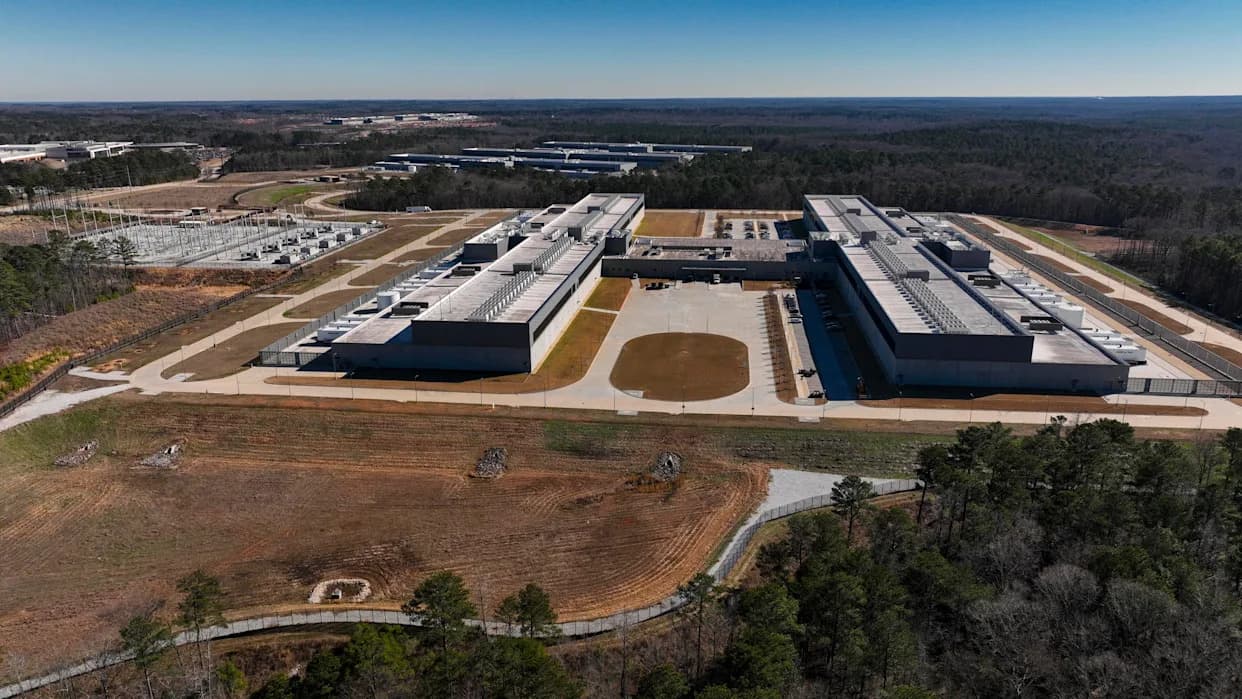
Utilities have staged repair crews in anticipation of ice and snow damage to low-voltage distribution lines that serve homes and businesses. Dominion Energy warned that a heavy ice event could rank among the largest winter incidents for its Virginia service area, which supplies power to one of the world's largest concentrations of data centers.
Bottom line: Operators are juggling tight fuel supplies, transmission constraints and extreme weather to keep lights on. Short-term price spikes and emergency actions reflect stress but, for now, widespread rotating blackouts have been avoided.
(Reporting by Tim McLaughlin; Editing by Jan Harvey, Liz Hampton and Rod Nickel)
Help us improve.