The Network Contagion Research Institute reports a rise in "assassination culture" — public tolerance for politically motivated violence — in a national nonprobability survey of more than 1,000 people. The increase is especially pronounced among women and is associated with heavy social media use and pessimism about the United States as an "empire in decline." The survey found higher acceptance on the left (67%) than the right (54%) and emphasizes that it measured tolerance, not intent. Researchers and the White House called for reducing violent rhetoric and addressing this civic concern.
Study Finds Rising 'Assassination Culture' in the U.S., With a Notable Increase Among Women

'Assassination culture' is on the rise, especially among women, study warns
"Assassination culture," a term researchers use to describe public tolerance for politically motivated violence, appears to be rising in the United States, according to a new national nonprobability survey conducted by the Network Contagion Research Institute (NCRI). The increase is reported to be particularly pronounced among women and is linked in the study to heavy social media use and growing pessimism about the country's future.

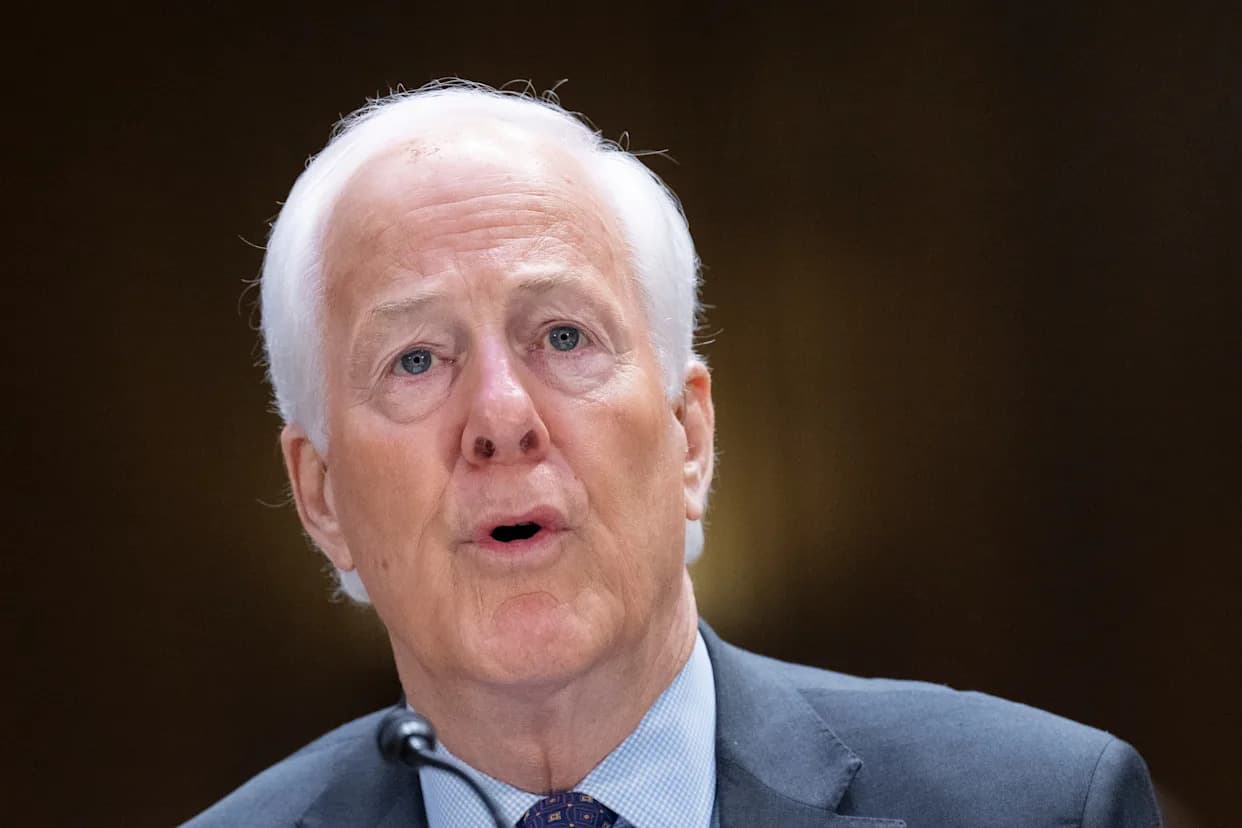
Charlie Kirk, founder of Turning Point USA, throws hats to the public on May 1, 2025, at UC San Diego's Town Square.(Getty Images)
Key Findings
The NCRI surveyed more than 1,000 respondents and measured attitudes toward political violence using a zero-to-six scale in which zero meant violence was completely unjustified and six meant it was completely justified. The survey focused in part on attitudes toward two public figures: President Donald Trump and New York City Mayor Zohran Mamdani.
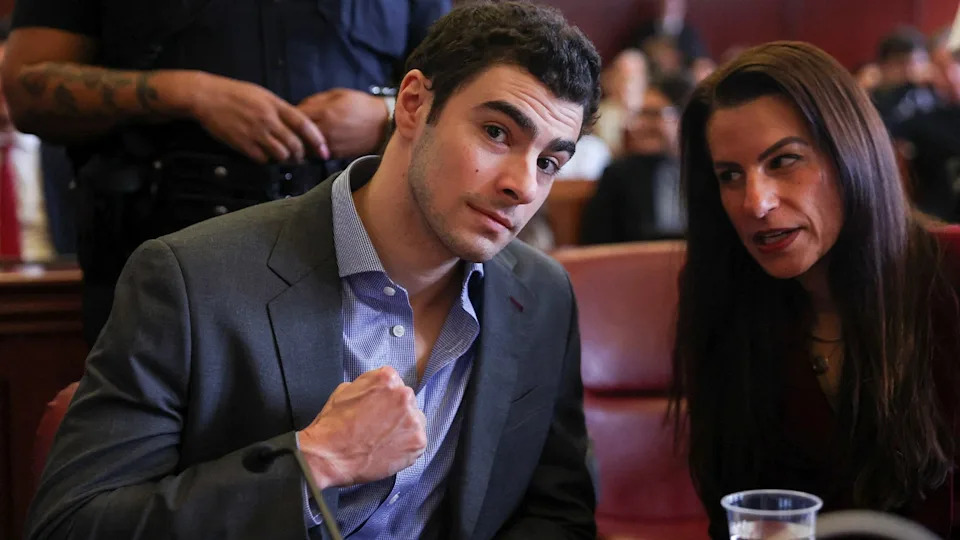
Luigi Mangione appears in Manhattan Supreme Court during a hearing in the murder case of UnitedHealthcare CEO Brian Thompson in New York, New York, on Dec. 8, 2025.
According to the report, 67% of respondents who identify as left-of-center indicated some acceptance that murder could be justified for political reasons, compared with 54% of right-of-center respondents. Overall, women were roughly 15% more likely than men to express tolerance for politically motivated violence (with increases of about 14.8% regarding Trump and 21.2% regarding Mamdani in the survey results).
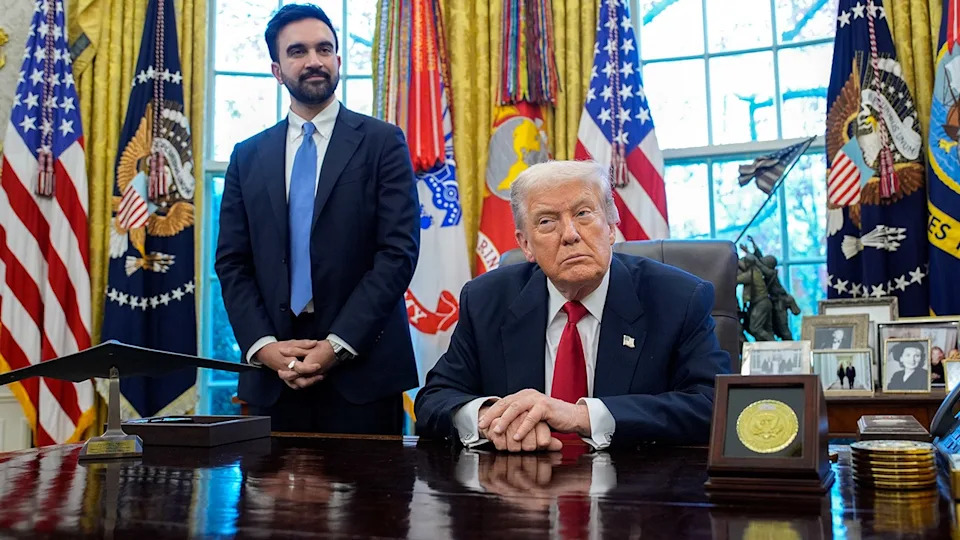
Zohran Mamdani, then the mayor-elect of New York, and President Donald Trump are seen during a meeting in the Oval Office of the White House in Washington, D.C., on Friday, Nov. 21, 2025.
Demographic Patterns And Correlates
Researchers identified three common traits among respondents most likely to condone political violence: heavy social media use, belief that the United States is "an empire in decline," and a higher likelihood of being female. Older respondents were less likely to condone political assassination; conservative men were the least approving group, while liberal women were the most likely, according to NCRI director Joel Finkelstein.

UnitedHealthcare CEO Brian Thompson is pictured in an undated portrait provided by UnitedHealth. The executive was shot from behind and killed on his way to an investor conference in New York City in what prosecutors have described as a politically motivated assassination.
"I thought we'd be seeing a bunch of guys who were unemployed who'd be endorsing this," said Joel Finkelstein, director of the NCRI, noting that the demographics of those expressing tolerance surprised the research team.
Context And Recent Incidents
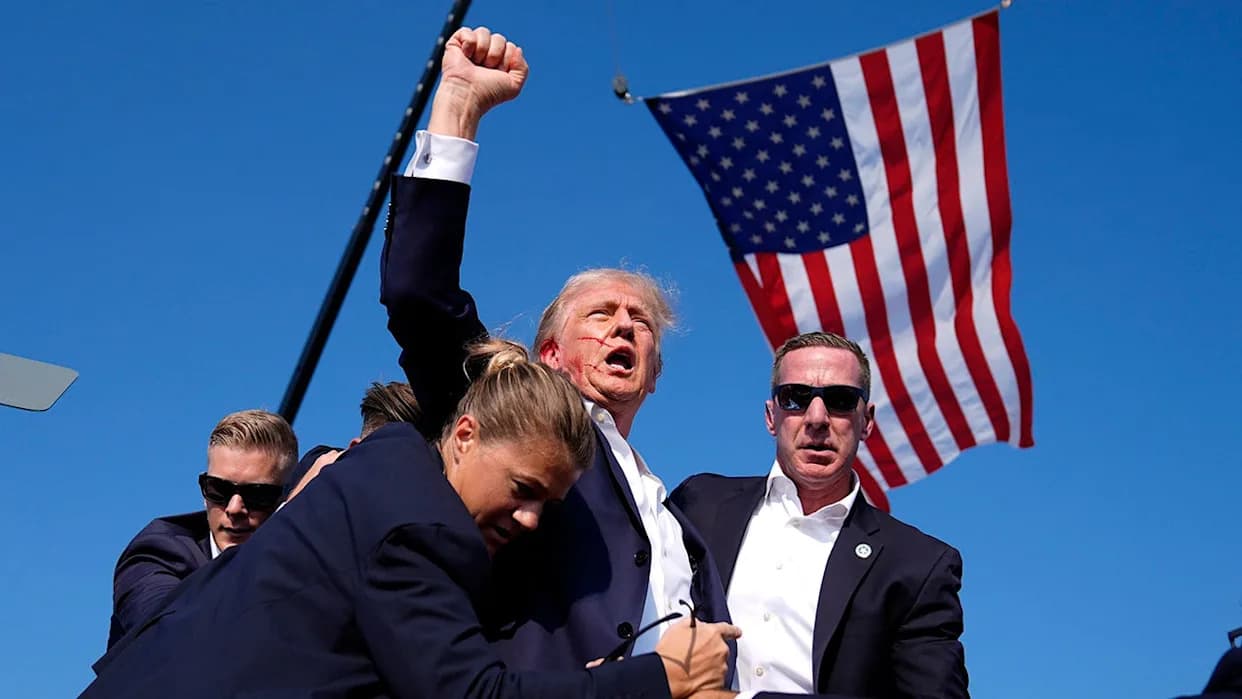
The NCRI has been tracking what it calls "assassination culture" for months. The report and subsequent coverage reference recent high-profile violent incidents, including the fatal shooting of UnitedHealthcare CEO Brian Thompson — for which Luigi Mangione has been charged and pleaded not guilty — the fatal shooting of Turning Point USA founder Charlie Kirk, and two failed attacks on President Trump. The survey measured tolerance for violence rather than intent to commit violent acts.
Responses And Interpretation
The White House responded to the string of attacks and the NCRI findings by calling for an end to violent rhetoric. A White House spokeswoman emphasized the importance of upholding free speech, the rule of law and civic values. Finkelstein framed the survey results as a broader moral and civic challenge, warning that heavy social media use among young people and a deterioration in civic trust may be contributing to rising tolerance for political violence.
Methodological Note And Caution
Because the survey is nonprobability-based, its results cannot be straightforwardly generalized to the entire U.S. population the way a probability-based national poll can. The study reports correlations (for example, between social media use and tolerance for political violence) but does not establish direct causation. These limitations are important when interpreting the findings.
Bottom Line: The NCRI's survey raises concerns about increasing tolerance for politically motivated violence, highlights unexpected demographic patterns — especially among women — and points to social and cultural factors that researchers say merit further study and civic attention.
Help us improve.