
High-profile crimes in 2025 — including the assassination of Charlie Kirk, an ISIS-inspired New Orleans attack, campus slayings at Brown University, and the Karen Read retrial — exposed deep divisions across U.S. society. These cases spurred debates about political violence, radicalization, confidence in law enforcement and campus safety. In many instances, viral video and nonstop coverage amplified fear and shaped public opinion before all facts were known.
Year of Fractures: How 2025’s High-Profile Crimes Exposed Deep Divisions in America

Charlie Kirk’s final book is a "manifesto against the machine of modern life," encouraging his followers to "stop in the name of God" and honor the Sabbath.
The most compelling criminal stories of 2025 did more than chronicle violent acts and courtroom drama — they highlighted fractures in public life around political violence, radicalization, institutional trust and campus safety. Together, these cases kept millions of Americans glued to news feeds and social platforms while prompting broader debates about who is protected, who is believed and how institutions respond when trust breaks down.

Shamsud-Din Jabbar is pictured in an undated photograph released by the FBI after he attacked New Orleans' Bourbon Street with a pickup truck and died in a shootout with responding officers.
Charlie Kirk’s Assassination and Political Violence in the Social Media Age
On Sept. 10, Turning Point USA founder Charlie Kirk was shot during a speaking event at Utah Valley University. The sniper-style killing, captured on video and widely circulated online, shocked viewers and intensified debates about political rhetoric, security at public events and the viral spread of violent imagery.
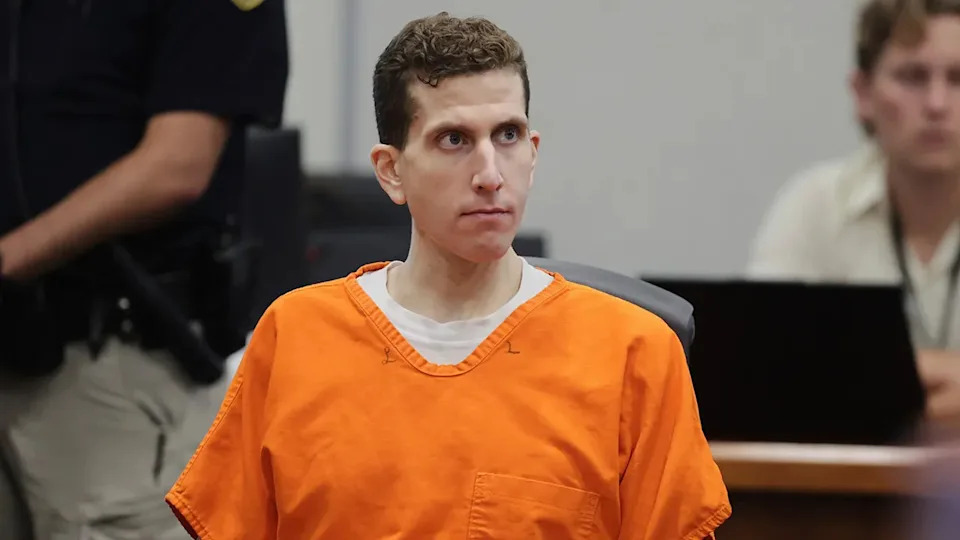
Bryan Kohberger appears at the Ada County Courthouse for his sentencing hearing, Wednesday, July 23, 2025, in Boise, Idaho, for brutally stabbing four University of Idaho students to death.
'It’s one of those moments that is so shocking to your system and yet it’s going to change everything,' said defense attorney and commentator Joshua Ritter. 'The video of his assassination lives on the internet forever in stark violence.'
Authorities arrested Tyler Robinson days later in southern Utah. Prosecutors say he sent messages and left a note suggesting he acted because of hostility toward Kirk’s views. The case raised questions about how political grievances translate into violence and how social media amplifies both threats and the footage that follows.
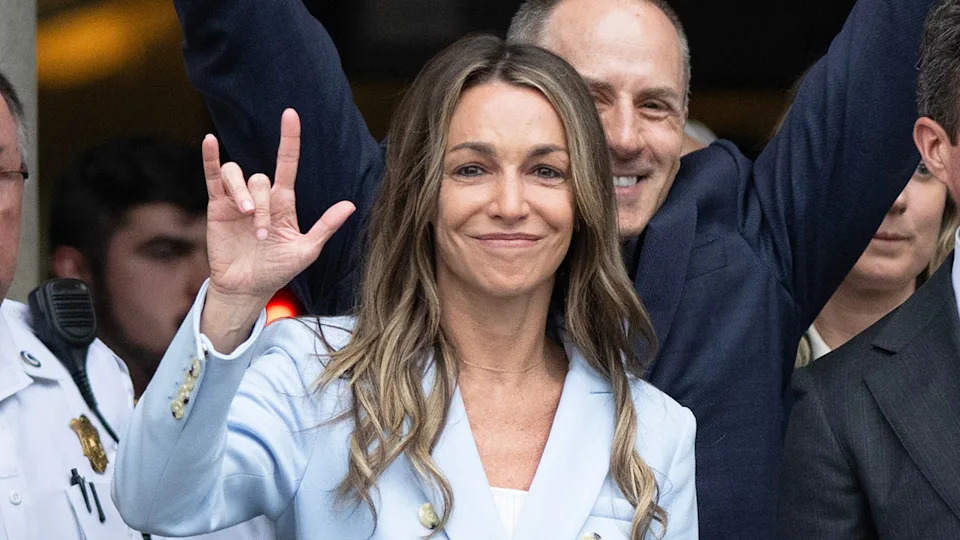
Karen Read exits Norfolk County Superior Court in Dedham, Mass., on Wednesday, June 18, 2025. Read was found to be not guilty of the murder of her boyfriend, John O'Keefe.
ISIS-Inspired New Orleans Attack
The New Year began with a deadly, ISIS-inspired attack in New Orleans that killed 14 people when a driver accelerated into crowds on Bourbon Street while displaying an extremist flag. The accused, identified as Shamsud-Din Jabbar, died in an exchange with law enforcement. Investigators later said Iraqi authorities had detained an alleged ISIS recruiter who may have encouraged the attack, underscoring the continuing risk posed by global extremist propaganda and lone-actor violence.
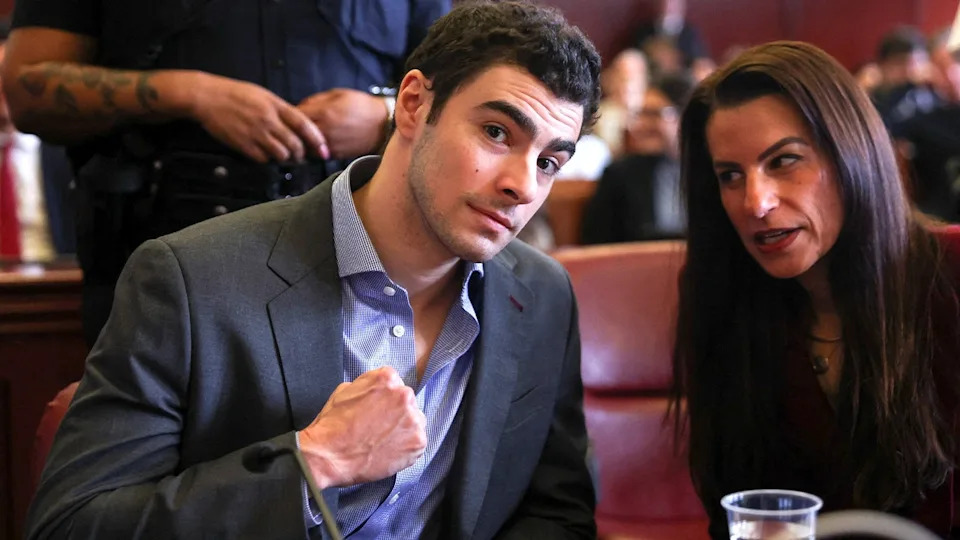
Luigi Mangione appears in Manhattan Supreme Court during a hearing in the murder case of UnitedHealthcare CEO Brian Thompson in New York on Dec. 8, 2025.
Bryan Kohberger’s Plea and the Limits of Legal Closure
Bryan Kohberger accepted a plea deal in the 2022 home-invasion murders of four University of Idaho students, avoiding a capital trial and securing four consecutive life-without-parole sentences plus 10 years. For some victims’ families, the plea provided closure and guaranteed punishment. For others, it felt like a lost opportunity to hear an explanation for motive and to test investigative and prosecutorial work in open court.
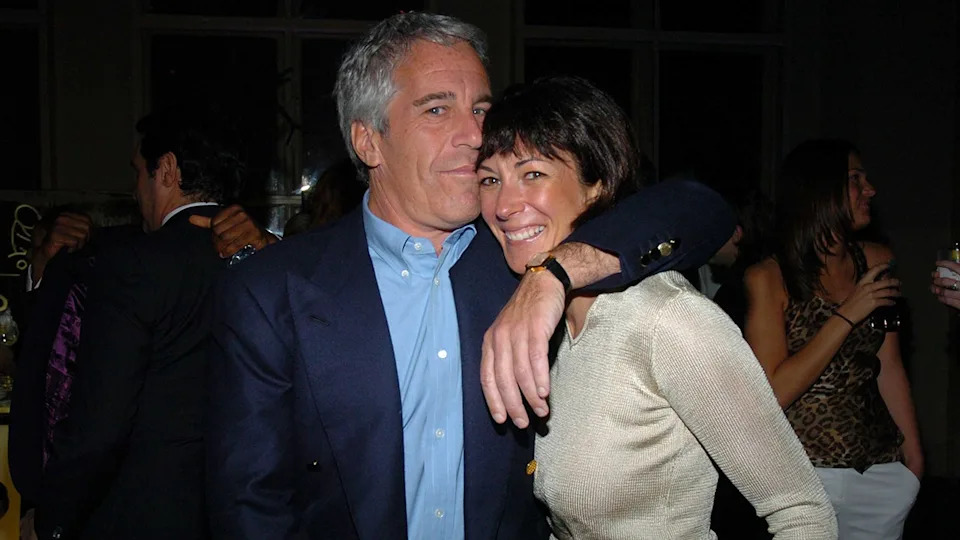
Jeffrey Epstein and Ghislaine Maxwell were both indicted on federal sex trafficking charges stemming from Epstein's years of abuse of underage girls.
The Karen Read Retrial and Public Doubt in Investigations
The retrial of Karen Read reopened a polarizing case. Read was acquitted of homicide-related charges in the death of her partner, Boston police officer John O'Keefe, and received probation for a related drunken-driving offense. The case had already prompted disciplinary action against state homicide investigators and an independent review of local police procedures, and the retrial became, to many observers, a broader referendum on police credibility and investigative integrity.
Ongoing Debates Over Power and Accountability
High-profile names from prior years continued to shape conversation in 2025. Jeffrey Epstein’s broader scandal remains a touchstone in debates about privilege and accountability while Ghislaine Maxwell continues to contest her conviction. Separately, Luigi Mangione — accused in the killing of UnitedHealthcare CEO Brian Thompson — faces multiple state and federal charges and has pleaded not guilty, fueling arguments about motive, corruption and violent vigilante rhetoric.
Campus Attacks, Safety and Surveillance
Campus violence returned to national headlines after an alleged rampage at Brown University, where two students were killed and nine injured during a finals-week study session. Prosecutors say Claudio Manuel Neves-Valente then traveled to the home of an MIT physicist and fatally shot him two days later. Authorities later found Neves-Valente dead of an apparent self-inflicted gunshot wound. The attacks intensified debates over open-campus policies, preventive intelligence, and whether colleges are prepared for modern, unpredictable threats.
What These Cases Revealed
Across these stories are recurring themes: the power of viral footage to shape public perception, the influence of extremist messaging on lone actors, rising skepticism toward law enforcement narratives, and renewed scrutiny of public-safety policies at campuses and civic events. The year’s most-watched crimes were not only criminal cases — they were catalysts for national conversations about safety, free speech and institutional trust.


