Data from the Crowd Counting Consortium show a dramatic rise in U.S. protests since Donald Trump’s return, with more than 10,700 demonstrations in 2025 — a 133% increase over 2017. Protests are geographically diffuse, appearing in many counties including red and rural areas. Major issues driving the wave include trans youth healthcare, U.S. support for Israel, and anti-ICE actions; recent coordination produced large single-day events and a nationwide “weekend of action.” Experts describe the trend as an inflection point that is shifting public opinion and restoring participants’ sense of agency.
‘A Very Historic Time’: U.S. Protests Surge, Spread Beyond Cities Since Trump’s Return
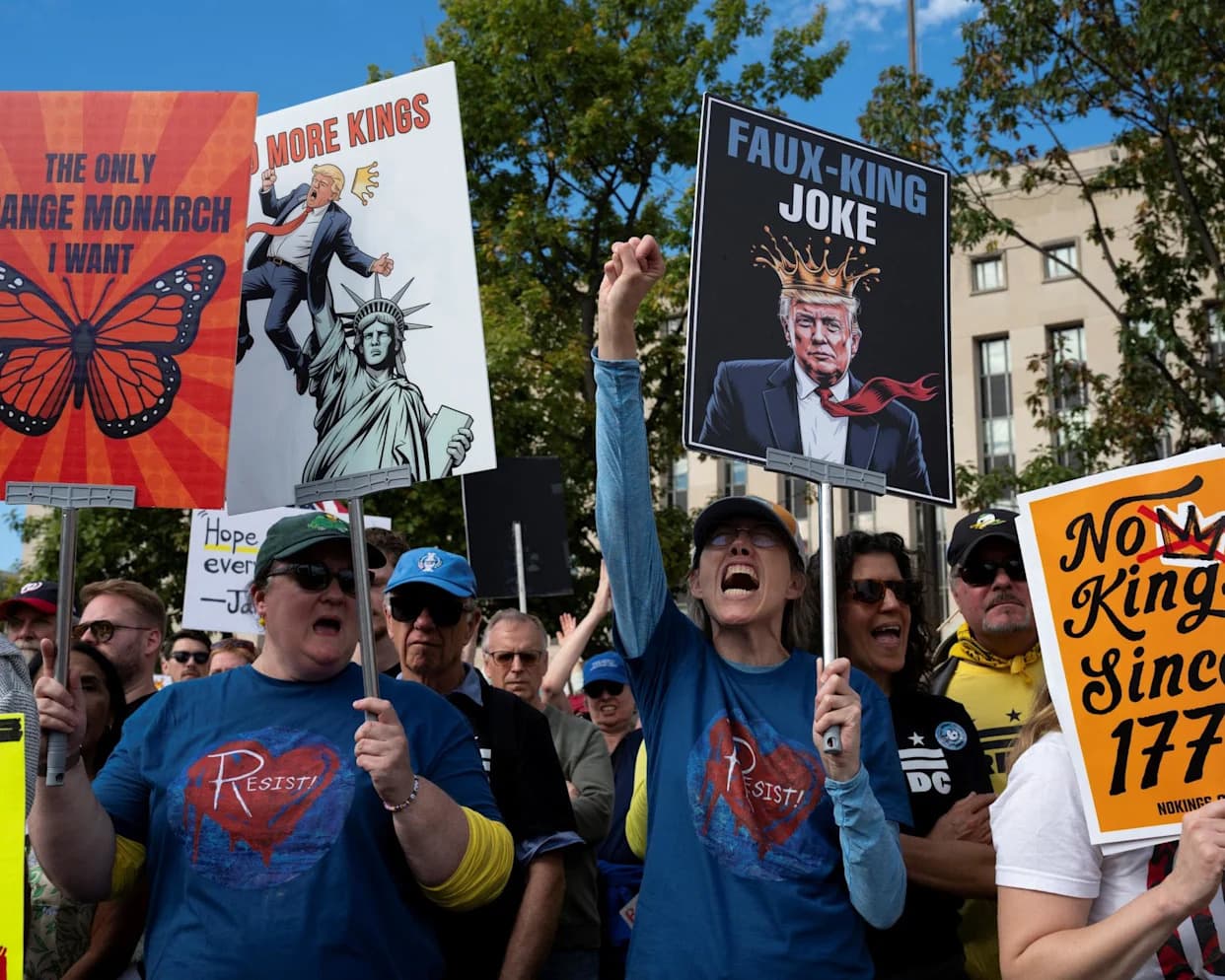
Protesters rally during the No Kings national day of protest in Washington DC on 18 October 2025.Photograph: Roberto Schmidt/AFP/Getty Images(Photograph: Roberto Schmidt/AFP/Getty Images)
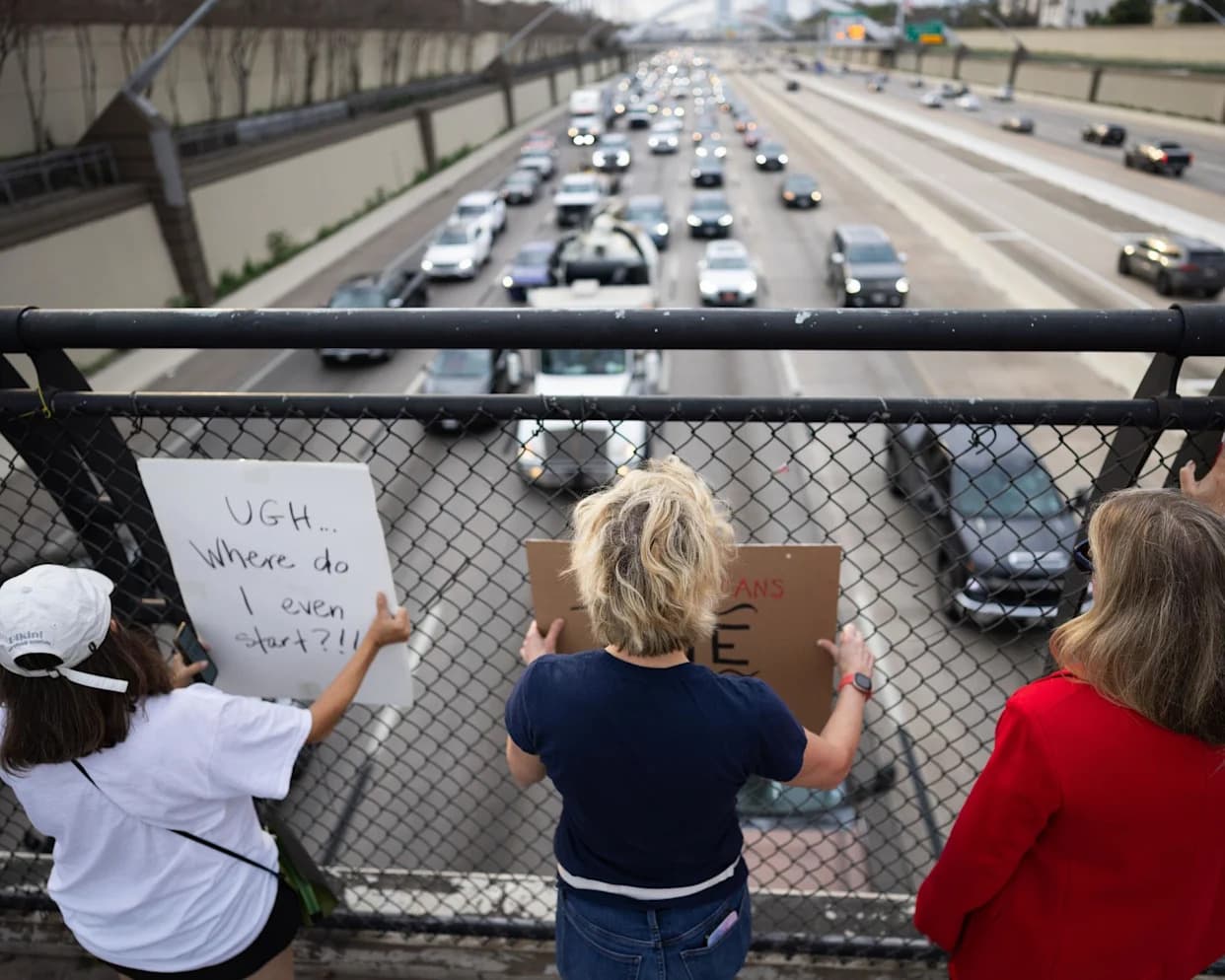
Data compiled by the Crowd Counting Consortium — a joint, open-source project of Harvard Kennedy School and the University of Connecticut — show a sharp rise in protest activity across the United States since Donald Trump returned to the presidency.
According to the consortium, there were more than 10,700 protests in 2025, a 133% increase from the 4,588 demonstrations recorded in 2017, the first year of Mr. Trump’s initial term. The dataset indicates that an overwhelming majority of U.S. counties experienced at least one protest since his re-inauguration, including counties that represent roughly 42% of areas that voted for Trump.
Diffused, Localized Mobilization
“It is a very historic time, in the sense that people are mobilizing where they live in ways that I don’t think I have seen before in my lifetime,” said Erica Chenoweth, political scientist at Harvard Kennedy School and co-director of the Crowd Counting Consortium.
Unlike past waves that concentrated in major cities or culminated in a single march on Washington, the recent pattern is geographically diffused. Protests have appeared in unexpected red and rural communities — from Cut Bank, Montana, to Sparta, North Carolina — challenging the assumption that demonstrations are confined to liberal urban centers.
What Protesters Are Demonstrating About
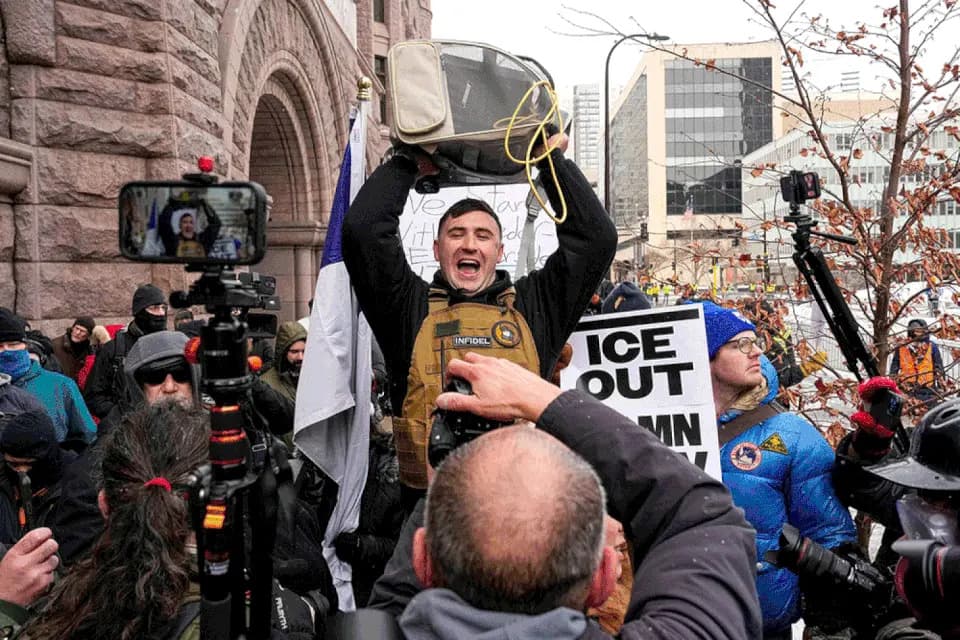
The protests have spanned multiple issues across 2025 and into 2026: early demonstrations focused on trans youth healthcare, later actions targeted U.S. support for Israel in Gaza, and spring “Tesla takedowns” protested Elon Musk’s moves seen by some as weakening federal institutions. Anti-ICE protests intensified as federal immigration raids took place through the summer and into the fall and winter.
These local actions have been accompanied by large, coordinated single-day events — such as the No Kings and Hands Off protests — that drew high attendance and media attention.
Recent Spikes And Nationwide Coordination
Researchers note that spikes in protest activity — including spring and October surges tied to pro-Palestine, anti-ICE and No Kings actions — approached the scale of earlier major moments, such as the 2018 student walkouts after Parkland, the 2018 family separation demonstrations, and the 2020 protests following George Floyd’s killing.
The trend continued into 2026. After Minneapolis demonstrations erupted following the killing of Renee Good during an ICE interaction on 7 January, coalitions organized a nationwide “weekend of action” that included more than 1,000 participating protests.
“What’s really notable now is how much grassroots, improvised and then organized response there is to ICE operations,” Chenoweth said. “The defining feature of [the Minneapolis ICE] protests is absolutely focused on that issue and sense of outrage.”
What This Could Mean
Chenoweth’s earlier research — analyzing more than 300 nonviolent movements from 1900 to 2006 — found that no government has overcome a nonviolent campaign that mobilized at least 3.5% of its population, though she cautions this is an observational finding and not a prescriptive rule. When asked whether the United States is approaching such a threshold now, she preferred to describe the moment as an inflection point, noting shifting public opinion.
Beyond strategic calculations, Chenoweth emphasized the human impact of sustained protest: movements give participants renewed hope and a stronger sense of agency in circumstances where many feel powerless. “That’s a very important thing for people to feel and internalize,” she said.
Methodology note: The Crowd Counting Consortium aggregates reported demonstrations from media, organizers and other public sources to track protest frequency and distribution nationwide.
Help us improve.