The Trump administration, led by Education Secretary Linda McMahon, used executive actions, staffing cuts and contract cancellations to sharply reduce the federal footprint in education over a single year. Key moves included major layoffs, reassigning program oversight, heightened immigration enforcement near schools, reprioritized civil-rights enforcement, DEI grant eliminations, disruptions to Head Start and IES research, and a national school-choice push. Supporters say these changes restore local control; critics warn they threaten protections and services for vulnerable students and erode the research base guiding policy.
From Head Start to Civil Rights: 8 Ways the Trump Administration Reshaped U.S. Education in One Year
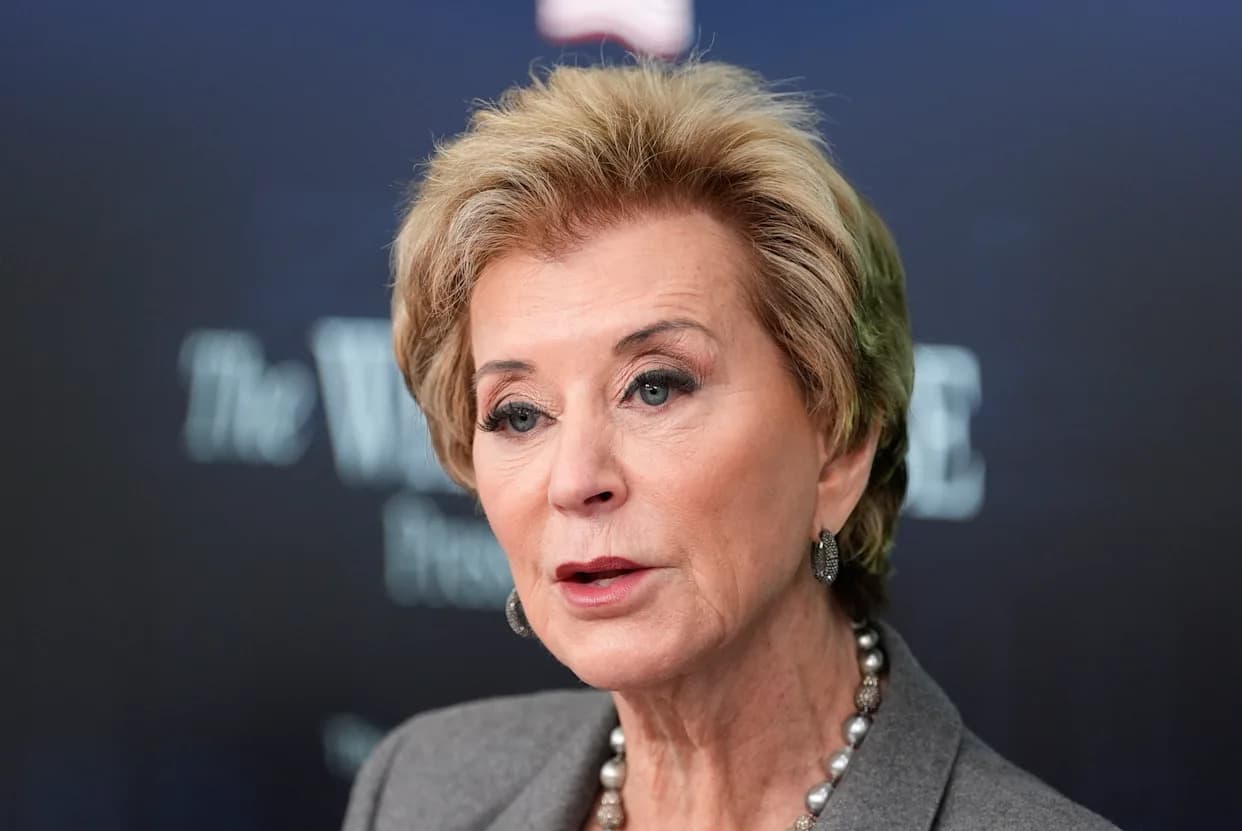
One year after President Trump’s second inauguration, the Department of Education has undergone rapid and contentious change. Under Secretary Linda McMahon, the department saw sweeping staffing cuts, shifting program oversight to other agencies, tightened enforcement on gender-related policies, interruptions to early-childhood programs and research, and an expanded national push for school choice.
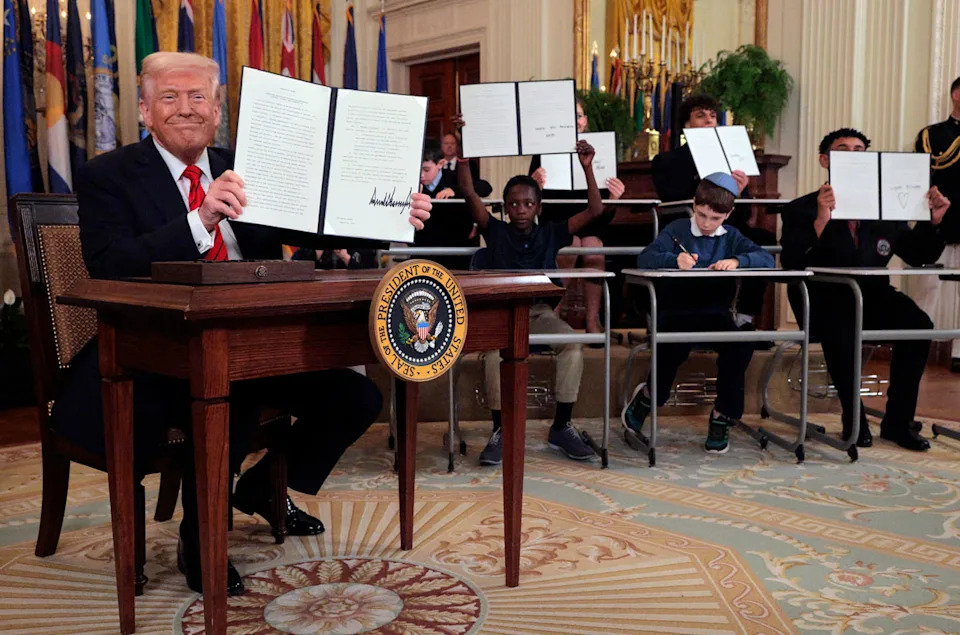
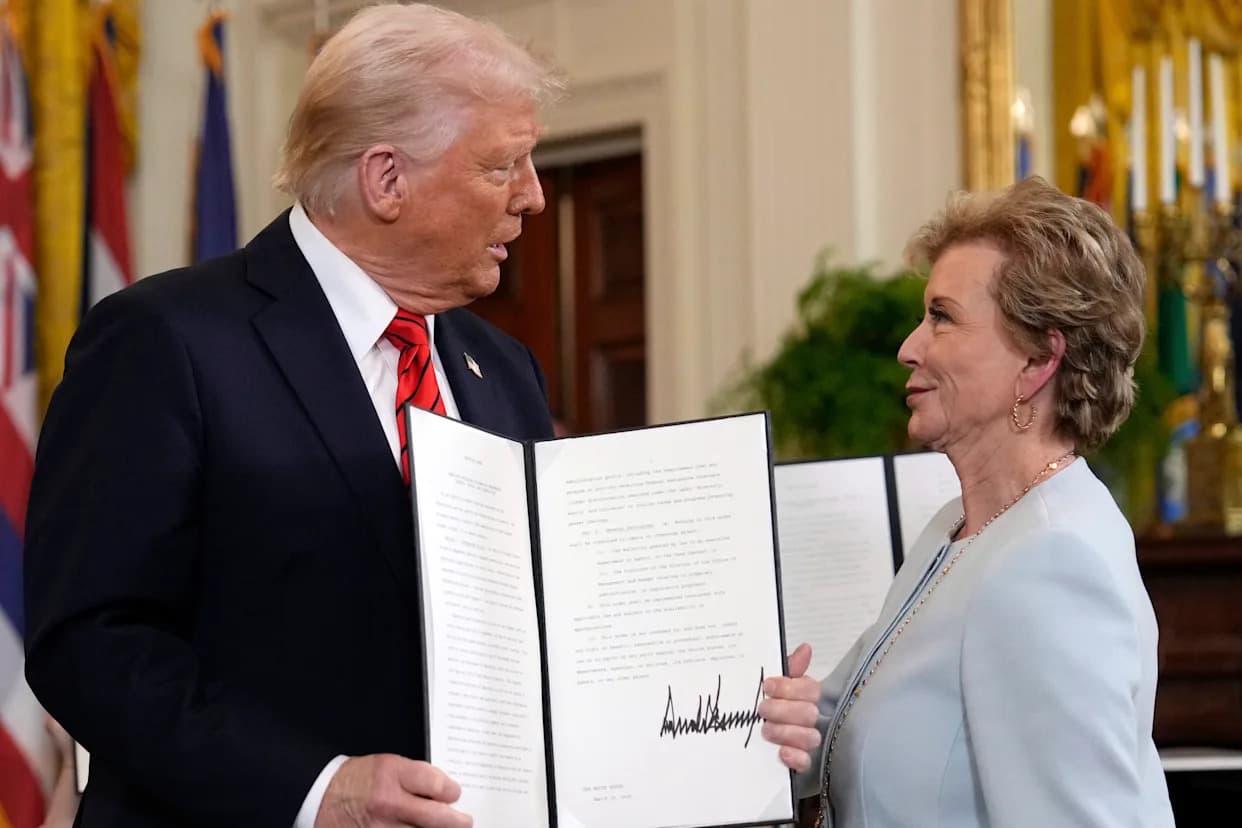
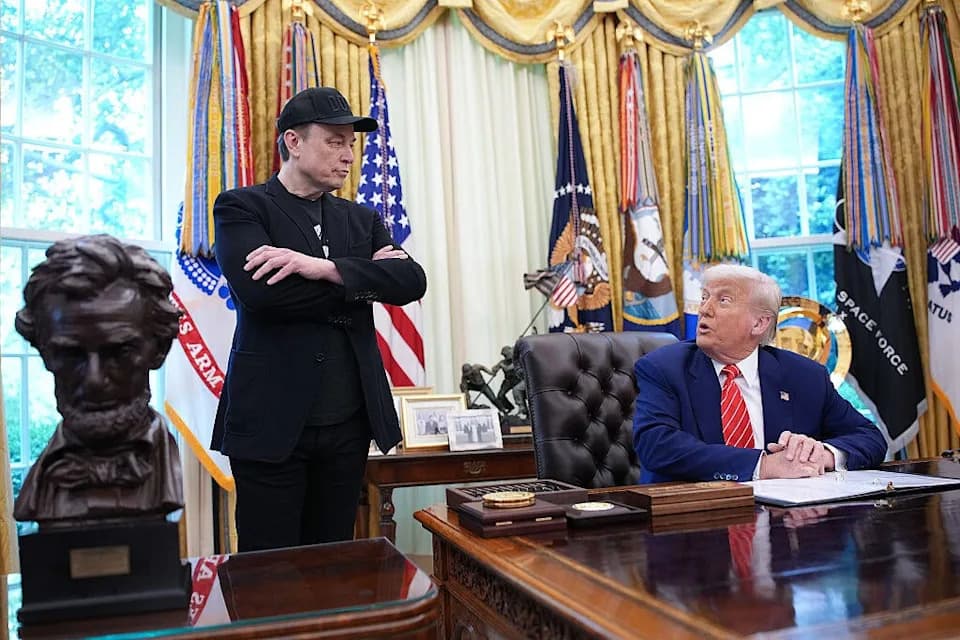
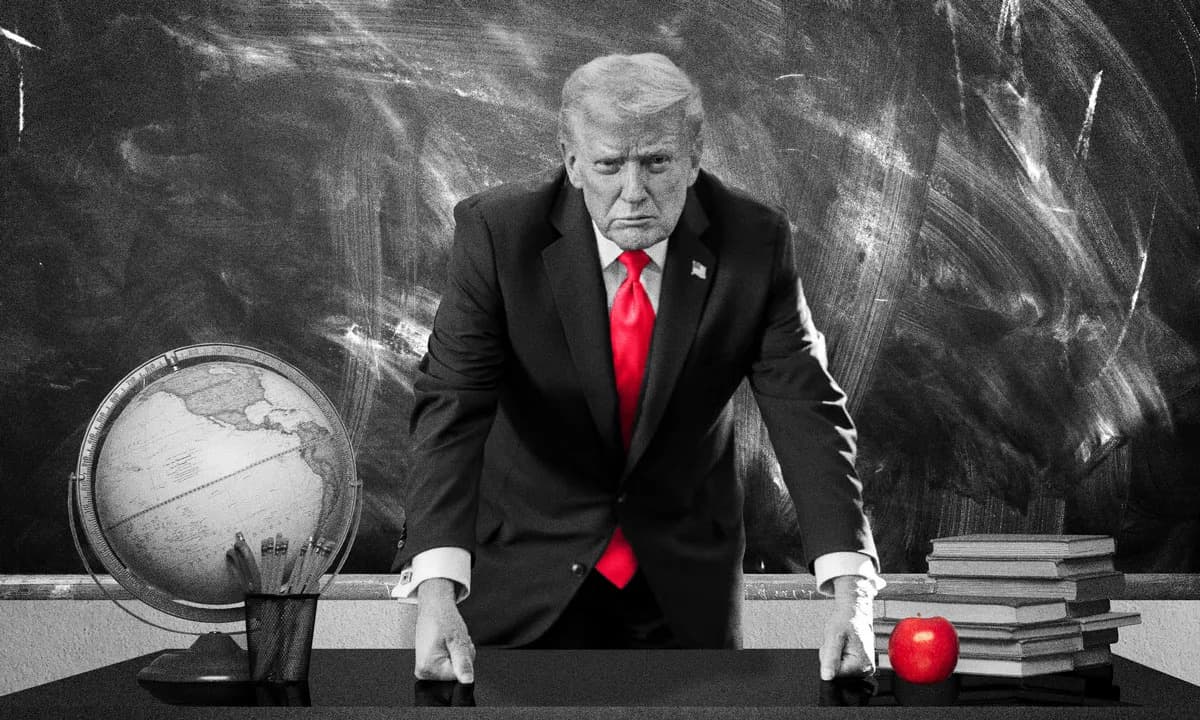
U.S. President Donald Trump signs an executive order to eliminate the Department of Education in Washington, D.C. on March 20, 2025. (Getty Images)
Overview
Through executive orders, layoffs and canceled contracts, the administration signaled a sustained effort to shrink the federal role in K–12 and early childhood education. Supporters argue the changes return power to states and families; critics warn the moves jeopardize civil-rights protections, services for English learners and students with disabilities, and the research base that informs education policy.
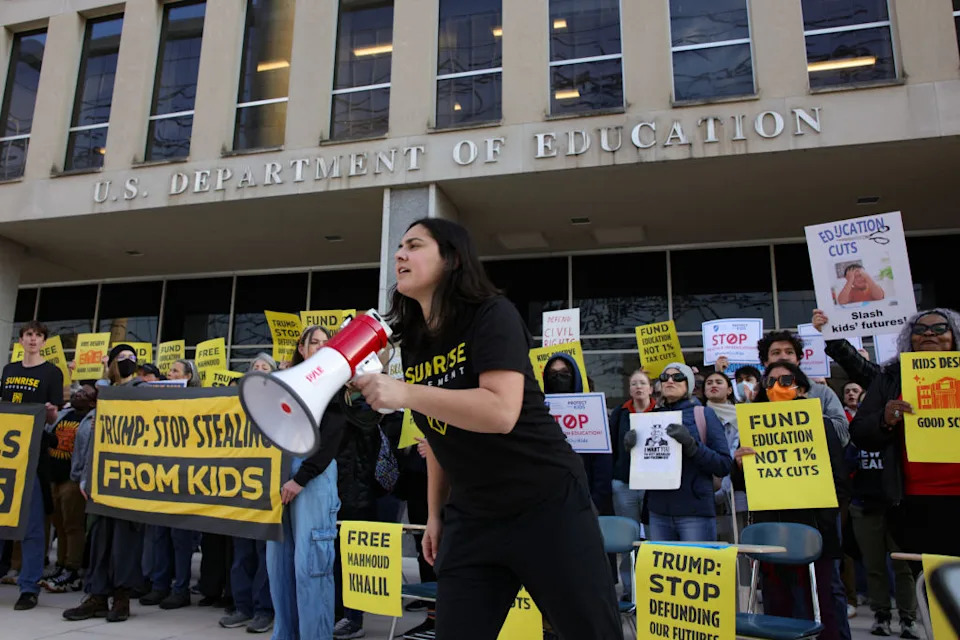
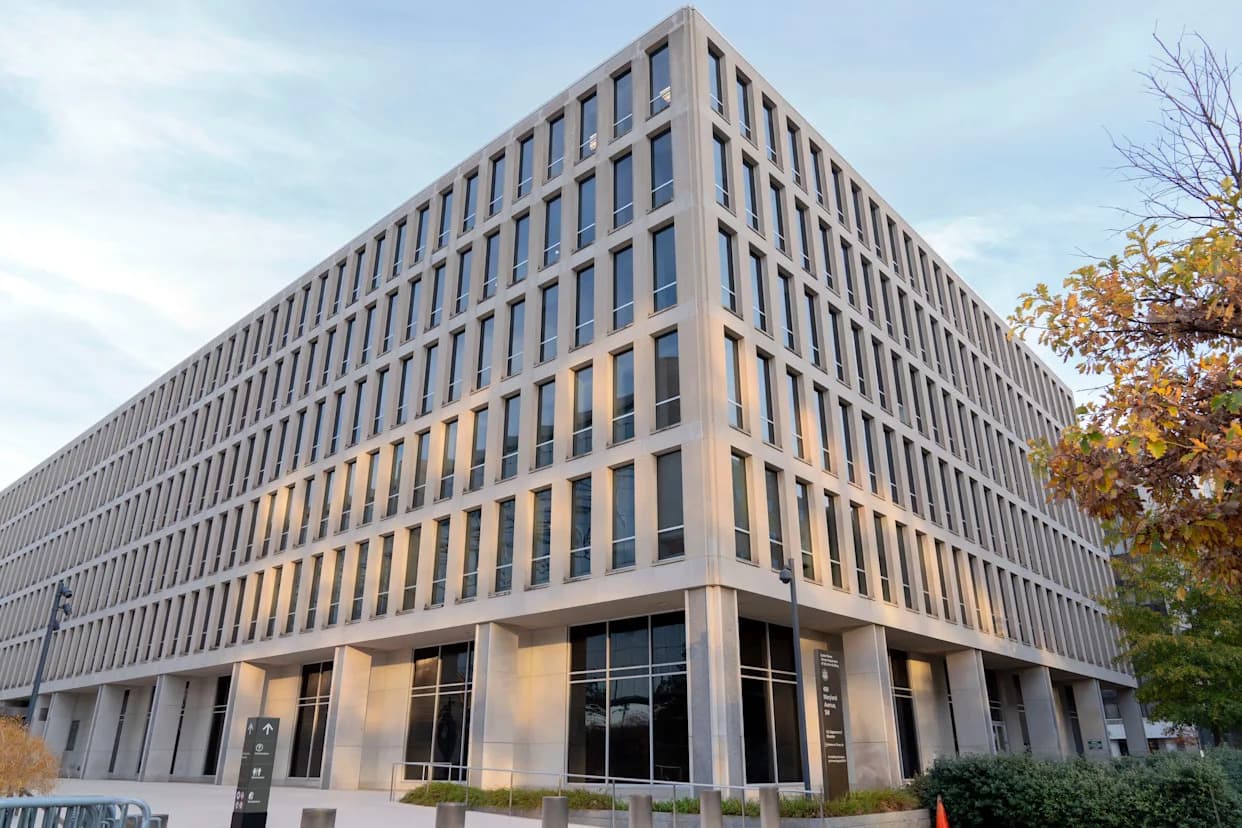
Protesters demonstrated outside the U.S. Department of Education in March after the first round of layoffs affecting over 1,300 staff. (Bryan Dozier / Middle East Images / Middle East Images via AFP)
1. Shrinking the Department
The administration cut more than 1,300 positions in March and targeted roughly 450 additional jobs during a fall shutdown, leaving the department substantially smaller than a year earlier. Many functions have been reassigned or proposed for transfer to other agencies, and some regional offices were closed. Legal challenges and congressional actions have partially slowed some layoffs, but uncertainty about long-term structure remains.
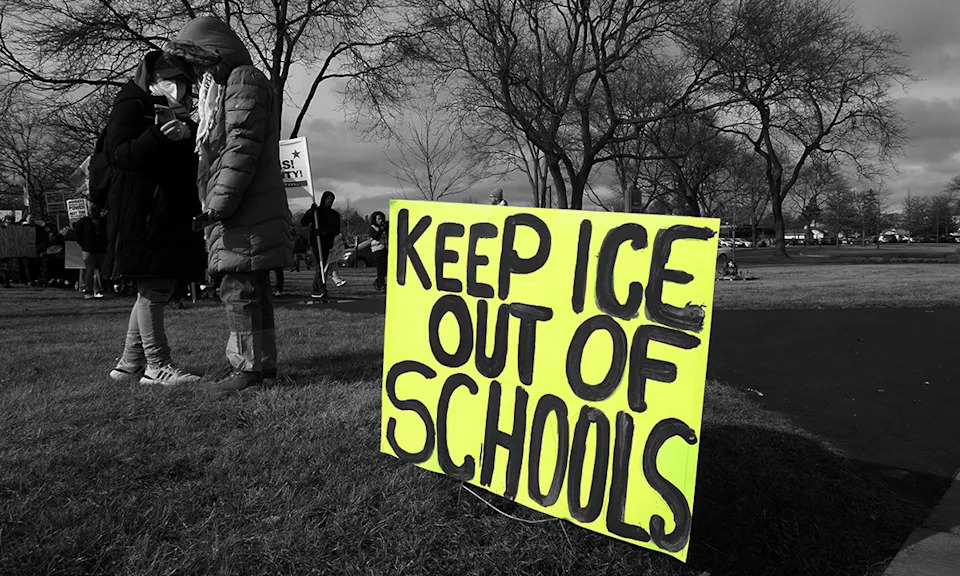
Some 300 demonstrators participate in a Waukegan, Illinois, rally on Feb. 1 to draw attention to an increase in Immigration and Customs Enforcement activity in the area. Privacy advocates warn student records could be used to assist deportations. (Scott Olson/Getty Images)
2. Immigration Enforcement and School Communities
Federal guidance limiting immigration enforcement on school grounds was rolled back, and local reports surfaced of ICE and Border Patrol activity on or near campuses. The presence of enforcement officers and related incidents contributed to spikes in absenteeism in heavily patrolled communities, fear among children and families, and steps by some organizations to obscure locations or communications to protect undocumented students.

3. Special Education Oversight in Flux
With staff reductions and proposals to shift responsibility for some special-education oversight to agencies such as Health and Human Services and Labor, schools and advocates face confusion about accountability and reporting. Several department employees with specialized expertise were let go, heightening concerns that mandated protections for students with disabilities could be weakened or fragmented across agencies.
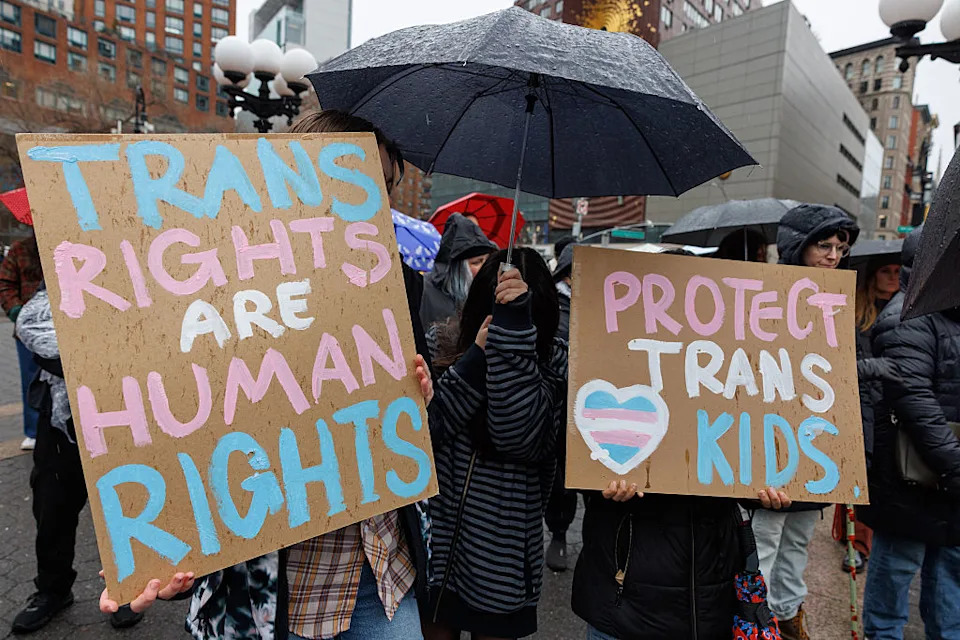
People gather in Union Square for the Together We Win rally in support of transgender youth held in New York City on Jan. 10. The rally was held ahead of upcoming U.S. Supreme Court hearings for West Virginia v. B.P.J. and Little v. Hecox, cases that will determine the constitutionality of state bans on transgender students’ participation in school sports and could have broader impacts on transgender rights. (Getty Images)
4. Civil Rights Enforcement Reordered
McMahon reoriented the Office for Civil Rights (OCR), prioritizing investigations into antisemitism and actions related to transgender student policies while critics say complaints about racial discrimination, sexual assault and other civil-rights concerns have been deprioritized. The department closed multiple regional OCR offices and later rehired some staff, but complainants report slower responses and dismissed cases amid ongoing litigation over enforcement priorities.
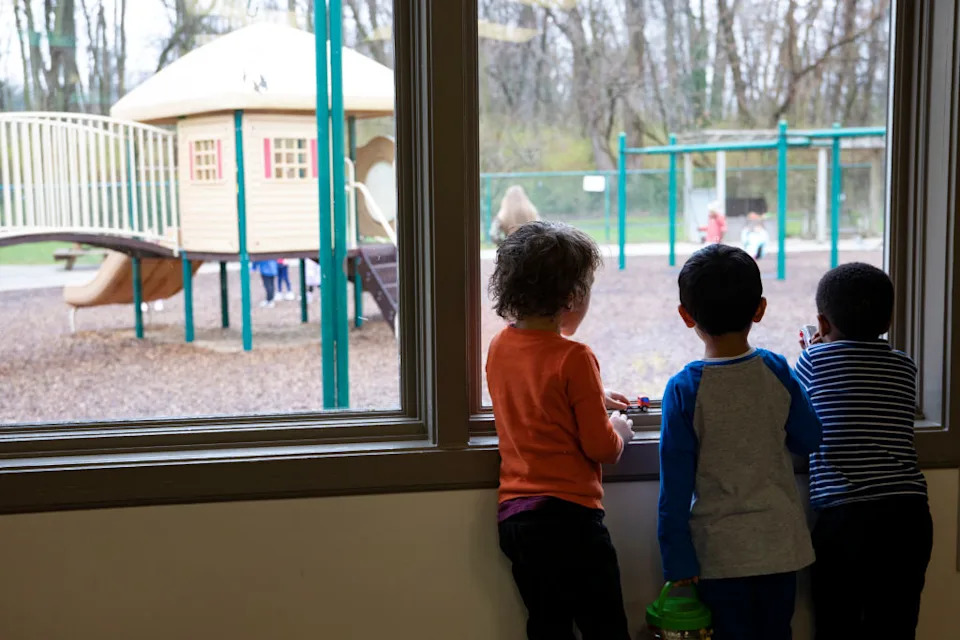
Children in a Head Start classroom in the Carl and Norma Millers Childrens Center on March 13, 2023 in Frederick, Maryland. (Getty Images)
5. Cuts to DEI, Teacher Diversification and Curriculum Guidance
Executive orders targeting diversity, equity and inclusion (DEI) and certain environmental-justice work led to the elimination of roughly $1.5 billion in grants for teacher training and research, prompting program closures that affected recruitment pipelines for educators of color. Guidance issued by the department on race-conscious policies prompted legal pushback, and the administration signaled greater scrutiny of classroom materials—moves that critics say risk narrowing curricula ahead of the nation’s 250th anniversary in 2026.
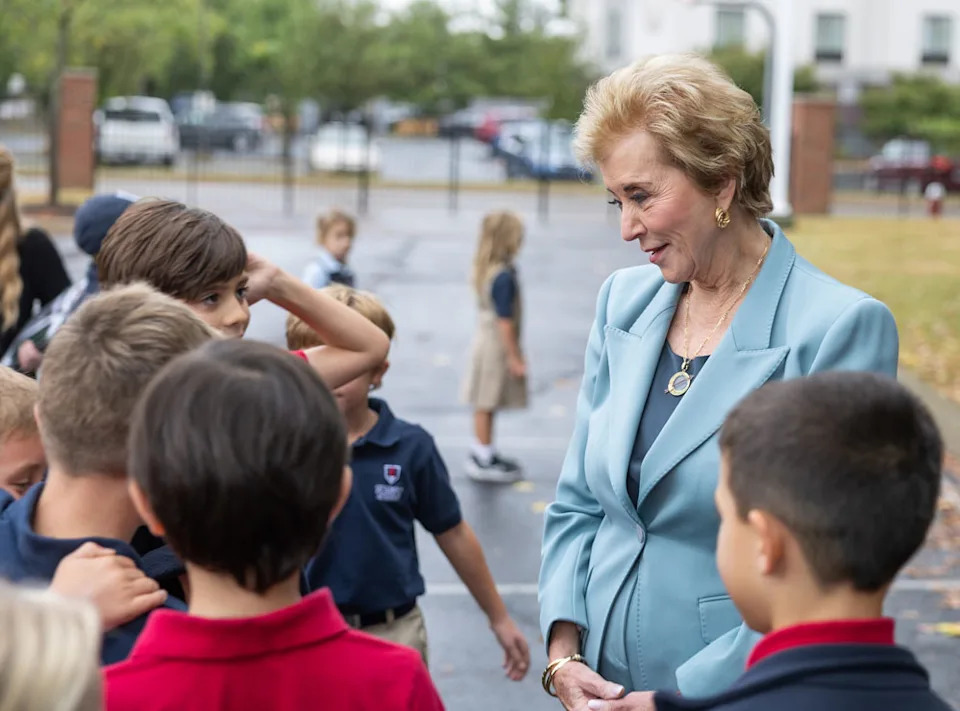
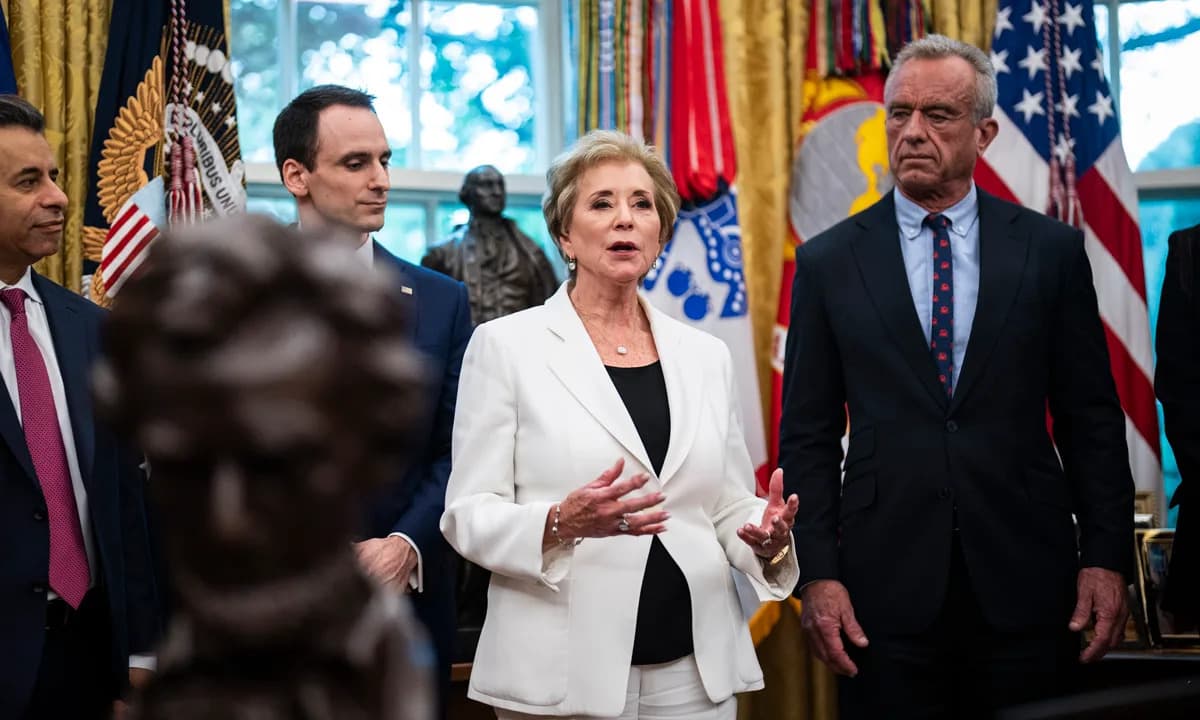
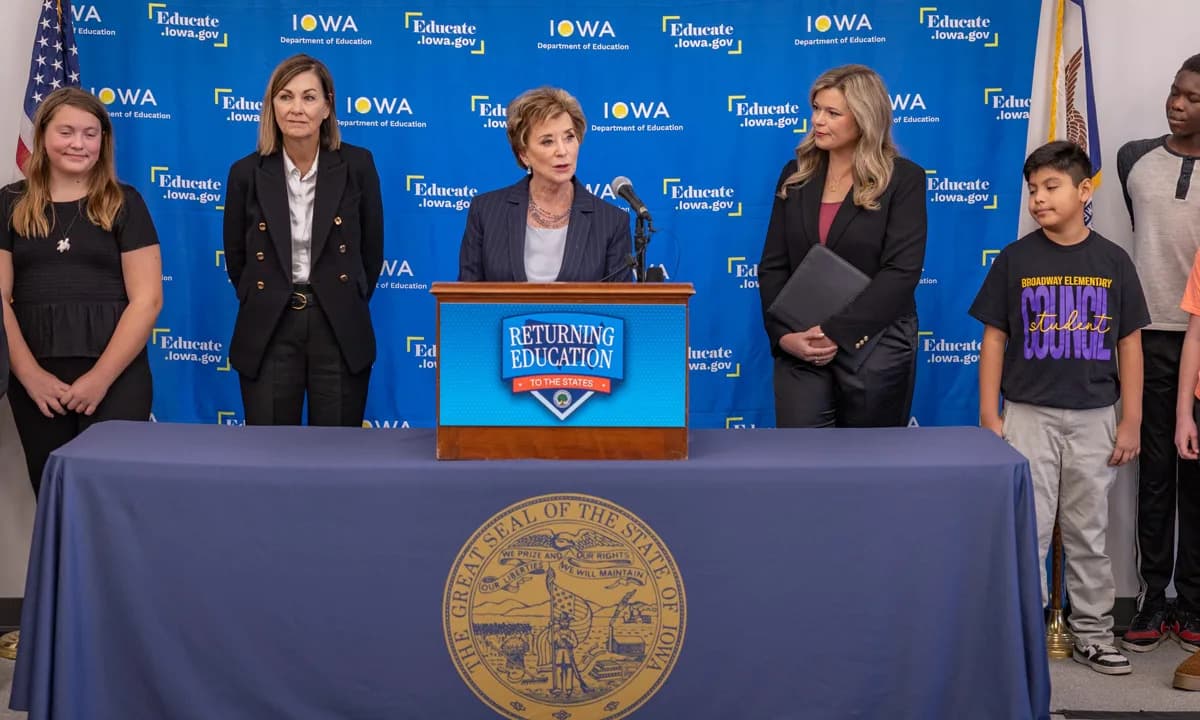
In September, Education Secretary Linda McMahon visited Columbus Classical Academy, a private school in Ohio, as part of her nationwide tour. (Department of Education)
6. Head Start and Early Childhood Programs Targeted
Head Start experienced funding freezes, regional office closures, staff firings and rule changes that triggered lawsuits. During a prolonged government shutdown, approximately 10,000 children in 22 programs temporarily lost access to services. A leaked — then withdrawn — budget proposal that would have zeroed out Head Start heightened fears that early childhood supports could be further pared or eliminated in future policy plans such as Project 2025.
7. Research and Data Disruptions (IES)
The Institute of Education Sciences (IES), the department’s primary research arm, saw dozens of contracts canceled and a large reduction in its workforce. Reported terminations of nearly 90% of IES staff and halted projects disrupted ongoing research and data collection that inform policy at the state and federal levels. While some lawmakers proposed expanding IES funding and modernization efforts have been announced, many researchers say coherent rebuilding plans are still unclear.
8. School Choice, Charters and Faith-Based Initiatives
The administration advanced a broad school-choice agenda, including signing a federal tax-credit scholarship program that offers a $1,700 dollar-for-dollar tax credit for donations to scholarship nonprofits. The federal initiative is intended to expand options for some public-school students but relies on private donations and may complicate accountability and equitable access. Simultaneously, the administration increased support for charter expansion and signaled willingness to relax separation-of-church-and-state concerns, drawing criticism from those who fear reduced protections for LGBTQ students and children with disabilities.
Legal Pushback and Political Fallout
State officials, unions and advocacy groups have filed numerous lawsuits challenging anti-DEI mandates, layoffs, canceled grants and reorganizations. Trackers have reported more than 20 active cases over anti-DEI rules and multiple suits tied to efforts to dismantle departmental functions. Courts, Congress and future administrations could limit or reverse many of these changes.
Conclusion
The first year of the administration’s education agenda has been marked by rapid structural change, high-profile policy shifts and intense legal and political conflict. Whether these changes produce improved outcomes, greater local control or long-term disruptions to equity, data and services for vulnerable students will depend on forthcoming court decisions, congressional action and state-level responses.
— Reporting synthesized from Linda Jacobson, Jo Napolitano, Beth Hawkins, Kevin Mahnken, Amanda Geduld and others.
Help us improve.