Governor Josh Shapiro has highlighted his management of Pennsylvania’s split Legislature — including navigating a four-month budget impasse — as proof of his ability to broker bipartisan deals. The $50 billion budget removed proposed transit funding and ended the state's participation in the Regional Greenhouse Gas Initiative, while adding $900 million for education, an earned income tax credit and new child-care support. The compromise drew criticism from some Democrats and environmental groups but left Shapiro’s approval ratings largely intact, and backers say the experience could be an asset in a divided national government.
Shapiro’s Balancing Act: How Pennsylvania’s Split Legislature Shapes His 2028 Prospects

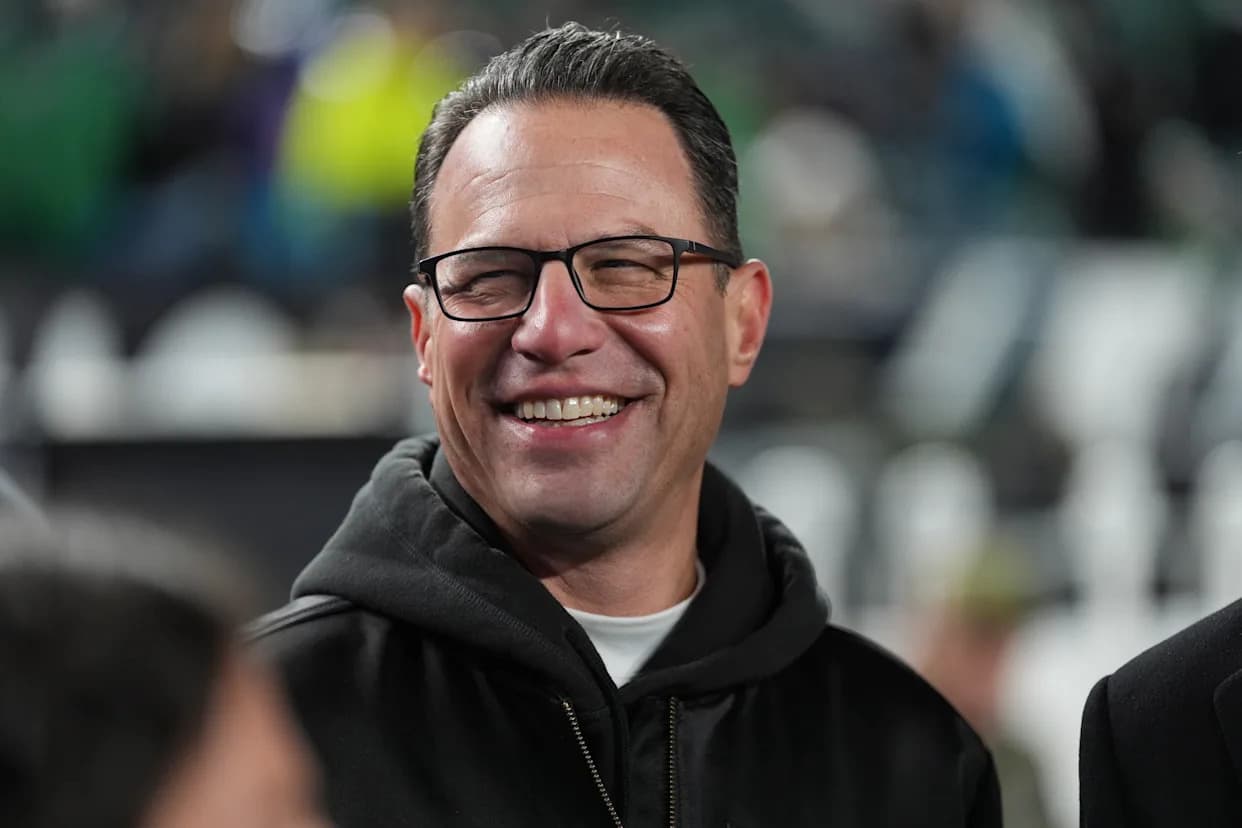
Pennsylvania Gov. Josh Shapiro, who is dealing with a divided Legislature, hasn't been able to pass the big-ticket Democratic items that some other potential 2028 candidates have been able to in bluer states. (Jared Soares for NBC News)
Pennsylvania Governor Josh Shapiro has spent much of his term navigating a political landscape that sets him apart from many other potential 2028 Democratic contenders: a state government split between parties. That split has required frequent compromise, complicated his policy agenda and created a high-profile test of his ability to lead in a polarized environment.
Budget Standoff and the Compromises
After a budget impasse that stretched more than four months, Shapiro signed a $50 billion spending package in November. The deal removed proposed transit funding — after Shapiro had suggested a 1.75% increase for state transit systems — and included a high-profile concession: withdrawing Pennsylvania from the Regional Greenhouse Gas Initiative (RGGI). In exchange, the budget contained $900 million for education, a new earned income tax credit and several child-care initiatives.
“A divided Legislature requires all of us to compromise, have tough conversations, and ultimately, find common ground,” Shapiro said after signing the budget.
Political Reactions And Oversight
Republicans largely supported the final package, praising permitting reforms and the absence of new taxes or withdrawals from the rainy day fund. Some Democrats and environmental groups, however, viewed the RGGI withdrawal as an unnecessary retreat; two Democratic state senators and four state representatives voted against the deal.
State Senate Republicans have also stepped up oversight of the governor’s office, probing topics from taxpayer-funded charter flights to security upgrades after an attempted attack on the governor’s residence. GOP leaders say such investigations are routine oversight, while Democrats argue some efforts are politically motivated given Shapiro’s rising profile.
What It Means For A Possible National Run
Supporters argue Shapiro’s success in striking a bipartisan budget in a deeply divided state could be an asset on the national stage, especially if future presidents must navigate a divided Congress. Critics counter that some compromises could alienate progressive voters in a Democratic primary. Polling during the budget fight suggested Shapiro’s approval remained strong: a Quinnipiac survey in October showed 60% approval and favorable hypothetical matchups in a 2028 context.
Whether viewed as pragmatic moderation or political caution, Shapiro’s record governing in a split Legislature is likely to be a central theme if he pursues higher office — one that will be scrutinized by both voters and rivals.
Help us improve.