Bangladesh will hold a national election on February 12, its first since the overthrow of former prime minister Sheikh Hasina and the banning of her Awami League party. In Gopalganj — a long-standing AL stronghold — many voters say they lack familiar candidates and do not see the AL's "boat" symbol on ballots, leaving some unwilling to vote. Rival parties such as the BNP and Jamaat-e-Islami are campaigning amid reports of post-unrest legal cases and concerns about intimidation. Observers warn turnout in former AL strongholds could be unusually low, with the vote shaping the country's next political chapter.
Bangladesh Votes Feb. 12 — Banned Awami League Leaves Hasina Supporters in Deep Uncertainty
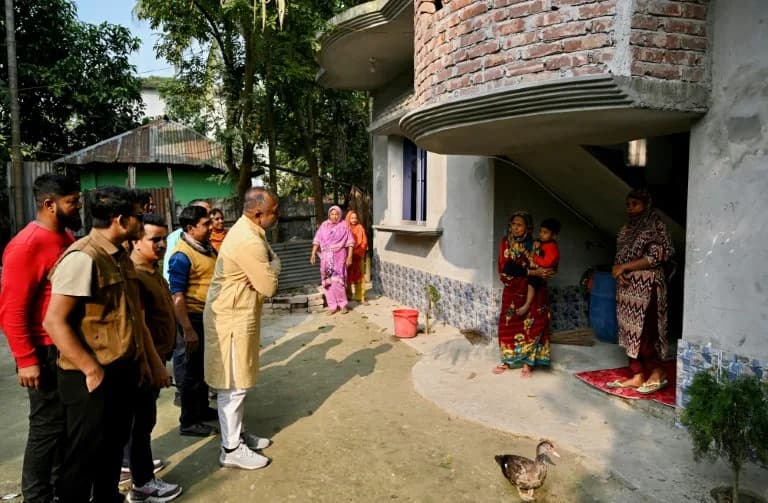
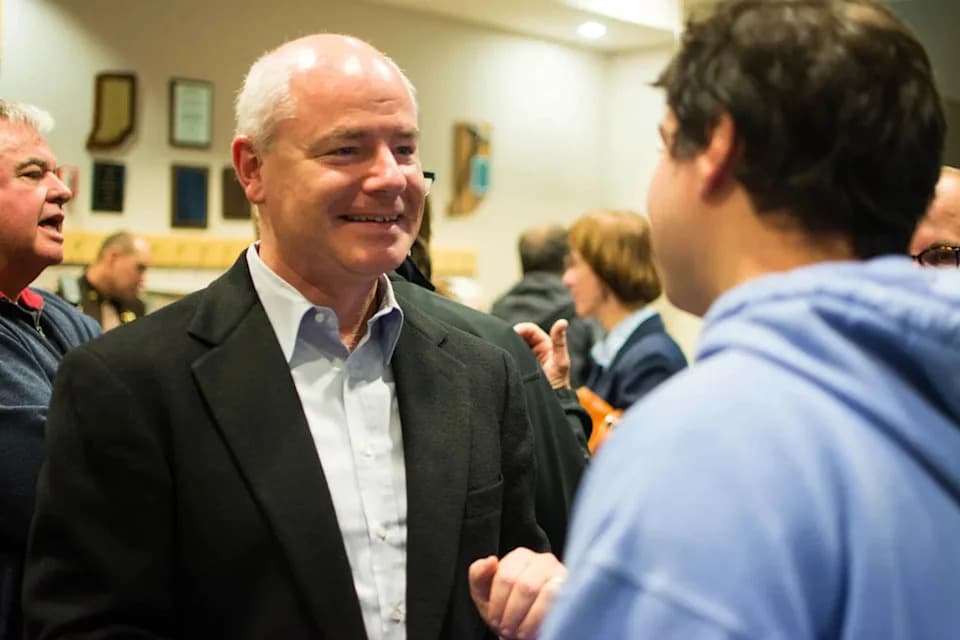
Bangladesh Nationalist Party's election candidate S.M Zilany (C) speaking with residents during a visit to his electoral constituency Gopalganj (Munir UZ ZAMAN)(Munir UZ ZAMAN/AFP/AFP)
Bangladesh is preparing for a national vote on February 12 that will be the country's first election since the overthrow of former prime minister Sheikh Hasina. Her party, the Awami League (AL), has been outlawed and will not appear on ballots — a change that has left many long-time AL supporters, especially in Hasina's traditional stronghold of Gopalganj, uncertain and disengaged.
Gopalganj: A Stronghold in Flux
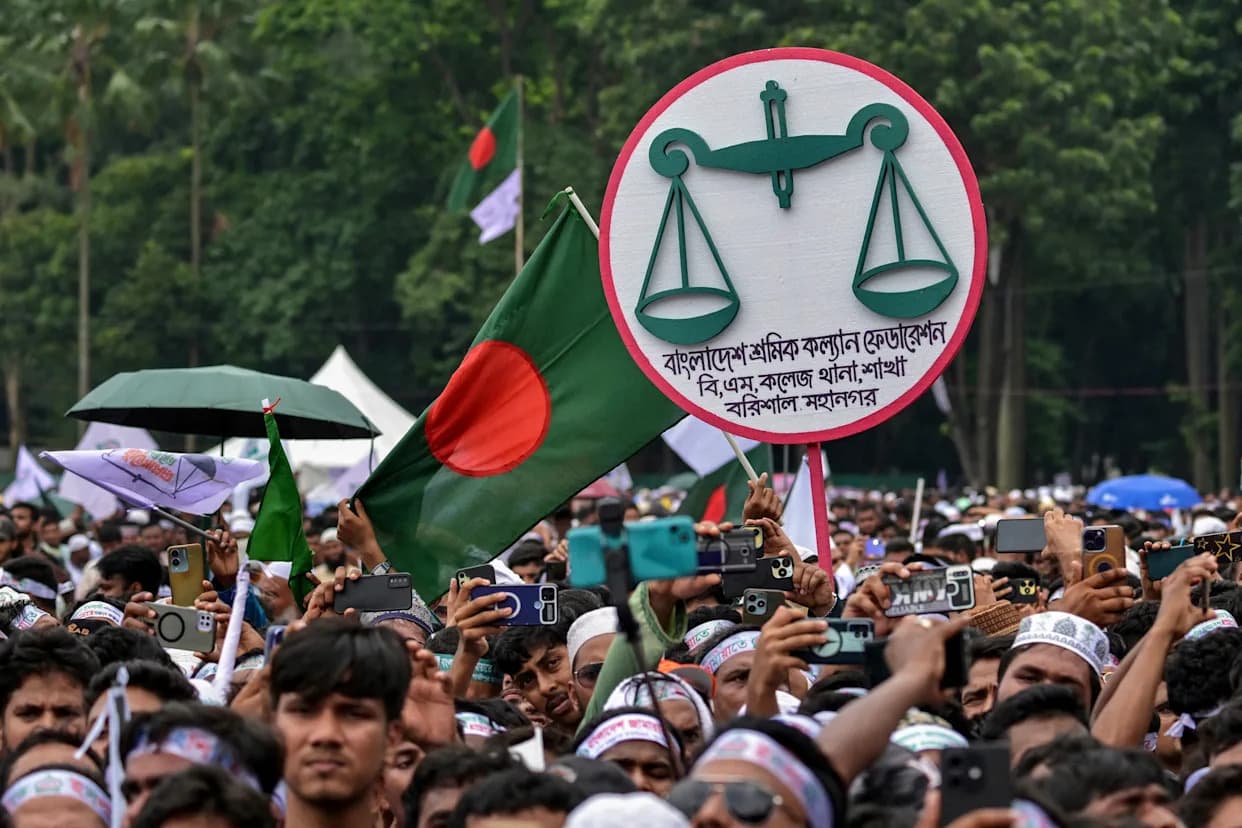
Gopalganj, south of the capital Dhaka and the hometown of Hasina's father Sheikh Mujibur Rahman, has been a reliable bastion of Awami League support since 1991. Residents describe an unfamiliar campaign season: no AL candidates, no familiar "boat" emblems on ballots, and few of the usual local outreach efforts.
"Sheikh Hasina may have done wrong — she and her friends and allies — but what did the millions of Awami League supporters do?" said Mohammad Shahjahan Fakir, a 68-year-old tricycle delivery driver, who added he intends not to vote.
Context: Upheaval and Accountability
Hasina was removed from office in August 2024 after a failed effort to remain in power and an accompanying crackdown on protesters. She fled to India and in November a court in Dhaka sentenced her in absentia for crimes against humanity. The party she led for decades was subsequently banned, a move criticised by Human Rights Watch as "draconian."
Since Hasina's fall, campaigning has at times been violent. Authorities say more than 8,000 legal cases were filed following clashes in July 2025, a development that has further alarmed local communities and heightened fears of intimidation.
Candidates and Uncertain Voters
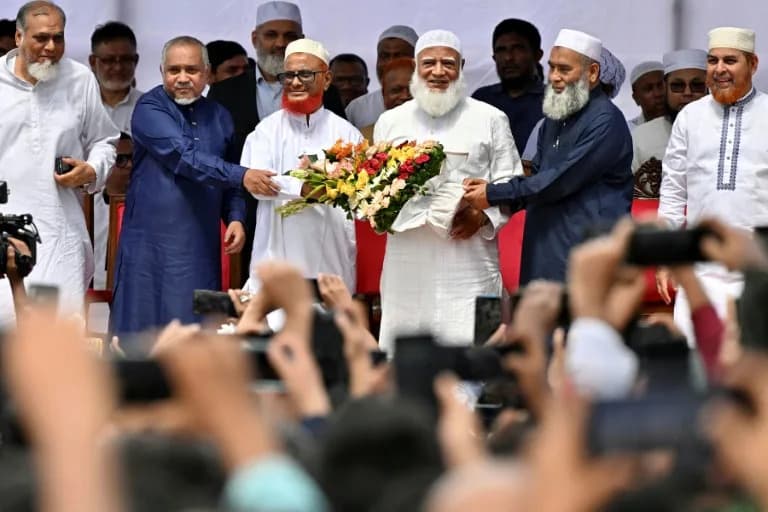
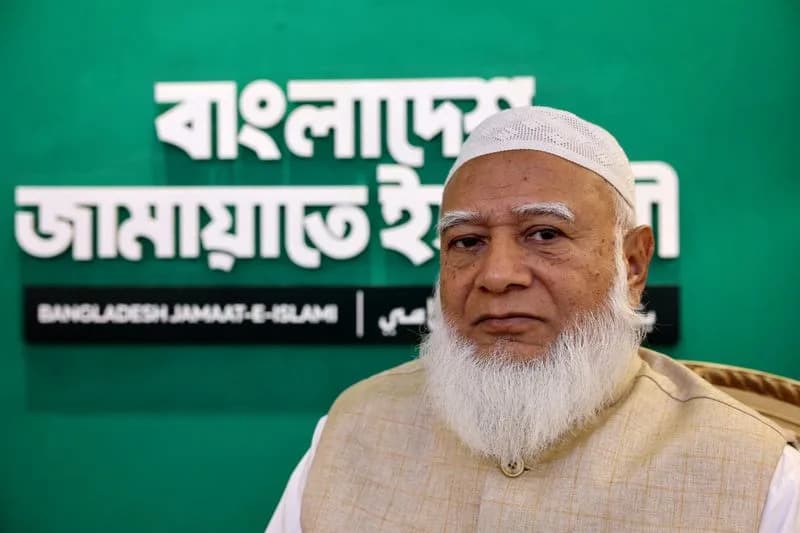
Prominent contenders in several constituencies now include candidates from the Bangladesh Nationalist Party (BNP) and Jamaat-e-Islami, both long-time rivals of the Awami League. BNP candidate S.M. Zilany says he is campaigning door-to-door and promising support to disaffected voters, while Jamaat candidate M.M. Rezaul Karim has called for reconciliation: "Those involved in crimes should be punished; others must be spared," he told reporters.
Still, many former AL supporters remain unsure. Some have stopped voting; others say they are open to alternatives but feel disconnected from the new slate of candidates. Political analysts worry turnout in Gopalganj — where Hasina once won by landslide margins — could be among the lowest nationwide.
What This Vote Might Mean
For many Bangladeshis, the February 12 election will test how the country moves beyond a tumultuous period marked by mass protests, legal reprisals and a dramatic reordering of political power. Observers will be watching turnout levels, reports of intimidation, and whether rival parties can build lasting support in former AL heartlands.
Reporting note: Quotes and local observations in this article were drawn from interviews with residents and candidates in Gopalganj and reporting from AFP.
Help us improve.