Bangladesh held a state funeral in Dhaka for former prime minister Khaleda Zia, who died aged 80, drawing thousands of mourners and national honours. The interim government declared three days of mourning and Zia was buried beside her late husband, Ziaur Rahman. Her Bangladesh Nationalist Party remains a leading contender ahead of the Feb. 12 elections, with her son Tarique Rahman viewed as a potential leader. India sent senior condolences, including attendance by its foreign minister.
Bangladesh Holds State Funeral for Former Prime Minister Khaleda Zia as Nation Mourns

Bangladesh's former prime minister Khaleda Zia was planning an election run despite years of ill health and imprisonment (MUNIR UZ ZAMAN)(MUNIR UZ ZAMAN/AFP/AFP)
Bangladesh on Wednesday held a state funeral for former prime minister Khaleda Zia, drawing vast crowds who came to mourn a towering political figure whose career shaped the country for decades. Zia died on Tuesday at the age of 80.
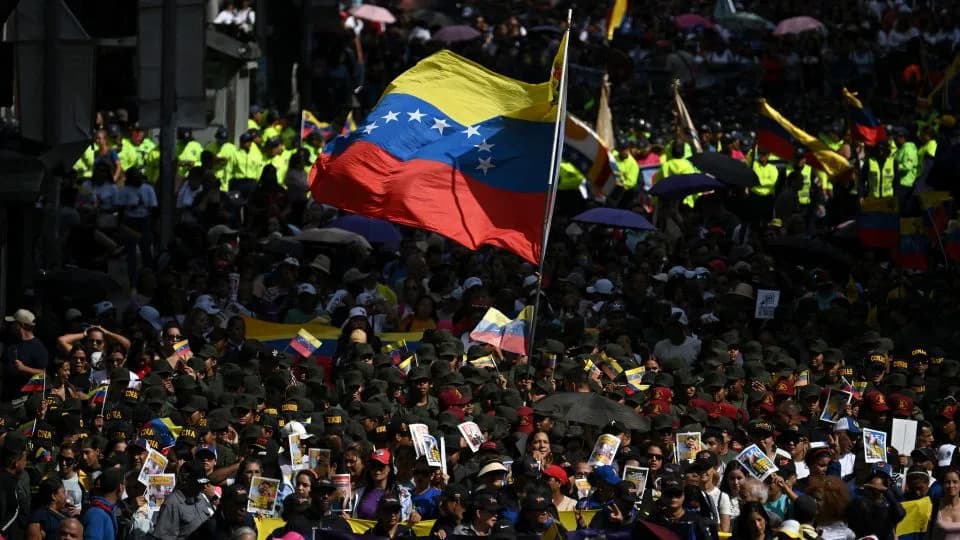
Flags flew at half-mast across the country and thousands of security personnel lined the procession routes as her body was transported through Dhaka in a vehicle painted in the national colours. A sea of mourners gathered outside the national parliament and filled the streets leading to it, many waving both national flags and those of the Bangladesh Nationalist Party (BNP). Prayers were offered over her coffin before the burial.
Public Reaction and Personal Tributes
Supporters and members of the public paid tribute in large numbers. Retired government official Minhaz Uddin, 70, said he had never voted for Zia but came with his grandson to honour the three-time prime minister. Supporter Sharmina Siraj described Zia as an inspiration and said it was hard to imagine women attaining similar leadership roles soon. Many mourners highlighted social measures introduced under Zia, including stipends to promote girls' education.
Political Context
Despite years of poor health and periods of imprisonment, Zia had pledged to campaign in parliamentary elections scheduled for February 12 — the first national vote since a mass uprising toppled her rival, Sheikh Hasina, in 2024. The BNP is widely seen as a frontrunner in that contest, and Zia's son, Tarique Rahman, 60, who returned to Bangladesh after 17 years in exile, is viewed as a likely leader if the party secures a majority.
"She is no more, but her legacy lives on — and so does the BNP," said mourner Jenny Parvez, who travelled several hours with her family to watch the funeral procession.
State Honors and Burial
The interim government, led by Nobel Peace Prize laureate Muhammad Yunus, declared three days of national mourning and organized an elaborate state funeral. Yunus said the country had "lost a great guardian." Zia was buried beside her late husband, Ziaur Rahman, who was assassinated in 1981 while serving as president. Military leaders and service members laid wreaths, and a bugle sounded during the burial ceremony.
Health, Legal Troubles and Final Days
Zia had faced a range of health problems and was rushed to hospital in late November; her condition deteriorated despite treatment. She had previously been jailed on corruption charges in 2018 under Sheikh Hasina's administration and was barred from travelling abroad for medical care. Zia was released in 2024 shortly after Hasina was removed from power. Hours before her death, party workers submitted nomination papers on her behalf for three constituencies in next year’s polls.
International Response
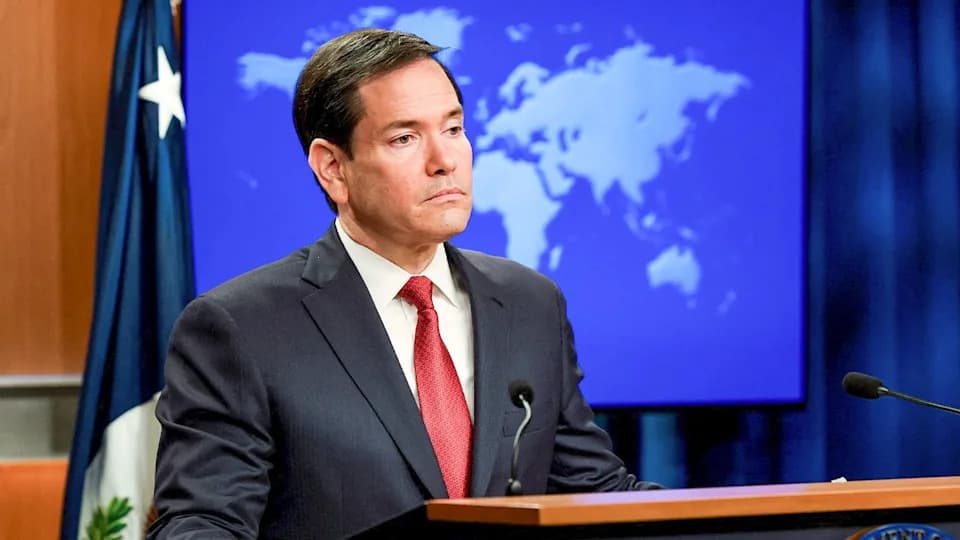
Indian Prime Minister Narendra Modi offered condolences and said he hoped Zia's "vision and legacy will continue to guide our partnership." India’s foreign minister, Subrahmanyam Jaishankar, attended the funeral — the highest-level Indian visit since Hasina's removal — and met Tarique Rahman to convey India's "deepest condolences." Sheikh Hasina, who was sentenced to death in absentia in November and remains in hiding in India, issued a brief statement praying for Zia's eternal peace.
Zia's life and political career — from becoming the first woman to serve as Bangladesh's prime minister to enduring imprisonment and health challenges — remain central to the country's turbulent political story. The state funeral underscored both her enduring support base and the highly charged political atmosphere ahead of the forthcoming elections.
Help us improve.