
Jamaat-e-Islami, Bangladesh’s largest Islamist party, has rebranded since the August 2024 uprising and is gaining ground ahead of the Feb. 12 parliamentary election. The party emphasizes welfare programs and anti-corruption messaging and performed strongly in campus polls; recent surveys show it in a close race with the BNP. Its rise alarms minority groups and women’s activists, despite Jamaat’s pledges of inclusivity and balanced foreign relations.
Jamaat-e-Islami Rebrands and Surges Ahead Of Bangladesh Vote, Alarming Moderates And Minorities
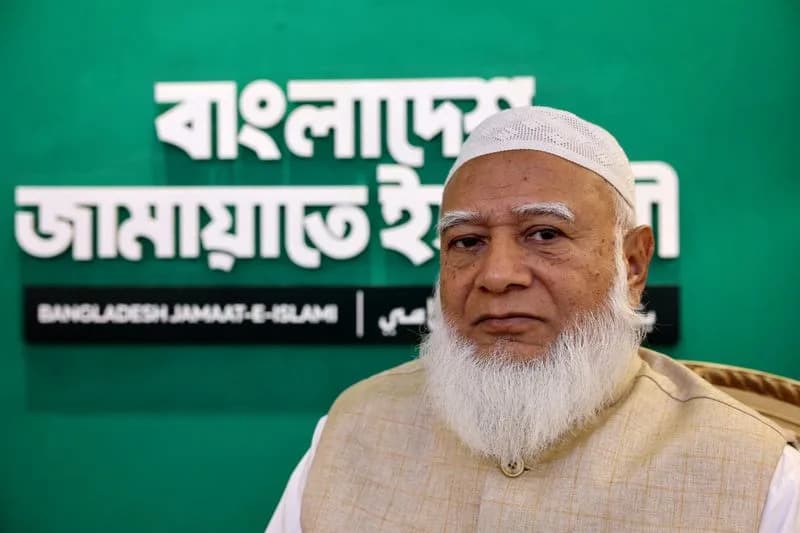
FILE PHOTO: Shafiqur Rahman, Ameer (President) Jamaat-e-Islami, poses for a photograph after an interview with Reuters, in Dhaka, Bangladesh, December 31, 2025. REUTERS/Kazi Salahuddin/File Photo
Bangladesh’s largest Islamist party, Jamaat-e-Islami, has undertaken a major public rebranding since the August 2024 uprising that toppled Prime Minister Sheikh Hasina. With the Awami League barred from politics, Jamaat is capitalizing on welfare outreach, anti-corruption messaging and a more inclusive public tone as it competes in the Feb. 12 parliamentary election.
Background And Reinvention
The party traces its roots to the pan-Islamist Jamaat-e-Islami movement that emerged in British India in the 1940s. Historically, Jamaat opposed Bangladesh’s independence, and many of its leaders were later executed or imprisoned following convictions by a war crimes tribunal that was criticised by international rights groups. In 2013 a court found Jamaat’s charter incompatible with the country’s secular constitution and barred it from electoral politics; the ban was lifted last year.
Campaign Strategy And Momentum
Jamaat says it is pursuing "welfare politics," emphasizing medical camps, flood relief and support for families affected by the August uprising. A December poll by the U.S.-based International Republican Institute placed Jamaat at the top of approval ratings and projected a tight race with the Bangladesh Nationalist Party (BNP) for the Feb. 12 election.
The party’s student wing won key Dhaka University polls, and Jamaat has formed electoral alliances with a range of Islamist groups, including the National Citizen Party (NCP). Jamaat plans to contest 179 parliamentary seats, with 74 seats allocated to allies and 47 still to be finalised after an ally withdrew.
Promises, Criticism And Representation
Jamaat leaders point to new gestures — including nominating a Hindu candidate for the first time and publicly condemning attacks on minorities — as evidence of a more inclusive approach. Party officials have also publicly assured equal rights for women, though Jamaat has not nominated any female candidates for the 300 directly contested seats; party leaders say women may gain representation via the 50 seats to be allocated by proportional representation after the election.
"We started welfare politics, not reactionary politics," Jamaat chief Shafiqur Rahman told Reuters, citing relief work and support for families of those killed in the uprising.
Women's groups and activists remain sceptical. Shireen Huq of Naripokkho called Jamaat’s public assurances an "electoral ploy," while student activist Umama Fatema warned the party’s rhetoric could quickly revert to restrictions on women’s rights.
Security Concerns And Minority Fears
Since Hasina’s exit, Islamist groups and hardline actors have reportedly become more emboldened. Hindu and Sufi shrines have been attacked and cultural events — from folk music performances to women’s football matches — have faced threats. The interim government has pledged "zero tolerance" for such attacks, but minorities report rising fear and insecurity.
A minority community leader, speaking on condition of anonymity, said: "If a Jamaat-led coalition comes to power, there is a real risk that Bangladesh will move towards a full-fledged Islamic republic. Today, I fear for my life, and I fear that minorities in Bangladesh may not have a secure future."
The United Nations has estimated that as many as 1,400 people died in the protests that precipitated the government change in August 2024.
Foreign Policy Signals And Outlook
Some observers warn that a Jamaat-led government may recalibrate Bangladesh’s foreign ties, potentially altering the India-leaning diplomacy of the Hasina era. Jamaat leaders deny intentions to favour any single country, stressing they seek "balanced relations" with all nations.
What To Watch
Key developments to monitor include final seat-sharing agreements, whether Jamaat fields any female candidates, the conduct and safety of minorities during the campaign, and how international partners respond to any significant political shift after the Feb. 12 vote.
Help us improve.





















